
108 N Auburndale St, Memphis, TN 38104
To contact a resident: (901) 278-8200
For more information about senior living options: (866) 208-4318
Overall Review of St. Peter Manor
Pros
 The staff at St. Peter Manor are described as caring, compassionate, and consistent.
 - Angie and Akia Crump lead a culture of service that radiates through every hallway.
- Management and all staff are described as consummate professionals who treat residents with dignity, respect, and care.
- The facility offers life-enhancing services, including transportation to stores, food donations, and a full calendar of activities.
- Updated amenities feel like home, such as a brand-new washer and dryer facility, theatre room, on-site clinic, game room, library, chapel, and gated parking.
- Service coordinators like Ashley Williams show genuine personal interest in residents’ wellbeing and tailor solutions.
- The overall experience suggests that Angie & the Crew know what to do for residents, helping them to heal, grow, be seen, and thrive.
Cons
 The facility is roach- and bed bug-infested.
 - The trash rooms stink and are left unattended, especially on weekends.
- The carpets are filthy and emit strong odors; the building feels neglected.
- There is a constant bedbug and roach problem that residents are bitten by despite treatments.
- The building is poorly maintained, with holes in roofs and ceilings and ongoing neglect.
- Security gates are non-functional and access control is unreliable.
- Prospective residents should not move here.
Review
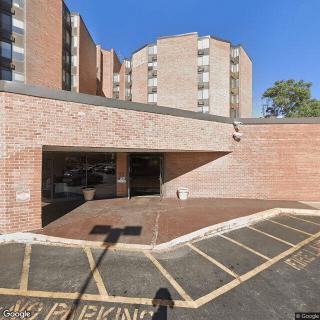
St. Peter Manor in Memphis is best suited for independent seniors who want a lively, staff-driven community and value a broad slate of on-site amenities and social programming. The campus-style feel, with an on-site clinic, chapel, theatre, game rooms, fitness center, library, and a general store, coupled with gated security and ID-entry creates a sense of safety and belonging. Families seeking regular, responsive interaction with caretakers and a culture that treats residents with dignity will find the strongest appeal here. This is not a facility designed for residents who require consistent, high-intensity caregiving or those who demand spotless, pest-free environments day in and day out; in that case, alternatives should be explored.
The core strength rests with the staff. Across departments, the team is described as compassionate, coordinated, and relentlessly attentive to individual resident needs. Angela Mason, the manager, is cited as a standout leader, supported by a dependable roster including Angie, Akia, Ashley, Tiffany, and others who routinely rally to keep schedules, activities, and care plans aligned. Service coordinators are praised for genuine personal investment, assessing needs, arranging solutions, and maintaining a human-centered approach that residents and families notice. When the culture is described, the refrain is clear: the staff “Know What to Do for You,” and that consistency translates into daily reassurance and a sense of being truly seen.
The community delivers tangible, practical advantages that can offset many daily frictions. Transportation is reliable enough to support real independence, offering trips to stores and food-dac donations, along with a robust calendar of activities in a welcoming activity center. Amenities feel like home: renovated laundry facilities, a theatre, an on-site clinic, a library, a chapel, and multiple common areas designed for fellowship. The security framework, 24/7 armed security, gated parking, and ID-card entry, adds a premium safety layer that matters for seniors living in a multi-floor building. Residents also note positive experiences with care coordination and personal attention from staff, which translates into a feeling of stability and the possibility to stay engaged without navigating every need alone.
Yet substantial drawbacks challenge the overall value equation. Pest problems repeatedly surface in reviews: roaches and bed bugs are described as ongoing, resistant to routine treatments, and closely tied to odor, trash room neglect, and limited weekend attention to cleanliness. Cleanliness concerns extend beyond pests to smells from trash rooms and dirty carpets, with some floors feeling neglected and in need of a comprehensive refresh. The building’s maintenance demands are magnified by architectural realities: the property is an older, ten-story structure with long waits for a small elevator, and ongoing reconstruction has introduced noise, privacy issues, and a sense that daily life can feel compromised by construction activity. These elements erode the sense of a pristine, health-conscious living environment and create real stress for residents with mobility or cognitive needs.
The pros do offset the cons in a measured, not universal, way. For residents who can thrive with strong social programming and dependable staff support, the presence of transportation, diverse activities, and on-site services creates continuity, purpose, and engagement that matter deeply. The security features and the gated setting offer a stability that many families prioritize, while the on-site clinic reduces friction in medical management and allows for quicker, more familiar access to care. That said, the pest and maintenance deficits are not easily dismissed; they are not merely cosmetic nuisances but real risks to comfort, health, and long-term satisfaction. In such a context, staff excellence and community life can feel like a compelling offset only to a point, after which health, safety, and predictable upkeep take on outsized importance.
For families weighing options, several clear red flags suggest considering alternatives. Prospective residents who require higher levels of assisted living, more intensive daily support, or who must avoid any risk of pest exposure should look elsewhere. Those who prize a consistently clean environment, timely maintenance, reliable elevator service, and minimal disruption from ongoing renovations may find the balance at St. Peter Manor tilted too far toward operations concerns rather than comfort and wellness. While Germantown offers a contrasting option with positive notes, the takeaway is simple: the decision hinges on tolerance for ongoing maintenance demands and pest management versus the value of staff-driven culture and activity-rich living.
In the end, St. Peter Manor presents a paradox: a community that can empower independent seniors through superb staff engagement and a wide array of conveniences, yet struggle with fundamental cleanliness, pest control, and construction-related disruptions. The recommendation is pragmatic and precise. Consider St. Peter Manor if the priority is engagement, security, and a supportive, resident-centered staff, and if the resident can manage or tolerate the environmental drawbacks with confidence in the care team. If the priority is a consistently pristine living space, predictable maintenance, and a low-stress daily routine, it is prudent to examine alternatives more closely, with direct inquiries into pest control history, maintenance response times, elevator reliability, and the impact of ongoing renovations on daily life. A candid tour, asking current residents about day-to-day experiences and pressing concerns, will crystallize whether the balance between strong staff culture and material flaws aligns with a family’s risk tolerance and care expectations.
 Assisted Living
 Activities on-site
 Devotional services off-site
 Indoor common areas
 Memphis International (7 miles away)
 Ambulatory care
 Diabetic care
 Meals provided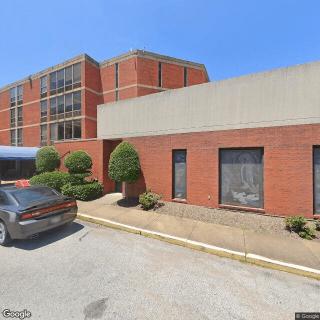



 Comprehensive Insights into Activities of Daily Living (ADLs) and Their Assessment
 Guiding Elderly Parents Who Refuse Assisted Living: 6 Practical Steps
 Your Comprehensive Guide to Luxury Assisted Living: Elevated Facilities, Amenities, and Costs