
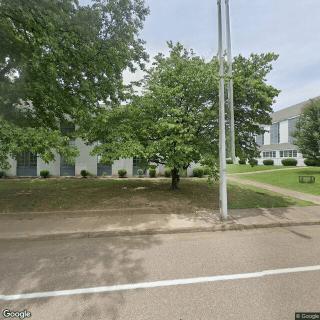
2380 James Road, Memphis, TN 38127
For more information about senior living options: (866) 208-4318
Overall Review of Midsouth Health and Rehabilitation Center
Pros
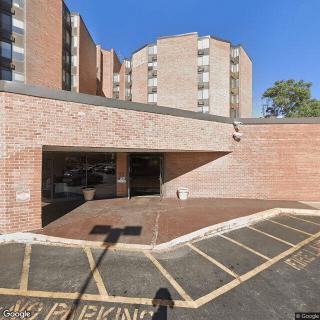
 The facility is really nice, and staff showed a lot of care toward the patients.
- The patient was treated with exceptional care, and her room was nicknamed the "White House" in reflection of that care.
- The patient was well beloved at Mid-South, and the caregivers could not ask for more.
- Midsouth Home Health Care is a wonderful service that truly cares about patients.
- Two nurses visited the patient’s home twice weekly, providing thorough care, checking vitals and swelling, and guiding walking with a walker plus daily exercises.
- The staff frequently checked on the patient and understood and respected her wishes.
Cons
 The facility is horrendous from the director to the lowest staff members.
- The building should be condemned, with torn blinds, antiquated furniture, and dirty linen.
- People sat in the halls in soiled clothes while staff stood around gossiping.
- People should not take their loved ones to this place under any circumstance.
- The staff were very unprofessional, and the facility should not be trusted with loved ones.
- The care was unsatisfactory: meals were delayed, baths were delayed, and therapy was limited.
- The reviewer would not place anyone there again.
Review
This community is best suited for families that can act as vigilant advocates and are comfortable prioritizing active oversight, especially for short-term rehabilitation where daily accountability is essential. Midsouth Health and Rehabilitation Center presents a facility with a respectable appearance and a potential for personal attention from some staff, but the reality of daily operations requires hands-on involvement to safeguard progress and dignity. Families should be prepared to intervene promptly if care gaps emerge, and to set clear expectations from day one. Those seeking a hands-off, consistently high-standard experience may find this option too risky.
On the plus side, certain frontline caregivers stand out. Several reviews highlight compassionate nurses and CNAs who delivered real warmth and attention, and one long-term resident’s family recounts a level of personalized care that felt almost presidential. The reference to a room nicknamed “the White House” signals that, when the staff are aligned with a resident’s preferences, comfort and respect can be preserved. There is also a sense that, with the right staff in place, the staff checks and attentiveness observed by visitors can translate into genuine, ongoing interaction, though these moments appear episodic rather than systemic.
The major cons, however, are severe enough to tilt the balance decisively toward caution. Under-staffing surfaces as a core problem, with persistent impressions of overcrowding and insufficient personnel to handle routine needs. Writers describe dirty linen, torn blinds, and residents in hallways with soiled clothing, accompanied by staff who appear to congregate at the desk rather than respond to resident needs. Timeliness is another recurring issue: meals arriving late, baths deferred, and only limited therapy time documented in multiple rehab stays. These patterns undermine rehabilitation momentum and erode trust in daily care.
This tension between potential and performance means the pros do not reliably offset the principal cons. The presence of a few highly committed caregivers cannot compensate for inconsistent staffing and lapses in basic cleanliness and routine care. For short-term rehab, that inconsistency risks stalled progress and frustration for both residents and families. For long-term stays, the danger is entrenched dissatisfaction and repeated safety concerns. In other words, the facility may occasionally execute excellent, personalized care, but the frequency and severity of the gaps are enough to impair overall quality of life.
There is a counterpoint worth noting: the organization’s home health component receives positive mention independent of the brick-and-mortar center. Midsouth Home Health Care is praised for consistent nurse visits, careful evaluation of swelling and circulation, and effective therapy that helps patients regain mobility at home. This contrast suggests the core issue is not a lack of clinical capability, but rather inconsistent on-site staffing, supervision, and environmental maintenance. For families where inpatient rehab is the plan, the home health option can still be a strong continuation of care after discharge, but it does not replace the need for a reliably managed facility in the immediate post-acute phase.
In practical terms, families considering Midsouth Health and Rehabilitation Center should demand evidence of sustained improvements before committing. A thorough on-site tour with a focus on cleanliness, supply availability, and staff-to-resident ratios is essential. Request recent therapy schedules, discharge planning practices, and direct conversations with the director about staffing support during peak hours. If tendencies toward delays in meals, baths, or therapy persist, it is prudent to explore alternatives with proven consistency in daily routines and a demonstrable commitment to cleanliness and professional standards. In scenarios where a resident’s needs include highly reliable daily care and predictable rehab progression, alternatives should be prioritized to minimize risk and maximize confidence in ongoing care.
 155 resident community capacity
 Skilled Nursing Facility
 Air-conditioning
 Beauty salon
 Cable or satellite TV
 Computer center
 Dining room
 Fitness room
 Fully furnished
 Gaming room
 Garden
 Housekeeping services
 Kitchenette
 Move-in coordination
 Outdoor space
 Private bathrooms
 Restaurant-style dining
 Small library
 Telephone
 Wellness center
 Wi-Fi/high-speed internet available
 Memphis International (11 miles away)
 Community operated transportation
 12-16 hour nursing
 24-hour call system
 Activities of daily living assistance
 Assistance with bathing
 Assistance with dressing
 Assistance with transfers
 Diabetes diet
 Medication management
 Mental wellness program
 Special dietary restrictions
 Concierge services
 Planned day trips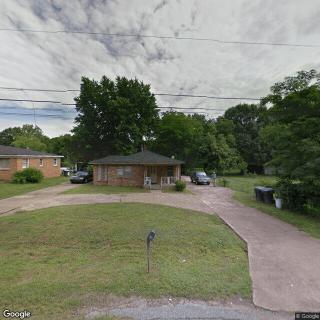




 Financing Long-Term Nursing Home Care Through Social Security: A Thorough Exploration
 Essential Knowledge on Pneumonia in Older Adults
 Exploring Palliative Care in the Home: A Comprehensive Overview