
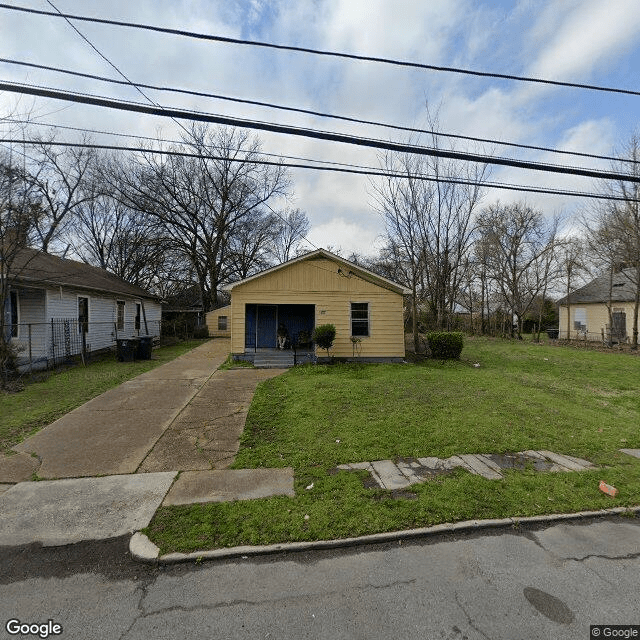
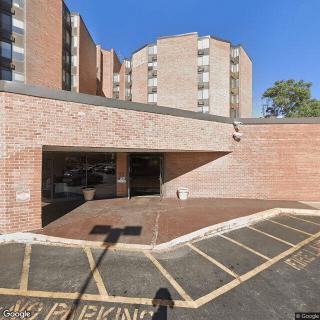
1137 Breedlove Street, Memphis, TN 38107
To contact a resident: (901) 388-8638
For more information about senior living options: (866) 208-4318
Midsouth Residential Care Center Costs & Pricing
Midsouth Residential Care Center offers competitive pricing for its services, particularly when compared to the broader market in Shelby County and the state of Tennessee. For a semi-private room, residents at Midsouth can expect to pay $1,000 per month, significantly lower than the county average of $3,426 and the state average of $3,162. Similarly, the center's private rooms are priced at $1,200 per month, which is also well below Shelby County's average of $3,746 and Tennessee's average of $3,696. These attractive rates underscore Midsouth's commitment to providing affordable care options while maintaining a high standard of living for its residents.
| Floor plans | Midsouth Residential Care Center | Shelby County | Tennessee |
|---|---|---|---|
| Semi-Private | $1,000 | $3,426 | $3,162 |
| Private | $1,200 | $3,746 | $3,696 |
Memory care communities with a similar price nearby
-
About the same
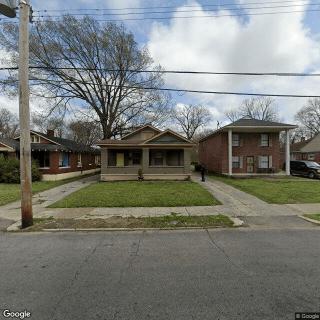
Williams Care Home
$1,000 / month0.2 miles away -
About the same

Bond Care Home
$1,000 / month4.6 miles away
Overall Review of Midsouth Residential Care Center
Pros
 There were some awesome nurses and CNAs.
- Bravo Zulu to these wonderful few.
- The facility is really nice.
- There was a lot of care shown toward the patients there.
Cons
 The facility is described as HORRENDOUS from the director to the lower level staff members.
- The building should be condemned; the mother was in a room with torn blinds, antiquated furniture, and dirty linen.
- People were sitting in the halls with soiled clothes while staff hung around the desk area gossiping.
- The reviewer ultimately removed their mother from the facility and warns not to bring loved ones there under any circumstance.
- The place is characterized as very unprofessional, and the reviewer would not recommend placing loved ones there.
- The facility is understaffed, and that under-staffing is evident in the care provided.
Review
Midsouth Residential Care Center in Memphis is best suited for families that can stay intensely involved in daily care and are prepared to act quickly if conditions fail to improve. The reviews reveal a facility with a decent physical footprint and moments of genuine attentiveness from some nurses and CNAs, but those moments are uneven and heavily contingent on which shift is on duty. The practical reality is that care quality rises and falls with staffing and supervision, and families must be ready to intervene, advocate, and, if necessary, relocate at short notice.
For families weighing alternatives, this community demands a clear-eyed comparison to options with steadier staffing and cleaner environments. The strongest warning signs include reports of an under-staffed operation, dirty linens, torn blinds, and residents in soiled clothes left unattended for extended periods. There are accounts of staff congregating at desks and engaging in gossip rather than attending to residents, plus blunt judgments about leadership communication and accountability. In short, a consistent, predictable level of daily care is not reliably present, and those needing a stable, low-oversight environment should look elsewhere.
On the upside, a minority of reviews highlight a genuinely positive dimension: a physically pleasant facility where some caregivers demonstrate real compassion and dedication. The presence of “awesome nurses and CNAs” suggests that capable, caring staff do exist on the floor, and that when these team members are engaged, residents can receive the kind of attentive, respectful interaction that makes day-to-day life with limited independence more bearable. That contrast, care that appears real when the right people are present, frames the core dilemma of this community: excellence is episodic rather than systemic.
The main drawbacks are not incidental nuisances but fundamental barriers to reliable safety and well-being. Understaffing translates into delays in assistance with meals, bathing, and mobility, increasing the risk of neglect and safety incidents. A concerning environmental signal, dirty linen, chronic disarray, and a facility that some feel is failing to meet basic cleanliness standards, undermines trust and can worsen infections or skin and respiratory issues. Add a culture issue, where staff appears stretched thin or distracted by internal dynamics, and the cumulative effect is a care experience that feels reactive rather than proactive. In short, the cons are large enough to overwhelm the sporadic pros unless constant, careful oversight is in place.
Ultimately, these reviews suggest a clear path for decision-making: this community is a high-risk choice unless an family is willing to invest heavily in oversight, insist on transparent staffing data, and maintain a back-up plan. If selecting this facility, prioritize an immediate, thorough tour focused on cleanliness, access to staff, and real-time caregiver-to-resident ratios. Require candid discussion with leadership about turnover, response times, and quality improvement plans, and insist on a trial period during which progress can be measured. If that progress remains elusive, pivot to alternatives that offer steadier staffing, better environmental maintenance, and stronger governance.
Practically, targeted steps reduce exposure to ongoing problems. Check recent state inspection findings and any corrective actions, request to meet the direct care team and view current shift schedules, and ask for specific examples of how concierge-style oversight is handled during weekends and evenings. Bring a trusted advocate or case manager to accompany negotiations and to document observations. Plan for a transition timeline, do not converge on a long-term commitment without a clear signal that staffing, cleanliness, and daily routines have improved. In Memphis, several facilities present a safer, more predictable path to quality senior care; use this one only if oversight and contingency planning are non-negotiable requirements.
 Board and Care Home
 Memory Care
 Private
 Memphis International (9 miles away)





 Why Do Dementia Patients Sleep So Much? Understanding Oversleeping, Stages, and Care Approaches
 8 Key Indicators That Suggest It May Be Time to Transition from Assisted Living to Skilled Nursing Care
 Nourishing the Mind: Essential Dietary Approaches for Dementia