2320 East Lamar Alexander Parkway, Maryville, TN 37804
For more information about senior living options: (866) 208-4318
3 from 72 reviews
5 stars
31
4 stars
6
3 stars
1
2 stars
2
1 stars
32
Overall Review of Blount Memorial Trans Care Center
common2 reviews mention this
Activities with Paige and Gracie
The planned activity programming is a bright spot during stays.
Several residents and families describe the activities team as highly involved, with daily events that pull people out of their rooms. Mentions specifically point to Paige and Gracie running games and seasonal-style gatherings that keep residents engaged.
differentiator2 reviews mention this
Therapy helps residents regain mobility
Rehabilitation progress is a recurring reason people recommend the facility.
Residents describe improvements through physical and occupational therapy, including getting back to walking and reaching discharge goals. Families also highlight therapy as a core part of the short-term recovery plan, tied to getting home sooner.
common2 reviews mention this
Hospital connection for transitions
It’s positioned for post-hospital transitions, with nearby care close by.
Some reviewers say they were sent from Blount Memorial Hospital or that the move here followed a hospital stay. The listing also places Blount Memorial Hospital within a short drive, which aligns with how residents describe the transition into rehab.
caveat2 reviews mention this
Delays in meds and communication
Some families report delays when it comes to medication timing and updates.
A reviewer describes having to wait up to an hour after medication times, plus instances where prescriptions were delayed. Another reviewer reports that communication with the family was lacking and that they had to request a call to get updates.
How we summarize
Counts show how many written reviews mention each theme; a review can touch several themes, and only frequently mentioned themes are displayed.
Features
Housing
76 resident community capacity
Types of Care
Skilled Nursing Facility
Amenities
Air-conditioning
Beauty salon
Cable or satellite TV
Computer center
Dining room
Fitness room
Fully furnished
Gaming room
Garden
Housekeeping services
Kitchenette
Move-in coordination
Outdoor space
Private bathrooms
Restaurant-style dining
Small library
Telephone
Wellness center
Wi-Fi/high-speed internet available
Transportation
McGhee-Tyson (5 miles away)
Community operated transportation
Transportation arrangement
Transportation arrangement (non-medical)
Transportation to doctors appointments
Care Services
12-16 hour nursing
24-hour call system
24-hour supervision
Activities of daily living assistance
Assistance with bathing
Assistance with dressing
Assistance with transfers
Diabetes diet
Meal preparation and service
Medication management
Mental wellness program
Special dietary restrictions
Dining
Diabetes diet
Special dietary restrictions
Activities
Community-sponsored activities
Concierge services
Fitness programs
Planned day trips
Resident-run activities
Scheduled daily activities
Nearby Places of Interest
Hospitals
Blount Memorial Hospital (0.1 miles)
Summit Medical Group (1 miles)
Blount Memorial Hospital Medical Fitness (1.3 miles)
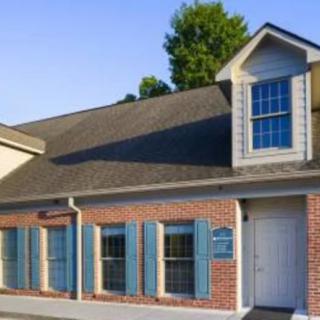
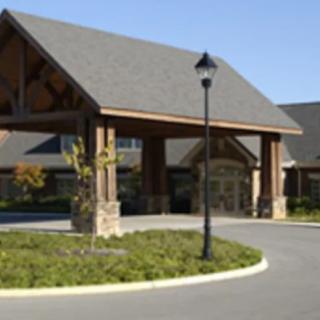
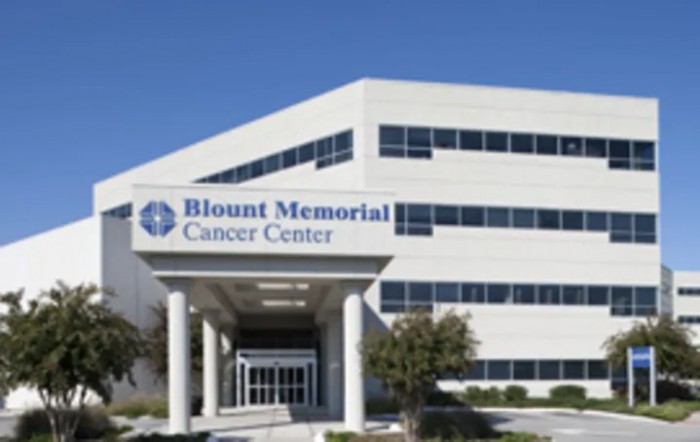
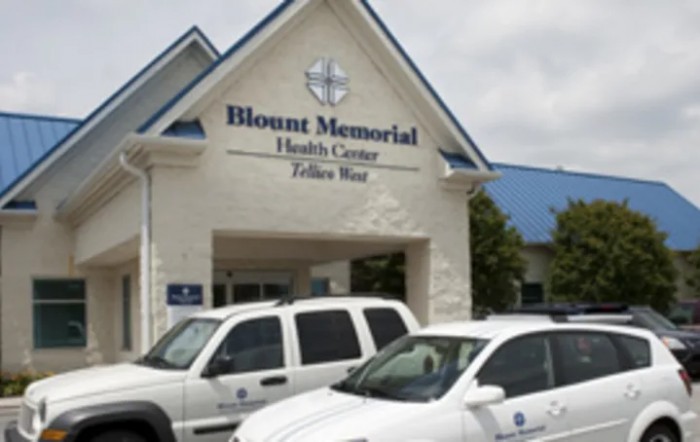
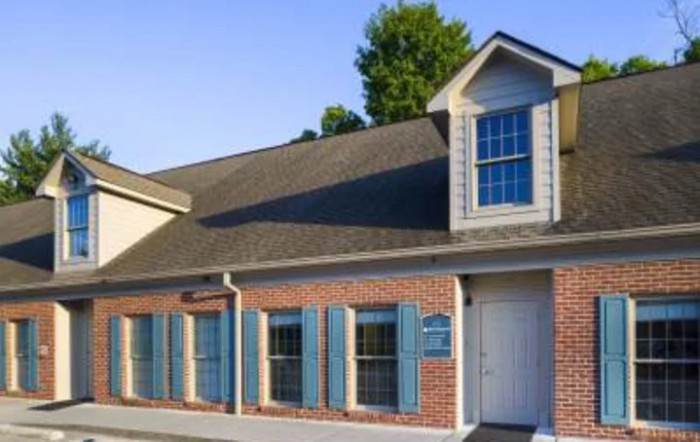
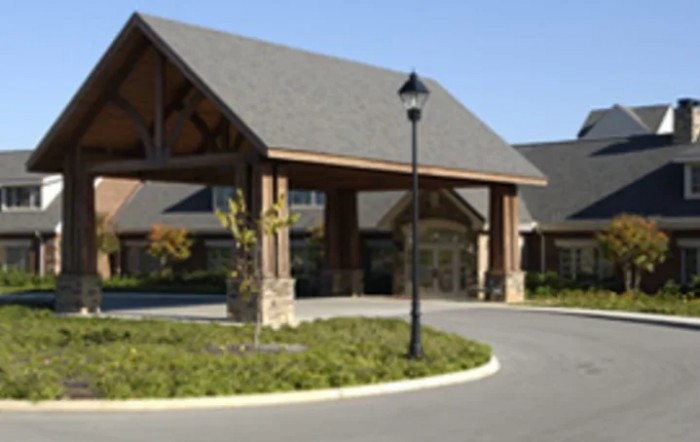
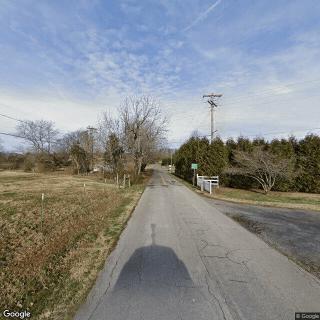
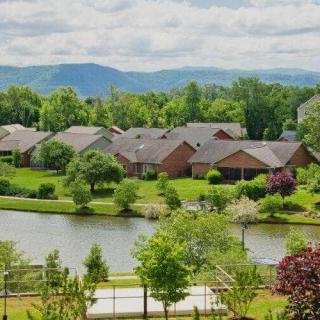
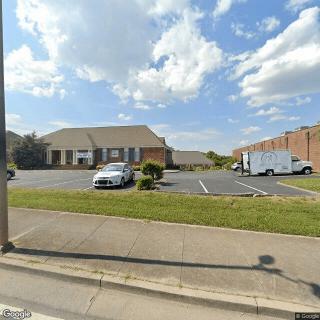
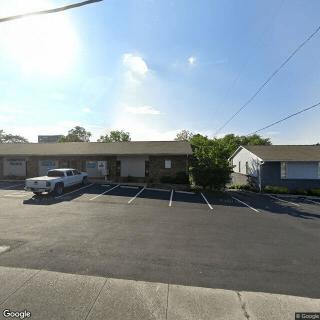
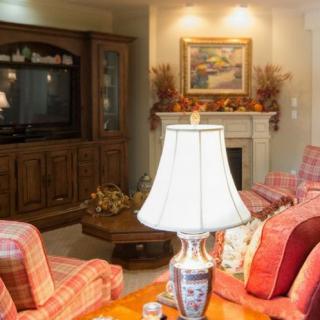
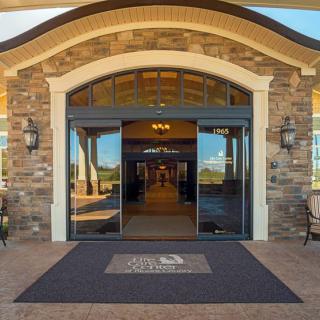
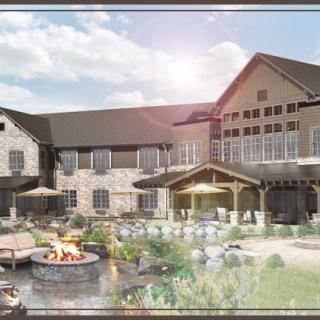
Blount Memorial Trans Care Center on seniors.fyi includes 5 photos including images showing building, architecture, healthcare, exterior, brick, windows, entrance, landscaping, and more.
Nearby Communities
Morningview Village
Maryville, TN
3.5 from 34 reviews
Caring staff, clean facility, engaging activities, and reasonable all-inclusive cost.
Brookdale Browns Creek
Maryville, TN
4.6 from 87 reviews
$3,545 to $3,865 / month
Friendly, caring staff in a clean, spacious community with engaging activities and good dining.
Asbury Inc.
Maryville, TN
4 from 100 reviews
Nearby amenities support residents' daily living.
Asbury Place Maryville
Maryville, TN
3.9 from 125 reviews
$3,995 to $5,147 / month
Compassionate staff and a broad range of care options in a welcoming environment.
Home Instead - Maryville, TN
Maryville, TN
4.9 from 90 reviews
Some caregivers are attentive and the agency offers a helpful, easy intake process.
Senior Citizens Home Assistance Service, Inc.
Maryville, TN
4.6 from 15 reviews
Vibrant assisted living with extensive nearby amenities and accessible healthcare.
Shannondale of Maryville
Maryville, TN
4.1 from 25 reviews
$600 to $6,900 / month
Friendly, attentive staff with strong nursing care and engaging activities.
Life Care Center Of Blount County
Louisville, TN
4.6 from 124 reviews
Well-maintained facility with strong therapy staff and engaging activities.
Northshore Heights - Knoxville
Knoxville, TN
4.5 from 53 reviews
$3,442 to $7,810 / month
Friendly staff, spacious rooms, and a non-institutional, resort-like atmosphere with appealing amenities.
Older adults with urinary tract infections (UTIs) often present atypical symptoms, complicating diagnosis due to factors like incomplete bladder emptying and chronic health conditions that increase their susceptibility. Effective management involves prompt treatment with antibiotics, hydration, and preventive strategies while minimizing antibiotic resistance and focusing on holistic care approaches.
California's Form 602A is a vital tool for evaluating the health needs of seniors seeking residential care, detailing their medical conditions and daily living requirements to ensure proper service alignment. This standardized form enhances communication among physicians, families, and facilities, serving as a regulatory measure for admissions and ongoing care while adapting to changing healthcare practices.
The overview of blood pressure management for seniors emphasizes the importance of monitoring and interpreting blood pressure readings, noting that normal ranges can vary due to age-related factors and individual health conditions. It highlights tailored guidelines for systolic and diastolic levels, the necessity of early detection and consistent management to prevent serious health complications, and advocates for personalized care strategies that incorporate lifestyle changes and medication adherence.
Get PricingAsk A QuestionSchedule A TourContact Senior Advisor
By clicking submit, you agree to our Partner's Terms of Use. You
also consent to receive calls and texts, which may be autodialed, from our Partner. Your consent is not a condition to
using our Partner's service. Please visit our Partner's Privacy Policy for information about their privacy practices.


 76 resident community capacity
 Skilled Nursing Facility
 Air-conditioning
 Beauty salon
 Cable or satellite TV
 Computer center
 Dining room
 Fitness room
 Fully furnished
 Gaming room
 Garden
 Housekeeping services
 Kitchenette
 Move-in coordination
 Outdoor space
 Private bathrooms
 Restaurant-style dining
 Small library
 Telephone
 Wellness center
 Wi-Fi/high-speed internet available
 McGhee-Tyson (5 miles away)
 Community operated transportation
 12-16 hour nursing
 24-hour call system
 Activities of daily living assistance
 Assistance with bathing
 Assistance with dressing
 Assistance with transfers
 Diabetes diet
 Medication management
 Mental wellness program
 Special dietary restrictions
 Concierge services
 Planned day trips
 Caring staff, clean facility, engaging activities, and reasonable all-inclusive cost.
 Urinary Tract Infections in Older Adults: Comprehensive Insights on Symptoms, Treatment, and Prevention
 California's Form 602A: An In-Depth Examination of Senior Care Assessment
 Comprehensive Look at Senior Blood Pressure Charts: Normal and Elevated Levels by Age