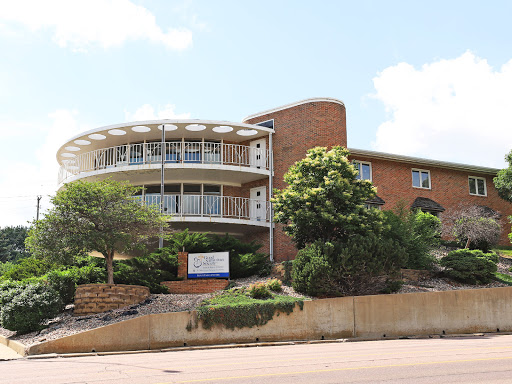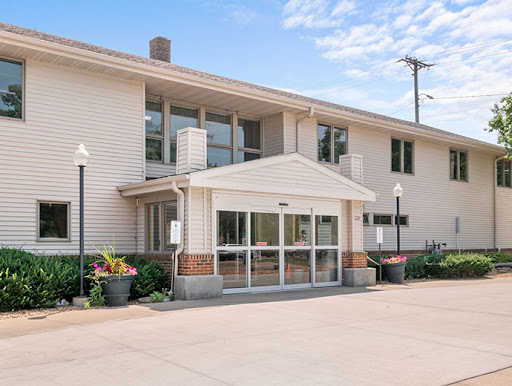

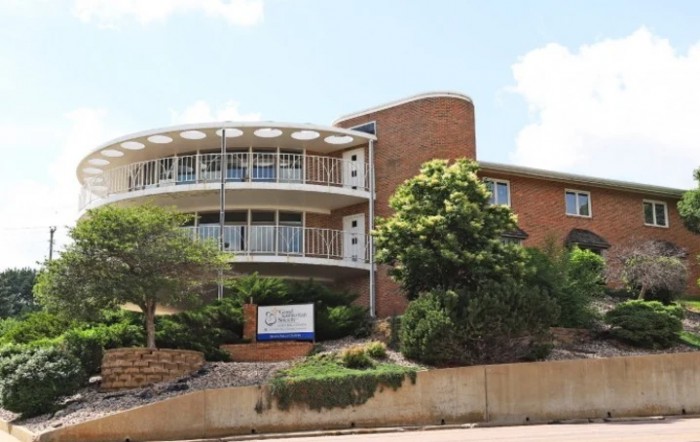





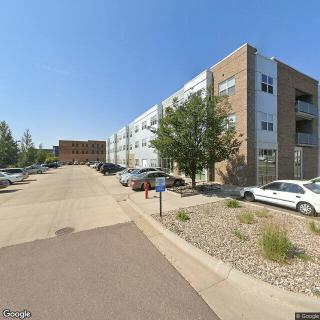
401 West Second Street, Sioux Falls, SD 57104
For more information about senior living options: (866) 208-4318
Overall Review of Good Samaritan Society Sioux Falls Center
Pros
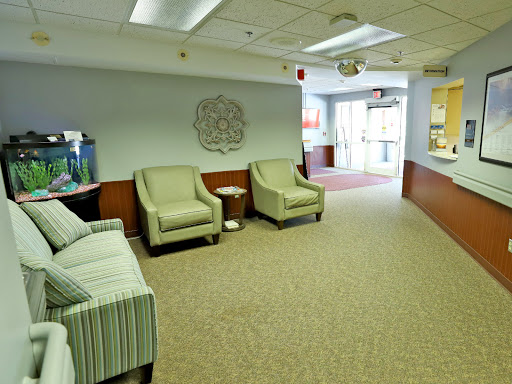
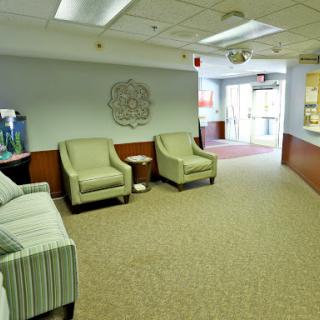
 The Good Samaritan Sioux Falls Center has a phenomenal team of leaders who truly go out of their way to create a safe, home-like environment and provide the best care to the people they serve.
- The nurse leaders are on the floor and accessible for any questions.
- All staff are always willing to help.
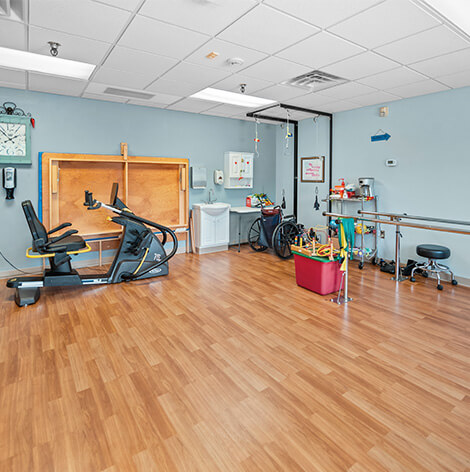
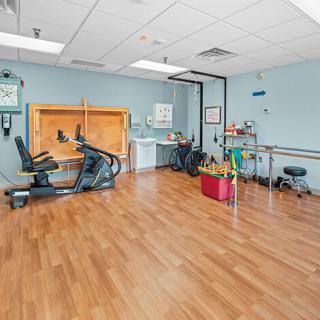
- The rehab therapy is truly one of a kind, with residents' future goals supported through individualized therapy plans.
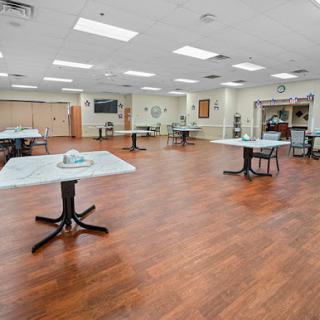
- Activities consistently plan new opportunities, and residents enjoy the community outings.
- The CNAs and nurses provide great care with love and nurture for all the residents.
Cons
 The review describes the facility as horrible and claims a relative rotted there, despite paying around $12,000 a month, implying profit-driven neglect.
- The review calls the center filthy, the most disgusting and dilapidated elderly care home encountered, and says it should be bulldozed down.
- The review asserts that most residents live in complete hell, fear retaliation, and are punished for speaking out.
- The review notes rotting food on wheelchairs, oily hair, scabby scalps, and generally dirty conditions, with the activities director described as lazy and unhelpful.
- The review claims rehab care was not properly managed, with long waits for restroom assistance and staff who are rude and poorly trained.
- The review alleges that a staff member was a serial thief, calling into question hiring practices at the facility.
Review
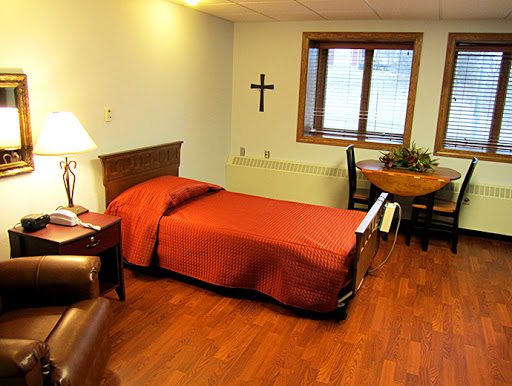
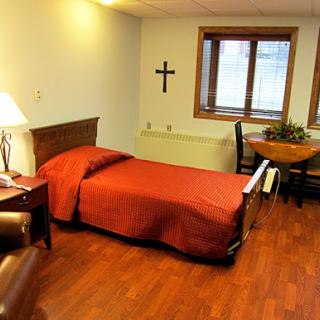
This community is best suited for families seeking short-term rehabilitation with a clear emphasis on individualized therapy, strong on-site leadership, and an inviting, home-like atmosphere. Reviews consistently point to a rehab program that prioritizes residents, with nurse leaders who are reachable on the floor, staff who are willing to help, and therapy plans tailored to each person’s goals. When a resident’s aim is to regain function and return home, this center can deliver the focused clinical attention and engagement that supports meaningful progress.
Those weighing alternatives should note a caution: long-term care needs that demand consistently pristine conditions, reliable daily care, and a transparent culture around safety may not be fully met here. Several accounts describe significant concerns about cleanliness, maintenance responsiveness, and overall facility conditions, along with reports of discouraged behavior toward residents who speak up. Cost is another factor to consider for families budgeting for extended stays, as one review cites a substantial monthly expense without a universal consensus on sustained value.
The strongest positives, robust rehab, accessible leadership, and a lively activity calendar, often offset major concerns for families prioritizing therapy and social programming. The ability to sit down with leaders on the floor and receive individualized therapy aligns with best-practice rehab models, and residents repeatedly highlight friendly CNAs and nurses who show genuine care. The breadth of activities, including outings and consistent engagement, helps maintain dignity and purpose, which matters greatly for residents rebuilding strength or seeking purposeful daily routines.
However, the cons cited in reviews cannot be dismissed. Claims of dirty conditions, slow maintenance, and inconsistent dining quality paint a troubling contrast to the care stories that praise staff. A recurring theme is fear of retaliation or punitive responses when residents speak up, along with observations of uneven management and training, which erode trust over the long haul. While some families experience excellent day-to-day care, others report episodes that contradict the ideal of a Christian-based, resident-centered facility. These disparities signal a facility where experiences can diverge sharply depending on who is providing care and when.
In weighing the pros and cons, rehab outcomes and leadership accessibility tend to tilt the decision toward this center for short-term, goal-oriented stays. For long-term placement, the positives do not fully neutralize the persistent concerns about cleanliness, consistency, and staff culture. Families with high sensitivity to daily quality and safety should approach with a critical, fact-based checklist and real-world assurances. The center can be a strong match when rehab success and meaningful activity opportunities are the priority, but it will require vigilant oversight and a clear plan for monitoring cleanliness, maintenance, and respectful resident treatment if choosing a longer stay.
Practical next steps: schedule a guided tour focused on floor leadership presence, ask to review the latest state survey results and any corrective action plans, and speak with current residents or family members about daily routines and response times. Request a concrete care and nutrition plan, verify staffing ratios during peak hours, and probe maintenance response times and incident reporting. If the goal is rapid functional improvement with engaged programming, this center delivers; if the objective centers on unwavering daily quality, dignity, and spotless conditions, exploring alternatives may be prudent.
 97 resident community capacity
 Skilled Nursing Facility
 Air-conditioning
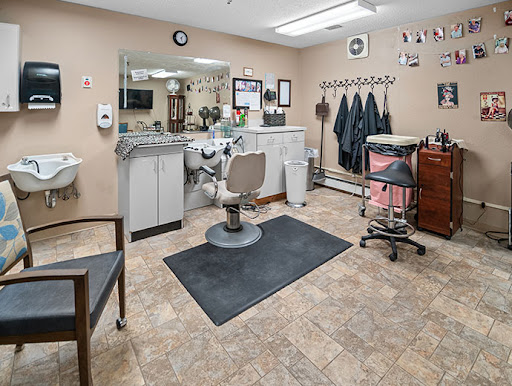
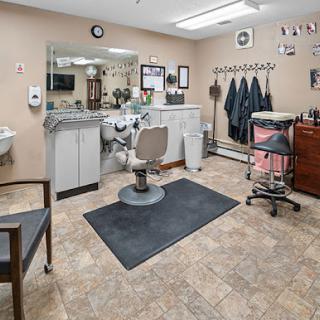
 Beauty salon
 Cable or satellite TV
 Computer center
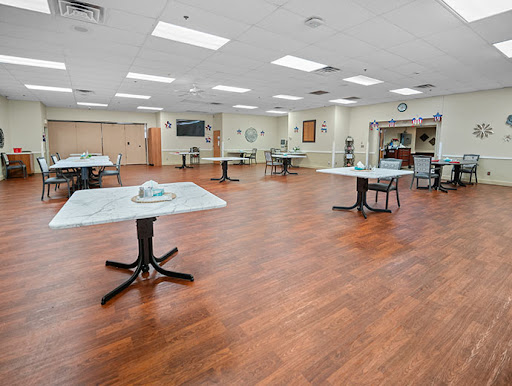
 Dining room
 Fitness room
 Fully furnished
 Gaming room
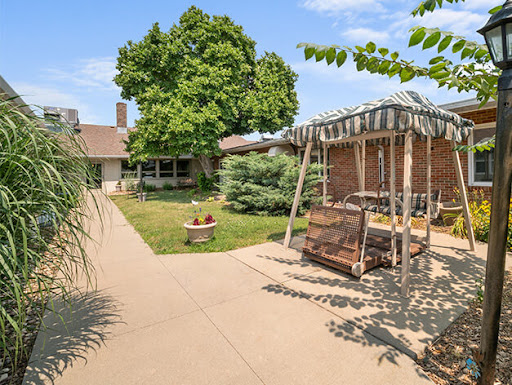
 Garden
 Housekeeping services
 Kitchenette
 Move-in coordination
 Outdoor space
 Private bathrooms
 Restaurant-style dining
 Small library
 Telephone
 Wellness center
 Wi-Fi/high-speed internet available
 Joe Foss (2 miles away)
 Community operated transportation
 12-16 hour nursing
 24-hour call system
 Activities of daily living assistance
 Assistance with bathing
 Assistance with dressing
 Assistance with transfers
 Diabetes diet
 Medication management
 Mental wellness program
 Special dietary restrictions
 Concierge services
 Planned day trips






 A Detailed Exploration of Living Wills and Advance Directives
 Comprehensive Guide to Medicare Coverage for Hospice Care
 Caring for Those Who Care: Recognizing, Understanding, and Overcoming Caregiver Burnout