

2900 S Lake Ave, Sioux Falls, SD 57105
To contact a resident: (605) 336-1997
For more information about senior living options: (866) 208-4318
Overall Review of Good Samaritan Society-Luther Manor
Pros
 Luther Manor provides great care and has an awesome staff.
- It is a great place to work and to bring loved ones if needed.
- Post-surgical rehab at Luther Manor involved great care from a wonderful staff.
- The Luther Manor team created a family atmosphere that included patients and their families.
- The administration at Luther Manor is very caring.
Cons
 The facility is described as a hell hole.
- Post-operative rehabilitation there didn’t provide rest.
- Older residents who are hard of hearing reportedly keep their TVs loud after 10 pm, and many night nurses do little about it.
- Insurance wouldn’t pay to wait until after 1 am for peace and quiet to sleep, only to be awakened at 6 am to start the day.
- The food served isn’t fit for a dog, and the care is atrocious.
- A bathroom emergency reportedly took 20 minutes for a nurse to arrive.
- Jewelry was missing after a relative passed away, and the wrong walker was returned.
- There is nothing “Christian” about the facility; not a place you’d want to be working or as a patient.
Review
Good Samaritan Society-Luther Manor in Sioux Falls is best suited for seniors who want a warm, caregiver-driven environment and a true family-like atmosphere. The staff across shifts are described as genuinely devoted, and many families highlight long-tenured relationships that become part of daily life. This community often appeals to those needing post-operative rehab or ongoing assistance who want to feel personally known and supported rather than processed through a system. Families that stay actively involved, asking questions, coordinating with therapists, and monitoring routines, will likely find Luther Manor responsive and comforting. It is not a sterile, impersonal campus; it strives to be a home where care feels personalized, even as care quality can vary from day to day.
However, certain realities make Luther Manor a less ideal match for some. For families prioritizing an ultra-quiet environment, immediate nurse response, and consistently timely meals, alternative communities may deliver more reliability. Several reviewers note slow call-button responses, late or cold meals, and noise from televisions after late hours that disrupt sleep. Some residents require steady, rapid assistance with emergencies, and when staffing is stretched, those needs can feel unmet. Additionally, the culture around faith and branding isn’t uniformly reassuring to every family, one critique questions the extent of Christian identity, while others praise the administration’s care, signaling a potential mismatch for families seeking a clearly defined mission.
On the upside, many experiences point to strong, compassionate care. Repeated praise for great care and awesome staff, along with testimonies of a supportive administration, show a core strength: commitment from caregivers who are willing to go the extra mile. Longer-term residents and their families describe a genuine partnership, with staff responsive to questions and attentive to comfort. In rehab contexts, several reviewers credit the team with meaningful progress and steadiness during recovery, and families repeatedly speak of a family atmosphere that helps residents feel safe and valued. These positives can offset some constraints when the priority is personal attention and relational warmth.
Yet the negatives are concrete and frequent enough to demand a cautious assessment. Post-surgical rehab experiences can be disrupted by noise, poor rest, and delayed care, issues that matter when healing and sleep are essential. Practical frustrations, late or cold meals and extended waits for assistance with basics, including bathroom needs, show inconsistent daily rhythms. The occasional service misstep, such as misplaced personal items, underscores a need for tighter accountability. Some critics question the facility’s Christian branding, hinting at a disconnect between stated values and lived culture. Taken together, these cons can erode confidence, especially for those prioritizing predictability and a seamless care day.
Prospective residents can weigh the strengths against the risk, guided by what matters most. The core advantage is a vested, compassionate staff and a family-like administrative approach that can be supportive through transitions and crises. To mitigate the cons, families should insist on transparent care planning, confirmation of staffing levels for key shifts, and clear expectations around call responsiveness and mealtime service. A targeted tour that probes rehab routines, noise control, and quiet-hours practices can reveal whether the day-to-day reality aligns with promises. Active family involvement remains the most reliable hedge against variability.
In practical terms, Luther Manor serves well for families seeking a heartfelt, hands-on approach to senior care, especially when a member values relationship-driven care and is prepared to advocate for consistent standards. It is less suitable for those requiring flawless execution, absolute quiet, and a mission clearly aligned with Christian branding. With careful due diligence, tours that include night observations, conversations about sleep environments, and concrete expectations around responsiveness, this community can be a good fit for the right resident. The reality is mixed, but with engaged families, the warmth and dedication evident in many staff moments can translate into meaningful, dignified living for those who align with the culture.
 Skilled Nursing Facility
 Activities on-site
 Devotional services off-site
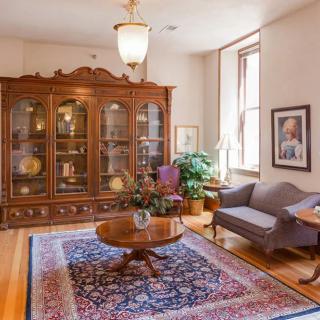
 Indoor common areas
 Joe Foss (4 miles away)
 Ambulatory care
 Diabetic care
 High acuity care
 Meals provided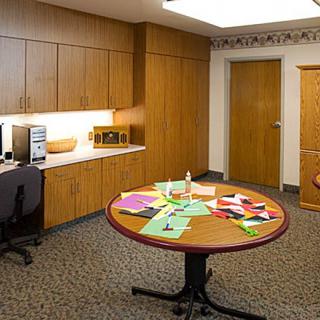



 Is a Geriatric Care Manager the Right Choice for Your Family?
 Compassionate Conversations: How to Comfort Someone Who Is Grieving
 Home Health Care Aides: Understanding Their Role and Supporting Your Family