For more information about senior living options: (866) 208-4318
3.5 from 36 reviews
5 stars
17
4 stars
6
3 stars
2
2 stars
0
1 stars
11
Lake City Scranton Costs & Pricing
In Lake City Scranton, the monthly cost for a private room stands at $3,300, which is notably lower than both the county average of Florence County at $3,933 and the state average for South Carolina at $4,246. This pricing positions Lake City Scranton as a more affordable option within the region, making it an attractive choice for individuals seeking quality care without exceeding their budget. The competitive rates in Lake City Scranton reflect a commitment to providing accessible solutions while maintaining a standard of care that meets residents' needs.
Floor plans
Lake City Scranton
Florence County
South Carolina
Private
$3,300
$3,933
$4,246
Skilled Nursing Facilities with a similar price nearby
Rehab therapy care is a frequent focus in residents and families’ experiences.
Many reviews describe active therapy support, including physical therapy and occupational therapy, with some families highlighting that patients are guided and encouraged during sessions. A few reviews also mention speech therapy involvement, alongside rehab progress and equipment that feels clean. Several reviewers frame therapy as part of recovery after infections or hospital stays, while others discuss overall medical care plus therapy received during a rehab period.
caveat15 reviews mention this
Cleanliness is mixed
Cleanliness reviews range from standout to alarming.
Some families praise daily cleaning and a polished, odor-controlled facility, and a few say rooms are kept clean and mopped or sprayed regularly. Other reviews report strong smells, including urine, as well as issues like soiled bedding and visible neglect, such as concerns about hygiene and bed sore treatment. Overall, residents and families don’t consistently describe cleanliness the same way, with both very positive and very negative accounts showing up.
caveat8 reviews mention this
Communication can be difficult
Communication and phone access are repeatedly criticized.
Several reviews describe trouble getting through by phone, long holds, unanswered calls, or being transferred without follow-up. Other families report the opposite—friendly, responsive staff who answer questions and keep them updated—sometimes mentioning direct calls with updates. Because both experiences appear in the reviews, communication quality seems inconsistent depending on who a family reaches and when.
common5 reviews mention this
Meals get mixed feedback
Food quality is described in both positive and negative terms.
A handful of reviews say meals aren’t bad, with some describing food as good and even comparable to home cooking, including a variety they believe residents enjoy. Others report concerns such as meals needing improvement or food tasting too salty. A few also mention meal-related issues alongside broader care concerns, reinforcing that meal experience isn’t uniform across reviewers.
How we summarize
Counts show how many written reviews mention each theme; a review can touch several themes, and only frequently mentioned themes are displayed.
Features
Types of Care
Skilled Nursing Facility
Transportation
Florence Regional (19 miles away)
Care Services
High acuity care
Nearby Places of Interest
This part of Scranton, South Carolina offers a peaceful and convenient setting for senior living. With several places of worship nearby including the Southern Baptist Convention and Mt Rona Baptist Church, residents can engage in spiritual activities. The Lynches River County Park provides a serene outdoor space for leisurely walks and relaxation. There are also various dining options such as Scranton Cafe and Schoolhouse Bar-B-Que for enjoying meals with friends or family. For healthcare needs, there are several physician offices like Lake City Family Medicine and pharmacies such as Price Wise Pharmacy within a short drive. In case of emergencies, Lake City Community Hospital is conveniently located nearby. Transportation amenities like Enterprise Rent-A-Car and U-Haul make it easy to travel around the area. Overall, this neighborhood offers a blend of tranquility, community services, and convenience for seniors looking to settle down in Scranton.
Places of Worship
Southern Baptist Convention (0.3 miles)
Scranton Methodist Church (0.4 miles)
Wrenn Electric Service (0.4 miles)
Mt Rona Baptist Church (0.4 miles)
St John Holiness Church (1.8 miles)
Cameron Church (2.7 miles)
Grace Free Will Baptist Church (2.9 miles)
Parks
Lynches River County Park (0.4 miles)
Cafes
Scranton Cafe (0.5 miles)
Baker's Sweets Bistro & Bakery (3 miles)
Restaurants
Schoolhouse Bar-B-Que (0.8 miles)
Bojangles' Famous Chicken 'n Biscuits (1.9 miles)
Subway (2.7 miles)
Sonic Drive-In (2.8 miles)
Lake City Shrimper (2.9 miles)
El San Jose of Lake City Mexican Restaurant (2.9 miles)
Domino's Pizza (2.9 miles)
Physicians
Lake City Family Medicine (2.2 miles)
Brown Morris Ii Md (2.2 miles)
McLeod Family Medicine Center Lake City (2.5 miles)
In Lake City Scranton, the monthly cost for a private room stands at $3,300, which is notably lower than both the county average of Florence County at $3,933 and the state average for South Carolina at $4,246. This pricing positions Lake City Scranton as a more affordable option within the region, making it an attractive choice for individuals seeking quality care without exceeding their budget. The competitive rates in Lake City Scranton reflect a commitment to providing accessible solutions while maintaining a standard of care that meets residents' needs.
Hospice care focuses on providing comfort and support for individuals nearing the end of life, with Medicare Part A covering services like nursing care and counseling for patients with a terminal illness and a life expectancy of six months or less. While most hospice services are low-cost for eligible patients, families should be aware that certain expenses, such as room and board, may not be covered.
Caregiver burnout is a common issue resulting from the intense physical, emotional, and mental demands of caregiving, leading to symptoms like fatigue and social withdrawal. To prevent burnout, caregivers should recognize early warning signs and implement self-care strategies, seek support, and prioritize their own well-being alongside that of those they care for.
Caregiver exhaustion, or burnout, stems from the relentless demands of caregiving, leading to emotional and physical depletion characterized by stress, frustration, and neglect of personal needs. Addressing this burden is essential to prevent long-term consequences, with early recognition and support being crucial for caregivers to maintain balance and implement self-care.
Get PricingAsk A QuestionSchedule A TourContact Senior Advisor
By clicking submit, you agree to our Partner's Terms of Use. You
also consent to receive calls and texts, which may be autodialed, from our Partner. Your consent is not a condition to
using our Partner's service. Please visit our Partner's Privacy Policy for information about their privacy practices.

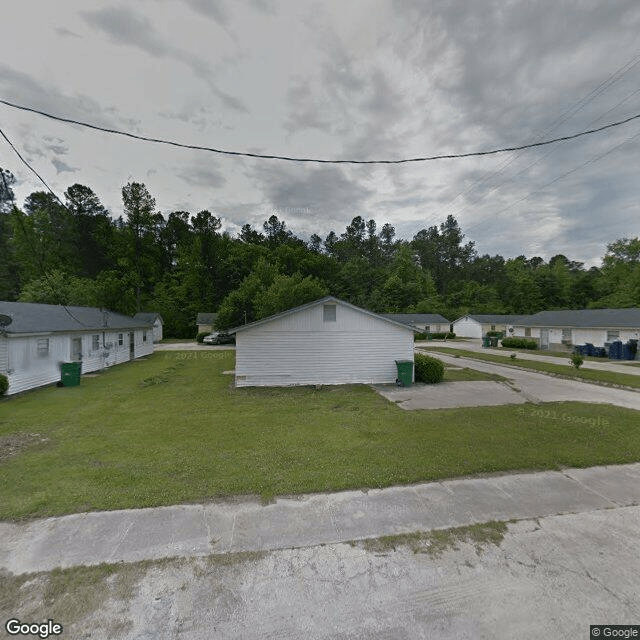
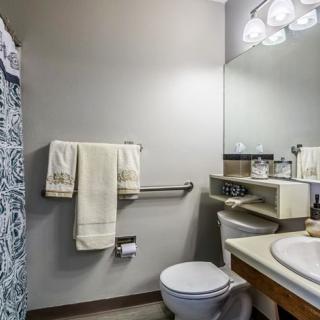
 Skilled Nursing Facility
 Florence Regional (19 miles away)
 High acuity care
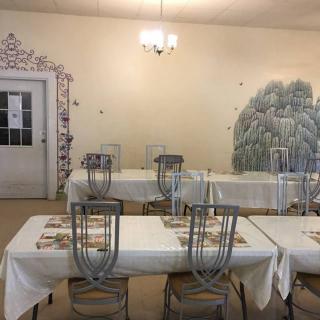
 Caring staff and active therapy team fostering a sense of community.


 Comprehensive Guide to Medicare Coverage for Hospice Care
 Caring for Those Who Care: Recognizing, Understanding, and Overcoming Caregiver Burnout
 Caregiver Exhaustion: Recognizing the Signs and Restoring Your Well-Being