2100 Twin Church Road, Florence, SC 29501
For more information about senior living options: (866) 208-4318
The Manor Costs & Pricing
The Manor offers a private room at a monthly cost of $4,500, positioning it above the state average of $4,246 and significantly higher than the county's average of $3,933 in Florence County. This pricing reflects The Manor's commitment to providing high-quality care and amenities tailored to its residents' needs. While it is essential to consider budgetary constraints when evaluating long-term care options, The Manor's facilities and services undoubtedly cater to those seeking an elevated standard of living within a supportive environment. As such, potential residents and their families may find value in the comprehensive care that justifies this premium expenditure compared to other local alternatives.
| Floor plans | The Manor | Florence County | South Carolina |
|---|---|---|---|
| Private | $4,500 | $3,933 | $4,246 |
Overall Review of The Manor
Pros
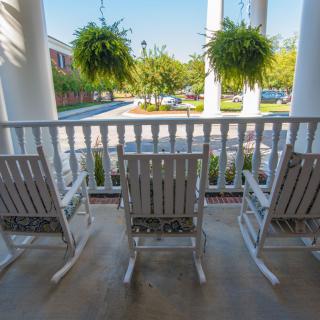
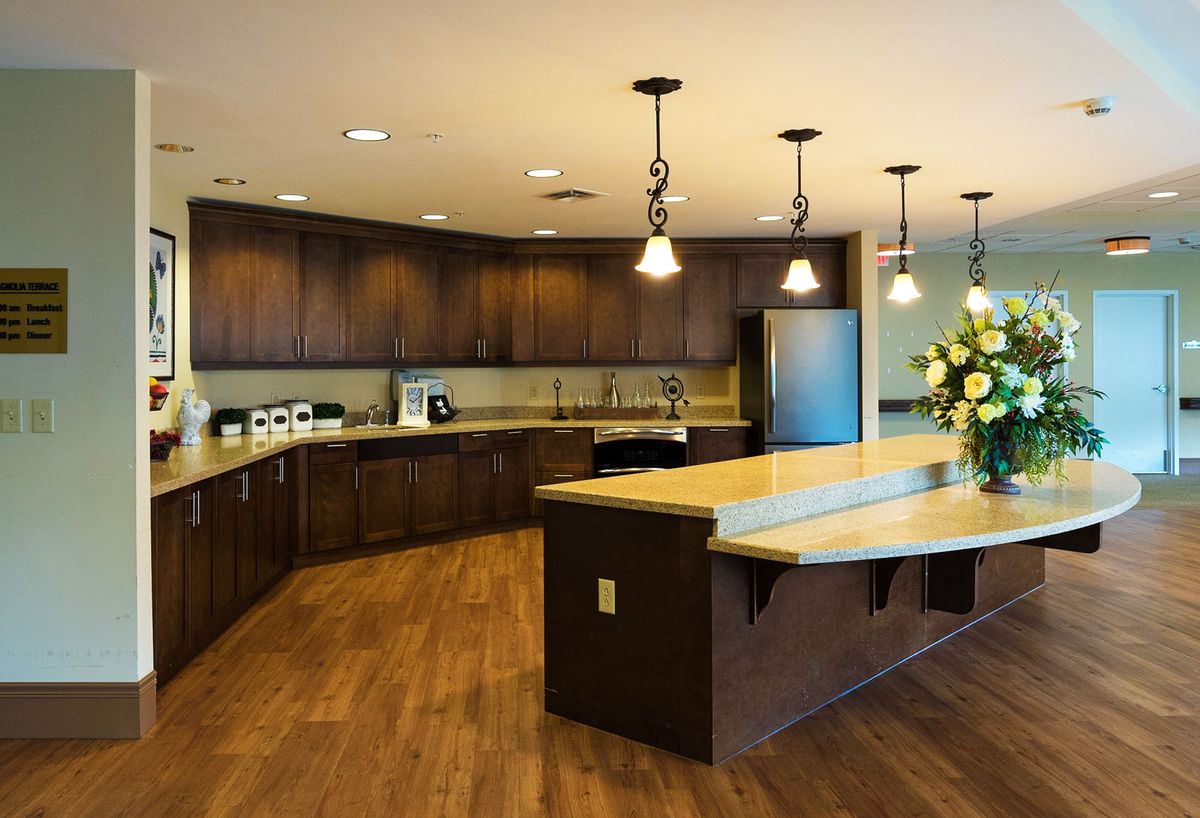
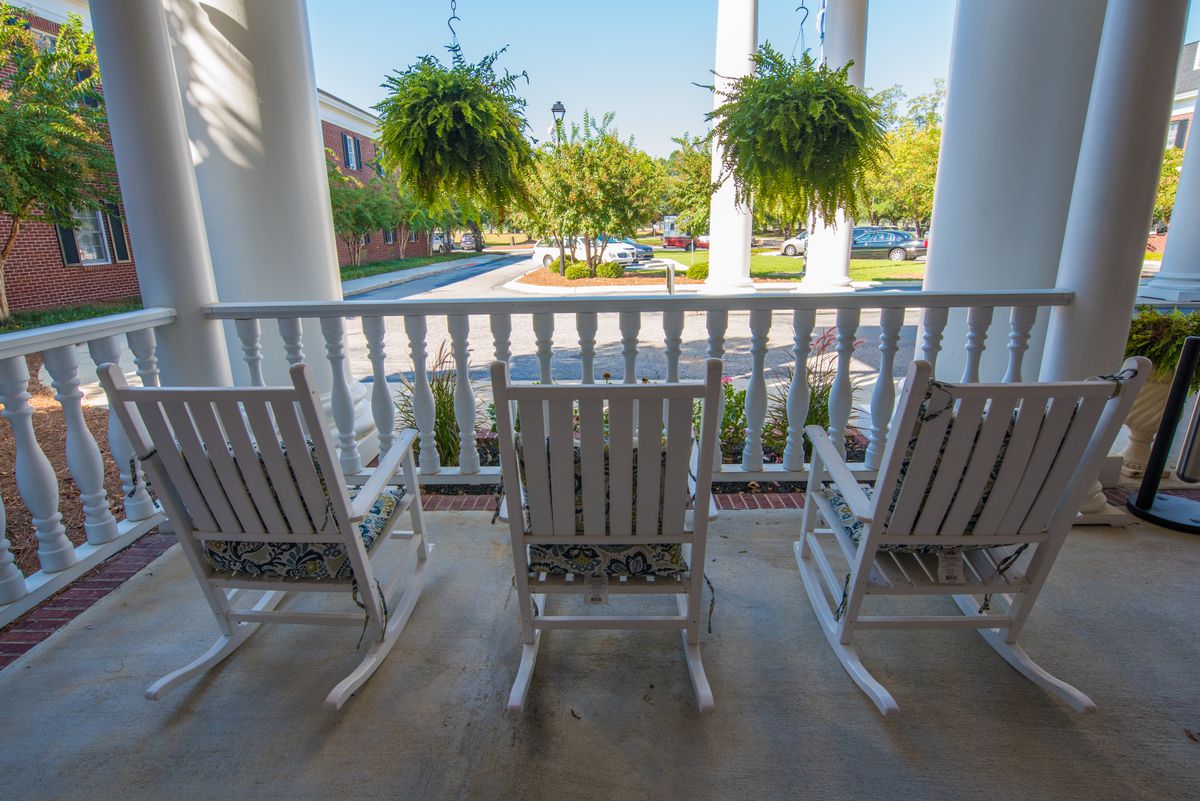
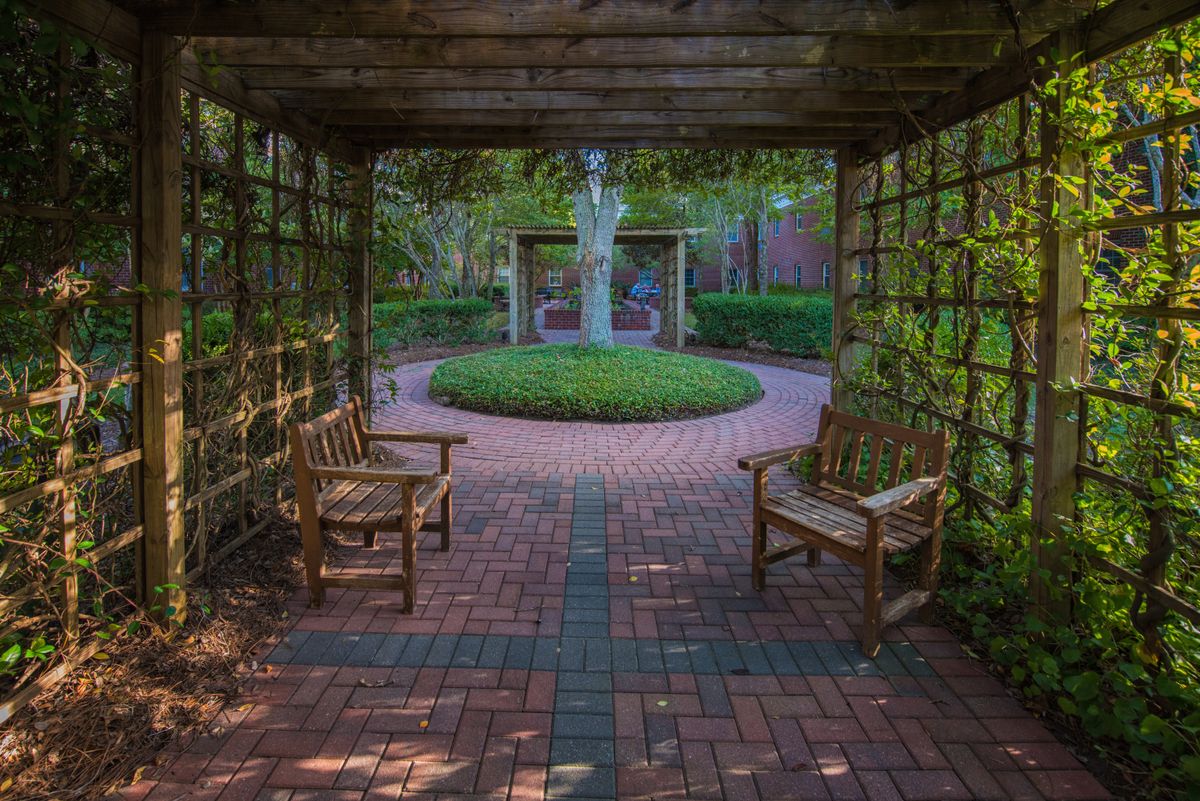
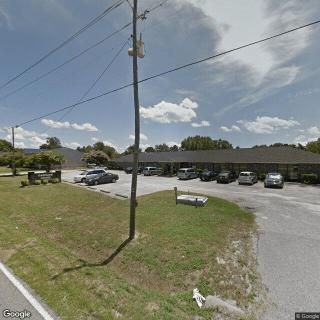
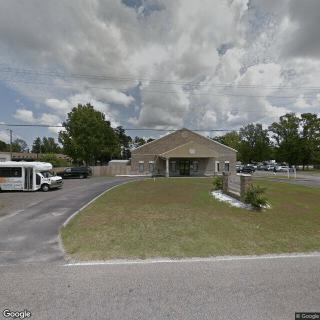
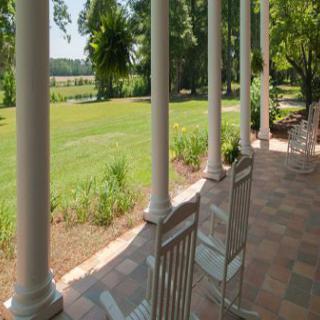
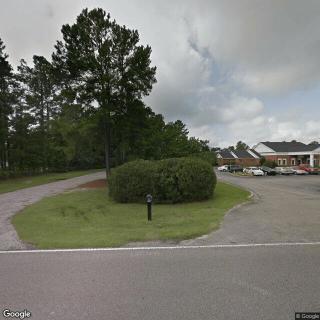
 The Manor is beautiful and features a gazebo, a movie/activity room, and a nice chapel.
- The staff consistently makes a good impression, and the grounds are nicely landscaped.
- The Manor offers multiple care stages, from independent living to skilled nursing.
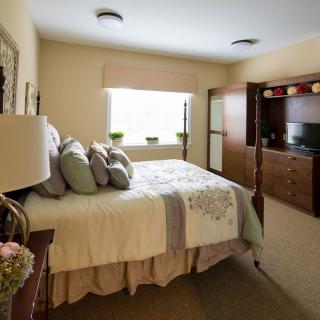
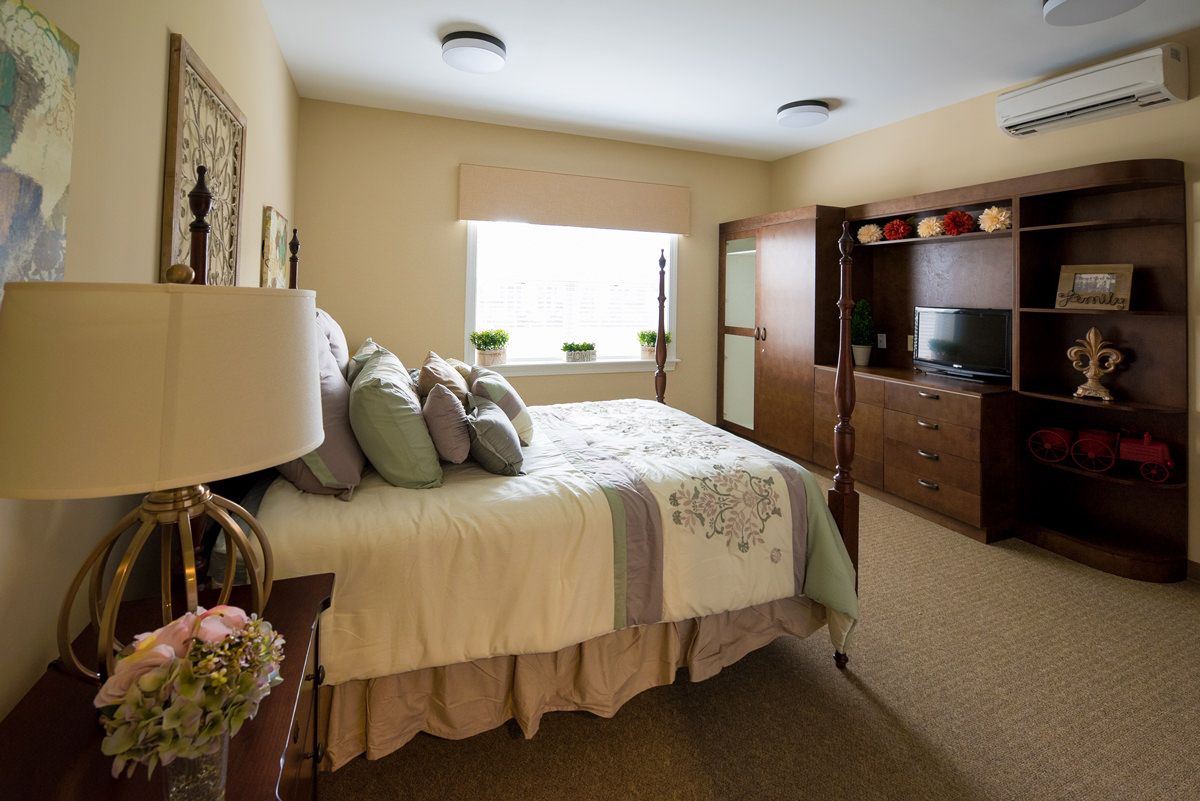
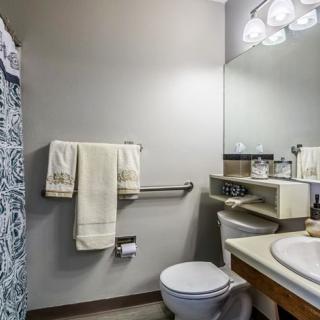
- The rooms are light and airy, especially after remodeling.
- The staff are excellent and have a good reputation.
- Methodist Manor provides end-to-end care, including skilled nursing.
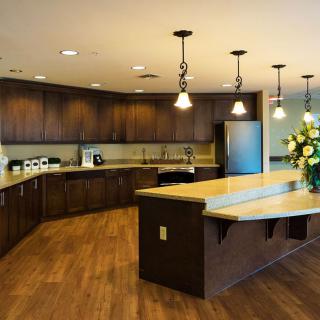
- The facility includes a gym, an activity room, dining rooms, and a bistro.
- The food is good and residents have plenty of activities to enjoy most of the time.
- The professional staff provide strong support and a positive attitude toward residents.
- Methodist is a continuum-care community that supports residents from independent living to nursing.
Cons
 Upper management was unresponsive and rude.
Review
The Manor in Florence, SC is best suited for families seeking a true continuum-care community where a loved one can transition smoothly from independent living to assisted living and skilled nursing without relocating to a new campus. It works well for seniors who prize a homey, move-in-ready environment with on-site dining, a church on grounds, and a busy social calendar. The property’s beauty, well-kept grounds, and a remodeled, light-filled layout with separate living clusters give residents a sense of independence within a supported framework. For couples or siblings planning care that evolves over time, The Manor offers a practical, all-in-one solution.
Those who may want to consider alternatives include families prioritizing consistently proactive leadership and issue resolution from the top levels of management. Several reviewers point to kind, attentive frontline staff, but describe upper management as unresponsive or even rude, which can erode confidence during disputes or care changes. Potential residents who place a premium on seamless administrative communication, transparent decision-making, and highly proactive governance should compare other communities where leadership tracks resident and family concerns more consistently. Also noted is a wish for enhancements such as a swimming pool or additional wellness amenities, which might steer some buyers toward campuses with more expansive fitness options.
The strongest positives here are the breadth of care options, the built-in amenities, and the dining and activity culture. The Manor offers independent living, assisted living tiers, and skilled nursing in a setting that feels cohesive rather than fragmented. Remodeled units, light, airy spaces with multiple window configurations, help residents retain a sense of home. The on-site chapel, a library, and the “home-like” atmosphere, plus a dedicated staff reputation for reliability, support sustained social engagement. Dining is described as restaurant-like, with menu choices and a chef on site, and residents routinely access transportation to appointments, shopping, and cultural outings, which lowers isolation and preserves autonomy.
The main drawback centers on leadership responsiveness rather than the quality of caregiving or the basic facilities. Front-line staff are consistently praised for kindness and professionalism, and the continuum of care reduces the upheaval of moving as needs change. However, the perception that upper management is unresponsive can complicate long-term planning, especially when power to adjust services or address concerns quickly is required. Reviews also note that one star on the ratings signals a meaningful dissatisfaction that may reflect a broader pattern for some families, underscoring the importance of directly testing communication channels during tours and trial periods.
When weighing the pros against the cons, the offset is substantial but uneven. The ability to move from independent living into assisted living and nursing on the same campus addresses a common aging-in-place goal and minimizes relocations for a spouse or family. The robust social calendar, accessible transportation, and superior meals provide daily life quality that can compensate for less-than-ideal governance experiences if leadership proves responsive after a concern is raised. The on-site amenities, gazebo, movie and activity rooms, chapel, church, and a visible emphasis on community life, deliver a compelling sense of belonging that can temper frustrations with administrative procedures.
Decision-makers should approach this community with a clear plan: verify current leadership responsiveness by speaking with multiple staff members, request direct contact with a care liaison who can translate needs into service adjustments, and outline expectations for issue resolution and transparency. For families prioritizing an all-in-one continuum care, strong dining, and a social environment, The Manor stands out as a practical, well-rounded choice. Those who cannot tolerate inconsistent leadership or who require highly proactive governance from the top should compare other campuses with reputations for steadier administrative engagement and more expansive wellness facilities.
In practical terms, The Manor is advisable for seniors who value a home-like setting, quality meals, and a full spectrum of care that can evolve without moving to a new campus. Pros like a remodeled, light-filled living environment, attentive front-line staff, and abundant activities are meaningful advantages that frequently offset the shortcomings tied to management dynamics. Prospective residents should enter with a plan to test leadership responsiveness, confirm the precise level of care needed now and projected, and assess whether the on-site social and dining programs align with personal rhythms and preferences. With careful vetting, the community offers a compelling path to aging in place with dignity, independence, and continuous companionship.
 52 resident community capacity
 Assisted Living
 Continuing Care Retirement Community (CCRC)
 Independent Living
 Memory Care
 Air-conditioning
 Beauty salon
 Cable or satellite TV
 Computer center
 Fitness room
 Fully furnished
 Gaming room
 Garden
 Housekeeping services
 Kitchenette
 Move-in coordination
 Outdoor space
 Private bathrooms
 Restaurant-style dining
 Small library
 Telephone
 Wellness center
 Wi-Fi/high-speed internet available
 Florence Regional (8 miles away)
 Community operated transportation
 24-hour call system
 Activities of daily living assistance
 Assistance with bathing
 Assistance with dressing
 Assistance with transfers
 Diabetes diet
 Medication management
 Special dietary restrictions
 Concierge services
 Planned day trips



 A Detailed Exploration of Assisted Living Medicaid Waivers Across the United States
 Exploring the Contrasts Between Assisted Living and Skilled Nursing
 Vibrant Senior Living: A Comprehensive Guide for Active Older Adults