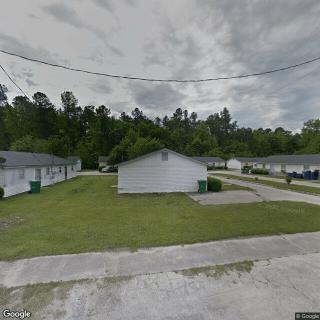
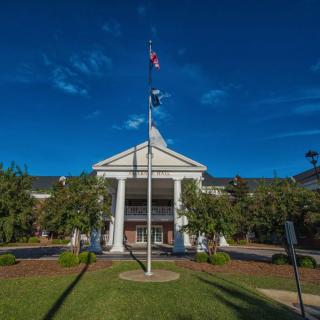
Dr Ronald E Mcnair Nursing & Rehabilitation Center

56 Genesis Drive, Lake City, SC 29560

For more information about senior living options: (844) 490-3973

2.3 from 12 reviews
5 stars
3
4 stars
0
3 stars
0
2 stars
3
1 stars
6

Skilled Nursing Facility

What level of care are you interested in?

Assisted Living

Memory Care

Independent Living

Skilled Nursing Facility

Continuing Care Retirement Community (CCRC)CCRC

Other


Request a tour at Dr Ronald E Mcnair Nursing & Rehabilitation Center

    Overall Review of Dr Ronald E Mcnair Nursing & Rehabilitation Center

    Pros

    • pro Staff go above and beyond to take care of residents.
    • pro The food is delicious country cooking made from scratch.
    • pro They strive daily to make residents' lives as comfortable as possible.

    Cons

    • pro The facility does not deserve a single star and needs a lot of work, including pest control and cleaner rooms.
    • pro The state should sweep through the facility because the rooms aren't kept clean and are very nasty.
    • pro The facility is a very bad place; DSS should inspect and loved ones should not be sent there.
    • pro Upper management is rude and disrespectful; some staff curse at residents for no reason; the place should be shut down.
    • pro A resident has not had hot water for five days, with delays in plumbing and only a basin of warm water offered for bathing - neglect.
    • pro During a respite stay, the resident's mouth wasn't cleaned, a bed sore developed, and medicine wasn't given properly.
    • pro The claim that staff are just getting paid to drug the patients and neglect proper care.

    Review

    The collection of comments paints a facility that is undeniably mixed in how residents are cared for. On one hand, there are those who say staff members treat residents like family, going above and beyond to make daily life comfortable. They point to a culture of warmth and personal attention, with daily efforts to support residents' comfort and well-being. There is even praise for the kitchen, described as serving delicious country cooking made from scratch, which suggests that at least some routines feel nurturing and home-like. This perspective emphasizes kindness, effort, and a sense that some caregivers genuinely care about the people they are serving.

    But a large portion of the feedback veers sharply negative, arguing that the facility falls seriously short in essential areas. Critics say the place "doesn't deserve a one star," and they call for pest control and a thorough clean-up. They describe rooms where patients reside as not being kept clean, with conditions that are "very nasty." The call is for a state-level intervention, with phrases like that a state sweep is needed to address what they see as ongoing neglect and hygiene problems. The tone here is urgent and alarmed, suggesting that the negative experiences are not isolated incidents but a systemic issue that affects daily living conditions.

    Several comments escalate to a life-or-death level of concern, using emphatic warnings about safety and oversight. One reviewer declares in all-caps that "THIS IS A VERY BAD PLACE TO BE IN" and urges that DSS (or a similar agency) come in to review everything. They advise that anyone who loves their loved ones should not send them there, highlighting a fear that safety and dignity are being compromised. The underlying message is clear: for some families, the facility represents a place of risk rather than a place of care, and the protective instinct to move a relative elsewhere is strong.

    Another voice focuses specifically on leadership and behavior from staff, describing upper management as rude and disrespectful, with reports of some staff members cursing at residents for no reason. The critic goes so far as to say the place should be shutdown, underscoring a belief that governance and accountability are missing. Taken with the other complaints, this paints a portrait of a facility where expectations of professional conduct and respectful treatment are not consistently met, at least from the perspective of these residents and their families.

    There are also concrete, firsthand concerns about neglect and maintenance that have a personal, urgent bite. A friend visiting a resident in rehab after a fall reports not having hot water in the room for five days, with only promises of a plumber and a temporary basin of warm water. The account asks how to contact the right channels to address this alleged neglect, signaling a perception that basic amenities and timely repairs are not being reliably provided to residents who depend on staff to meet even the most fundamental needs.

    In a separate, particularly troubling case, a family recounts a seven-day respite stay for a mother where the visitor found ongoing issues that suggested neglect. They describe having to intervene to clean a resident's mouth, noting that she appeared to have no dental care for days and eventually developed a bed sore. The account claims the patient arrived without sores but left with one, and accuses staff of not administering medications properly. The family also suggests that residents may be "being paid to drug the patients and go on about their business," a charge that calls into question the integrity of care and the thoroughness of medical attention.

    Overall, the narratives together present a complex picture: there are clearly dedicated staff members who show genuine care and a kitchen that provides comforting meals, yet there are persistent, serious complaints about cleanliness, maintenance, safety, respectful treatment, and the reliability of medical and daily-care routines. The more alarming voices argue for immediate oversight and intervention, while others emphasize the personal warmth and effort they have witnessed. For families with loved ones in this facility, the message is a stark reminder to stay vigilant: visit often, monitor hygiene and care closely, advocate for residents, and be prepared to engage with authorities if concerns persist.

    In the end, the balance of feedback suggests a place where good intentions and hard-working staff can exist alongside significant systemic problems. The calls for pest control, better housekeeping, reliable hot water, timely maintenance, consistent medication administration, and respectful behavior from leadership all point to a shared desire for a higher standard of care. The takeaway for readers is clear: if you have a loved one there, regular involvement and proactive questioning about daily care are essential, and escalation to state agencies or other protective resources may be necessary when gaps in safety and quality are observed.

    Features

    Housing

    • 88 resident community capacity 88 resident community capacity

    Types of Care

    • Skilled Nursing Facility Skilled Nursing FacilitySkilled Nursing Facilities are crucial for seniors as they provide round-the-clock medical care, rehabilitation services, and assistance with daily activities. These facilities ensure that seniors receive the specialized care they need to maintain their health and well-being as they age.

    Amenities

    • Air-conditioning Air-conditioningAir conditioning is important for seniors as they are more vulnerable to heat-related illnesses and may have underlying health conditions that make it difficult for them to regulate their body temperature. It helps to keep them comfortable, safe, and healthy in hot weather.
    • Beauty salon Beauty salonBeauty salons are important for seniors because they provide a space for them to feel pampered, socialize, and maintain their personal grooming and hygiene. Regular visits to a beauty salon can help boost seniors' self-esteem and overall well-being.
    • Cable or satellite TV Cable or satellite TVCable or satellite TV is important for seniors because it provides entertainment, news, and companionship, helping to combat loneliness and boredom. It also offers a wide range of programming options tailored to different interests and preferences.
    • Computer center Computer centerA computer center is essential for seniors as it provides access to technology, communication tools, and resources that can enhance their daily lives. It allows them to stay connected with loved ones, engage in online activities, and learn new skills, ultimately promoting socialization and mental stimulation.
    • Dining room Dining roomDining rooms are important for seniors as they provide a space for socialization, connection, and nutritious meals. They offer opportunities for residents to bond over shared meals, foster a sense of community, and promote healthy eating habits. Dining rooms also ensure that seniors have access to well-balanced meals tailored to their dietary needs and preferences.
    • Fitness room Fitness roomHaving a fitness room in a senior living community is essential for seniors to stay active, maintain their physical health, and improve their overall well-being. Regular exercise can help prevent falls, reduce the risk of chronic diseases, and promote mental sharpness. It also provides social opportunities for residents to connect with others and enjoy a sense of community.
    • Fully furnished Fully furnishedFully furnished senior living communities are important for seniors because they provide convenience, comfort, and a hassle-free moving experience. Seniors can easily settle into their new living space without the stress of having to buy and move furniture. This allows them to focus on enjoying their new home and community.
    • Gaming room Gaming roomGaming rooms are important for seniors as they provide a fun and engaging environment for socializing, cognitive stimulation, and physical activity. Games can improve memory, problem-solving skills, and overall mental well-being while fostering friendships and reducing feelings of isolation.
    • Garden GardenGardens are important for seniors as they provide a peaceful and therapeutic environment for relaxation, physical activity, and socialization. Being in nature has been shown to reduce stress, improve mood, and promote overall well-being. Gardens also offer opportunities for seniors to engage in gardening activities, which can improve mobility, flexibility, and cognitive function. Additionally, gardens create a sense of community and connection with others who share a passion for plants and outdoor spaces.
    • Housekeeping services Housekeeping servicesHousekeeping services are important for seniors because they help maintain a clean and safe living environment, promote independence, and reduce the risk of accidents or illnesses. Additionally, having assistance with household chores can alleviate physical strain and allow seniors to focus on other aspects of their well-being.
    • Kitchenette KitchenetteKitchenettes are important for seniors living in senior living communities because they provide the convenience and independence of being able to prepare simple meals and snacks in the comfort of their own living space. This can help promote a sense of autonomy and well-being for seniors, allowing them to maintain some level of control over their dietary choices and daily routines.
    • Move-in coordination Move-in coordinationMove-in coordination is important for seniors because it helps ease the transition into their new living environment. It ensures that all logistics, such as packing, organizing movers, and setting up utilities are taken care of, allowing seniors to focus on settling in and adjusting to their new home. Having a smooth move-in process can alleviate stress and anxiety, making the transition smoother and more enjoyable for seniors.
    • Outdoor space Outdoor spaceOutdoor spaces are important for seniors as they provide opportunities for physical activity, social interaction, exposure to natural light and fresh air, and a sense of connection to nature. Having access to outdoor spaces can improve overall well-being and quality of life for older adults living in senior communities.
    • Private bathrooms Private bathroomsPrivate bathrooms are important for seniors in senior living communities because they provide independence, dignity, and comfort. Having a private bathroom allows seniors to maintain their personal hygiene routines without the need for assistance, promoting a sense of autonomy and privacy. Additionally, private bathrooms help prevent the spread of infections and provide a safe and clean environment for seniors to navigate safely.
    • Restaurant-style dining Restaurant-style diningRestaurant-style dining is important for seniors because it allows them to enjoy delicious, nutritious meals in a social and upscale setting. This enhances their dining experience, promotes healthy eating habits, and fosters socialization with fellow residents, ultimately contributing to their overall well-being and quality of life.
    • Small library Small librarySmall libraries are important for seniors as they provide access to a variety of reading materials, including books, newspapers, and magazines. This can help stimulate their minds, keep them engaged, and provide a sense of community through book clubs and other social activities. Additionally, reading has been shown to improve cognitive function and overall mental well-being in older adults.
    • Telephone TelephoneTelephones are important for seniors as they provide a lifeline for communication with loved ones, emergency services, and healthcare providers. They offer a sense of security and independence, enabling seniors to stay connected and access assistance when needed.
    • Wellness center Wellness centerWellness centers are important for seniors because they offer a variety of programs and services that promote physical, mental, and emotional well-being. These centers provide opportunities for exercise, socialization, education, and relaxation, helping seniors maintain their overall health and quality of life.
    • Wi-Fi/high-speed internet available Wi-Fi/high-speed internet availableWi-Fi/high-speed internet is important for seniors to stay connected with loved ones, access online resources, and participate in virtual activities to combat feelings of loneliness and isolation. It also allows them to easily manage healthcare needs, access entertainment, and engage in lifelong learning opportunities.

    Transportation

    • Florence Regional (24 miles away) Florence Regional (24 miles away)
    • Community operated transportation Community operated transportationCommunity operated transportation is crucial for seniors as it provides them with the means to access essential services, social activities, and medical appointments. It allows seniors to maintain their independence and quality of life by ensuring they can participate in activities outside of their homes. Additionally, community-operated transportation services offer a safe and reliable way for seniors to travel without having to rely on family or friends for assistance.
    • Transportation arrangement Transportation arrangementTransportation arrangements are crucial for seniors as they may face challenges with driving, mobility, or access to public transportation. Having reliable transportation services ensures that seniors can easily attend appointments, social activities, and maintain their independence and quality of life.
    • Transportation arrangement (non-medical) Transportation arrangement (non-medical)Transportation arrangements are essential for seniors as they provide access to essential services, activities, and social interactions outside the home. This service helps maintain independence, mobility, and overall well-being for seniors who may have limited transportation options.
    • Transportation to doctors appointments Transportation to doctors appointmentsTransportation to doctors appointments is crucial for seniors as it ensures they have access to necessary medical care and support, promoting their health and well-being. It allows them to receive timely treatment, monitor existing conditions, and address any new health concerns efficiently. Additionally, transportation services can help seniors maintain their independence and quality of life by enabling them to stay connected with their healthcare providers.

    Care Services

    • 12-16 hour nursing 12-16 hour nursing12-16 hour nursing care is crucial for seniors in order to ensure around-the-clock monitoring, timely medication administration, and prompt response to any health concerns or emergencies. This level of care helps to promote the overall well-being and safety of seniors living in senior living communities.
    • 24-hour call system 24-hour call system24-hour call systems are important for seniors because they provide peace of mind and immediate assistance in case of emergencies. This technology ensures that help is always available, promoting safety and security for elderly individuals living alone or in assisted living facilities.
    • 24-hour supervision 24-hour supervision24-hour supervision is important for seniors to ensure their safety, well-being, and access to immediate assistance in case of emergencies or health issues. This constant support provides peace of mind for both seniors and their loved ones, allowing them to age in place with dignity and security.
    • Activities of daily living assistance Activities of daily living assistanceActivities of daily living assistance are important for seniors because they provide essential support with tasks such as eating, bathing, dressing, and mobility. This assistance helps seniors maintain their independence, dignity, and overall quality of life as they age.
    • Assistance with bathing Assistance with bathingAssistance with bathing is crucial for seniors as it helps maintain personal hygiene, prevents infections, and ensures their overall well-being and comfort. It also provides a sense of dignity and independence for seniors who may struggle with this task on their own.
    • Assistance with dressing Assistance with dressingAssistance with dressing is important for seniors because it helps maintain their independence, promotes personal hygiene, prevents accidents and injuries, and improves overall quality of life. This service ensures that seniors can continue to dress comfortably and confidently, despite any physical limitations they may have.
    • Assistance with transfers Assistance with transfersAssistance with transfers is crucial for seniors as it helps prevent falls and injuries, maintains their independence, and ensures they can safely navigate their living environment. It also provides peace of mind for both seniors and their loved ones.
    • Diabetes diet Diabetes dietA diabetes diet is crucial for seniors as it helps manage blood sugar levels, reduce risks of complications, and improve overall health and well-being. By following a balanced and nutritious diet tailored to their specific needs, seniors can better control their diabetes and enhance their quality of life.
    • Meal preparation and service Meal preparation and serviceMeal preparation and service are crucial for seniors as they may have limited mobility or energy to cook nutritious meals. Having access to healthy and convenient food options can ensure they are getting the proper nutrition needed to maintain their overall health and well-being.
    • Medication management Medication managementMedication management is crucial for seniors to ensure they are taking the right medications at the correct dosages and times. This helps prevent adverse drug interactions, reduces the risk of medication errors, and promotes overall health and well-being. Proactive management also allows for adjustments as needed based on changing health conditions or new prescriptions.
    • Mental wellness program Mental wellness programMental wellness programs are essential for seniors as they promote cognitive stimulation, emotional support, and social engagement. These programs help prevent isolation, depression, and cognitive decline, ultimately enhancing the overall quality of life for older adults.
    • Special dietary restrictions Special dietary restrictionsSpecial dietary restrictions are important for seniors because age-related changes in metabolism and health conditions can make it difficult for their bodies to process certain foods. By following a diet tailored to their specific needs, seniors can maintain their overall health and well-being, manage chronic conditions, and reduce the risk of complications such as malnutrition or food interactions with medications.

    Dining

    • Diabetes diet Diabetes dietA diabetes diet is crucial for seniors as it helps manage blood sugar levels, reduce risks of complications, and improve overall health and well-being. By following a balanced and nutritious diet tailored to their specific needs, seniors can better control their diabetes and enhance their quality of life.
    • Special dietary restrictions Special dietary restrictionsSpecial dietary restrictions are important for seniors because age-related changes in metabolism and health conditions can make it difficult for their bodies to process certain foods. By following a diet tailored to their specific needs, seniors can maintain their overall health and well-being, manage chronic conditions, and reduce the risk of complications such as malnutrition or food interactions with medications.

    Activities

    • Community-sponsored activities Community-sponsored activitiesCommunity-sponsored activities are important for seniors as they provide opportunities for social interaction, mental stimulation, and physical activity. These activities can help improve overall well-being, combat loneliness and isolation, and promote a sense of belonging and purpose among older adults.
    • Concierge services Concierge servicesConcierge services are essential for seniors as they provide assistance with daily tasks and errands, enhance their quality of life by offering convenience and personalized care, and promote a sense of safety and security.
    • Fitness programs Fitness programsFitness programs are crucial for seniors as they help improve strength, flexibility, balance, and overall well-being. Staying active can reduce the risk of chronic diseases, improve mental health, and enhance quality of life in older adults.
    • Planned day trips Planned day tripsPlanned day trips are important for seniors because they offer opportunities for socialization, mental stimulation, and physical activity. They provide a change of scenery and help seniors stay engaged and connected to their community, promoting overall well-being and quality of life.
    • Resident-run activities Resident-run activitiesResident-run activities are important for seniors as they encourage social interaction, creativity, and a sense of autonomy. These activities empower seniors to stay engaged and active in their community while fostering meaningful connections with their peers.
    • Scheduled daily activities Scheduled daily activitiesScheduled daily activities are important for seniors because they provide structure, socialization, mental stimulation, and physical activity. Engaging in regular activities can improve overall well-being and quality of life for seniors living in a community setting.

    Description

    The Dr Ronald E McNair Nursing & Rehabilitation Center in Lake City, SC offers a comprehensive range of amenities and care services to meet the needs of its residents. The community features a beauty salon, allowing residents to easily access hair and beauty services. Each resident can enjoy watching their favorite TV shows with the cable or satellite TV provided in their rooms. Community-operated transportation is available for residents who need assistance getting around, whether it be for scheduled activities or medical appointments.

    For those who want to stay connected in the digital age, there is a computer center equipped with Wi-Fi/high-speed internet access. Meals are served in a spacious dining room where residents can enjoy restaurant-style dining. For those who like to stay active, there is a fitness room where residents can participate in exercise programs at their own pace.

    The nursing and rehabilitation center offers fully furnished accommodations with private bathrooms and housekeeping services provided. There is also a gaming room and small library for leisure activities and mental stimulation. Move-in coordination is offered to make the transition into the community as smooth as possible.

    Residents' health needs are well taken care of by the facility's 24-hour call system and supervision. Assistance with daily living activities such as bathing, dressing, and transfers is available around-the-clock. The staff also provides medication management and supports special dietary restrictions, including diabetes diets.

    The community organizes various activities to keep residents socially engaged and entertained. These include planned day trips, resident-run activities, and scheduled daily activities. Concierge services are available to cater to individual preferences and requirements.

    In terms of local amenities and conveniences nearby, there are cafes, pharmacies, physicians' offices, restaurants, transportation options, places of worship, and hospitals all within close proximity to the nursing home.

    Overall, the Dr Ronald E McNair Nursing & Rehabilitation Center offers a well-equipped assisted living community that prioritizes residents' comfort and well-being while providing comprehensive care services to meet their individual needs.

    Nearby Places of Interest

    Physicians

    • Graham Clinic Pa (0.2 miles)
    • Elm Pediatrics (3.4 miles)
    • Lake City Medical Clinic (3.6 miles)
    • Pee Dee Family Practice (3.7 miles)
    • Palmetto Primary Care (3.7 miles)
    • Hopehealth In Lake Cit (3.7 miles)
    • Live Oak Medical Center (3.8 miles)

    Places of Worship

    • Greater Saint Stephen Baptist Church (1.9 miles)
    • Saint John United Methodist Church (2.2 miles)
    • Lake City Church of Christ (2.2 miles)
    • Lake City Pentecostal Holiness Church (2.6 miles)
    • Mega-Force Church (3.2 miles)
    • Central Holliness Church (3.4 miles)
    • Grace Free Will Baptist Church (3.5 miles)

    Pharmacies

    • CVS Pharmacy (3.2 miles)
    • M & D Drug Co. (3.6 miles)
    • The Medicine Cabinet (3.7 miles)
    • Price Wise Pharmacy (3.9 miles)
    • Black River Pharmacy (10.7 miles)

    Transportation

    • U-Haul Moving & Storage (3.5 miles)
    • Enterprise Rent-A-Car (3.7 miles)
    • U-Haul Neighborhood Dealer (9.4 miles)

    Restaurants

    • Lake City Shrimper (3.5 miles)
    • Domino's Pizza (3.5 miles)
    • El San Jose of Lake City Mexican Restaurant (3.6 miles)
    • Jarrito's Family Mexican Restaurant (3.7 miles)
    • Sonic Drive-In (3.7 miles)
    • Green Frog Restau (3.7 miles)
    • Piggybacks BBQ & Catfish (3.7 miles)

    Cafes

    • Baker's Sweets Bistro & Bakery (3.6 miles)
    • Scranton Cafe (6.3 miles)
    • Cafe On Academy (12.2 miles)

    Hospitals

    • Lake City Community Hospital (3.8 miles)

    Parks

    • Lynches River County Park (6.4 miles)

    Frequently Asked Questions

    Where is Dr Ronald E Mcnair Nursing & Rehabilitation Center?

    Nearby Communities

    Skilled Nursing Facility in Nearby Cities

    Related Resources

    • private pay home careA Closer Look at Private Pay Home Care

      Private pay home care offers a flexible caregiving option for older adults and families who don't qualify for government programs, allowing them to directly fund in-home care services that range from daily assistance to specialized support. This model's customization potential enables aging in place while addressing financial considerations through strategic planning options, though clients must navigate marketplace challenges and ensure quality compliance.

    • what to do for arthritisComprehensive Approaches for Arthritis: A Detailed Guide to Symptoms, Causes, and Care

      Arthritis encompasses over 100 joint disorders affecting people of all ages, leading to symptoms like pain and stiffness that impair mobility and quality of life. Effective management involves early diagnosis, lifestyle changes, medical treatments, emotional support, and ongoing monitoring with healthcare professionals.

    • elderly fall preventionComprehensive Insights and Practical Strategies to Help Older Adults Avoid Falls

      The article highlights the high risk of falls among older adults due to factors like muscle weakness, vision issues, and environmental hazards, with one in four experiencing a fall annually. It advocates for a comprehensive prevention approach that includes exercise, home safety modifications, medication management, social support, and caregiver involvement.


    Get Pricing Ask A Question Schedule A Tour Contact Senior Advisor