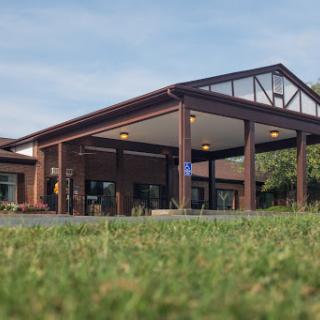
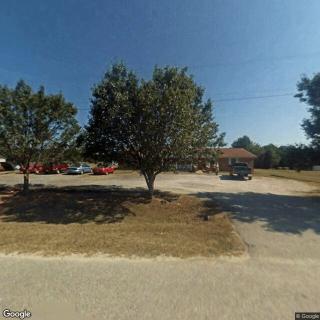
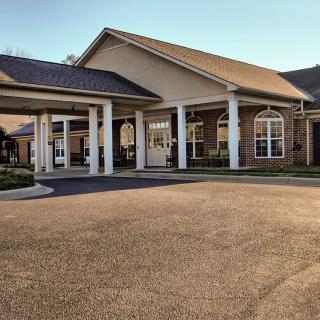
Lancaster Convalescent Center in Lancaster, SC

Information last verified:

2044 Pageland Highway, Lancaster, SC 29720

For more information about senior living options: (844) 490-3973

3.6 from 43 reviews
5 stars
26
4 stars
2
3 stars
0
2 stars
1
1 stars
14

Overall Review of Lancaster Convalescent Center

Pros

  • pro Rehabilitation has helped the reviewer tremendously, and they would recommend this place to anyone needing therapy.
  • pro The facility is very clean, and the staff are extremely helpful and attentive to residents' needs.
  • pro Residents speak about enjoying therapy and are excited about the daily activities.
  • pro Administration is seen frequently throughout the building, checking on residents' and staff's needs and helping where there is a need.
  • pro The reviewer’s mother, who was there for five years with dementia, was well taken care of and always treated well.
  • pro The facility is nice and clean, and staff strive to help everyone.
  • pro The staff were attentive, respectful, and formed genuine connections with the people they cared for.
  • pro The facility has a warm, home-like atmosphere and is well-maintained.
  • pro Lancaster Rehab has created a safe and supportive environment that promotes dignity and quality of life.

Cons

  • pro This facility is awful and is not fit for humans.
  • pro The center is filthy.
  • pro They allowed a bed sore to develop on his hip and didn’t inform the family.
  • pro The worst part was they performed more than one surgery on the sore without consent.
  • pro They falsely documented that they notified the family.
  • pro It’s dangerous in more ways than one.
  • pro A patient was found covered in feces crying for attention, and the staff walked right past without compassion.
  • pro The nurses, for the most part, did not want to do their jobs.
  • pro There were bed bugs in the rooms and roaches on the meal carts.
  • pro The facility was slack and disorganized; all the staff were described as slack.
  • pro The staff did not care about their patients.
  • pro The facility was not clean, with dirty trays of food lined up in the hallways.

Review

Lancaster Convalescent Center is best suited for families seeking rehabilitation and dementia-focused care in a clean, home-like environment where therapy sits at the center of the program and management makes the rounds. When the staff levels are reliable, residents benefit from responsive nursing care, engaging activities, and a facility that feels well-kept and orderly. It can be an especially solid fit for those prioritizing strong rehab services aimed at returning a loved one home, and for families who value daily administrator visibility and a personable, resident-centered culture.

The strongest positives consistently point to the rehab-centric chemistry: dedicated therapy teams driving strength and mobility improvements, nurses and aides who respond promptly, and a climate where residents participate in activities and feel known. Several reviews praise the facility’s cleanliness and homey atmosphere, with well-maintained common areas and tidy rooms. Families also highlight nutritious meals tailored to dietary needs and a willingness from staff to involve relatives in care planning. In the best cases, dementia care is described as attentive, with long-time residents who are familiar with caregivers and routines, contributing to a sense of stability during recovery or long-term stays.

Yet the strongest warnings come from a very different spectrum of experiences. A sizable portion of reviews paints a picture of understaffing and inconsistent service, where delays, missed medications, and insufficient supervision are the norm rather than the exception. Grave concerns include bedsores, poor hygiene lapses, and in some accounts, the appearance of neglect or even harm. Instances of roaches or bed bugs, missing or stolen belongings, and miscommunications about treatments or procedures are cited with alarming frequency in the most critical reports. Such conflicting experiences create a real risk calculus: the same facility that can deliver strong therapy outcomes and a pleasant daily environment can, in other shifts, expose residents to significant safety and dignity compromises.

When weighing pros against cons, the rehab and resident-centered strengths cannot fully erase the weight of the serious safety and consistency gaps described by many families. For a resident whose primary goal is restoration and discharge to home, the positive therapy outcomes and clean, welcoming atmosphere may offset some concerns, provided staffing holds steady and care standards do not slip. For those needing ongoing, predictable, and tightly managed care, especially in dementia or post-acute populations, the risks tied to staffing fluctuations and reported safety lapses argue strongly for careful consideration of alternatives or at least a rigorous, pre-move due diligence process.

Families considering alternatives should prioritize facilities with demonstrably stable staffing, transparent incident reporting, and consistently high marks for safety and respect. If Lancaster is on the shortlist, plan for a proactive, hands-on approach: tour with multiple staff members, request detailed care plans and therapy schedules, review the most recent quality and safety data, and ask current residents and families about their day-to-day experiences. Demand clear answers about pressure ulcers prevention, medication administration, infection control, and how concerns are escalated and resolved. In the decision-making calculus, Lancaster Convalescent Center can be a strong fit for rehab-first care and a warm, well-kept setting, but only if a robust, reliable staffing and safety framework is clearly in place and sustained.

Features

Housing

  • 142 resident community capacity 142 resident community capacity

Types of Care

  • Skilled Nursing Facility Skilled Nursing FacilitySkilled Nursing Facilities are crucial for seniors as they provide round-the-clock medical care, rehabilitation services, and assistance with daily activities. These facilities ensure that seniors receive the specialized care they need to maintain their health and well-being as they age.

Amenities

  • Air-conditioning Air-conditioningAir conditioning is important for seniors as they are more vulnerable to heat-related illnesses and may have underlying health conditions that make it difficult for them to regulate their body temperature. It helps to keep them comfortable, safe, and healthy in hot weather.
  • Beauty salon Beauty salonBeauty salons are important for seniors because they provide a space for them to feel pampered, socialize, and maintain their personal grooming and hygiene. Regular visits to a beauty salon can help boost seniors' self-esteem and overall well-being.
  • Cable or satellite TV Cable or satellite TVCable or satellite TV is important for seniors because it provides entertainment, news, and companionship, helping to combat loneliness and boredom. It also offers a wide range of programming options tailored to different interests and preferences.
  • Computer center Computer centerA computer center is essential for seniors as it provides access to technology, communication tools, and resources that can enhance their daily lives. It allows them to stay connected with loved ones, engage in online activities, and learn new skills, ultimately promoting socialization and mental stimulation.
  • Dining room Dining roomDining rooms are important for seniors as they provide a space for socialization, connection, and nutritious meals. They offer opportunities for residents to bond over shared meals, foster a sense of community, and promote healthy eating habits. Dining rooms also ensure that seniors have access to well-balanced meals tailored to their dietary needs and preferences.
  • Fitness room Fitness roomHaving a fitness room in a senior living community is essential for seniors to stay active, maintain their physical health, and improve their overall well-being. Regular exercise can help prevent falls, reduce the risk of chronic diseases, and promote mental sharpness. It also provides social opportunities for residents to connect with others and enjoy a sense of community.
  • Fully furnished Fully furnishedFully furnished senior living communities are important for seniors because they provide convenience, comfort, and a hassle-free moving experience. Seniors can easily settle into their new living space without the stress of having to buy and move furniture. This allows them to focus on enjoying their new home and community.
  • Gaming room Gaming roomGaming rooms are important for seniors as they provide a fun and engaging environment for socializing, cognitive stimulation, and physical activity. Games can improve memory, problem-solving skills, and overall mental well-being while fostering friendships and reducing feelings of isolation.
  • Garden GardenGardens are important for seniors as they provide a peaceful and therapeutic environment for relaxation, physical activity, and socialization. Being in nature has been shown to reduce stress, improve mood, and promote overall well-being. Gardens also offer opportunities for seniors to engage in gardening activities, which can improve mobility, flexibility, and cognitive function. Additionally, gardens create a sense of community and connection with others who share a passion for plants and outdoor spaces.
  • Housekeeping services Housekeeping servicesHousekeeping services are important for seniors because they help maintain a clean and safe living environment, promote independence, and reduce the risk of accidents or illnesses. Additionally, having assistance with household chores can alleviate physical strain and allow seniors to focus on other aspects of their well-being.
  • Kitchenette KitchenetteKitchenettes are important for seniors living in senior living communities because they provide the convenience and independence of being able to prepare simple meals and snacks in the comfort of their own living space. This can help promote a sense of autonomy and well-being for seniors, allowing them to maintain some level of control over their dietary choices and daily routines.
  • Move-in coordination Move-in coordinationMove-in coordination is important for seniors because it helps ease the transition into their new living environment. It ensures that all logistics, such as packing, organizing movers, and setting up utilities are taken care of, allowing seniors to focus on settling in and adjusting to their new home. Having a smooth move-in process can alleviate stress and anxiety, making the transition smoother and more enjoyable for seniors.
  • Outdoor space Outdoor spaceOutdoor spaces are important for seniors as they provide opportunities for physical activity, social interaction, exposure to natural light and fresh air, and a sense of connection to nature. Having access to outdoor spaces can improve overall well-being and quality of life for older adults living in senior communities.
  • Private bathrooms Private bathroomsPrivate bathrooms are important for seniors in senior living communities because they provide independence, dignity, and comfort. Having a private bathroom allows seniors to maintain their personal hygiene routines without the need for assistance, promoting a sense of autonomy and privacy. Additionally, private bathrooms help prevent the spread of infections and provide a safe and clean environment for seniors to navigate safely.
  • Restaurant-style dining Restaurant-style diningRestaurant-style dining is important for seniors because it allows them to enjoy delicious, nutritious meals in a social and upscale setting. This enhances their dining experience, promotes healthy eating habits, and fosters socialization with fellow residents, ultimately contributing to their overall well-being and quality of life.
  • Small library Small librarySmall libraries are important for seniors as they provide access to a variety of reading materials, including books, newspapers, and magazines. This can help stimulate their minds, keep them engaged, and provide a sense of community through book clubs and other social activities. Additionally, reading has been shown to improve cognitive function and overall mental well-being in older adults.
  • Telephone TelephoneTelephones are important for seniors as they provide a lifeline for communication with loved ones, emergency services, and healthcare providers. They offer a sense of security and independence, enabling seniors to stay connected and access assistance when needed.
  • Wellness center Wellness centerWellness centers are important for seniors because they offer a variety of programs and services that promote physical, mental, and emotional well-being. These centers provide opportunities for exercise, socialization, education, and relaxation, helping seniors maintain their overall health and quality of life.
  • Wi-Fi/high-speed internet available Wi-Fi/high-speed internet availableWi-Fi/high-speed internet is important for seniors to stay connected with loved ones, access online resources, and participate in virtual activities to combat feelings of loneliness and isolation. It also allows them to easily manage healthcare needs, access entertainment, and engage in lifelong learning opportunities.

Transportation

  • Community operated transportation Community operated transportationCommunity operated transportation is crucial for seniors as it provides them with the means to access essential services, social activities, and medical appointments. It allows seniors to maintain their independence and quality of life by ensuring they can participate in activities outside of their homes. Additionally, community-operated transportation services offer a safe and reliable way for seniors to travel without having to rely on family or friends for assistance.
  • Transportation arrangement Transportation arrangementTransportation arrangements are crucial for seniors as they may face challenges with driving, mobility, or access to public transportation. Having reliable transportation services ensures that seniors can easily attend appointments, social activities, and maintain their independence and quality of life.
  • Transportation arrangement (non-medical) Transportation arrangement (non-medical)Transportation arrangements are essential for seniors as they provide access to essential services, activities, and social interactions outside the home. This service helps maintain independence, mobility, and overall well-being for seniors who may have limited transportation options.
  • Transportation to doctors appointments Transportation to doctors appointmentsTransportation to doctors appointments is crucial for seniors as it ensures they have access to necessary medical care and support, promoting their health and well-being. It allows them to receive timely treatment, monitor existing conditions, and address any new health concerns efficiently. Additionally, transportation services can help seniors maintain their independence and quality of life by enabling them to stay connected with their healthcare providers.

Care Services

  • 12-16 hour nursing 12-16 hour nursing12-16 hour nursing care is crucial for seniors in order to ensure around-the-clock monitoring, timely medication administration, and prompt response to any health concerns or emergencies. This level of care helps to promote the overall well-being and safety of seniors living in senior living communities.
  • 24-hour call system 24-hour call system24-hour call systems are important for seniors because they provide peace of mind and immediate assistance in case of emergencies. This technology ensures that help is always available, promoting safety and security for elderly individuals living alone or in assisted living facilities.
  • 24-hour supervision 24-hour supervision24-hour supervision is important for seniors to ensure their safety, well-being, and access to immediate assistance in case of emergencies or health issues. This constant support provides peace of mind for both seniors and their loved ones, allowing them to age in place with dignity and security.
  • Activities of daily living assistance Activities of daily living assistanceActivities of daily living assistance are important for seniors because they provide essential support with tasks such as eating, bathing, dressing, and mobility. This assistance helps seniors maintain their independence, dignity, and overall quality of life as they age.
  • Assistance with bathing Assistance with bathingAssistance with bathing is crucial for seniors as it helps maintain personal hygiene, prevents infections, and ensures their overall well-being and comfort. It also provides a sense of dignity and independence for seniors who may struggle with this task on their own.
  • Assistance with dressing Assistance with dressingAssistance with dressing is important for seniors because it helps maintain their independence, promotes personal hygiene, prevents accidents and injuries, and improves overall quality of life. This service ensures that seniors can continue to dress comfortably and confidently, despite any physical limitations they may have.
  • Assistance with transfers Assistance with transfersAssistance with transfers is crucial for seniors as it helps prevent falls and injuries, maintains their independence, and ensures they can safely navigate their living environment. It also provides peace of mind for both seniors and their loved ones.
  • Diabetes diet Diabetes dietA diabetes diet is crucial for seniors as it helps manage blood sugar levels, reduce risks of complications, and improve overall health and well-being. By following a balanced and nutritious diet tailored to their specific needs, seniors can better control their diabetes and enhance their quality of life.
  • Meal preparation and service Meal preparation and serviceMeal preparation and service are crucial for seniors as they may have limited mobility or energy to cook nutritious meals. Having access to healthy and convenient food options can ensure they are getting the proper nutrition needed to maintain their overall health and well-being.
  • Medication management Medication managementMedication management is crucial for seniors to ensure they are taking the right medications at the correct dosages and times. This helps prevent adverse drug interactions, reduces the risk of medication errors, and promotes overall health and well-being. Proactive management also allows for adjustments as needed based on changing health conditions or new prescriptions.
  • Mental wellness program Mental wellness programMental wellness programs are essential for seniors as they promote cognitive stimulation, emotional support, and social engagement. These programs help prevent isolation, depression, and cognitive decline, ultimately enhancing the overall quality of life for older adults.
  • Special dietary restrictions Special dietary restrictionsSpecial dietary restrictions are important for seniors because age-related changes in metabolism and health conditions can make it difficult for their bodies to process certain foods. By following a diet tailored to their specific needs, seniors can maintain their overall health and well-being, manage chronic conditions, and reduce the risk of complications such as malnutrition or food interactions with medications.

Dining

  • Diabetes diet Diabetes dietA diabetes diet is crucial for seniors as it helps manage blood sugar levels, reduce risks of complications, and improve overall health and well-being. By following a balanced and nutritious diet tailored to their specific needs, seniors can better control their diabetes and enhance their quality of life.
  • Special dietary restrictions Special dietary restrictionsSpecial dietary restrictions are important for seniors because age-related changes in metabolism and health conditions can make it difficult for their bodies to process certain foods. By following a diet tailored to their specific needs, seniors can maintain their overall health and well-being, manage chronic conditions, and reduce the risk of complications such as malnutrition or food interactions with medications.

Activities

  • Community-sponsored activities Community-sponsored activitiesCommunity-sponsored activities are important for seniors as they provide opportunities for social interaction, mental stimulation, and physical activity. These activities can help improve overall well-being, combat loneliness and isolation, and promote a sense of belonging and purpose among older adults.
  • Concierge services Concierge servicesConcierge services are essential for seniors as they provide assistance with daily tasks and errands, enhance their quality of life by offering convenience and personalized care, and promote a sense of safety and security.
  • Fitness programs Fitness programsFitness programs are crucial for seniors as they help improve strength, flexibility, balance, and overall well-being. Staying active can reduce the risk of chronic diseases, improve mental health, and enhance quality of life in older adults.
  • Planned day trips Planned day tripsPlanned day trips are important for seniors because they offer opportunities for socialization, mental stimulation, and physical activity. They provide a change of scenery and help seniors stay engaged and connected to their community, promoting overall well-being and quality of life.
  • Resident-run activities Resident-run activitiesResident-run activities are important for seniors as they encourage social interaction, creativity, and a sense of autonomy. These activities empower seniors to stay engaged and active in their community while fostering meaningful connections with their peers.
  • Scheduled daily activities Scheduled daily activitiesScheduled daily activities are important for seniors because they provide structure, socialization, mental stimulation, and physical activity. Engaging in regular activities can improve overall well-being and quality of life for seniors living in a community setting.

Description

The Lancaster Convalescent Center in Lancaster, SC is a vibrant assisted living community that offers a wide range of amenities and care services to its residents. The center features a beauty salon where residents can pamper themselves, as well as cable or satellite TV for their entertainment needs. Community operated transportation is provided for convenience, along with a computer center for those who wish to stay connected.

Residents can enjoy their meals in the dining room with restaurant-style dining, and special dietary restrictions are accommodated. The center also has a fitness room and outdoor space where residents can engage in physical activities and enjoy the fresh air. For relaxation and leisure, there is a gaming room, small library, and garden.

The dedicated staff provides care services such as assistance with activities of daily living like bathing, dressing, and transfers. Medication management is also available to ensure the well-being of residents. Additionally, there is a mental wellness program to support emotional health.

The Lancaster Convalescent Center prides itself on its strong sense of community engagement. Residents can participate in resident-run activities and scheduled daily activities organized by the staff. Planned day trips offer opportunities for exploration and adventure.

The surrounding area provides convenient access to parks, pharmacies, physicians' offices, restaurants, places of worship, transportation options, and hospitals. This allows residents to easily meet their everyday needs and maintain their connections within the community.

Overall, the Lancaster Convalescent Center offers an inclusive environment where seniors can receive personalized care while enjoying various amenities and engaging in social activities that promote their overall well-being.

Nearby Places of Interest

Places of Worship

  • All For One Ministries (0.8 miles)
  • Southern Baptist Convention (0.8 miles)
  • Southern Baptist Convention (0.9 miles)
  • Heartland Freewill Baptist Chr (1.4 miles)
  • Destiny Bible Church (1.6 miles)
  • Southside Adult Family Literacy Project (2 miles)
  • Southern Baptist Convention (2.8 miles)

Restaurants

  • Daily Bread Family Restaurant (1.5 miles)
  • She'rees Soul Food (2.3 miles)
  • Gus's Family Restaurant (2.7 miles)
  • Punkys On Main (2.8 miles)
  • McDonald's (3 miles)
  • Wa Chang Buffet (3.1 miles)
  • Arby's (3.3 miles)

Pharmacies

  • Walmart Pharmacy (1.8 miles)
  • CVS Pharmacy (2.9 miles)
  • Carolina Pharmacy – Hwy 9 Bypass (3 miles)
  • Care-Net Of Lancaster Pharmacy (3.9 miles)
  • Walgreens (4.1 miles)
  • L R Family Pharmacy (4.2 miles)
  • Lancaster Pharmacy & Wellness (4.3 miles)

Parks

  • Buckalew Park (1.9 miles)
  • Pardue Street Park (1.9 miles)
  • Lansford Canal (10.4 miles)

Transportation

  • U-Haul Neighborhood Dealer (2.9 miles)
  • U-Haul Neighborhood Dealer (5.2 miles)

Physicians

  • Morphis Pediatrics Group (3 miles)
  • Story Eye (3.2 miles)
  • General Surgery of Lancaster (3.3 miles)
  • Blossom Care For Women (3.3 miles)
  • New Day Family Practice (3.9 miles)
  • Palmetto Preferred OB Gyn (3.9 miles)
  • Comprehensive Urology (3.9 miles)

Hospitals

  • Home Care and Hospice of Lancaster (4 miles)

Frequently Asked Questions

Where is Lancaster Convalescent Center?

Nearby Communities

  • Walnut Creek

    Walnut Creek

    Lancaster, SC


    pro Top-notch care with convenient amenities.

  • FirstLight Home Care - Upstate SC

    FirstLight Home Care - Upstate SC

    Lancaster, SC

    4.7 from 9 reviews
     

    pro In-home care with certified, vaccinated caregivers and collaborative staff.

  • White Oak of Lancaster

    White Oak of Lancaster

    Lancaster, SC

    3.5 from 8 reviews
     

  • White Oak Manor - Lancaster

    White Oak Manor - Lancaster

    Lancaster, SC

    3.7 from 9 reviews
     

    pro Warm, welcoming atmosphere with caring staff and engaging resident interactions during events.

  • Musc Health Lancaster Medical Center

    Musc Health Lancaster Medical Center

    Lancaster, SC

    3.3 from 110 reviews
     

    pro Small, intimate setting with comprehensive care and amenities.

  • Lancaster Grove Senior Living

    Lancaster Grove Senior Living

    Lancaster, SC

    4.9 from 44 reviews
    $3,800 to $6,825 / month

    pro Engaged residents with attentive, long-tenured staff in a quiet, well-kept setting.

  • Helms-Gordon Residential Care

    Helms-Gordon Residential Care

    Fort Lawn, SC

    5 from 5 reviews
     

    pro Warm, friendly staff and a strong sense of community.

  • Brookdale Union Park

    Brookdale Union Park

    Monroe, NC

    4 from 66 reviews
    $3,500 to $4,710 / month

    pro Friendly, attentive staff with solid care and well-maintained facilities.

  • The Blake at Edgewater

    The Blake at Edgewater

    Indian Land, SC

    4.1 from 120 reviews
    $5,150 to $7,475 / month

    pro Beautiful, spacious apartments with restaurant-style dining and engaging activities.

Related Resources

  • pneumonia in elderlyEssential Knowledge on Pneumonia in Older Adults

    Pneumonia significantly affects older adults due to weakened immune systems and atypical symptoms that complicate diagnosis, necessitating early detection and tailored treatment. Risk factors include chronic diseases and cognitive impairments, with preventive measures like vaccinations and healthy lifestyles being crucial for reducing risk.

  • palliative care at homeExploring Palliative Care in the Home: A Comprehensive Overview

    Palliative care enhances the quality of life for seriously ill patients by providing comprehensive support at home through a multidisciplinary team, addressing various needs and prioritizing comfort over curative treatments. While it offers personalized care and involves family in decision-making, challenges like caregiver stress and logistical issues persist, with growing demand prompting advancements in technology and healthcare policies to improve access.

  • palliative care at homeComprehensive Insights into Palliative Home Care: What It Is and What to Expect

    Palliative home care focuses on improving the quality of life for individuals with serious illnesses by providing comfort, symptom management, and emotional support in their own homes. This approach includes personalized care plans, regular assessments, and resources for family caregivers, all while prioritizing person-centered treatment that aligns with patients' goals.