

253 Craig Manor Rd, Lancaster, SC 29720
To contact a resident: (803) 286-1464
For more information about senior living options: (866) 208-4318
Overall Review of White Oak of Lancaster
Pros
 All the staff in Lancaster are awesome.
- The employees were very nice to him and his family whenever they visited.
- He enjoyed the last months of his life at White Oak.
- The physical therapy was great and the nurses were very helpful.
- The staff takes patients outside in their chairs to enjoy the sunshine.
- No job is too small when it pertains to the care of a loved one.
Cons
 They were very upset with White Oak in Lancaster because management offered no condolences after their father's death.
- They claim the nurse and staff were rude to both the patient and the family, with little communication when the patient declined.
- There was a mix-up with another patient and misinformation about their mother's condition, including an erroneous claim that she had feces on her face.
- A 30-minute delay in bathroom assistance by a nurse, and rudeness when checked on by the family.
- An unattended male resident in the hall touched a female resident, and staff did not intervene adequately, raising safety concerns.
- Food was left sitting out for hours because the cook did not use the warmer, leading to unsafe meals.
- A nurse placed medication on a food tray and walked out without introducing herself or explaining the medication; she became defensive when asked.
Review
White Oak of Lancaster is best suited for families seeking a rehab-centric environment with genuine social programming and hands-on activity for residents. The community seems to deliver solid physical therapy and a spirit of engagement that can help residents regain strength and enjoy daily life. It works well for older adults who respond well to structured activity, regular church services, and outdoor time in communal settings. Those prioritizing a bright social calendar and staff who participate in daily resident life will find real value here. However, this is not a pristine, fail-safe option; families should expect variability in care consistency and leadership responsiveness that can color the overall experience.
Those who should consider alternatives are families that demand consistently precise bedside care, rapid response times, and flawless safety oversight. If a resident requires unwavering empathy from every shift, highly reliable assistance with incontinence and bathroom needs, or a consistently prompt approach to questions and concerns, this facility may fall short. The reviews show lapses that matter: delays in bathroom assistance, misidentification of patients during rehab, and communications gaps with family members. For families needing a uniformly predictable standard of care, exploring other communities with deeper, system-wide reliability is prudent.
The key upside, the rehabilitation focus and vibrant activity slate, often offsets some of the downsides, but not all. Positive notes about the rehab staff and certain caregivers point to real therapeutic value when therapists are attentive and proficient. The presence of engaging activities, outdoor time, and opportunities for residents to participate in church services contribute to a meaningful daily life. In several cases, staff warmth and small, personal moments helped residents feel valued, suggesting that the core team can deliver compassionate care even amid operational tensions. Yet the benefit is unevenly distributed, and it does not fully compensate for documented friction in daily operations.
Independent, sunlit moments when staff members go the extra mile stand out in the good reports. Acknowledgements of courteous, friendly behavior from front-line workers and the charge of “awesome” teamwork among the Lancaster staff show that a caring culture persists. Where therapy and activity programs shine, residents appear to experience dignity and progress. However, these bright spots coexist with repeated criticisms, rude communication from some nurses, slow responses to basic needs, and the unsettling impression that supervision is inconsistent. The contrast between high-quality therapeutic care and gaps in everyday safety and responsiveness is the defining tension.
Safety and trust emerge as the most consequential concerns from the negative feedback. Instances of a nurse not introducing herself before administering medication, meals sitting out because warming was not done, and a male resident roaming hallways near a vulnerable female resident create real anxiety for families. Misidentification of a patient during rehab further undermines confidence in care continuity. These patterns are not universal, but they are recurrent enough to demand proactive family engagement: request clear care plans, insist on direct lines of communication with assigned staff, and monitor daily routines closely. Without this vigilance, the positives can be eclipsed by preventable missteps.
Ultimately, White Oak of Lancaster offers value for families prioritizing rehab outcomes and social enrichment, provided a proactive stance is taken. The facility is capable of delivering meaningful improvement in mobility and mood when therapy teams are engaged and activity programming is embraced. Prospective residents should enter with a concrete plan: confirm staffing assignments, set expectations for response times, and establish a preferred point of contact with management. If the aim is a consistently seamless, safety-forward care experience, be prepared to compare closely with other options and advocate vigorously for your loved one.
 Skilled Nursing Facility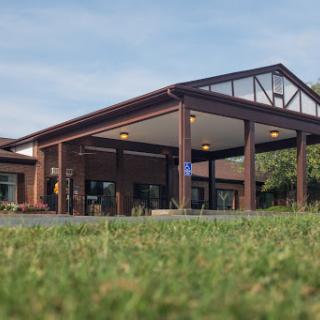





 Seniors and Modern Transportation: Exploring Uber, Lyft, and Other Ride-Hailing Options
 Comprehensive Guide to Qualifying for Home Health Care Services
 Powerful Realities of Elder Abuse and the Most Effective Ways to Report It