
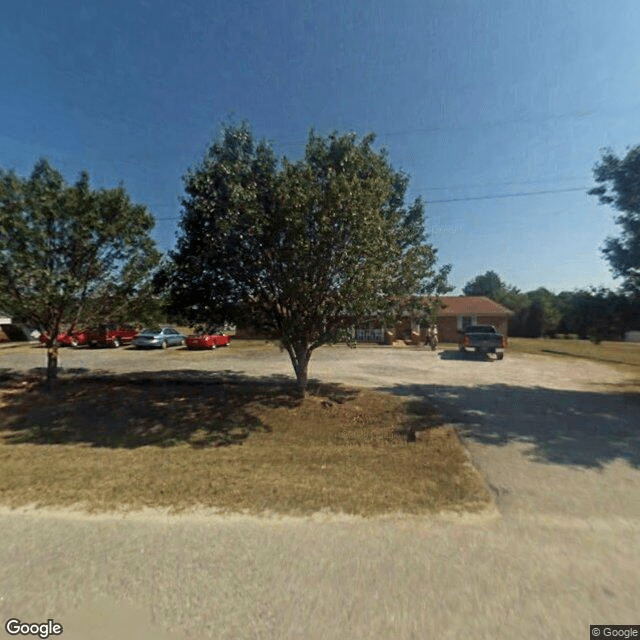
714 Funderburke Rd, Fort Lawn, SC 29714
To contact a resident: (803) 872-4253
For more information about senior living options: (866) 208-4318
Overall Review of Helms-Gordon Residential Care
Pros
 Helms Gordon is described as a warm, friendly small privately run assisted living facility that takes good care of its residents.
- The owner, Mrs. Gordon, is noted for going out of her way to help residents and their families.
- The staff provides attentive care and keeps families well informed about what’s going on.
- The facility’s food is described as wonderful by residents.
- The care and attention at Helms Gordon are seen as a blessing for those on fixed incomes, given the cost relative to the level of care.
- It is recommended as a good alternative to higher-cost assisted living facilities.
- Residents seem to like it there.
Cons
 It isn’t home.
- The facility isn’t home.
Review
Helms-Gordon Residential Care is best suited for seniors who want a small, privately run assisted living setting where attention feels personal, predictable, and affordable. In Fort Lawn, SC, this community delivers a genuinely intimate environment: a handful of residents, a consistent caregiver presence, and a hands-on owner who is willing to tailor care and communications to individual needs. For families prioritizing warmth, steady updates, and meals that residents consistently praise, this option stands out as a practical, budget-conscious choice that leans into family-style service rather than institutional formality.
That practicality has to be weighed against the kinds of alternatives that may be preferable for some residents. Those needing robust, around-the-clock nursing oversight, complex medical management, or a broader menu of structured daily activities may find a larger, more resource-rich facility a better fit. Similarly, anyone who equates “home” with a more expansive, house-like feel or a broader social calendar may feel this setting is a touch less expansive than they expect. The core of Helms-Gordon is support and attentiveness, not a sprawling campus with extensive amenities.
The strongest positives revolve around personal connection and cost efficiency. The owner, Mrs. Gordon, is repeatedly described as going out of her way to assist families and residents, translating into thoughtful care coordination and transparent communication about a resident’s status. The staff’s warmth shows in the everyday atmosphere, friendly residents, a welcoming dining room, and a sense that someone is looking out for small but meaningful details. Food earns frequent compliments, which matters when mealtime is a central routine for comfort and companionship. For families watching budgets, the cost-to-care ratio often lands as a blessing, especially for those managing fixed incomes without sacrificing attentiveness or quality.
The most obvious drawback, if it can be framed as a drawback at all, is the absence of a “home” ambiance that some families expect from a standalone house or a larger community with a full slate of programming. The identity of the place as a small facility means fewer on-site resources, fewer people moving through the day, and a more intimate daily rhythm that may not satisfy residents who crave expansive social opportunities or easily accessible, on-site healthcare options. Yet these potential limitations are precisely what the strongest pros offset: the calm, familiar environment, the steady, personalized care, and the clear, ongoing communication with a trusted owner create a reliability that larger facilities struggle to match.
In practical decision terms, Helms-Gordon is a strong fit when the priority is consistent caregiver attention delivered with transparency and compassion, paired with cost-conscious affordability. It should be seriously considered by families seeking a low-stress transition for a loved one who values warmth, good home-cooked meals, and a direct line to an involved owner who can adapt care as needs evolve. Conversely, if a resident requires extensive medical services on-site, a broader social program, or a more pronounced sense of “house-like” residence in tandem with medical sophistication, alternatives deserve evaluation.
For families moving forward, a deliberate visit is essential. Observe how the staff interacts with residents during meals and daily routines, and assess whether the owner’s involvement feels responsive and genuine. Ask specific questions about care planning, communication frequency, and what happens during evenings and weekends. Compare the stated cost against the level of care and the tangible value of the daily experience. Based on the available reviews, Helms-Gordon delivers a compelling mix of warmth, attentiveness, and affordability that can decisively favor families who prioritize personalized care in a small, approachable setting.
 Assisted Living
 Activities on-site
 Devotional services off-site
 Indoor common areas
 Ambulatory care
 Diabetic care
 Meals provided


 When to Transition from Assisted Living to Memory Care: Key Indicators, Steps, and Finding the Right Community
 Assisted Living and Memory Care: Understanding Their Core Differences
 Beyond the Bingo Hall: 50+ Enriching Activities for Seniors in Assisted Living