Greer Rehabilitation And Healthcare Center in Greer, SC
Greer Rehabilitation And Healthcare Center is a nursing home community in Greer, SC.
Information last verified:
401 Chandler Road, Greer, SC 29651
For more information about senior living options: (866) 208-4318
3.6 from 88 reviews
5 stars
46
4 stars
10
3 stars
4
2 stars
4
1 stars
24
Overall Review of Greer Rehabilitation And Healthcare Center
common
Staff attitude varies by experience
Residents and families describe staff as both consistently kind and sometimes unresponsive.
Many reviews say the staff is friendly, caring, and attentive, with people praising nurse and CNA communication, willingness to help, and a supportive day-to-day feel. Several reviews also mention shortcomings—call lights taking a long time, difficulty reaching administration, or concerns about staff attention to individual needs. Taken together, the reviews suggest a strong portion of positive interactions alongside uneven service moments that families notice.
caveat
Care and medication handling concerns
Some residents report lapses in daily care and medication follow-through.
A few reviews raise serious concerns, including mentions of wrong or delayed medication, medical negligence, and problems after falls or medical orders. There are also complaints about hygiene support not happening on schedule, with one reviewer saying bathing did not occur as expected. Other reviews describe medication management as dependable and report staff catching issues, so the experience appears mixed depending on the unit and timing.
caveat
Meals are improved, but food complaints persist
Dining gets mixed feedback, including both improvements and cold or messy meals.
Some reviewers mention that meals have improved, and a positive review describes good food as part of the overall experience. Other reviews complain about food quality and temperature, including cold meals and trouble getting the right meal. The overall pattern suggests dining quality may vary, even when residents feel other aspects of care are strong.
caveat
Cleanliness and organization are mixed
Cleaning and upkeep are reported as good by some reviewers and problematic by others.
Several reviews say the facility is clean and organized, including rooms cleaned daily and a lack of foul odors. But other reviews describe dirty rooms, dirty bathrooms, and housekeeping problems that required family members to clean. Because both types of comments show up in the review set, cleanliness seems to depend on specific areas and time periods.
How we summarize
We summarize when many written reviews mention each theme; a review can touch several themes, and only frequently mentioned themes are displayed.
Features
Housing
133 resident community capacity
Types of Care
Skilled Nursing Facility
Amenities
Air-conditioning
Beauty salon
Cable or satellite TV
Computer center
Dining room
Fitness room
Fully furnished
Gaming room
Garden
Housekeeping services
Kitchenette
Move-in coordination
Outdoor space
Private bathrooms
Restaurant-style dining
Small library
Telephone
Wellness center
Wi-Fi/high-speed internet available
Transportation
Greenville-Spartanburg (4 miles away)
Community operated transportation
Transportation arrangement
Transportation arrangement (non-medical)
Transportation to doctors appointments
Care Services
12-16 hour nursing
24-hour call system
24-hour supervision
Activities of daily living assistance
Assistance with bathing
Assistance with dressing
Assistance with transfers
Diabetes diet
Meal preparation and service
Medication management
Mental wellness program
Special dietary restrictions
Dining
Diabetes diet
Special dietary restrictions
Activities
Community-sponsored activities
Concierge services
Fitness programs
Planned day trips
Resident-run activities
Scheduled daily activities
Nearby Places of Interest
Physicians
Mountain View Family Practice (0.2 miles)
Dr Degarmo (0.4 miles)
Pediatric Associates (0.5 miles)
Greer Pediatric Center (0.7 miles)
Greer Family Medicine (0.9 miles)
New Horizon Family Health Services (1 miles)
Warren Keith Stafford (1.3 miles)
Pharmacies
Professional Pharmacy of Greer (0.4 miles)
Walgreens (1.4 miles)
CVS Pharmacy (5.1 miles)
CVS Pharmacy (5.7 miles)
Upstate Pharmacy (5.8 miles)
Walgreens (6.6 miles)
CVS Pharmacy (6.6 miles)
Restaurants
Dillards Farms Ice Cream (1.7 miles)
Cook Out (1.7 miles)
South House Restaurant (2.2 miles)
IHOP (2.2 miles)
Tadpole Fish Camp (2.9 miles)
13 Stripes Brewery (3.6 miles)
Burger King (5.3 miles)
Hospitals
AFC Urgent Care - Bon Secours - Greer (2.2 miles)
Greer Memorial Hospital (2.3 miles)
Surgery Center At Pelham (6.4 miles)
Spartanburg Regional (6.4 miles)
Village Hospital (6.4 miles)
Patewood Medical Campus (8.4 miles)
Patewood Memorial Hospital (8.6 miles)
Parks
East Riverside Park (3.6 miles)
Paris Mountain State Park (7.5 miles)
Gary L. Pittman Memorial Park (7.6 miles)
Cafes
Junto Coffee (3.7 miles)
Starbucks (6.6 miles)
Panera Bread (6.7 miles)
Starbucks (6.8 miles)
Transportation
TSA Pre (4.4 miles)
Concourse B (4.4 miles)
Escape Lounges (4.5 miles)
Greenville-Spartanburg International Airport (GSP) (4.5 miles)
Weight training is vital for seniors to maintain muscle mass, bone density, and overall health, combating age-related declines through customized resistance exercises that enhance balance and well-being. Safe routines should start with realistic goals and proper form, while emphasizing gradual progress and consultations with healthcare providers to ensure safety and effectiveness.
The Sandwich Generation comprises adults managing the dual responsibilities of caring for aging parents and raising children, leading to significant emotional, logistical, and financial challenges. This situation is exacerbated by longer life expectancies and cultural expectations, necessitating effective coping strategies and support resources to alleviate caregiver stress and burnout.
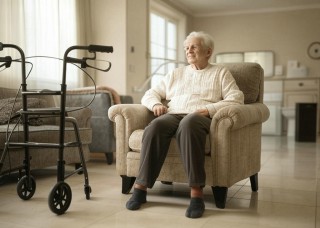
The article highlights eight essential assistive devices that improve the independence and safety of older adults, addressing issues related to mobility, balance, vision, hearing, and dexterity. It emphasizes the importance of proper selection guided by healthcare professionals to enhance seniors' quality of life while allowing them to age in place.
Get PricingAsk A QuestionSchedule A TourContact Senior Advisor
By clicking submit, you agree to our Partner's Terms of Use. You
also consent to receive calls and texts, which may be autodialed, from our Partner. Your consent is not a condition to
using our Partner's service. Please visit our Partner's Privacy Policy for information about their privacy practices.

 133 resident community capacity
 Skilled Nursing Facility
 Air-conditioning
 Beauty salon
 Cable or satellite TV
 Computer center
 Dining room
 Fitness room
 Fully furnished
 Gaming room
 Garden
 Housekeeping services
 Kitchenette
 Move-in coordination
 Outdoor space
 Private bathrooms
 Restaurant-style dining
 Small library
 Telephone
 Wellness center
 Wi-Fi/high-speed internet available
 Greenville-Spartanburg (4 miles away)
 Community operated transportation
 12-16 hour nursing
 24-hour call system
 Activities of daily living assistance
 Assistance with bathing
 Assistance with dressing
 Assistance with transfers
 Diabetes diet
 Medication management
 Mental wellness program
 Special dietary restrictions
 Concierge services
 Planned day trips
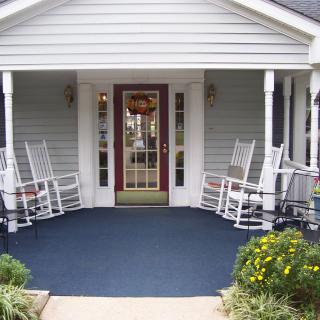
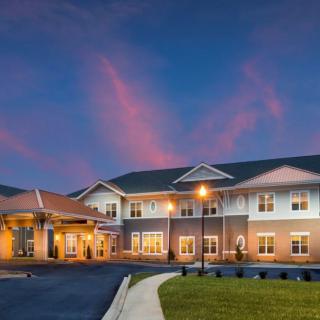
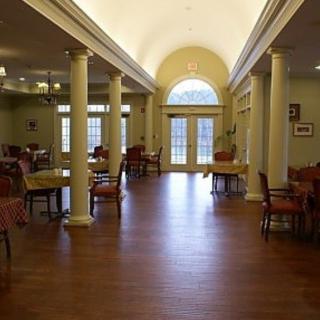
 Clean, welcoming environment with friendly staff and a variety of room options plus inclusive care services.
 Weight Training for Seniors: Building Strength and Vitality
 Understanding the Sandwich Generation: Stress and Responsibilities for Multigenerational Caregivers
 8 Essential Assistive Devices for Older Adults