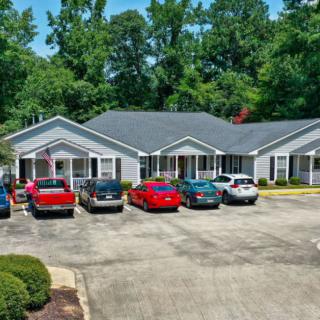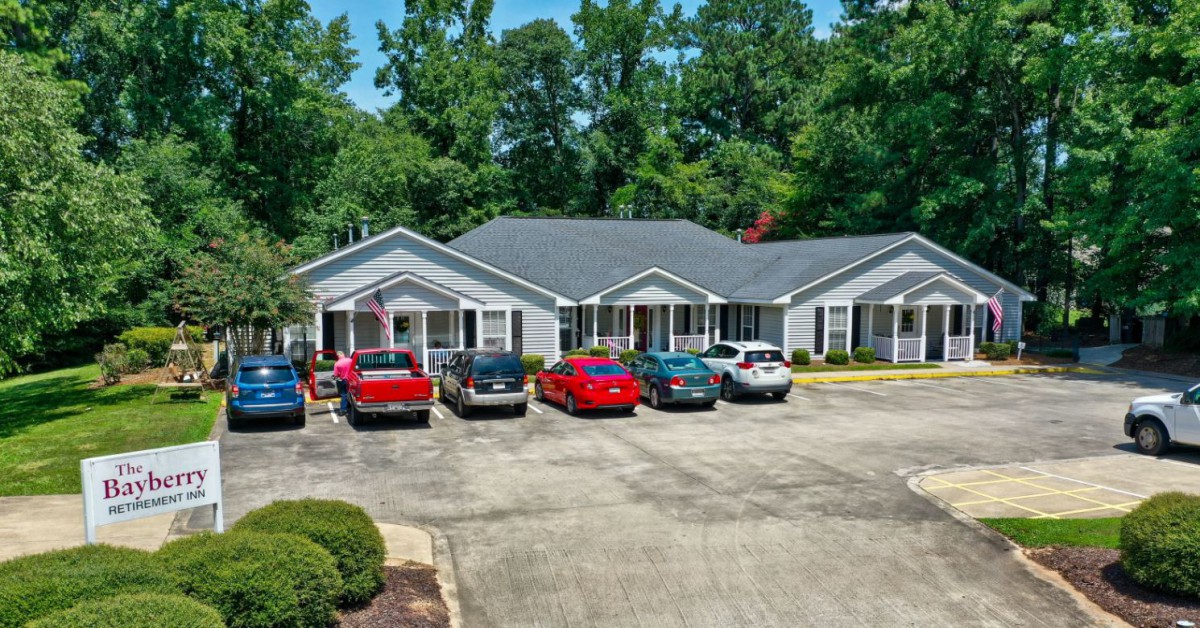
309 Northview Dr, Greer, SC 29651
To contact a resident: (864) 848-1935
For more information about senior living options: (866) 208-4318
Overall Review of Bayberry Retirement Inn
Pros
 The staff here are great with the residents.
- The meals are outstanding.
- Bayberry Retirement Inn was a nice place.
- It had big rooms.
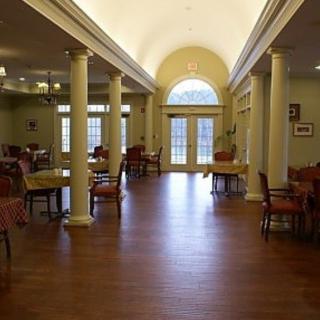
- It was clean and neat.
- It did not have an odor.
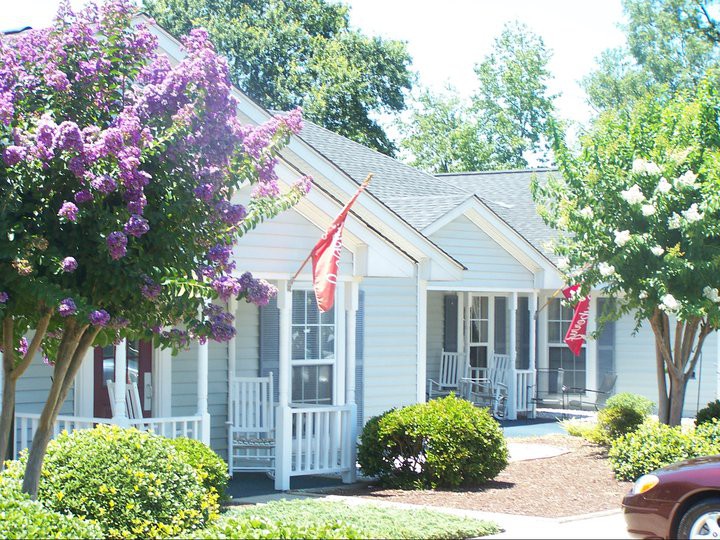
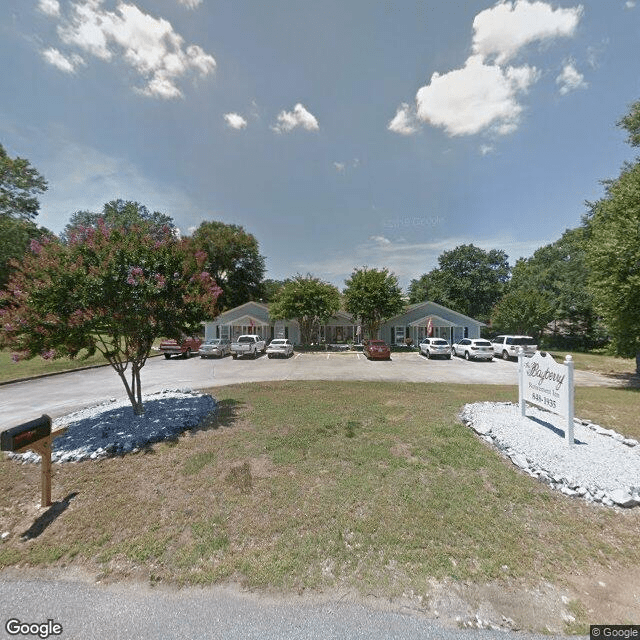
- The facility is small and home to approximately 20 residents.
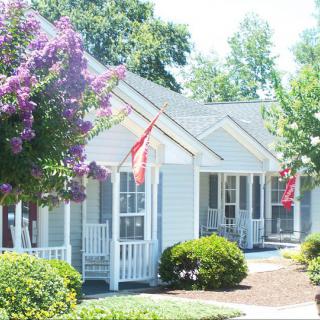
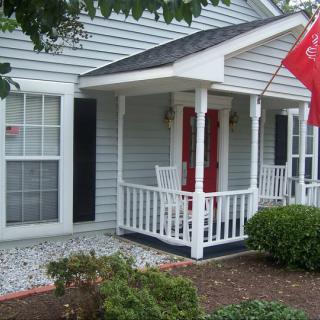
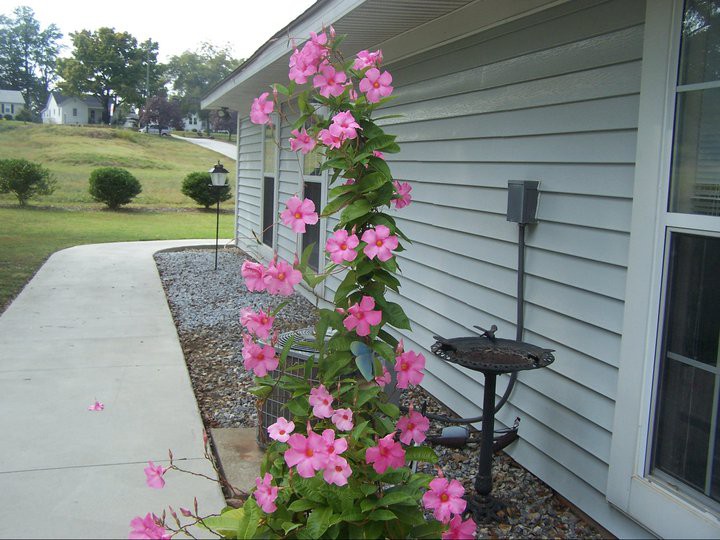
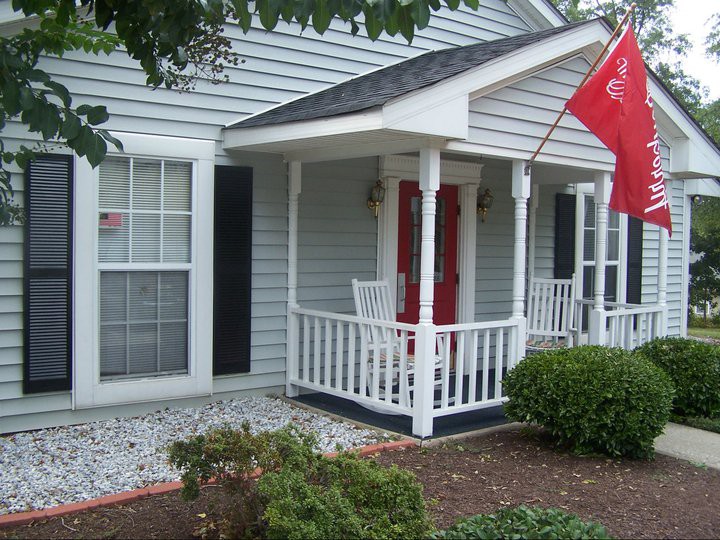
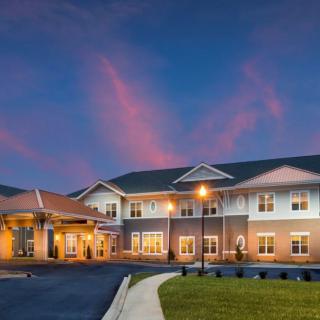
- It is well maintained, inside and out, and all the residents are treated with dignity and respect.
- The residents are treated kindly with patience and respect.
Cons
 They wouldn’t recommend this place.
Review
Bayberry Retirement Inn in Greer, South Carolina is best suited for families seeking a small, home-like assisted living where staff know residents by name, leadership is stable, and care feels personal rather than corporate. With a compact footprint of roughly 20 residents, the community delivers intimacy that translates into patience, attentiveness, and straightforward family communication. The directress has been at the helm for 19 years, which translates into consistency of tone, policy, and response. Round-the-clock care is part of the package, and the monthly rent remains affordable for many families. The meals are frequently praised, providing a practical anchor for daily routines and overall satisfaction in a setting where comfort matters just as much as safety.
Who may want to consider alternatives? Families facing the need for a larger campus with a wider activity calendar, more on-site medical services, or a dedicated memory-care wing should look elsewhere. If a loved one requires frequent skilled nursing, intensive rehab, or hospital-level resources, Bayberry’s intimate scale may feel limiting. Those who prize expansive social programming, spa amenities, or upscale dining experiences may also find the offerings too modest. In short, Bayberry excels in warmth and steady, individualized care, but it does not compete with communities designed to deliver breadth of services and a bustling campus life.
The positives at Bayberry are substantial and well anchored. Staff are described as kind, patient, and consistently attentive, with many caregivers going above and beyond to support residents and families. The nutrition program earns recognition as a standout, meals are well-prepared and enjoyable, which directly supports daily well-being. The setting is clean, neat, and odor-free, reinforcing a sense of dignity and respect for residents. The small size fosters meaningful relationships and the capacity to tailor routines to individual needs, while the administration’s accessibility and frequent family updates build trust and reduce uncertainty. Taken together, these strengths create a dependable, comforting environment that many families prioritize over larger-scale conveniences.
Still, the lone negative review cannot be ignored, and it introduces a necessary caveat. One resident or family opted not to recommend Bayberry, signaling that the facility’s intimate model won’t suit everyone. This underscores a core reality: the strongest selling points, personal touch, consistent leadership, and transparent communication, will not satisfy every expectation, particularly for those seeking a louder social circuit, broader clinical resources, or specialized programming. The main trade-off remains scale. For a resident who thrives on a busy calendar and extensive onsite services, Bayberry’s restrained footprint may feel limiting.
The decision framework should be decisive, not tentative. For families prioritizing stability, warmth, and affordable, attentive care in a homelike setting, Bayberry presents a compelling case. Its leadership continuity, dependable meals, and communicative culture reduce ongoing stress around caregiving and enable smoother transitions. For those whose loved ones require advanced medical supervision or a vast array of daily activities, it pays to compare alternatives with bigger campuses that lean into comprehensive clinical coverage and more diverse programming. Bayberry’s strengths provide a strong baseline that lowers risk when choosing a smaller, person-centered option.
Next steps should focus on real-world fit. Schedule a visit and probe the practical details: what “round-the-clock care” actually includes, how many staff are on-site at peak and off-hours, and what is encompassed by the rent (meals, laundry, transportation, housekeeping). Meet the directress and frontline caregivers to gauge warmth, responsiveness, and cultural fit. Request a sample menu, tour the dining and common areas, and observe how resident rooms are maintained. If memory care, rehab, or end-of-life support are considerations, inquire about available resources and timelines. Bayberry’s defined strengths, people, meals, and leadership continuity, make the final choice a matter of alignment with a quiet, intimate care model versus a desire for a larger, more resource-rich setting.
 Assisted Living
 Independent Living
 Activities on-site
 Devotional services off-site
 Indoor common areas
 Greenville-Spartanburg (4 miles away)
 Ambulatory care
 Diabetic care
 Meals provided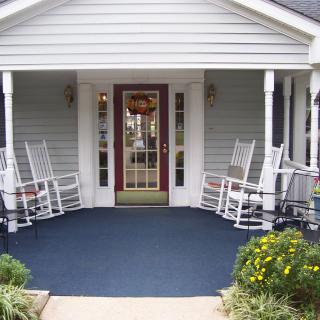



 Funding and Affording Assisted Living: A Thorough Overview
 Assisted Living Expenses and Long-Term Care Insurance: A Comprehensive Exploration
 Securing Financial Support for Assisted Living: A Comprehensive Overview