For more information about senior living options: (866) 208-4318
3.7 from 31 reviews
5 stars
17
4 stars
4
3 stars
1
2 stars
1
1 stars
8
Overall Review of Bayberry Commons
common15 reviews mention this
Compassionate, communicative staff
Residents and families repeatedly describe staff as compassionate and responsive.
Many reviews highlight helpful, compassionate staff across roles, from nurses and CNAs to therapists and social services. Families also mention regular communication about condition changes, comfort, and day-to-day updates. Several writers describe staff as going beyond nursing to support residents and families, especially during difficult periods.
common3 reviews mention this
Dementia care is described
Some reviews specifically describe dementia-related support and respectful care.
A handful of reviewers describe loved ones with advanced dementia and say the care team treated residents with respect and patience. One review also emphasizes staff working with the resident to support comfort despite communication limits. Another describes staying informed about changes while the facility supports ongoing therapy needs.
common4 reviews mention this
Physical and occupational therapy
Multiple reviews point to strong PT and OT for recovery and goals.
Several residents and families mention physical therapy and occupational therapy as key parts of the experience. Reviews describe staff encouraging people through therapy goals and supporting progress during short-term recovery and longer stays. One review also notes PT and OT alongside dementia-focused support for an advanced case.
caveat3 reviews mention this
Meal service draws mixed feedback
Meal experience ranges from incomplete service to reports of poor quality.
Some reviewers praise overall care but still flag issues with meal service. Others describe meals as disgusting or characterize food as consistently inadequate. At least one negative review goes beyond general dissatisfaction to describe specific concerns with the kitchen and meal portions.
caveat6 reviews mention this
Serious safety and quality concerns
A recurring set of reviews raise serious concerns about safety and care quality.
Several negative reviews describe scenarios involving neglect, falls, and unprofessional behavior by staff. Others claim residents are not properly monitored or that basic care standards were not followed. While some reviews focus on compassion and communication, these accounts are starkly critical and highlight safety as a concern.
How we summarize
Counts show how many written reviews mention each theme; a review can touch several themes, and only frequently mentioned themes are displayed.
Features
Housing
110 resident community capacity
Types of Care
Skilled Nursing Facility
Amenities
Air-conditioning
Beauty salon
Cable or satellite TV
Computer center
Dining room
Fitness room
Fully furnished
Gaming room
Garden
Housekeeping services
Kitchenette
Move-in coordination
Outdoor space
Private bathrooms
Restaurant-style dining
Small library
Telephone
Wellness center
Wi-Fi/high-speed internet available
Transportation
Theodore F Green State (20 miles away)
Worcester Regional (25 miles away)
Community operated transportation
Transportation arrangement
Transportation arrangement (non-medical)
Transportation to doctors appointments
Care Services
12-16 hour nursing
24-hour call system
24-hour supervision
Activities of daily living assistance
Assistance with bathing
Assistance with dressing
Assistance with transfers
Diabetes diet
Meal preparation and service
Medication management
Mental wellness program
Special dietary restrictions
Dining
Diabetes diet
Special dietary restrictions
Activities
Community-sponsored activities
Concierge services
Fitness programs
Planned day trips
Resident-run activities
Scheduled daily activities
Nearby Places of Interest
Pharmacies
CVS Pharmacy (1.7 miles)
CVS Pharmacy (2.2 miles)
Walgreens (6.9 miles)
CVS Pharmacy (9.1 miles)
CVS Pharmacy (9.3 miles)
CVS Pharmacy (9.7 miles)
CVS Pharmacy (10 miles)
Parks
Hauser Field & Playground (2.3 miles)
Dunn Memorial Park (9 miles)
West Thompson Dam (11.3 miles)
Thompson Recreation Commission (11.5 miles)
Restaurants
Cady's Tavern (4 miles)
McDonald's (7.4 miles)
Wright's Dairy Farm (8.1 miles)
Condesa Restaurante Mexicano (8.6 miles)
Crickets Restaurant (8.6 miles)
Laura's Bar and Grill (8.7 miles)
The Ice Cream Lady (8.9 miles)
Hospitals
Eleanor Slater Hospital (5.9 miles)
Hubbard Regional Hospital (10.7 miles)
Harrington HealthCare at Webster (10.7 miles)
Day Kimball Hospital (12 miles)
Connecticut Children's at Day Kimball Healthcare (12 miles)
Physicians
Emily Ackerman (8.1 miles)
University Gastroenterology (9.2 miles)
Coastal Medical Laboratory (9.2 miles)
Family Practice Physicians of Thompson (10.4 miles)
Pulmonary & Sleep Office of New England (10.4 miles)
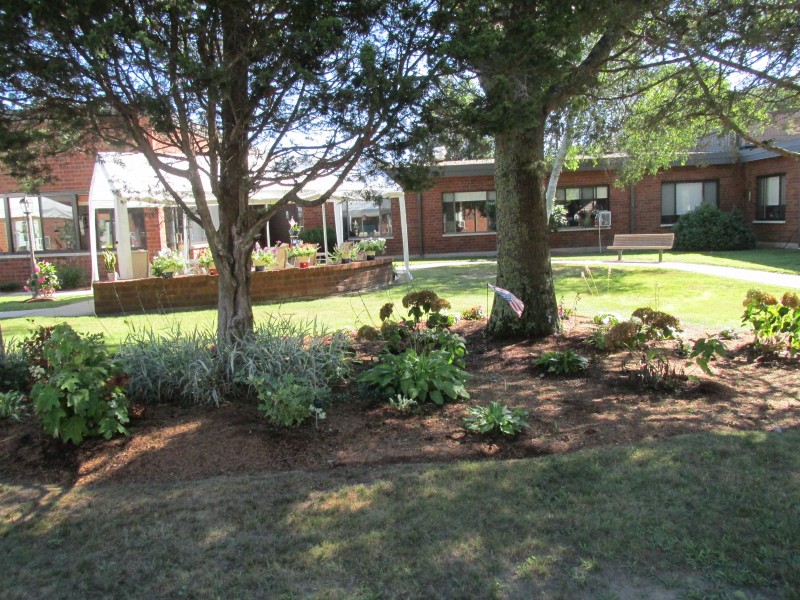
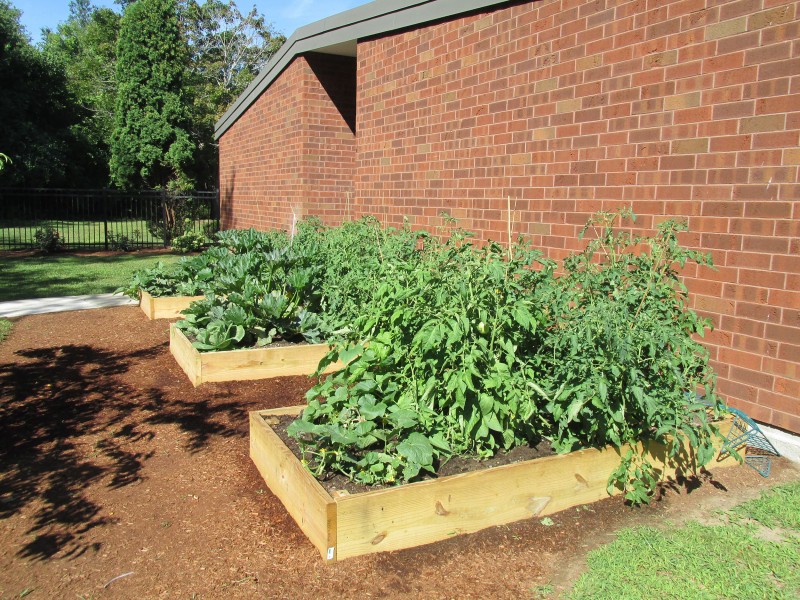
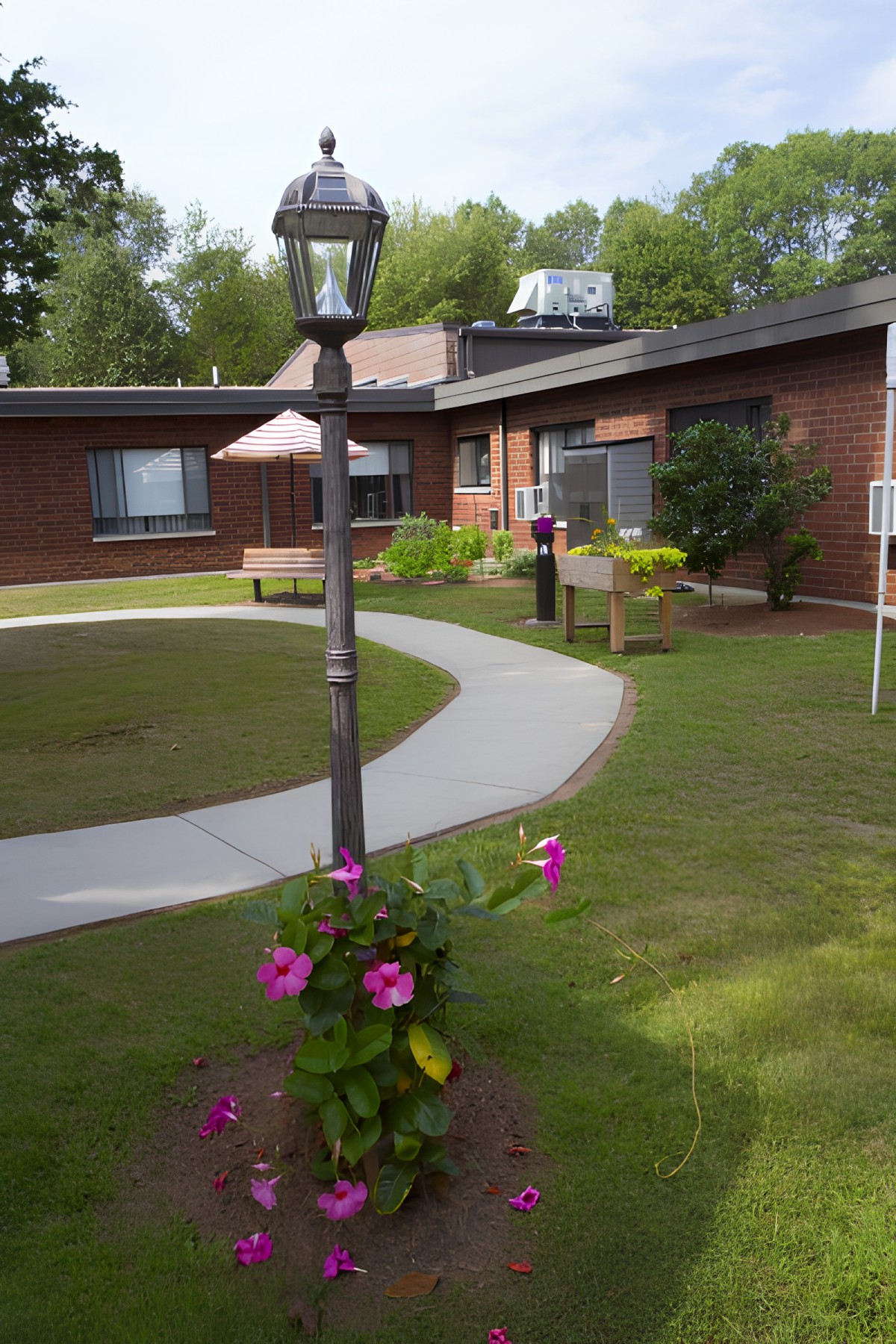
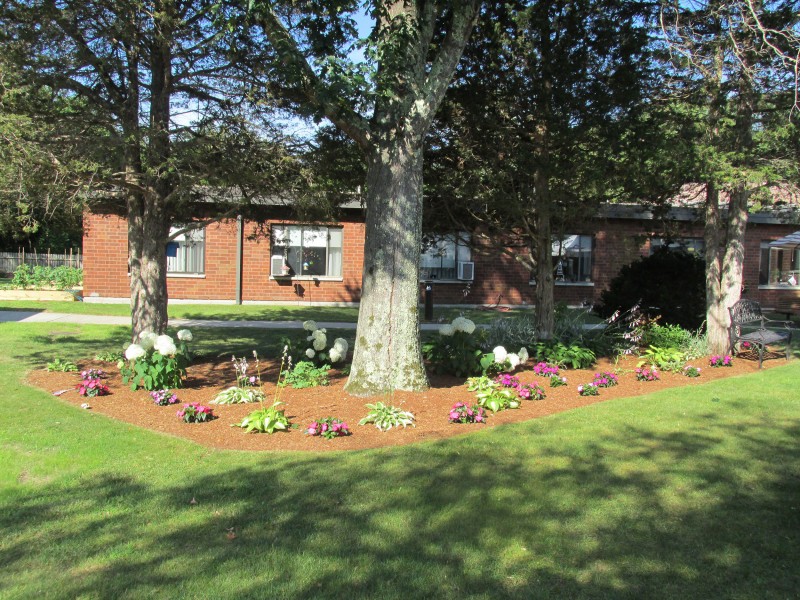
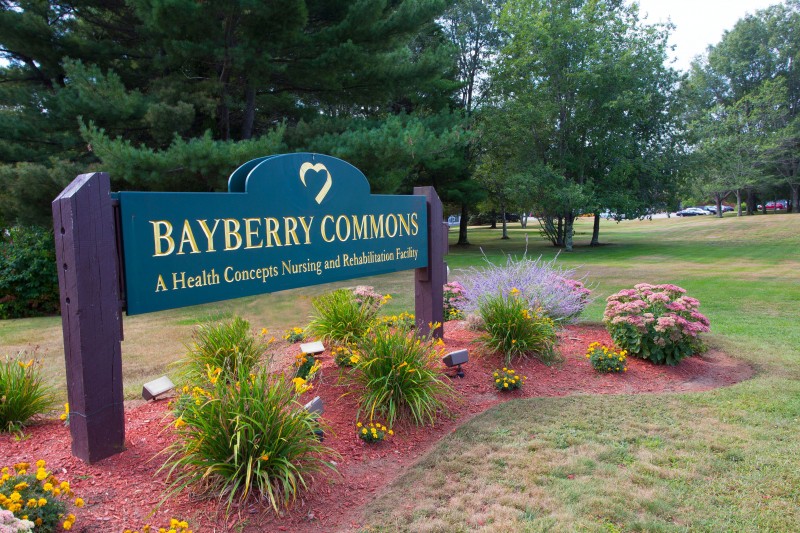
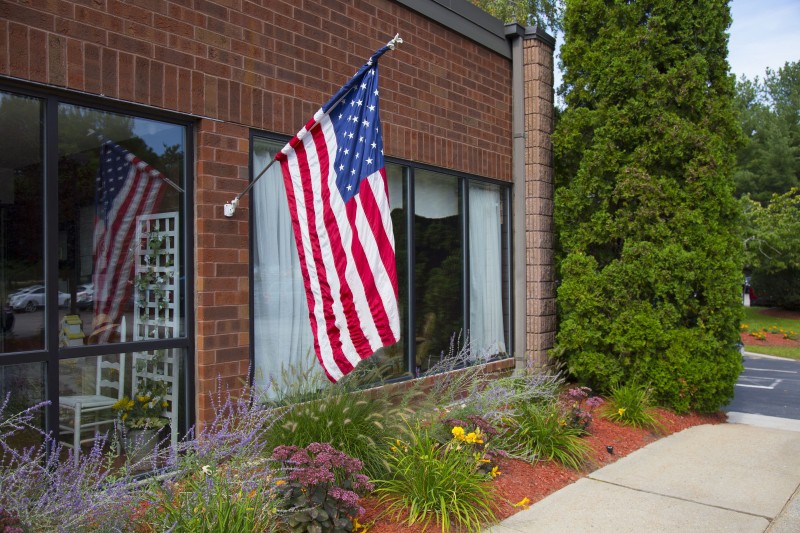
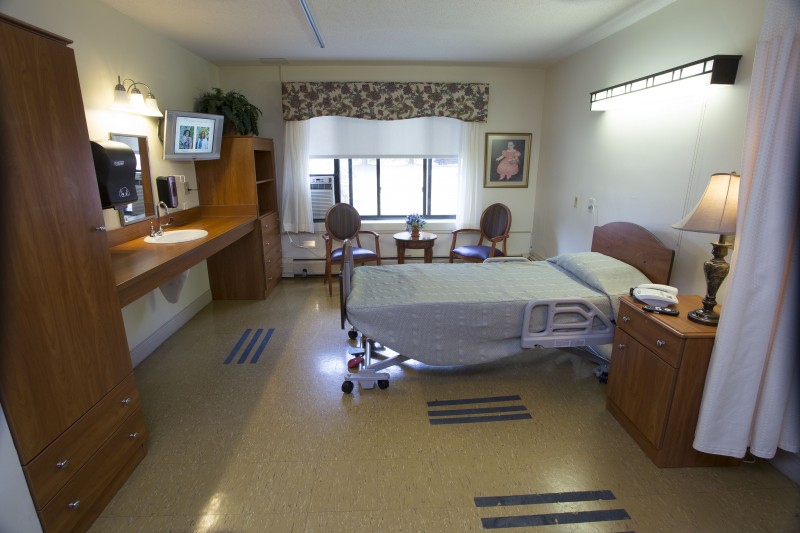
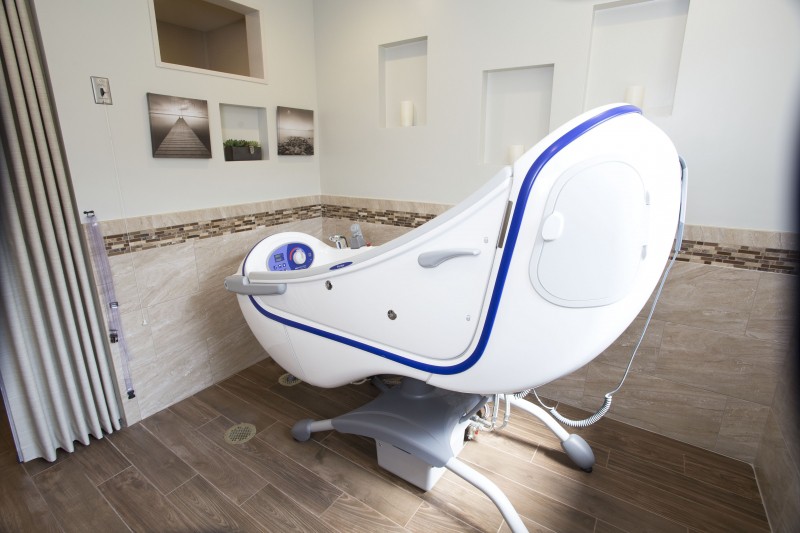
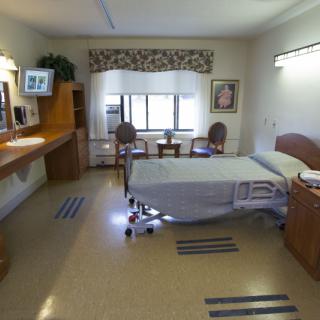
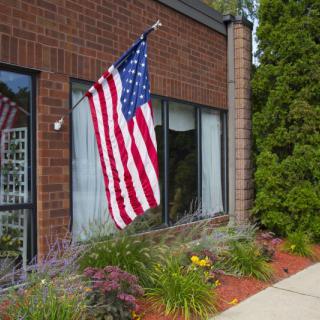
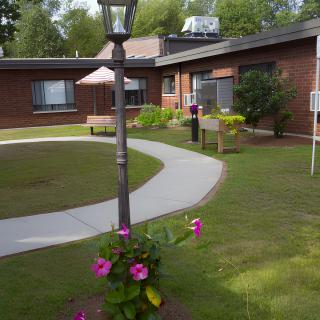
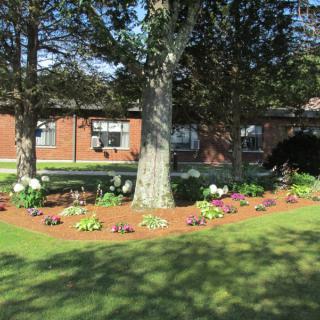
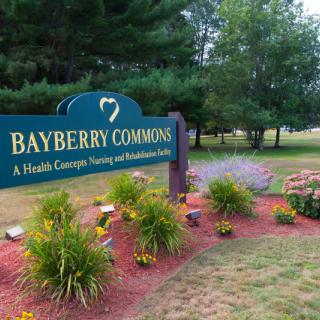
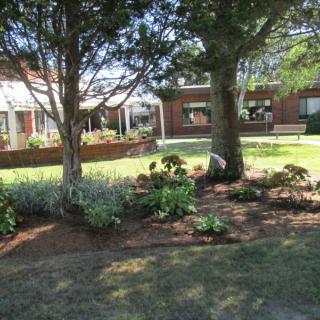
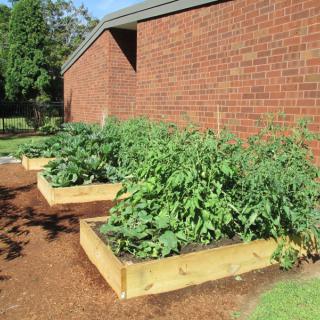
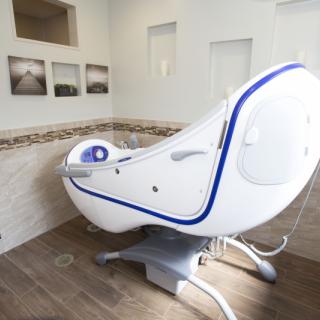
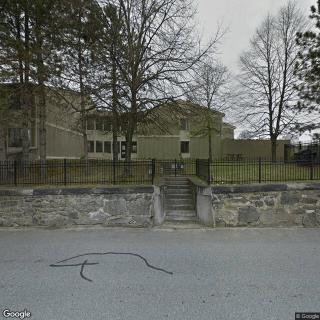
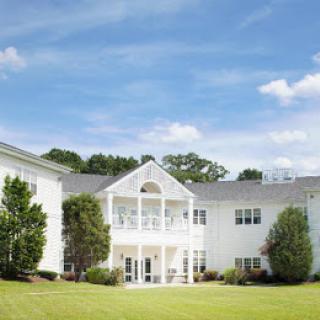
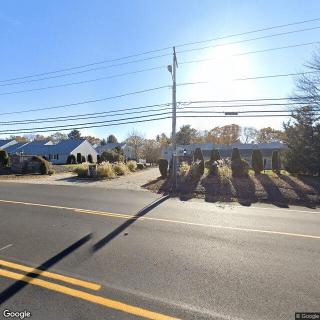
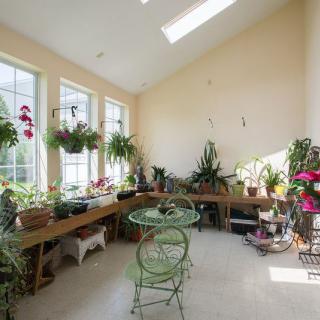
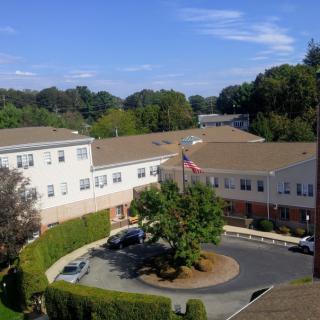
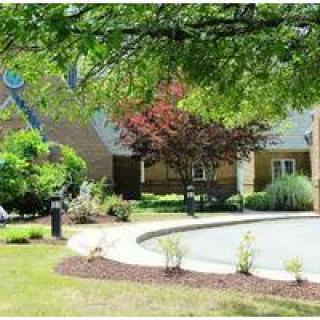
Bayberry Commons on seniors.fyi includes 8 photos including images showing landscaping, garden, building, outdoors, trees, outdoor, brick building, nursing home, and more.
Nearby Communities
Crystal Lake Rehabilitation And Care Center
Pascoag, RI
4.2 from 23 reviews
Some staff are highly dedicated and the facility offers numerous amenities.
Overlook Nursing And Rehabilitation Center
Pascoag, RI
4.6 from 50 reviews
Extensive on-site amenities and active programs.
Bradford Court
Pascoag, RI
Near a park and convenient amenities (pharmacies, restaurant, hospital).
Bella Vista
Glocester, RI
3.1 from 13 reviews
Small, intimate community enabling highly personalized attention.
Greenville Center
Greenville, RI
3.9 from 71 reviews
Some residents report friendly staff and successful rehabilitation outcomes.
Lakes Adult Resort Community
Greenville, RI
4.7 from 27 reviews
Peaceful resort-style living with easy access to nearby amenities.
The Village at Waterman Lake
Greenville, RI
4.7 from 103 reviews
$3,165 to $6,585 / month
Caring staff with engaging activities in a well-maintained, appealing setting.
Stillwater Assisted Living Community
Greenville, RI
4.3 from 77 reviews
$2,700 to $4,130 / month
Caring, professional staff with engaging activities in a clean, apartment-style setting and strong value.
The Villa At Saint Antoine
North Smithfield, RI
4.4 from 16 reviews
Strong, well-trained staff delivering attentive care in a clean, modern facility with engaging activities.
Fecal incontinence, prevalent among older adults, arises from factors like weakened pelvic muscles and nerve damage, significantly affecting well-being and social interactions. Diagnosis involves clinical evaluation and tests to inform tailored treatments, while caregivers and preventive measures can aid in managing the condition effectively.
Anticipatory grief is an emotional response to the impending loss of a loved one, characterized by complex emotions such as sadness and anger, and involves navigating stages similar to those identified by Kübler-Ross. Coping strategies are vital for managing this process, emphasizing compassionate communication, self-care, and support groups while recognizing the cultural influences on grieving.
Adult day care programs offer essential support and activities for older adults, yet many hesitate to participate due to concerns about independence and stigma. To alleviate these apprehensions, families should facilitate open discussions, explore financial resources, suggest trial visits, and collaborate with healthcare providers to highlight the benefits of such services for both the participants and their caregivers.
Get PricingAsk A QuestionSchedule A TourContact Senior Advisor
By clicking submit, you agree to our Partner's Terms of Use. You
also consent to receive calls and texts, which may be autodialed, from our Partner. Your consent is not a condition to
using our Partner's service. Please visit our Partner's Privacy Policy for information about their privacy practices.

 110 resident community capacity
 Skilled Nursing Facility
 Air-conditioning
 Beauty salon
 Cable or satellite TV
 Computer center
 Dining room
 Fitness room
 Fully furnished
 Gaming room
 Garden
 Housekeeping services
 Kitchenette
 Move-in coordination
 Outdoor space
 Private bathrooms
 Restaurant-style dining
 Small library
 Telephone
 Wellness center
 Wi-Fi/high-speed internet available
 Theodore F Green State (20 miles away)
 Community operated transportation
 12-16 hour nursing
 24-hour call system
 Activities of daily living assistance
 Assistance with bathing
 Assistance with dressing
 Assistance with transfers
 Diabetes diet
 Medication management
 Mental wellness program
 Special dietary restrictions
 Concierge services
 Planned day trips
 Some staff are highly dedicated and the facility offers numerous amenities.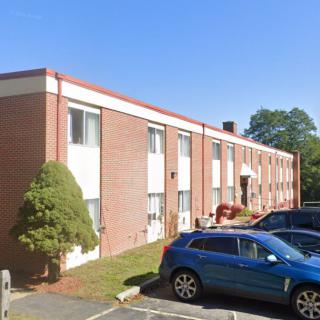

 Fecal Incontinence in Older Adults: A Comprehensive Guide
 Recognizing the Journey: Understanding and Navigating Anticipatory Grief
 Encouraging Participation in Adult Day Care: A Guide to Supporting a Hesitant Parent