Cherry Hill Manor in Johnston, RI

Save

  • Interior

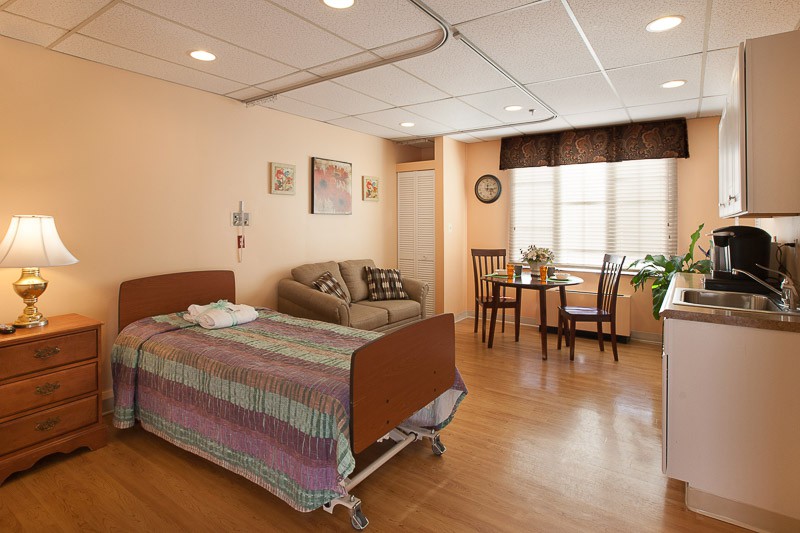
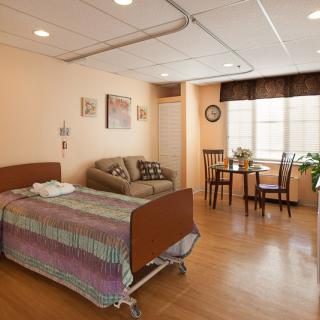
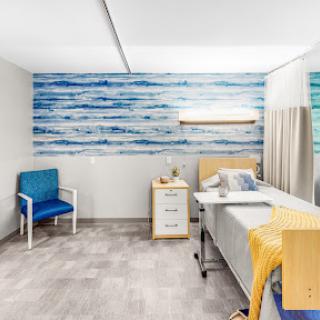
    A cozy hospital room with a patient bed, sofa, and small dining area by the window.
  • Outdoors

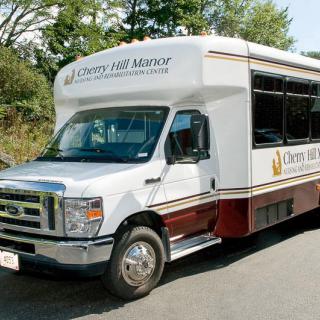
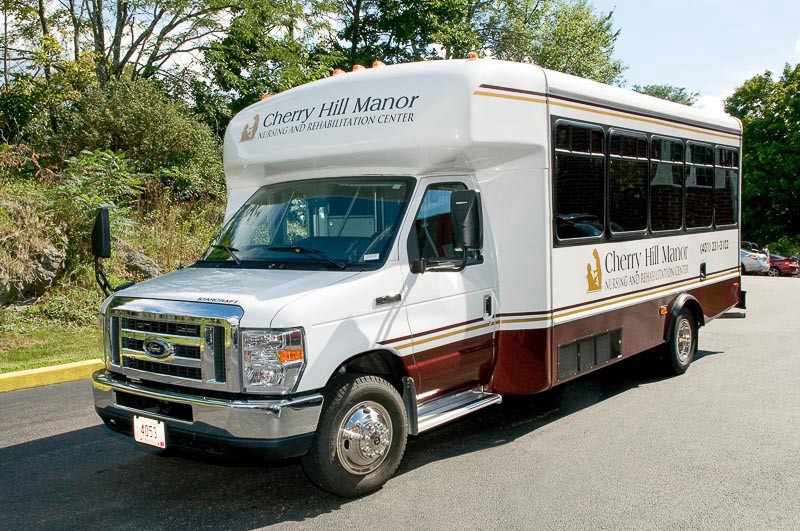
    A shuttle bus parked outdoors, branded with Cherry Hill Manor.
  • Decor

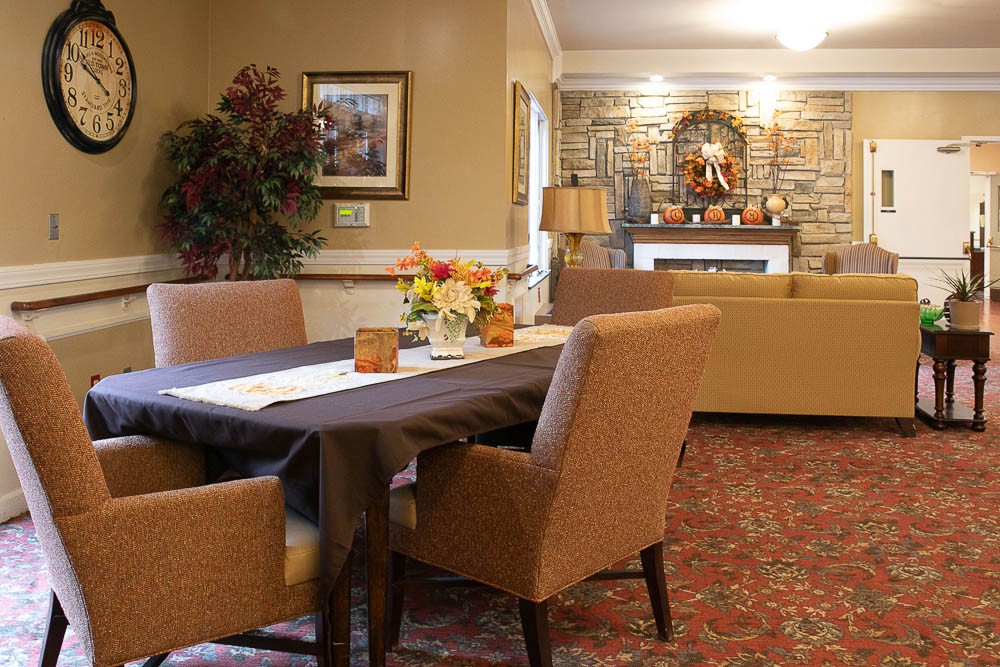
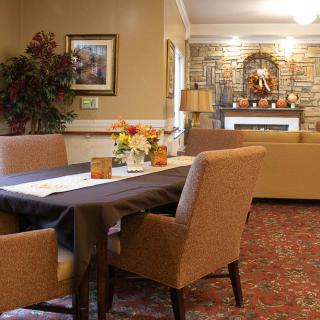
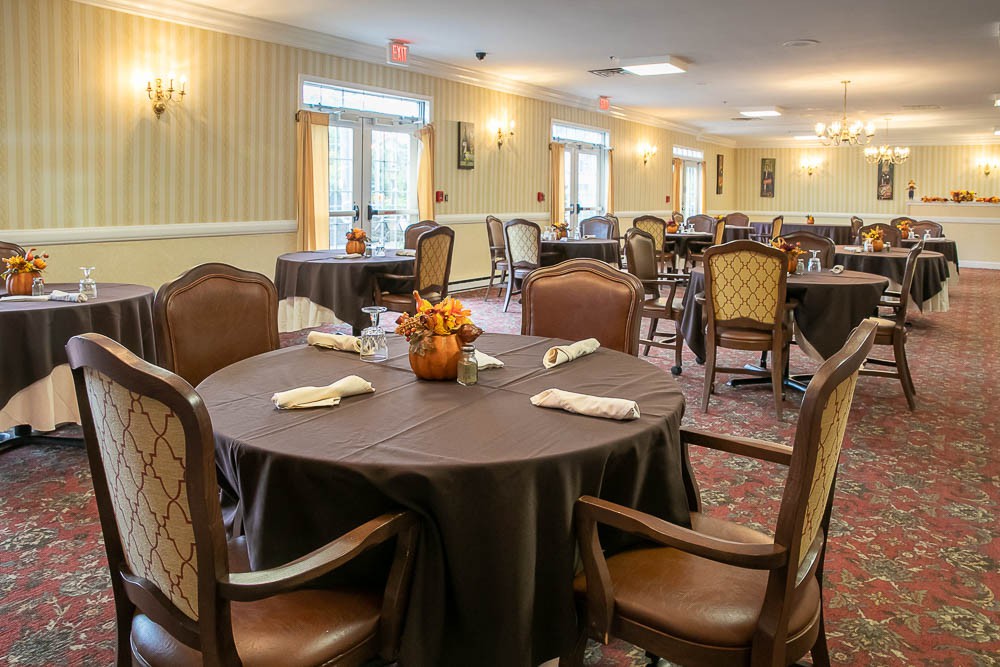
    A cozy dining and living area with warm-toned furniture and elegant decor.
  • Living Room

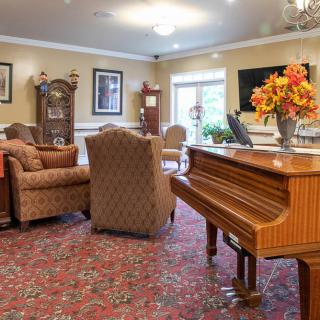
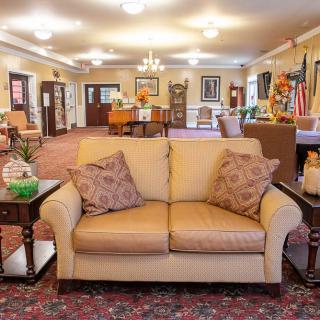
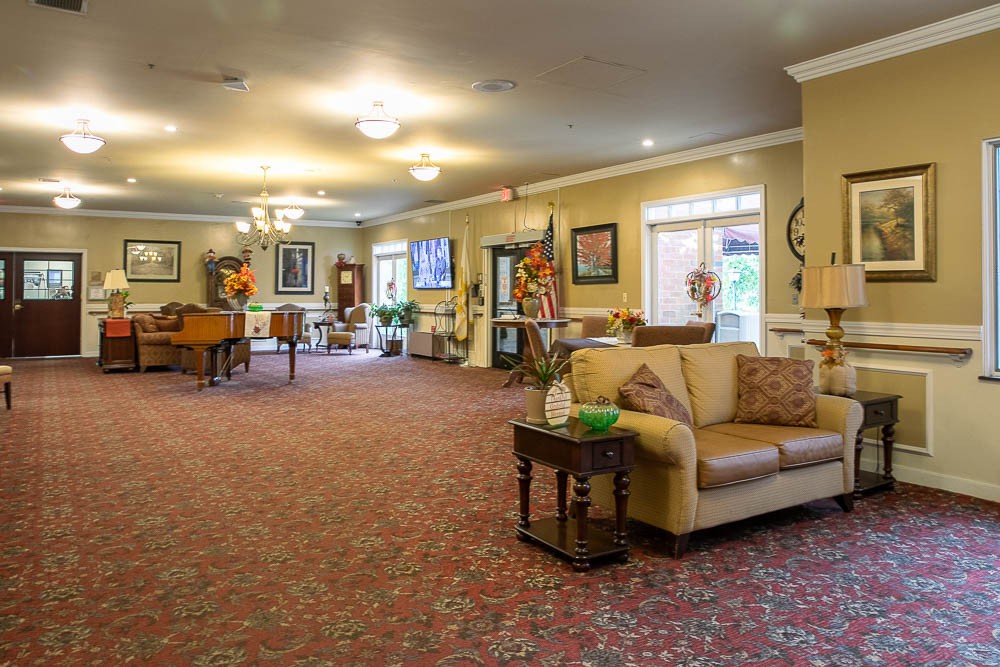
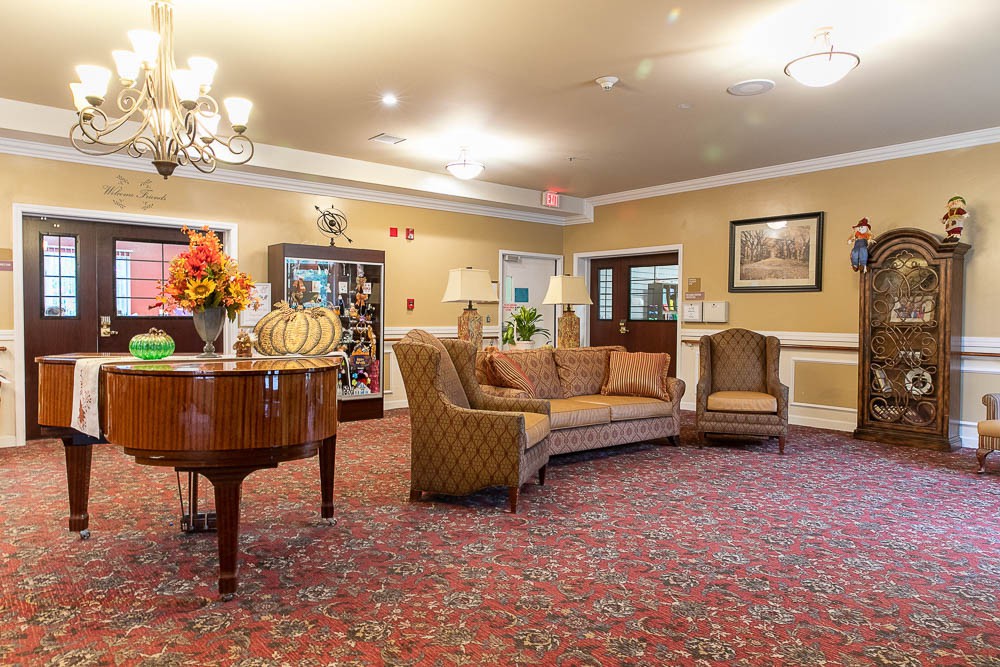
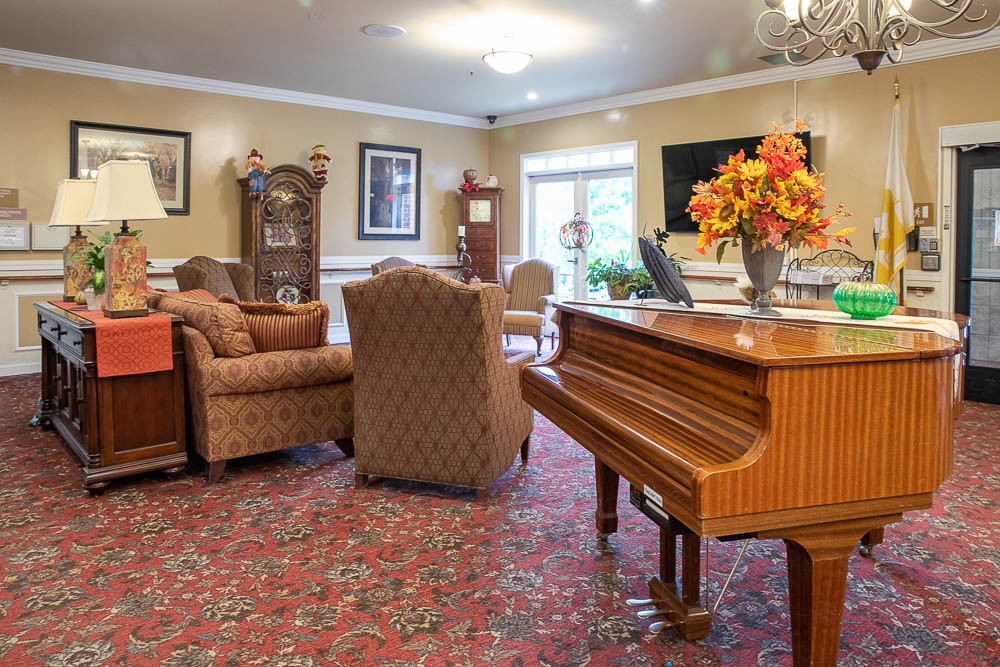
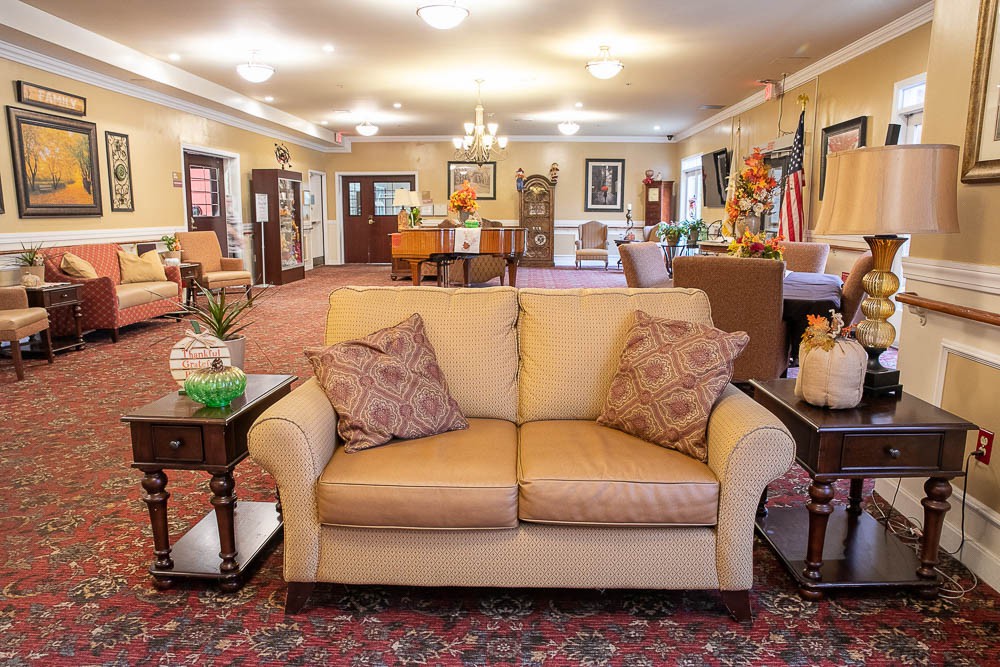
    A cozy living room with comfortable seating, a piano, and elegant decor.
  • Building

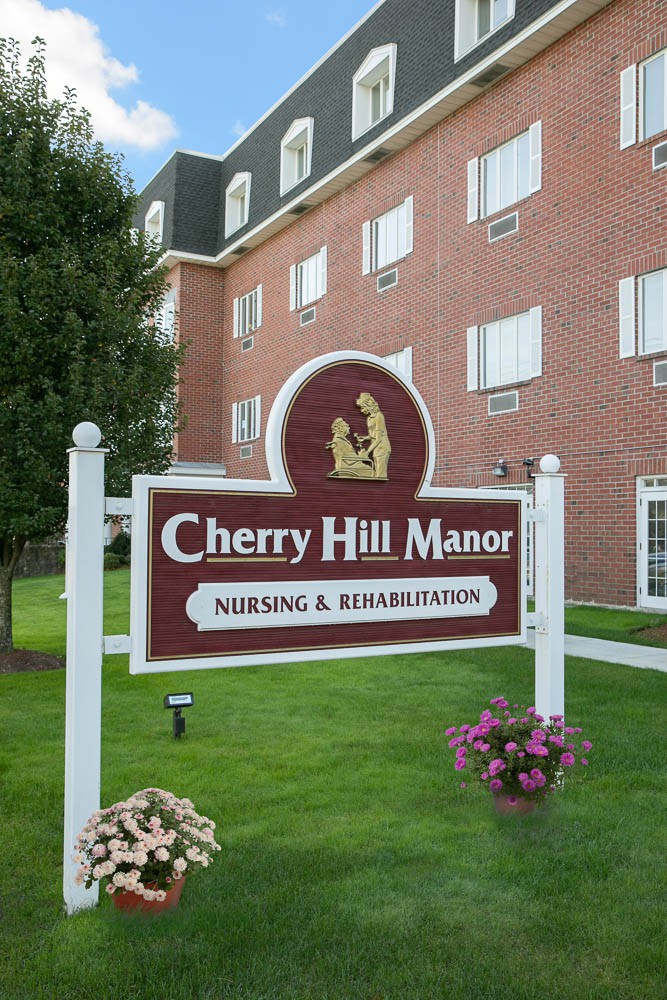
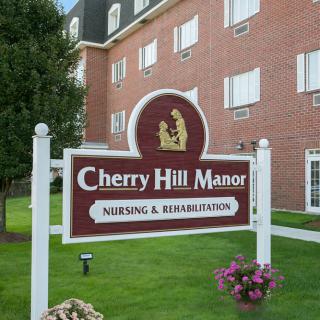
    Sign for Cherry Hill Manor Nursing & Rehabilitation in front of a brick building with landscaped grounds.
  • Architecture

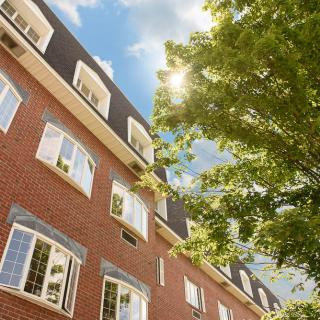
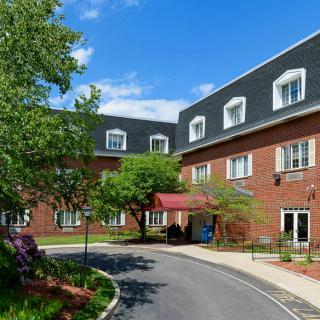
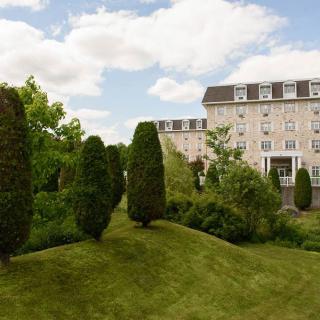
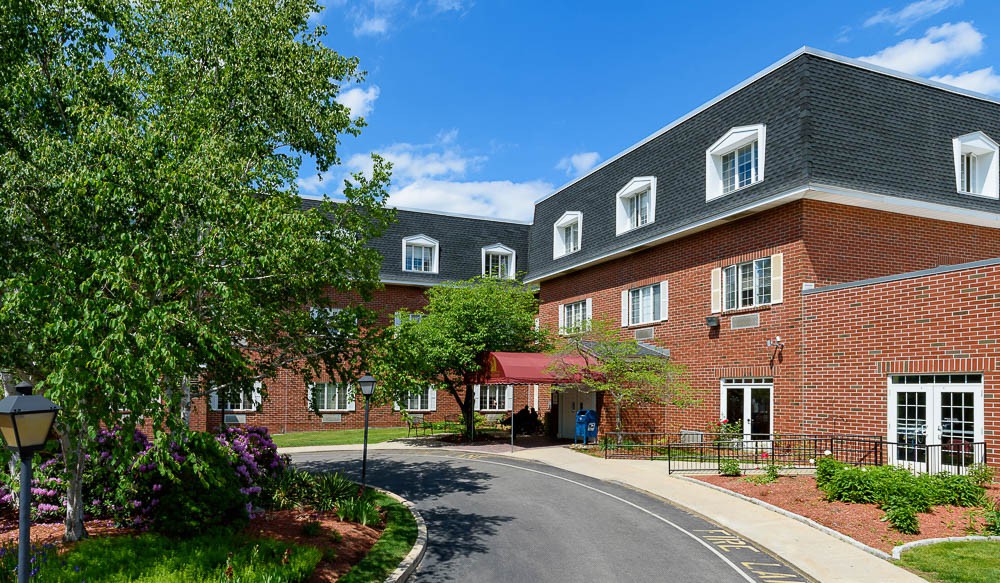
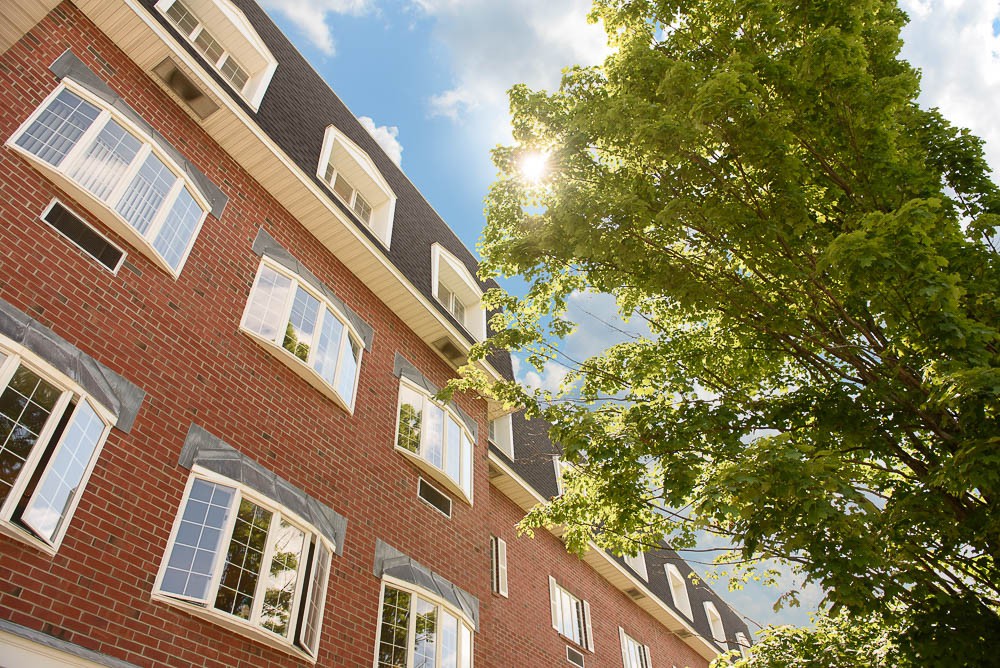
    A brick building with numerous windows, surrounded by trees and basking in sunlight under a clear blue sky.
  • Bedroom

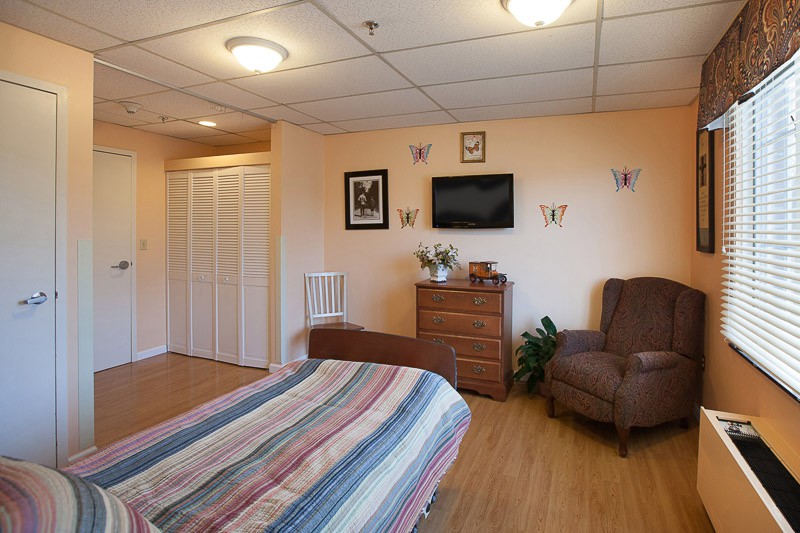
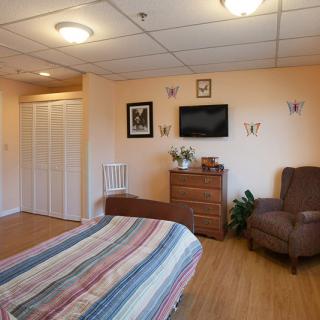
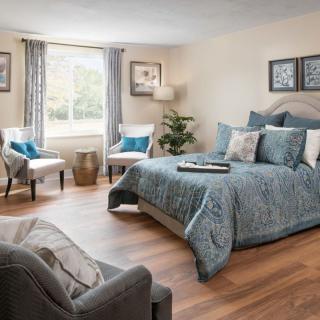
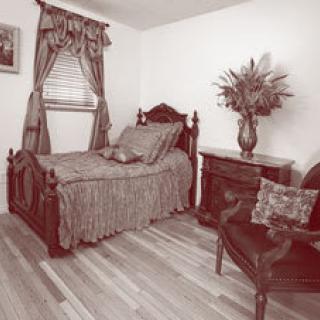
    A cozy bedroom with a bed, armchair, dresser, and mounted television.
  • Trees

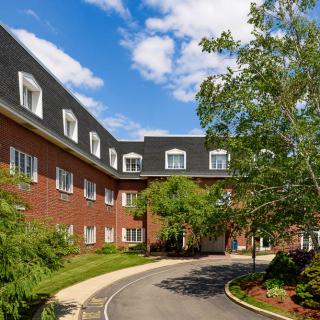
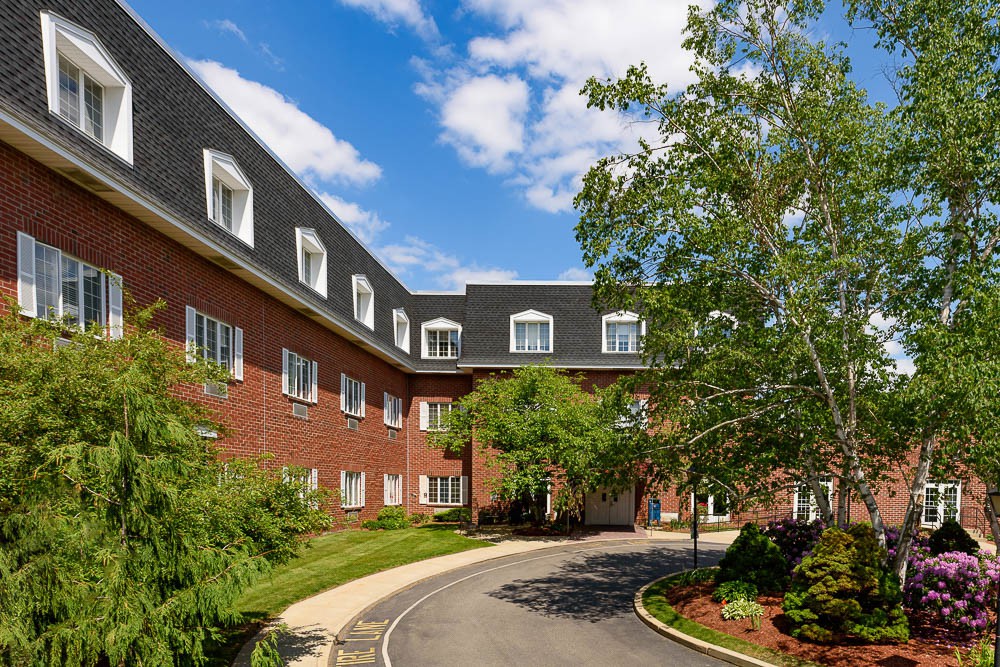
    A brick building with a sloping roof, surrounded by trees and a curved pathway under a clear blue sky.
  • Dining

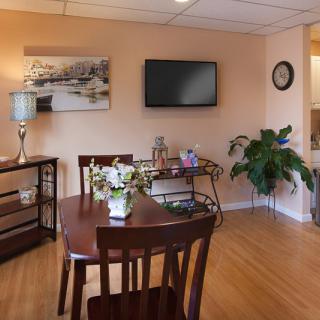
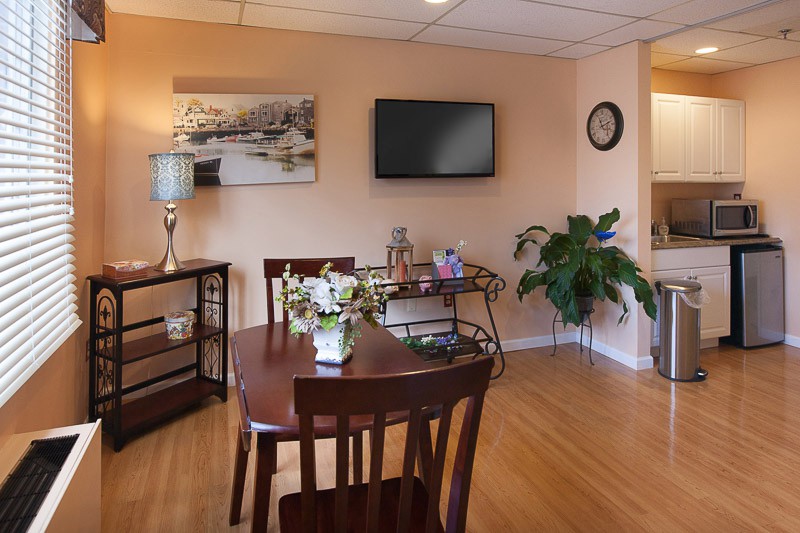
    A cozy dining room with a wooden table and chairs, a wall-mounted television, and decorative elements such as a painting, lamp, and plant.
  • Landscaping

    A brick building with a landscaped driveway and a clear blue sky.
  • Kitchen

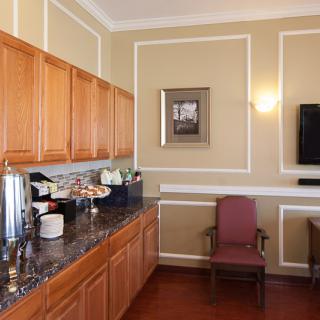
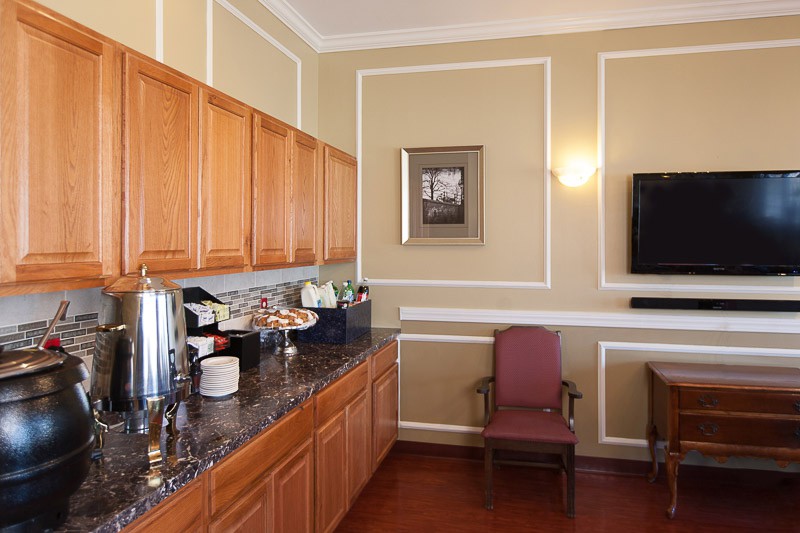
    A small kitchen area with wooden cabinets, a coffee station, and a wall-mounted TV.
  • Lighting

    A warm and inviting living room with comfortable seating and elegant decor.
  • Artwork

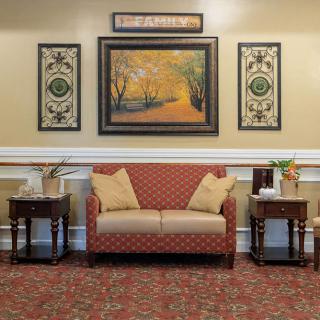
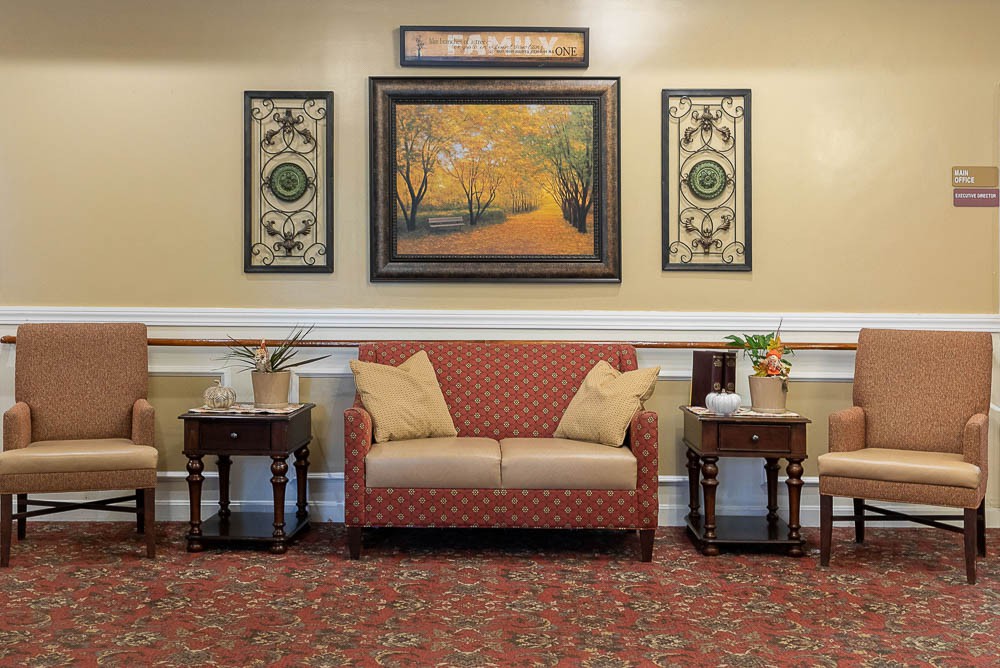
    A cozy living room with a red patterned sofa, artwork on the wall, and side tables.
  • Fireplace

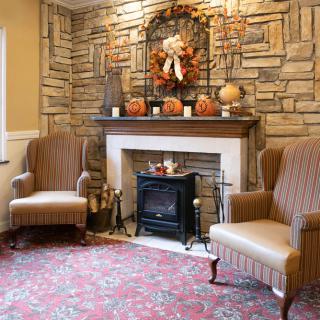
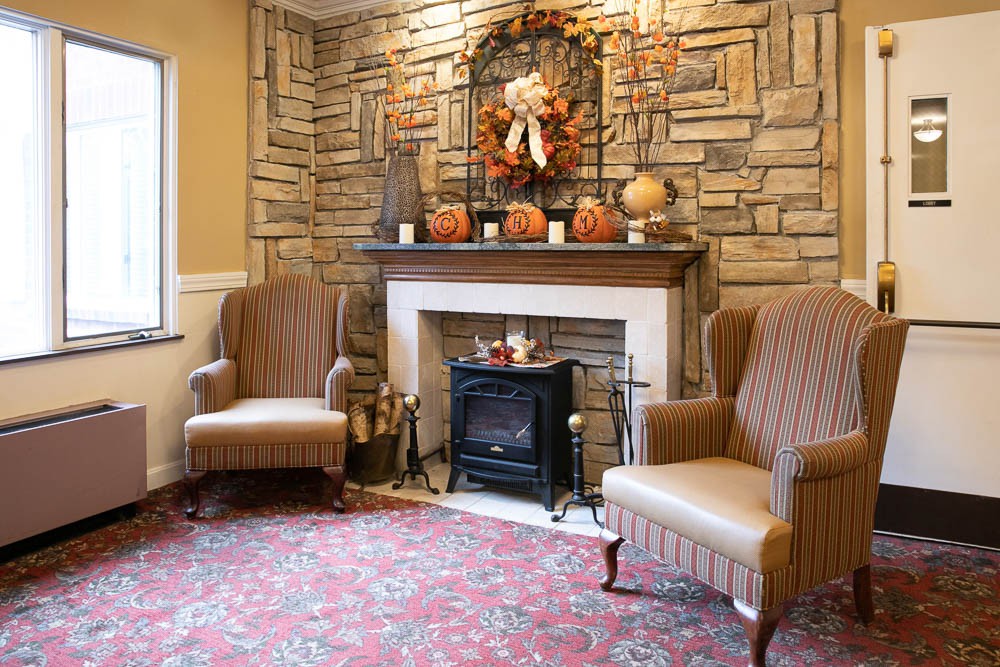
    A cozy living room with a stone fireplace, decorated with autumn-themed ornaments and two armchairs.

Cherry Hill Manor in Johnston, RI

Information last verified:

2 Cherry Hill Road, Johnston, RI 02919

For more information about senior living options: (844) 490-3973

4.8 from 108 reviews
5 stars
94
4 stars
11
3 stars
1
2 stars
0
1 stars
2

Seniors.FYI Elite Community Awards

Top 5% Senior Living Community in 2026

Add this award to your website

Overall Review of Cherry Hill Manor

Pros

  • pro The staff are friendly, attentive, and very caring.
  • pro The facility is spotless, clean, and well organized.
  • pro The environment feels welcoming and upscale, like a high-end hotel.
  • pro The nurses, CNAs, and therapists are top notch, compassionate, and knowledgeable.
  • pro The care team makes families feel supported and involved.
  • pro The facility is well managed, with good management and responsive service.
  • pro The meals are well prepared and the dining experience is pleasant.
  • pro The staff take time to explain policies and answer questions clearly.

Cons

  • pro They were unhappy with the billing, fearing high out-of-pocket costs if insurance stopped paying.
  • pro They alleged neglect, stating an 88-year-old father was left unattended for hours and subsequently died.
  • pro They were disappointed with the care, saying staff didn’t know how to answer questions and some nurses had attitudes and were not very pleasant.
  • pro They described the administration as poor from top to bottom.
  • pro They noted a lack of staff identification, which led to confusion and embarrassment.

Review

Cherry Hill Manor in Johnston, RI is best suited for families seeking a rehab-forward senior living option that feels more like a refined hotel than a traditional nursing home. The community shines for residents who need robust physical therapy and medical oversight delivered in a warm, engaging environment, with staff repeatedly praised for kindness, accessibility, and professionalism. It works especially well for families who value cleanliness, welcoming common spaces, and a high-touch approach to daily care, where residents can feel both respected and actively engaged. Those who should consider alternatives are families operating under tight budgeting constraints, or those requiring near-immediate administrative certainty and flawless billing transparency, since a few reviewers flagged billing disputes and less satisfying administrative experiences. It is also prudent for families seeking a slower, less intensive pace or greater independence to explore other options that emphasize residence-style living over aggressive rehab schedules.

The strongest draw is the lived experience of care teams. Across countless visits, the atmosphere is consistently described as spotless, welcoming, and free of the “nursing home smell” that often colors expectations. Staff are lauded as accessible, patient, and genuinely kind, with particular praise for nurses and CNAs who bring both competence and compassion to daily routines. The rehab program earns its keep, with therapists who introduce themselves, tailor plans, and drive noticeable daily improvements in mobility and strength. The care teams routinely collaborate with attending physicians, providing a sense of continuity that reassures families. Visitors consistently note how easily staff answer questions, explain policies, and keep families informed, a pattern reinforced by stories of long-term residents enjoying meaningful activities and steady progress under attentive supervision.

Activity and environment emerge as deliberate strengths, reinforcing the clinical rigor with social vitality. The community’s décor and layout contribute to an atmosphere that feels respectful and uplifting, with plenty of opportunities for residents to engage in meaningful pursuits and for families to participate without intrusion. Observers highlight fine motor activities in the lobby, organized events, and a calendar that keeps residents connected to purpose and community. This attention to engagement pairs effectively with the rehab emphasis, helping to prevent stagnation and supporting a faster, safer return to daily life. Even during visits, the consistency of clean rooms, well-kept common areas, and orderly food service reinforces a perception of quality that extends beyond episodic care to everyday living.

However, the experience is not without blemishes. Billing and administrative friction surfaces as the main caveat, with reviewers reporting surprise costs when insurance coverage wanes and noting a lack of flexible payment options. A minority of reviews flag less-than-ideal administrative responsiveness and inconsistent initiation of care plans or information sharing, underscoring that the front-end experience can vary by team and shift. There is at least one explicit incident cited where a near-miss in communication contributed to an uncomfortable situation, reminding families that even high-performing facilities navigate human factors and missteps from time to time. Taken together, these concerns are not typical of the majority experience, but they do warrant careful upfront conversations about coverage, expected out-of-pocket costs, and who will oversee billing and care coordination.

Yet the pros often compensate for these concerns through tangible safeguards and a culture of accountability. The extensive praise for the caregiving staff, who are described as compassionate, practical, and relentlessly attentive, helps reassure families that residents are well cared for even when administrative processes demand additional scrutiny. The renovation and ongoing upgrades contribute to a modern, efficient operating environment, while the facility’s advocacy by staff and families creates a steady feedback loop that highlights and resolves issues promptly. The presence of strong PT/OT, proactive nurses, and a responsive administrative backbone, when functioning smoothly, limits disruption and reinforces trust. For families willing to navigate billing questions with clear expectations, the combined strength of clinical care, staff rapport, and a high-quality atmosphere is compelling.

Ultimately, Cherry Hill Manor is a standout option for families prioritizing a high level of hands-on care, a genuinely hospitable environment, and a rehab ecosystem that tends to produce real functional gains. It is not the right fit for those with rigid budget constraints or a preference for minimal administrative contact, where alternative communities may offer more predictable pricing or a simpler care model. Prospective families should approach with a concrete plan: review the care pathway with the director, verify insurance coverage and potential out-of-pocket costs, and assess the staff’s responsiveness to questions in real time during a visit. For those who want reassurance that compassion and competence go hand in hand with clean, inviting surroundings and a robust rehabilitation program, Cherry Hill Manor stands ready as a top-tier Rhode Island option. In the balance of factors, it delivers practical, experienced, and reliably attentive senior care that families can trust when making one of the most important decisions.

Features

Housing

  • 172 resident community capacity 172 resident community capacity

Types of Care

  • Skilled Nursing Facility Skilled Nursing FacilitySkilled Nursing Facilities are crucial for seniors as they provide round-the-clock medical care, rehabilitation services, and assistance with daily activities. These facilities ensure that seniors receive the specialized care they need to maintain their health and well-being as they age.

Amenities

  • Air-conditioning Air-conditioningAir conditioning is important for seniors as they are more vulnerable to heat-related illnesses and may have underlying health conditions that make it difficult for them to regulate their body temperature. It helps to keep them comfortable, safe, and healthy in hot weather.
  • Beauty salon Beauty salonBeauty salons are important for seniors because they provide a space for them to feel pampered, socialize, and maintain their personal grooming and hygiene. Regular visits to a beauty salon can help boost seniors' self-esteem and overall well-being.
  • Cable or satellite TV Cable or satellite TVCable or satellite TV is important for seniors because it provides entertainment, news, and companionship, helping to combat loneliness and boredom. It also offers a wide range of programming options tailored to different interests and preferences.
  • Computer center Computer centerA computer center is essential for seniors as it provides access to technology, communication tools, and resources that can enhance their daily lives. It allows them to stay connected with loved ones, engage in online activities, and learn new skills, ultimately promoting socialization and mental stimulation.
  • Dining room Dining roomDining rooms are important for seniors as they provide a space for socialization, connection, and nutritious meals. They offer opportunities for residents to bond over shared meals, foster a sense of community, and promote healthy eating habits. Dining rooms also ensure that seniors have access to well-balanced meals tailored to their dietary needs and preferences.
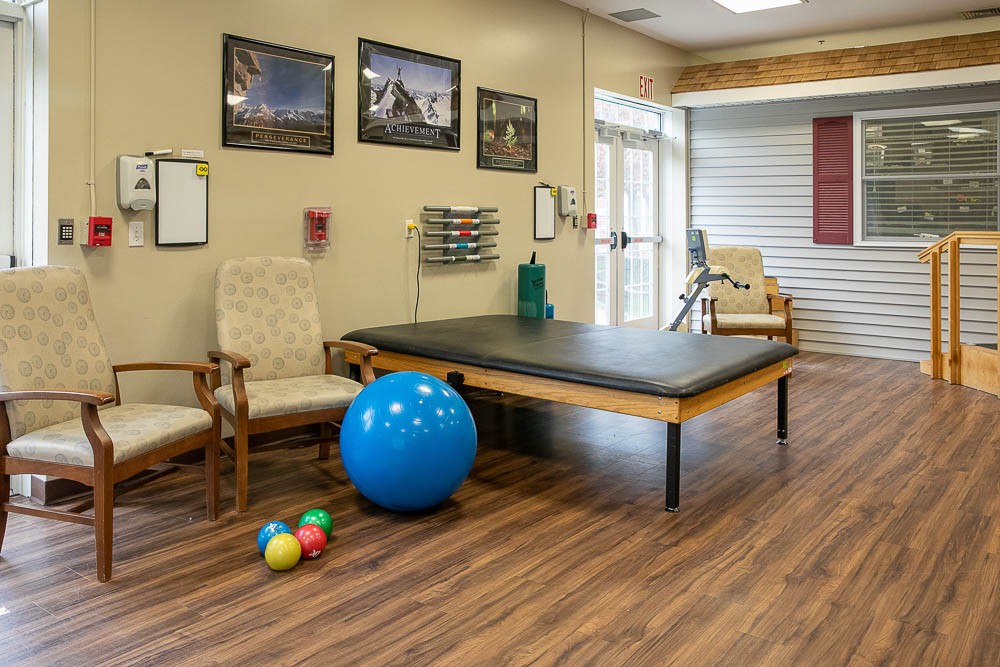
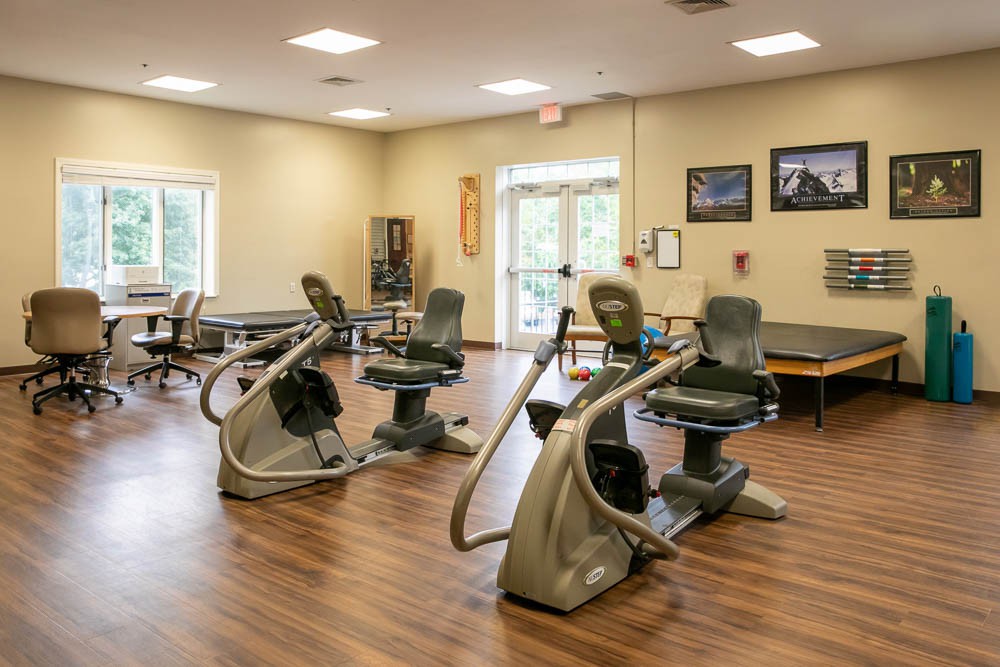
  • Fitness room Fitness roomHaving a fitness room in a senior living community is essential for seniors to stay active, maintain their physical health, and improve their overall well-being. Regular exercise can help prevent falls, reduce the risk of chronic diseases, and promote mental sharpness. It also provides social opportunities for residents to connect with others and enjoy a sense of community.
  • Fully furnished Fully furnishedFully furnished senior living communities are important for seniors because they provide convenience, comfort, and a hassle-free moving experience. Seniors can easily settle into their new living space without the stress of having to buy and move furniture. This allows them to focus on enjoying their new home and community.
  • Gaming room Gaming roomGaming rooms are important for seniors as they provide a fun and engaging environment for socializing, cognitive stimulation, and physical activity. Games can improve memory, problem-solving skills, and overall mental well-being while fostering friendships and reducing feelings of isolation.
  • Garden GardenGardens are important for seniors as they provide a peaceful and therapeutic environment for relaxation, physical activity, and socialization. Being in nature has been shown to reduce stress, improve mood, and promote overall well-being. Gardens also offer opportunities for seniors to engage in gardening activities, which can improve mobility, flexibility, and cognitive function. Additionally, gardens create a sense of community and connection with others who share a passion for plants and outdoor spaces.
  • Housekeeping services Housekeeping servicesHousekeeping services are important for seniors because they help maintain a clean and safe living environment, promote independence, and reduce the risk of accidents or illnesses. Additionally, having assistance with household chores can alleviate physical strain and allow seniors to focus on other aspects of their well-being.
  • Kitchenette KitchenetteKitchenettes are important for seniors living in senior living communities because they provide the convenience and independence of being able to prepare simple meals and snacks in the comfort of their own living space. This can help promote a sense of autonomy and well-being for seniors, allowing them to maintain some level of control over their dietary choices and daily routines.
  • Move-in coordination Move-in coordinationMove-in coordination is important for seniors because it helps ease the transition into their new living environment. It ensures that all logistics, such as packing, organizing movers, and setting up utilities are taken care of, allowing seniors to focus on settling in and adjusting to their new home. Having a smooth move-in process can alleviate stress and anxiety, making the transition smoother and more enjoyable for seniors.
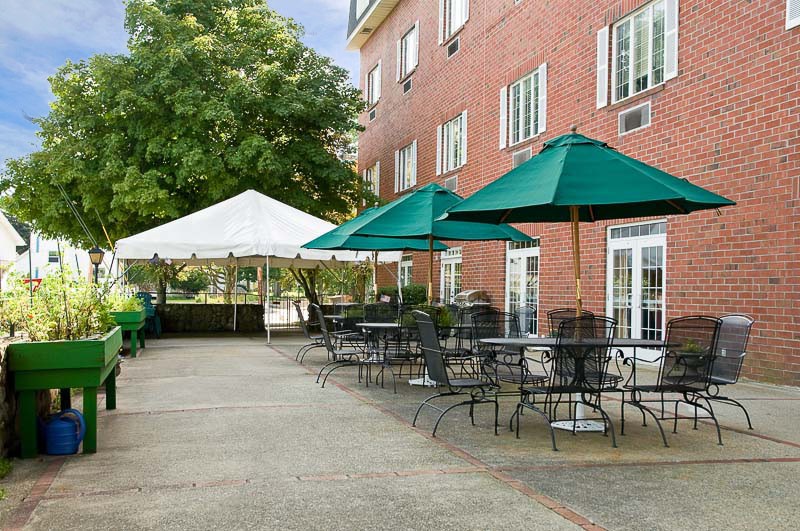
  • Outdoor space Outdoor spaceOutdoor spaces are important for seniors as they provide opportunities for physical activity, social interaction, exposure to natural light and fresh air, and a sense of connection to nature. Having access to outdoor spaces can improve overall well-being and quality of life for older adults living in senior communities.
  • Private bathrooms Private bathroomsPrivate bathrooms are important for seniors in senior living communities because they provide independence, dignity, and comfort. Having a private bathroom allows seniors to maintain their personal hygiene routines without the need for assistance, promoting a sense of autonomy and privacy. Additionally, private bathrooms help prevent the spread of infections and provide a safe and clean environment for seniors to navigate safely.
  • Restaurant-style dining Restaurant-style diningRestaurant-style dining is important for seniors because it allows them to enjoy delicious, nutritious meals in a social and upscale setting. This enhances their dining experience, promotes healthy eating habits, and fosters socialization with fellow residents, ultimately contributing to their overall well-being and quality of life.
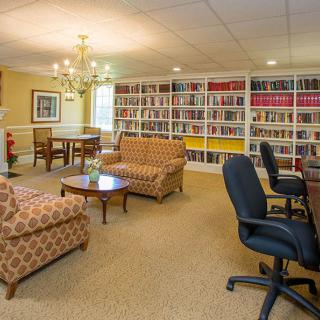
  • Small library Small librarySmall libraries are important for seniors as they provide access to a variety of reading materials, including books, newspapers, and magazines. This can help stimulate their minds, keep them engaged, and provide a sense of community through book clubs and other social activities. Additionally, reading has been shown to improve cognitive function and overall mental well-being in older adults.
  • Telephone TelephoneTelephones are important for seniors as they provide a lifeline for communication with loved ones, emergency services, and healthcare providers. They offer a sense of security and independence, enabling seniors to stay connected and access assistance when needed.
  • Wellness center Wellness centerWellness centers are important for seniors because they offer a variety of programs and services that promote physical, mental, and emotional well-being. These centers provide opportunities for exercise, socialization, education, and relaxation, helping seniors maintain their overall health and quality of life.
  • Wi-Fi/high-speed internet available Wi-Fi/high-speed internet availableWi-Fi/high-speed internet is important for seniors to stay connected with loved ones, access online resources, and participate in virtual activities to combat feelings of loneliness and isolation. It also allows them to easily manage healthcare needs, access entertainment, and engage in lifelong learning opportunities.

Transportation

  • Theodore F Green State (8 miles away) Theodore F Green State (8 miles away)
  • Community operated transportation Community operated transportationCommunity operated transportation is crucial for seniors as it provides them with the means to access essential services, social activities, and medical appointments. It allows seniors to maintain their independence and quality of life by ensuring they can participate in activities outside of their homes. Additionally, community-operated transportation services offer a safe and reliable way for seniors to travel without having to rely on family or friends for assistance.
  • Transportation arrangement Transportation arrangementTransportation arrangements are crucial for seniors as they may face challenges with driving, mobility, or access to public transportation. Having reliable transportation services ensures that seniors can easily attend appointments, social activities, and maintain their independence and quality of life.
  • Transportation arrangement (non-medical) Transportation arrangement (non-medical)Transportation arrangements are essential for seniors as they provide access to essential services, activities, and social interactions outside the home. This service helps maintain independence, mobility, and overall well-being for seniors who may have limited transportation options.
  • Transportation to doctors appointments Transportation to doctors appointmentsTransportation to doctors appointments is crucial for seniors as it ensures they have access to necessary medical care and support, promoting their health and well-being. It allows them to receive timely treatment, monitor existing conditions, and address any new health concerns efficiently. Additionally, transportation services can help seniors maintain their independence and quality of life by enabling them to stay connected with their healthcare providers.

Care Services

  • 12-16 hour nursing 12-16 hour nursing12-16 hour nursing care is crucial for seniors in order to ensure around-the-clock monitoring, timely medication administration, and prompt response to any health concerns or emergencies. This level of care helps to promote the overall well-being and safety of seniors living in senior living communities.
  • 24-hour call system 24-hour call system24-hour call systems are important for seniors because they provide peace of mind and immediate assistance in case of emergencies. This technology ensures that help is always available, promoting safety and security for elderly individuals living alone or in assisted living facilities.
  • 24-hour supervision 24-hour supervision24-hour supervision is important for seniors to ensure their safety, well-being, and access to immediate assistance in case of emergencies or health issues. This constant support provides peace of mind for both seniors and their loved ones, allowing them to age in place with dignity and security.
  • Activities of daily living assistance Activities of daily living assistanceActivities of daily living assistance are important for seniors because they provide essential support with tasks such as eating, bathing, dressing, and mobility. This assistance helps seniors maintain their independence, dignity, and overall quality of life as they age.
  • Assistance with bathing Assistance with bathingAssistance with bathing is crucial for seniors as it helps maintain personal hygiene, prevents infections, and ensures their overall well-being and comfort. It also provides a sense of dignity and independence for seniors who may struggle with this task on their own.
  • Assistance with dressing Assistance with dressingAssistance with dressing is important for seniors because it helps maintain their independence, promotes personal hygiene, prevents accidents and injuries, and improves overall quality of life. This service ensures that seniors can continue to dress comfortably and confidently, despite any physical limitations they may have.
  • Assistance with transfers Assistance with transfersAssistance with transfers is crucial for seniors as it helps prevent falls and injuries, maintains their independence, and ensures they can safely navigate their living environment. It also provides peace of mind for both seniors and their loved ones.
  • Diabetes diet Diabetes dietA diabetes diet is crucial for seniors as it helps manage blood sugar levels, reduce risks of complications, and improve overall health and well-being. By following a balanced and nutritious diet tailored to their specific needs, seniors can better control their diabetes and enhance their quality of life.
  • Meal preparation and service Meal preparation and serviceMeal preparation and service are crucial for seniors as they may have limited mobility or energy to cook nutritious meals. Having access to healthy and convenient food options can ensure they are getting the proper nutrition needed to maintain their overall health and well-being.
  • Medication management Medication managementMedication management is crucial for seniors to ensure they are taking the right medications at the correct dosages and times. This helps prevent adverse drug interactions, reduces the risk of medication errors, and promotes overall health and well-being. Proactive management also allows for adjustments as needed based on changing health conditions or new prescriptions.
  • Mental wellness program Mental wellness programMental wellness programs are essential for seniors as they promote cognitive stimulation, emotional support, and social engagement. These programs help prevent isolation, depression, and cognitive decline, ultimately enhancing the overall quality of life for older adults.
  • Special dietary restrictions Special dietary restrictionsSpecial dietary restrictions are important for seniors because age-related changes in metabolism and health conditions can make it difficult for their bodies to process certain foods. By following a diet tailored to their specific needs, seniors can maintain their overall health and well-being, manage chronic conditions, and reduce the risk of complications such as malnutrition or food interactions with medications.

Dining

  • Diabetes diet Diabetes dietA diabetes diet is crucial for seniors as it helps manage blood sugar levels, reduce risks of complications, and improve overall health and well-being. By following a balanced and nutritious diet tailored to their specific needs, seniors can better control their diabetes and enhance their quality of life.
  • Special dietary restrictions Special dietary restrictionsSpecial dietary restrictions are important for seniors because age-related changes in metabolism and health conditions can make it difficult for their bodies to process certain foods. By following a diet tailored to their specific needs, seniors can maintain their overall health and well-being, manage chronic conditions, and reduce the risk of complications such as malnutrition or food interactions with medications.

Activities

  • Community-sponsored activities Community-sponsored activitiesCommunity-sponsored activities are important for seniors as they provide opportunities for social interaction, mental stimulation, and physical activity. These activities can help improve overall well-being, combat loneliness and isolation, and promote a sense of belonging and purpose among older adults.
  • Concierge services Concierge servicesConcierge services are essential for seniors as they provide assistance with daily tasks and errands, enhance their quality of life by offering convenience and personalized care, and promote a sense of safety and security.
  • Fitness programs Fitness programsFitness programs are crucial for seniors as they help improve strength, flexibility, balance, and overall well-being. Staying active can reduce the risk of chronic diseases, improve mental health, and enhance quality of life in older adults.
  • Planned day trips Planned day tripsPlanned day trips are important for seniors because they offer opportunities for socialization, mental stimulation, and physical activity. They provide a change of scenery and help seniors stay engaged and connected to their community, promoting overall well-being and quality of life.
  • Resident-run activities Resident-run activitiesResident-run activities are important for seniors as they encourage social interaction, creativity, and a sense of autonomy. These activities empower seniors to stay engaged and active in their community while fostering meaningful connections with their peers.
  • Scheduled daily activities Scheduled daily activitiesScheduled daily activities are important for seniors because they provide structure, socialization, mental stimulation, and physical activity. Engaging in regular activities can improve overall well-being and quality of life for seniors living in a community setting.

Description

Cherry Hill Manor in Johnston, RI is a vibrant and welcoming assisted living community designed to provide comfort, convenience, and care for its residents. With an array of amenities available, residents can enjoy a fulfilling lifestyle while receiving the assistance they need.

The community offers a range of amenities to enhance the quality of life for residents. A beauty salon is available on-site, ensuring that residents can maintain their personal grooming and style. With cable or satellite TV in each residence, entertainment options are readily accessible. Community-operated transportation is provided for outings and errands, making it easy for residents to stay connected with the surrounding area. A computer center allows residents to stay connected with loved ones online and access information as needed.

Dining at Cherry Hill Manor is a delightful experience, with restaurant-style dining available in a spacious dining room. Special dietary restrictions are accommodated to ensure all residents enjoy delicious and nutritious meals prepared by professional staff.

For recreation and wellness, the community offers various spaces and activities. Residents can stay active at the fitness room or engage in games in the gaming room. A small library provides opportunities for quiet reading and learning. Outdoor spaces allow residents to relax amidst nature's beauty. Scheduled daily activities provide social engagement and connection with fellow residents.

Care services at Cherry Hill Manor prioritize the well-being of each resident. A 24-hour call system ensures immediate assistance when needed, while 24-hour supervision provides peace of mind for both residents and their families. Assistance with daily activities such as bathing, dressing, transfers, and meal preparation is readily available. Medication management is provided to ensure medication adherence and safety.

The community also takes into account mental wellness through its mental wellness program that promotes emotional well-being and social interaction among residents. Transportation arrangements are available for non-medical needs as well as transportation to doctors' appointments.

Located near numerous cafes, parks, pharmacies, physicians' offices, restaurants, places of worship, theaters, and hospitals, Cherry Hill Manor offers convenience and accessibility to the surrounding community.

With its comprehensive amenities, care services, dining options, and recreational activities, Cherry Hill Manor in Johnston, RI provides a warm and supportive environment for seniors seeking assisted living.

Nearby Places of Interest

Places of Worship

  • Our Lady of Grace Church (0.3 miles)

Pharmacies

  • CVS Pharmacy (0.7 miles)
  • Walgreens (1 miles)
  • CVS Pharmacy (1.3 miles)
  • CVS Pharmacy (1.7 miles)
  • CVS Pharmacy (1.8 miles)
  • Walgreens (2 miles)
  • Shaw's Pharmacy (2.2 miles)

Cafes

  • Latte Love Coffee House (0.9 miles)
  • New Harvest Coffee (2.6 miles)
  • The Nitro Bar (3.1 miles)
  • Starbucks (3.3 miles)
  • White Electric Coffee (3.4 miles)
  • Bolt Coffee (3.6 miles)
  • Starbucks (3.7 miles)

Physicians

  • OPTX Eyewear (1.1 miles)
  • Zhou Linda MD (1.1 miles)
  • Aspire Dermatology (1.2 miles)
  • Lim Richard Atwood Medical Associates Limited Johnston (1.2 miles)
  • Atmed Treatment Center (1.2 miles)
  • Olneyville Health Center (1.8 miles)
  • Findley John K MD - Roger Williams Medical Center (2.4 miles)

Restaurants

  • Chilangos (1.6 miles)
  • Uncle Tony's Pizza and Pasta (1.7 miles)
  • Los Andes Restaurant (2.3 miles)
  • Olneyville New York System (2.4 miles)
  • Troop PVD (2.4 miles)
  • Newport Creamery (2.5 miles)
  • Nick's on Broadway (2.7 miles)

Hospitals

  • Providence VA Medical Center (2.5 miles)
  • Women and Infants Laboratory (4.1 miles)
  • Hasbro Children's Hospital (4.2 miles)
  • Miriam Hospital - Infection, Disease, & Immunology Center (4.2 miles)

Theaters

  • Providence Place Showcase IMAX Theaters (3.4 miles)

Transportation

  • Providence Station - MBTA & Amtrak (PVD) (3.6 miles)

Parks

  • Roger Williams National Monument (3.7 miles)
  • India Point Park (3.7 miles)

Frequently Asked Questions

Where is Cherry Hill Manor?
What photos are available for Cherry Hill Manor in Johnston, Rhode Island?

Nearby Communities

  • The Bridge At Cherry Hill

    The Bridge At Cherry Hill

    Johnston, RI

    4.9 from 74 reviews
    $3,200 to $4,950 / month

    pro Excellent dining and engaging activities with attentive staff.


  • Franciscan Missionaries Of Mary Assisted Living Residence

    Franciscan Missionaries Of Mary Assisted Living Residence

    North Providence, RI

    5 from 11 reviews
     

    pro 24-hour care with daily living assistance and care coordination

  • Hillcrest Villages

    Hillcrest Villages

    Providence, RI

    3.1 from 7 reviews
     

    pro Excellent access to dining, healthcare, and social amenities nearby.

  • Anchor Bay at Pocasset

    Anchor Bay at Pocasset

    Johnston, RI

    4.4 from 147 reviews
    $2,980 to $4,770 / month

    pro Caring staff in a bright, welcoming community with engaging activities.

  • Maple Gardens II

    Maple Gardens II

    Providence, RI

    3.4 from 7 reviews
     

    pro Extensive nearby amenities and healthcare access for convenient, social living.

  • Hopkins Manor

    Hopkins Manor

    North Providence, RI

    4.7 from 110 reviews
     

    pro Attentive, responsive staff that listens to residents' needs.

  • Capitol Ridge At Providence

    Capitol Ridge At Providence

    Providence, RI

    4.4 from 81 reviews
    $2,750 to $3,750 / month

    pro Friendly, attentive staff with a strong sense of community and good dining.

  • Arbor Hill

    Arbor Hill

    Providence, RI

    3.8 from 10 reviews
     

    pro Courteous director and active activities with 24-hour supervision.

  • Darlington Memory Lane

    Darlington Memory Lane

    North Providence, RI

    4.1 from 61 reviews
    $3,800 to $5,200 / month

    pro Clean, home-like setting with compassionate staff and affordable memory care.

Related Resources

  • nursing home costsA Detailed Examination of Nursing Home Costs Across the U.S.
    Nursing home care costs in the U.S. vary significantly based on location, level of care, and amenities, with private room prices ranging from approximately $6,700 to over $30,000 monthly. Families need to explore various payment options and conduct thorough research to manage these expenses effectively.

  • non medical home careExploring Nonmedical Home Care: Understanding Services, Costs, and Financial Approaches

    Nonmedical home care provides assistance with daily activities and companionship for individuals wishing to maintain independence and quality of life at home, without medical intervention. Its growing popularity is driven by an aging population, the need for supportive environments for recovery, and the emotional benefits of caregiver companionship, while costs vary based on service frequency and location.

  • brain games for seniorsEngaging Brain Games and Innovative Apps to Keep Senior Minds Active
    Maintaining cognitive fitness through engaging in various brain games, both traditional and digital, is crucial for seniors as it enhances memory retention, problem-solving abilities, and emotional well-being while helping to protect against age-related decline. A holistic approach that includes diverse activities, physical exercise, a balanced diet, and social interaction further supports mental health and cognitive function.