Residents and visitors repeatedly describe the facility as clean and well kept.
Many reviewers say the building is very clean, immaculate, and consistently maintained in hallways, rooms, and common areas. Some mention renovations that make the space feel newer, with clean smells and bright interiors. A smaller set of comments point to problems in certain areas, including an older, dingy unit and unsanitary conditions beyond the first-floor rehab areas.
common28 reviews mention this
Staff care and attentiveness
The biggest strength residents mention is kind, respectful, attentive staff.
Across many reviews, families and visitors describe staff as friendly, respectful, and responsive to needs, including nurse and CNA teamwork. Several comments highlight caregivers treating residents with patience and dignity, and feeling that residents are in good hands. At the same time, a few reviewers describe occasions when help was delayed or staff did not respond as expected, which affected their experience early on or during specific incidents.
differentiator3 reviews mention this
Dialysis on site helps some
Some reviews specifically call out the benefit of dialysis provided on site.
A few reviewers mention an on-site dialysis setup as a major convenience for their loved ones. These comments frame dialysis availability as an “extraordinary benefit,” and others say tours showed an on-site dialysis center. Reviews that focus on care teams and rehab services also connect that availability to smoother recovery planning.
caveat5 reviews mention this
Food service is inconsistent
Food quality and temperature come up as a recurring disappointment for some.
While some reviewers say meals are good, others describe trays arriving cold or not appealing. One reviewer also raises concerns about diabetic meal adherence, saying the diet requested was not consistently followed. Another comment rates the food as middle of the road. Since the community offers diabetes and special-diet support, these mixed dining experiences appear to depend on how well individual needs are met day to day.
caveat4 reviews mention this
Care response can fail under stress
Some reviews describe delayed response to urgent needs.
A small number of reviewers report serious lapses when help was needed quickly, including call light response taking too long and concerns about basic care not being addressed. Another comment says the facility was rough at first and that staff should have answered while a patient needed assistance. There are also complaints about communication around appointments and medication, with one review describing a drawn-out runaround for cold medicine and confusion about scheduled doctor visits.
caveat2 reviews mention this
Memory care quality varies
Reviews suggest condition and environment may be uneven on memory-related floors.
One reviewer describes the memory care unit as older and dingy, including odor concerns and a less comfortable environment compared with the first floor. In contrast, another reviewer with a family member experiencing dementia reports positive, patient-based care and says a dedicated program director is available with questions and concerns. Taken together, the comments point to differences by area even within the same overall community experience.
How we summarize
Counts show how many written reviews mention each theme; a review can touch several themes, and only frequently mentioned themes are displayed.
Features
Housing
200 resident community capacity
Types of Care
Skilled Nursing Facility
Amenities
Air-conditioning
Beauty salon
Cable or satellite TV
Computer center
Dining room
Fitness room
Fully furnished
Gaming room
Garden
Housekeeping services
Kitchenette
Move-in coordination
Outdoor space
Private bathrooms
Restaurant-style dining
Small library
Telephone
Wellness center
Wi-Fi/high-speed internet available
Transportation
Theodore F Green State (10 miles away)
Community operated transportation
Transportation arrangement
Transportation arrangement (non-medical)
Transportation to doctors appointments
Care Services
12-16 hour nursing
24-hour call system
24-hour supervision
Activities of daily living assistance
Assistance with bathing
Assistance with dressing
Assistance with transfers
Diabetes diet
Meal preparation and service
Medication management
Mental wellness program
Special dietary restrictions
Dining
Diabetes diet
Special dietary restrictions
Activities
Community-sponsored activities
Concierge services
Fitness programs
Planned day trips
Resident-run activities
Scheduled daily activities
Nearby Places of Interest
Pharmacies
CVS Pharmacy (0.2 miles)
CVS Pharmacy (1.2 miles)
Shaw's Pharmacy (1.2 miles)
CVS Pharmacy (2.1 miles)
Walgreens (2.2 miles)
CVS Pharmacy (2.4 miles)
Walgreens (2.4 miles)
Restaurants
Uncle Tony's Pizza and Pasta (1.2 miles)
Mr. Lemon (2.4 miles)
Newport Creamery (2.6 miles)
Los Andes Restaurant (2.7 miles)
Chilangos (2.8 miles)
Sonic Drive-In (2.9 miles)
Snookers (3.3 miles)
Places of Worship
Our Lady of Grace Church (1.9 miles)
New Life Worship Center (4.1 miles)
Physicians
Ocean Orthopedic Services (2.3 miles)
Malik Amer Dr New University Medical Group Providence (2.6 miles)
Findley John K MD - Roger Williams Medical Center (2.7 miles)
Olneyville Health Center (3 miles)
Zhou Linda MD (3.1 miles)
Aspire Dermatology (3.1 miles)
Lim Richard Atwood Medical Associates Limited Johnston (3.1 miles)
Cafes
Latte Love Coffee House (2.7 miles)
Starbucks (3.2 miles)
New Harvest Coffee (3.2 miles)
Providence Bagel (3.5 miles)
Starbucks (3.6 miles)
The Nitro Bar (3.8 miles)
Bolt Coffee (4 miles)
Parks
Lincoln Woods State Park (2.9 miles)
Roger Williams National Monument (3.7 miles)
Lippitt Memorial Park (4 miles)
India Point Park (4.2 miles)
Blackstone Boulevard (4.6 miles)
Hospitals
Providence VA Medical Center (2.9 miles)
Miriam Hospital - Infection, Disease, & Immunology Center (3.5 miles)
Women and Infants Laboratory (4.7 miles)
Theaters
Providence Place Showcase IMAX Theaters (3.7 miles)
Transportation
Providence Station - MBTA & Amtrak (PVD) (3.7 miles)
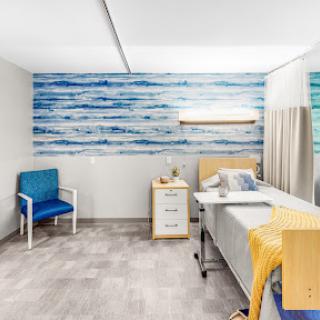
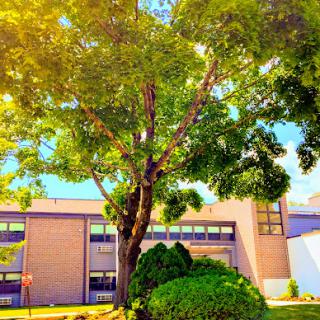
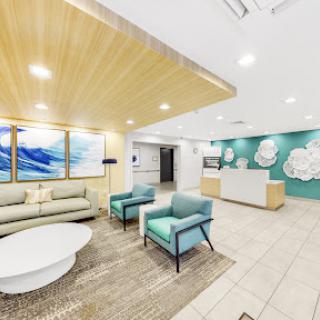
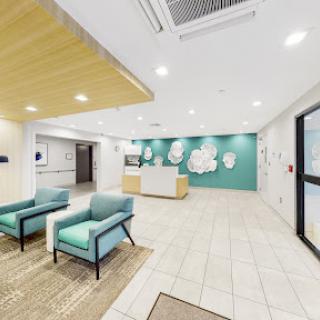
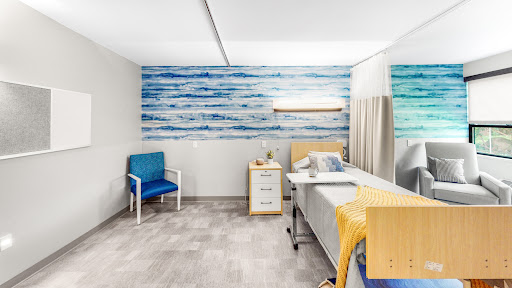
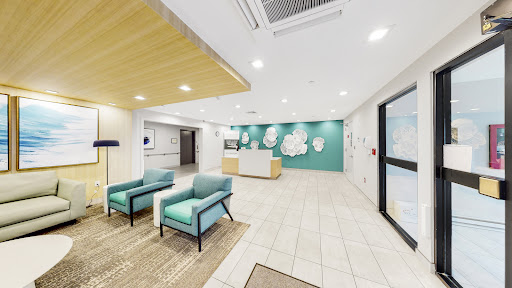
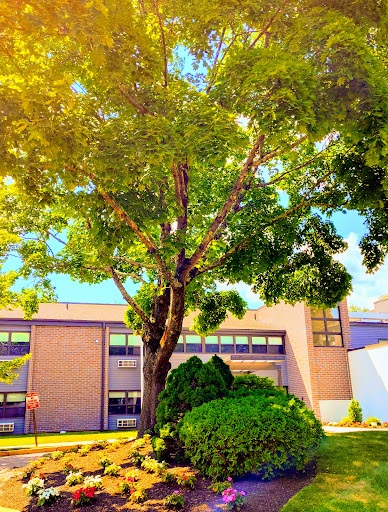
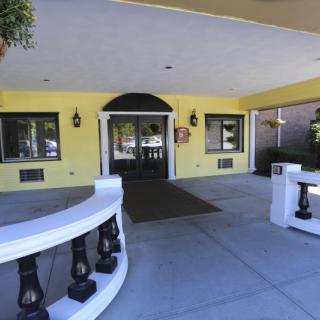
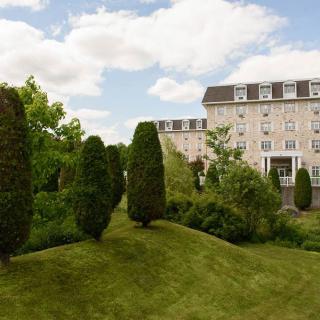
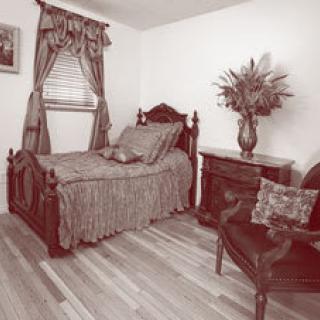
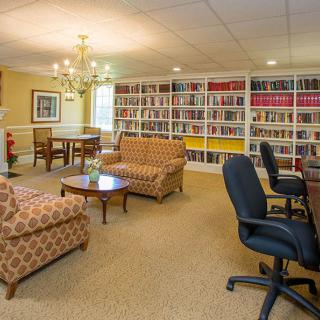
Hopkins Manor on seniors.fyi includes 5 photos including images showing interior, landscaping, lobby, waiting area, reception desk, building, outdoor, nature, and more.
Nearby Communities
Maple Gardens II
Providence, RI
3.4 from 7 reviews
Extensive nearby amenities and healthcare access for convenient, social living.
Douglas Commons
North Providence, RI
Convenient access to parks, healthcare, dining, transportation, and places of worship for a 55+ community.
Douglas Terrace
Providence, RI
$850 to $1,100 / month
Affordable pricing in a location close to shops, parks, and hospitals.
Heritage Hills Nursing & Rehabilitation Center
Smithfield, RI
4.2 from 113 reviews
Clean, welcoming environment with caring, communicative staff.
Golden Crest Nursing Centre
North Providence, RI
3.5 from 65 reviews
Kind, attentive staff; clean facilities and engaging activities.
Franciscan Missionaries Of Mary Assisted Living Residence
North Providence, RI
5 from 11 reviews
24-hour care with daily living assistance and care coordination
The Bridge At Cherry Hill
Johnston, RI
4.9 from 77 reviews
$3,200 to $4,950 / month
Excellent dining and engaging activities with attentive staff.
Darlington Memory Lane
North Providence, RI
4.2 from 67 reviews
$3,800 to $5,200 / month
Clean, home-like setting with compassionate staff and affordable memory care.
Capitol Ridge At Providence
Providence, RI
4.4 from 91 reviews
$2,750 to $3,750 / month
Friendly, attentive staff with a strong sense of community and good dining.
Senior move management provides specialized support for older adults relocating by assisting with logistics, emotional challenges, and downsizing decisions to ensure a smooth transition to new living environments. These services address the unique needs of seniors and have become increasingly important as baby boomers retire and seek to downsize.
Weight training is vital for seniors to maintain muscle mass, bone density, and overall health, combating age-related declines through customized resistance exercises that enhance balance and well-being. Safe routines should start with realistic goals and proper form, while emphasizing gradual progress and consultations with healthcare providers to ensure safety and effectiveness.
The Sandwich Generation comprises adults managing the dual responsibilities of caring for aging parents and raising children, leading to significant emotional, logistical, and financial challenges. This situation is exacerbated by longer life expectancies and cultural expectations, necessitating effective coping strategies and support resources to alleviate caregiver stress and burnout.
Get PricingAsk A QuestionSchedule A TourContact Senior Advisor
By clicking submit, you agree to our Partner's Terms of Use. You
also consent to receive calls and texts, which may be autodialed, from our Partner. Your consent is not a condition to
using our Partner's service. Please visit our Partner's Privacy Policy for information about their privacy practices.




 200 resident community capacity
 Skilled Nursing Facility
 Air-conditioning
 Beauty salon
 Cable or satellite TV
 Computer center
 Dining room
 Fitness room
 Fully furnished
 Gaming room
 Garden
 Housekeeping services
 Kitchenette
 Move-in coordination
 Outdoor space
 Private bathrooms
 Restaurant-style dining
 Small library
 Telephone
 Wellness center
 Wi-Fi/high-speed internet available
 Theodore F Green State (10 miles away)
 Community operated transportation
 12-16 hour nursing
 24-hour call system
 Activities of daily living assistance
 Assistance with bathing
 Assistance with dressing
 Assistance with transfers
 Diabetes diet
 Medication management
 Mental wellness program
 Special dietary restrictions
 Concierge services
 Planned day trips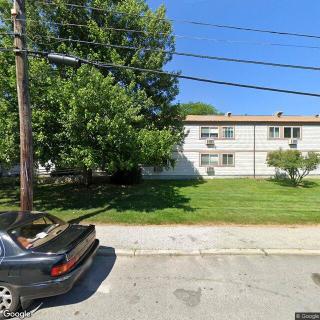
 Extensive nearby amenities and healthcare access for convenient, social living.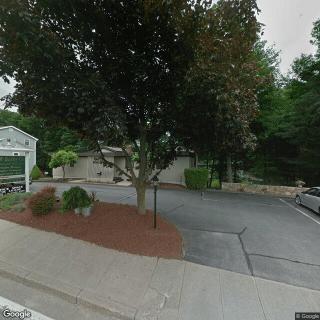

 Senior Move Management: Understanding the Role, Value, and Associated Costs
 Weight Training for Seniors: Building Strength and Vitality
 Understanding the Sandwich Generation: Stress and Responsibilities for Multigenerational Caregivers