Manor Care Health Svc in York, PA
Save2400 Kingston Ct, York, PA 17402
For more information about senior living options: (844) 490-3973
This community is best suited for seniors who are coming out of a hospital stay and need structured, hands-on rehabilitation coupled with attentive daily care. The clearest value lies in robust therapy programs (PT/OT/SLP) and a front-line culture that many families describe as warm, responsive, and person-focused. For residents who crave a predictable routine, straightforward admissions, and a staff that can rally quickly to medical needs, this setting can feel like the right fit. It works best when there is a family willing to stay engaged, ask questions, and coordinate care across therapy, nursing, and social work to ensure continuity as the resident progresses toward independence.
That said, several families should consider alternatives. The strongest warning sign is uneven care and responsiveness, particularly on certain shifts, which appears in multiple accounts. If dependable help with a call light, timely assistance with Activities of Daily Living, and consistently clean, well-maintained rooms are non-negotiables, other facilities with higher staffing ratios and more uniform administrative oversight may be preferable. Families who have had or fear repeated medication questions, missed treatments, or unresolved laundry and personal-item issues will want to compare options carefully. In short, when safety and reliability are the chief criteria, this community may not always meet expectations, and exploring rival operators with stronger track records on consistency is prudent.
On the positive side, the strongest argument in favor of this community is the depth of direct, compassionate care delivered by front-line staff. Reviews repeatedly highlight friendly nurses, diligent aides, and admissions personnel who make families feel welcome and understood. Therapy teams are commended for diligence and the ability to push residents toward physical independence, while activity staff cultivate engaging programming that residents look forward to. Cleanliness and an actively maintained environment also surface in many anecdotes, with guests praising well-kept spaces, organized operations, and transportation that feels thoughtful and dependable. The culinary side often wins praise as well, with menu variety, attentive kitchen staff, and dietary customization that can accommodate restrictions without sacrificing enjoyment. Taken together, these upper-tier elements create meaningful moments of relief and progress for many residents.
Yet the negatives cannot be dismissed, and they frequently center on staffing realities and process gaps. The most persistent concern is inconsistent coverage, where some shifts deliver attentive, prompt care and others lag, leaving family members worried about call-light response times and routine support for daily needs. There are recurring reports of medication inconsistencies or lack of clear communication about what medications are being given and why, which undermines confidence in medical oversight. Several accounts describe situations where basic dignity items, such as clean clothing, timely showers, or even intact dentures, fell through the cracks, suggesting systemic strain rather than isolated incidents. Complaints about administration and leadership, including perceived lapses in follow-through after concerns were raised, further color the experience as uneven and frustrating for families trying to advocate effectively for loved ones.
Given these dynamics, families should approach decision-making with a clear plan to manage risk. Before choosing, arrange visits at multiple times and days to observe shifts, ask hard questions about nurse-to-patient ratios, and request direct contact with the director or medical leadership. Insist on a written, resident-specific care plan that outlines therapy goals, medication administration protocols, pain management, and a discharge-to-home pathway. Verify who coordinates social work and family communications, confirm laundry and room-item processes, and establish expectations for call-light response times. If possible, obtain a real-time glimpse of routine care from a consistent caregiver, and push for a trial period that includes a formal mechanism to escalate concerns should they arise. Acknowledge the importance of dining and activity programs, but anchor decisions in the facility’s demonstrated ability to keep residents safe, clean, and engaged on a daily basis.
In the final assessment, this Manor Care York facility presents a compelling option for families prioritizing aggressive rehabilitation, warm interpersonal care, and a food- and activity-forward environment. The upside is credible, staff who interact with residents like people, therapists who push toward recovery, and a facility that often feels calm and well organized. The risk is real, however: staffing variability, episodic lapses in care, and inconsistent administrative follow-through can undermine trust and escalate family stress. If the decision hinges on steadfast reliability, a thorough, side-by-side comparison with other local options is warranted. For families willing to stay closely involved, verify systems, demand transparency, and monitor care closely, this setting can deliver meaningful gains and a compassionate culture that makes a difficult transition more manageable.
Manor Care Health Services in York, PA is an assisted living community that offers a range of amenities and conveniences for its residents. Located in a thriving area, the community is surrounded by various establishments that cater to different needs.
Residents at Manor Care Health Services have access to four cafes nearby, providing them with options for coffee breaks or casual meals outside the community. Two parks nearby offer opportunities for outdoor recreation and relaxation, allowing residents to enjoy nature and fresh air.
The community also benefits from the presence of 11 pharmacies nearby, ensuring easy access to medication and healthcare supplies. With 44 physicians in close proximity, residents have a wide range of healthcare professionals to choose from and can easily schedule appointments.
For dining options, there are 26 restaurants nearby, offering diverse cuisines and dining experiences. This gives residents the chance to explore different culinary delights without having to travel far.
Transportation is made convenient with one transportation option nearby, making it easy for residents to go on outings or attend appointments outside the community if needed.
Spiritual needs are catered to as well, with three places of worship located nearby. This provides residents with comfortable options to practice their faith and participate in religious activities.
Furthermore, two theaters are within close proximity, giving residents opportunities for entertainment and cultural experiences without having to venture too far from home.
Lastly, the presence of seven hospitals nearby ensures that emergency medical care is accessible if required. This gives residents peace of mind knowing that quality healthcare facilities are readily available should they need them.
In summary, Manor Care Health Services in York, PA offers an ideal combination of natural surroundings, healthcare accessibility, varied dining options, transportation convenience, spiritual support systems, cultural stimulation through theaters, and prompt medical attention when necessary.
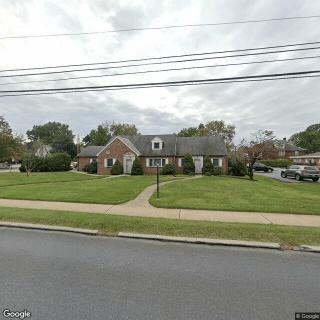
Manor Care Health Svc is located at 2400 Kingston Ct, York, PA 17402 in York County, Pennsylvania
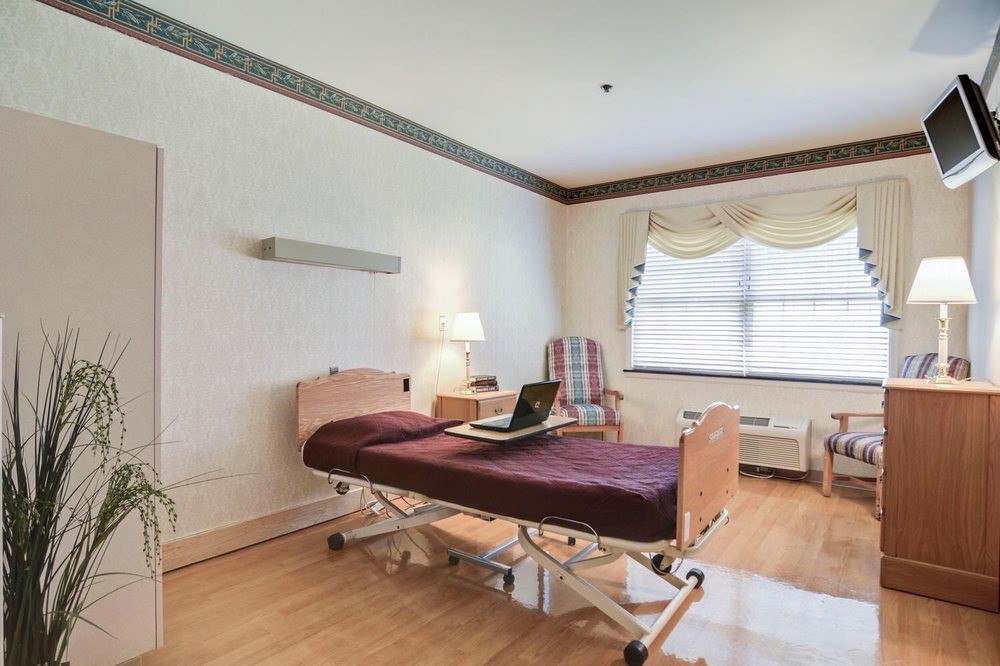
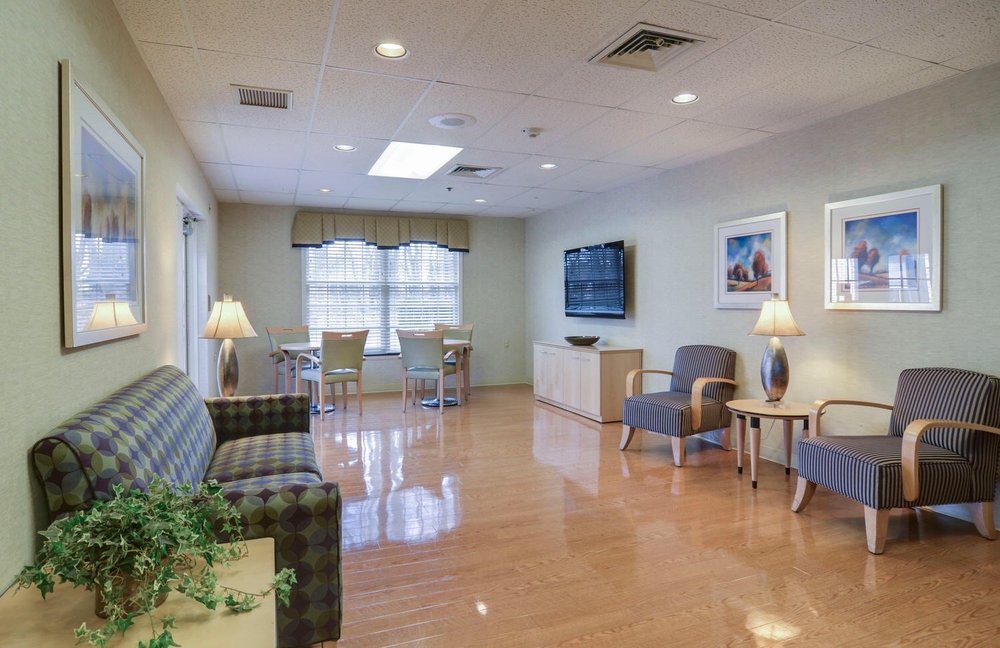
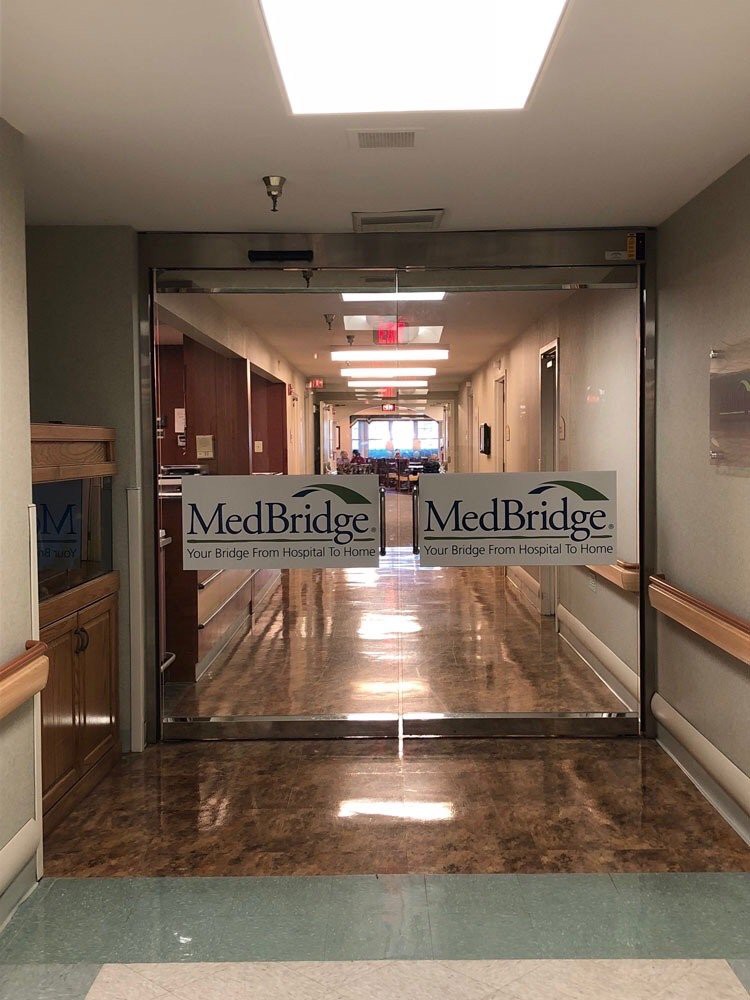
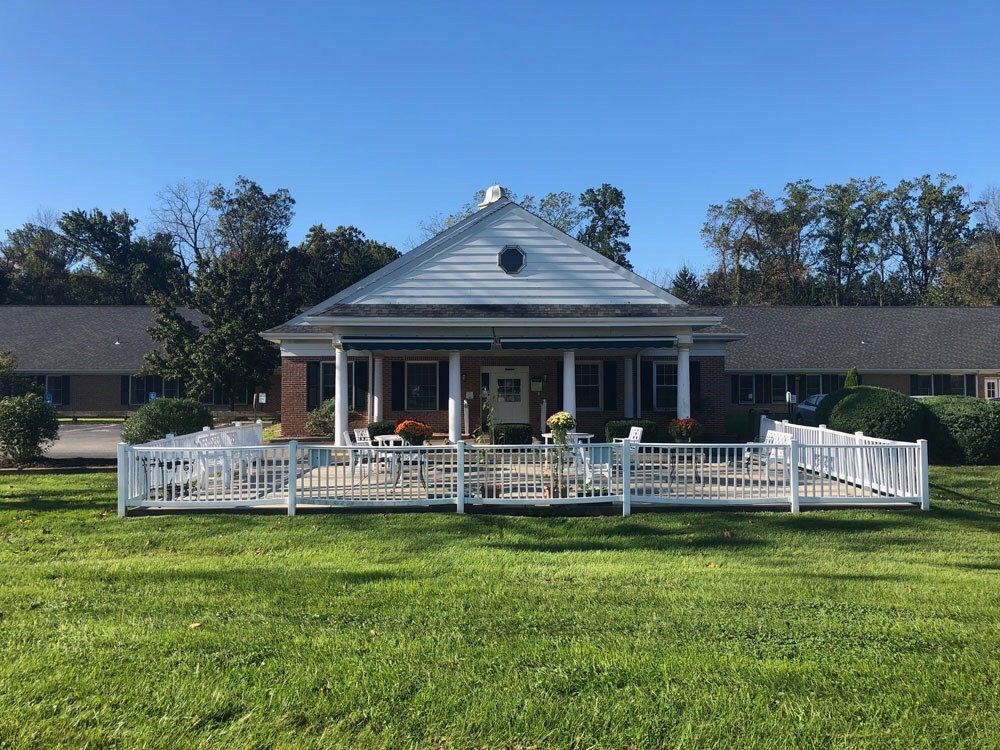
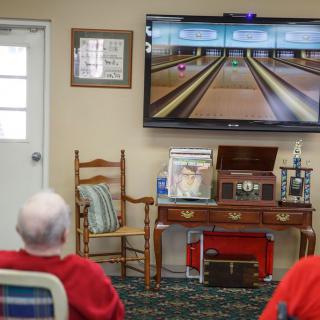
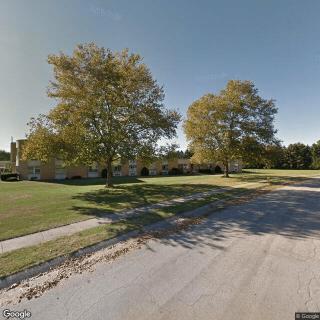
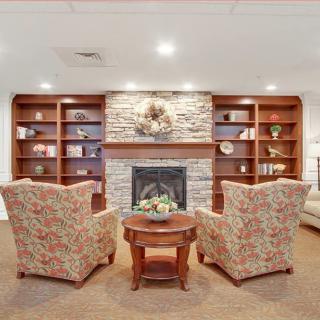
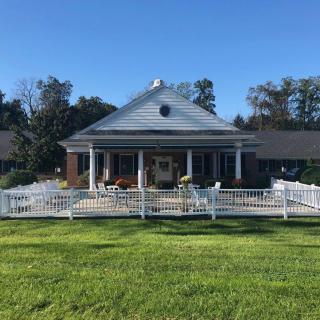
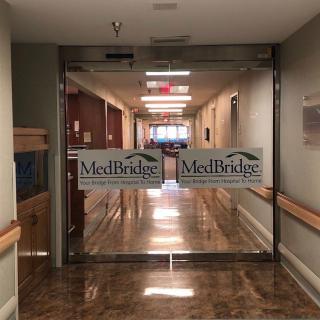
Manor Care Health Svc on seniors.fyi includes 4 photos including images showing interior, windows, healthcare, living room, television, hallway, landscaping, fence, and more.
Encouraging Participation in Adult Day Care: A Guide to Supporting a Hesitant Parent
Adult day care programs offer essential support and activities for older adults, yet many hesitate to participate due to concerns about independence and stigma. To alleviate these apprehensions, families should facilitate open discussions, explore financial resources, suggest trial visits, and collaborate with healthcare providers to highlight the benefits of such services for both the participants and their caregivers.
Comprehensive Exploration of Living Wills and Other Advance Directives

Living wills and advance directives are crucial legal documents that outline an individual's healthcare preferences when they cannot make decisions themselves, enhancing patient autonomy and alleviating family stress during medical crises. The article emphasizes the need for these documents to be personalized, legally valid, and regularly updated, while also encouraging communication about end-of-life wishes among family members and healthcare providers.
A Detailed Exploration of Living Wills and Advance Directives
The article examines living wills and advance directives, highlighting their significance in expressing healthcare preferences for those unable to communicate due to illness or incapacity. It discusses their historical development, legal components, limitations, practical drafting advice, and the importance of clear communication among families and healthcare professionals regarding end-of-life decisions.