
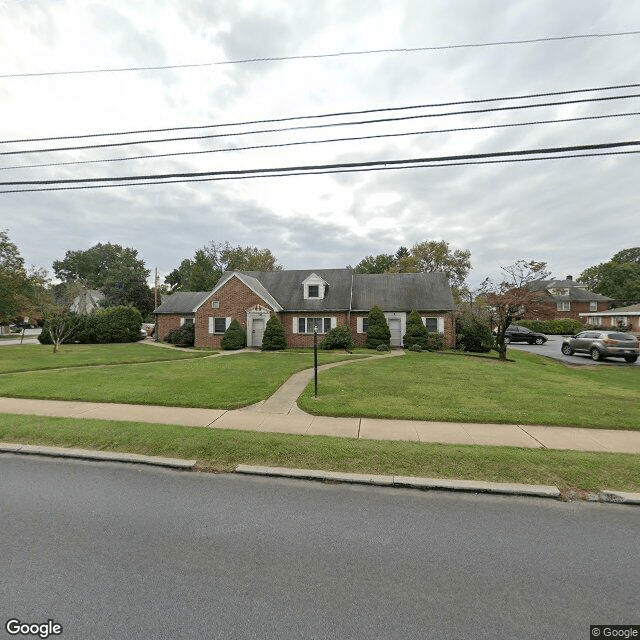
1926 East Market Street, York, PA 17402
To contact a resident: (717) 755-2103
For more information about senior living options: (866) 208-4318
Overall Review of Market Street Specialized Community Residence
Pros
 The therapists are great and truly care about the patients.
- They are flexible with schedules, which is wonderful for parents.
- The program is a stepping stone toward more treatment afterwards.
- They help set up aftercare.
- The psychiatrist is absolutely wonderful; he definitely listens and cares.
- The reviewer highly recommends CSG for mental health treatment.
Review
Market Street Specialized Community Residence in York, PA is best suited for adults pursuing structured mental health treatment who also need a clear, supported path to continuing care after discharge. The community earns strong marks for clinical leadership that genuinely engages with both the individual and the family system, with therapists described as caring and flexible, and a psychiatrist who listens attentively. The program operates as a bridge, designed to stabilize, progress, and set up concrete aftercare so transitions don’t fall apart once independence resumes. Families facing a real treatment progression rather than a pure living arrangement will find the core value here in the continuity of professional oversight and the practical walk-through from admission to discharge planning.
Not everyone should count on Market Street as the final stop, however. Alternatives deserve consideration for clients with needs beyond a therapy-centric model. Those requiring round-the-clock medical supervision, high-acuity custodial support, or housing that prioritizes social programming and independent living with minimal clinical touch may find other senior-appropriate or medical-respecialized options a better match. A footprint of care that emphasizes treatment pathways over long-term, non-clinical residential living may feel lacking for individuals who want more in-house amenities, social opportunities, or hands-on daily living support without an emphasis on ongoing psychotherapy.
Pros are concrete and meaningful, and they tend to offset the main trade-offs. The standout strength is the clinical team: skilled therapists who are described as truly caring, a responsive psychiatrist who listens, and praise for the staff’s willingness to adapt to family schedules. This combination translates into real-world benefits, the program’s stated aim of establishing aftercare, coordinating referrals, and positioning residents for continued improvement beyond the brick-and-mortar stay. The flexibility with scheduling is not a minor convenience but a practical necessity for parents and working family members, reducing friction and enabling consistent engagement in treatment. When these advantages align with the resident’s readiness for change, the pathway to ongoing recovery becomes credible and actionable.
The drawbacks are not dramatic, but they matter in decision-making. The most visible signal is the lopsided rating pattern: eight five-star reviews alongside a single two-star rating among nine total, suggesting that experiences can vary and that unmet expectations may exist for some. Details about day-to-day life beyond therapy, such as activities, cuisine, housing comfort, or the breadth of services offered, are not fully laid out in the available feedback, leaving some families to fill gaps through direct inquiry. Importantly, the program’s core emphasis on treatment means that families seeking a purely community-living environment with minimal clinical involvement should look elsewhere. This is not a campus designed to be a one-stop, all-encompassing senior residence; it is a clinically oriented bridge program.
In deciding, the practical takeaway centers on alignment with goals. If the objective is a credible, professionally staffed treatment experience that culminates in solid aftercare and a stepped transition, Market Street delivers with conviction. The care team’s responsiveness, combined with scheduling flexibility, reduces the friction commonly associated with therapy-based programs and supports families in maintaining continuity of care. Conversely, if a care plan demands heavy medical oversight, longer-term custodial support, or a setting oriented primarily around social living rather than clinical progression, alternatives should be weighed carefully. This community should be high on the shortlist for families prioritizing structured treatment with a clear exit strategy, while those seeking a more independent, medical, or social senior living model may want to explore other options first.
 Board and Care Home
 Harrisburg International (16 miles away)








 Seniors and Modern Transportation: Exploring Uber, Lyft, and Other Ride-Hailing Options
 Comprehensive Guide to Qualifying for Home Health Care Services
 Powerful Realities of Elder Abuse and the Most Effective Ways to Report It