For more information about senior living options: (866) 208-4318
4.3 from 47 reviews
5 stars
39
4 stars
0
3 stars
0
2 stars
0
1 stars
8
Overall Review of The Residence at Fitz Farm
caveat4 reviews mention this
Memory care faces serious concerns
Some families report severe problems specifically in memory care.
Several reviews describe distressing experiences in the memory care neighborhood, including allegations of abuse and neglect. The negative reviews also describe a lack of engagement and activities, plus concerns about staffing and communication after problems were raised. Some residents in these negative accounts were ultimately moved to a different community, with families saying the emotional or practical impact remained.
common6 reviews mention this
Staff support during transitions
Residentsā€™ moves are often described as supported by responsive staff.
Multiple reviews highlight how community contacts helped through the move, answering questions, guiding paperwork, and staying available during onboarding. Families also describe ongoing support once residents arrived, including staff helping with daily routines and adjusting as needs changed. In at least a few accounts, specific staff members are credited for making the transition feel smoother and more reassuring.
common6 reviews mention this
Dining quality comes up often
Residents and visitors frequently mention strong dining experiences.
Dining is a recurring bright spot, with reviews describing enjoyable meals and generally positive food quality. Some accounts mention the chef accommodating resident requests and describe food as a point families cared about during the move. A few reviews also connect dining with event experiences, describing dinners and special gatherings as enjoyable.
common4 reviews mention this
Activities and engagement
Residents are described as having opportunities for engagement.
Several reviews say the community keeps residents engaged with scheduled or resident-involved activities. Some mention day-to-day meaningful engagement in a safe environment, while others describe activity-room moments and community events that residents join. Taken together, the reviews suggest activities are a meaningful part of life for many residents, even though not all accounts are positive.
common5 reviews mention this
Facility is repeatedly described as clean
Many reviewers emphasize how clean and well-kept the building feels.
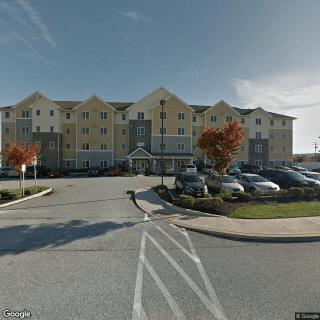
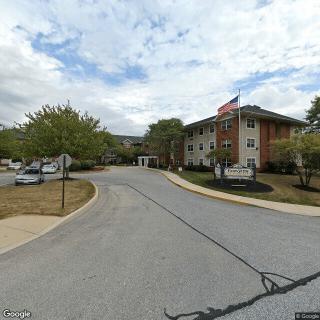
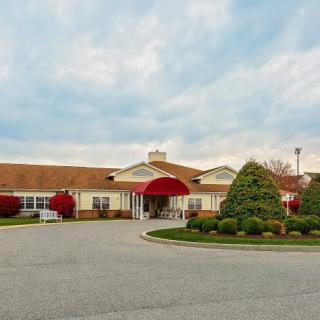
Multiple reviews describe the residence as immaculate, very clean, and well maintained. Families also mention the facility being kept as new and cite cleanliness alongside the overall atmosphere. A few reviews specifically connect this cleanliness to first impressions during tours and events.
How we summarize
Counts show how many written reviews mention each theme; a review can touch several themes, and only frequently mentioned themes are displayed.
Features
Housing
51 resident community capacity
Types of Care
Assisted Living
Independent Living
Memory Care
Amenities
Air-conditioning
Beauty salon
Cable or satellite TV
Computer center
Dining room
Fitness room
Fully furnished
Gaming room
Garden
Housekeeping services
Kitchenette
Move-in coordination
Outdoor space
Private bathrooms
Restaurant-style dining
Small library
Telephone
Wellness center
Wi-Fi/high-speed internet available
Transportation
Harrisburg International (18 miles away)
Community operated transportation
Transportation arrangement
Transportation arrangement (non-medical)
Care Services
12-16 hour nursing
24-hour call system
24-hour supervision
Activities of daily living assistance
Assistance with bathing
Assistance with dressing
Assistance with transfers
Coordination with health care providers
Dementia waiver
Diabetes diet
Hospice waiver
Meal preparation and service
Medication management
Mental wellness program
Mild cognitive impairment
Special dietary restrictions
Specialized memory care programming
Transportation arrangement (medical)
Transportation to doctors appointments
Dining
Diabetes diet
Special dietary restrictions
Activities
Community-sponsored activities
Concierge services
Fitness programs
Planned day trips
Resident-run activities
Scheduled daily activities
Nearby Places of Interest
Pharmacies
GIANT Pharmacy (0.3 miles)
Walgreens (0.4 miles)
CVS Pharmacy (0.5 miles)
York Hospital Pharmacy (1.7 miles)
Shurfine Spry Pharmacy (2.2 miles)
Rite Aid (2.2 miles)
Walgreens (2.5 miles)
Restaurants
Cracker Barrel (0.3 miles)
McDonald's (0.5 miles)
Primanti Bros. Restaurant and Bar York (0.5 miles)
The Residence at Fitz Farm incorporates a range of features that are specifically designed to enhance the quality of life for residents with dementia or Alzheimer's disease. Assistance with dressing, bathing, and transfers ensures that residents maintain personal hygiene and dignity while adapting to their changing physical needs. Medication management plays a critical role in maintaining health stability and preventing confusion, while meal preparation and service guarantee that nutritional requirements are met in a manner that is both enjoyable and safe. Transportation arrangements facilitate access to medical appointments, ensuring continuity of care through effective coordination with healthcare providers. Comprehensive support for activities of daily living allows residents to engage meaningfully despite cognitive challenges, while 24-hour supervision provides peace of mind for families. The dementia waiver and specialized memory care programming create an environment tailored to individual capabilities, fostering both mental wellness and social engagement through thoughtfully curated activities aimed at mild cognitive impairment. Together, these services create a holistic approach that honors each resident's unique journey through memory loss while promoting their independence as much as possible.
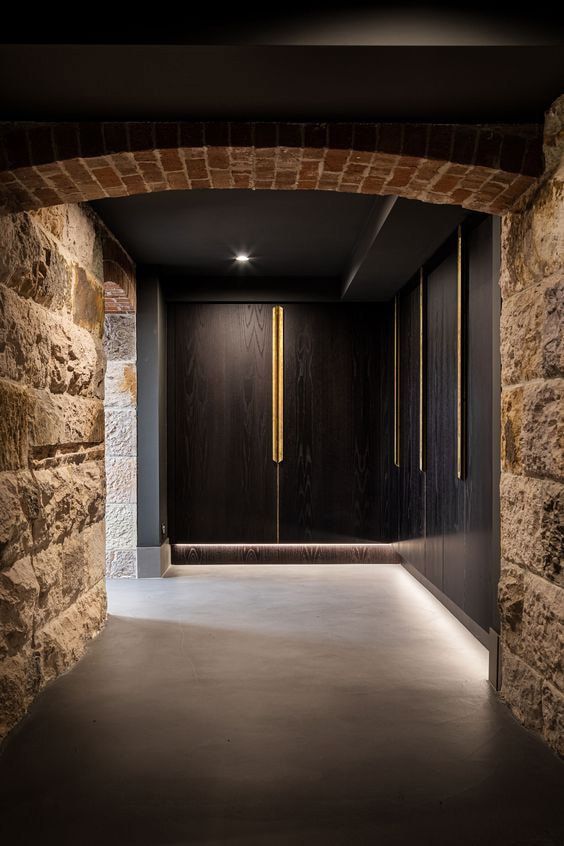
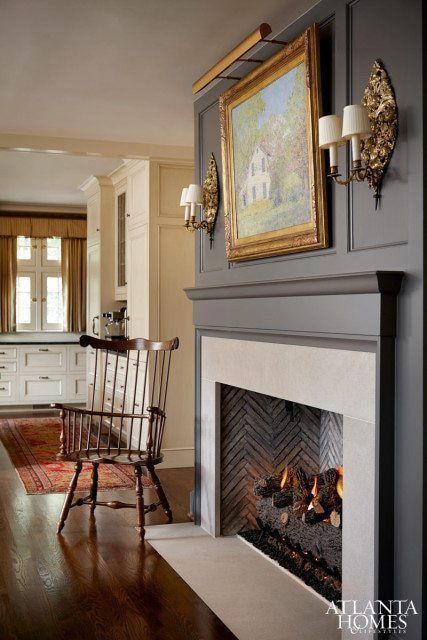
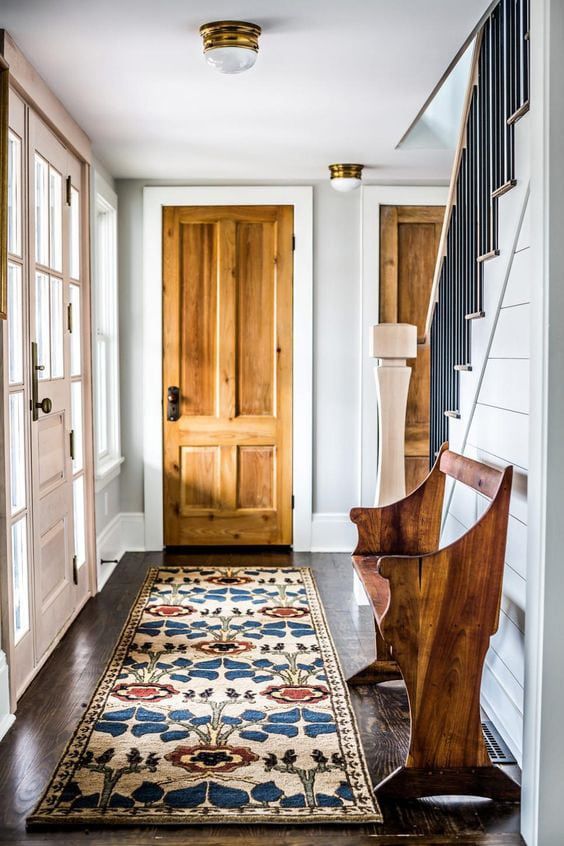
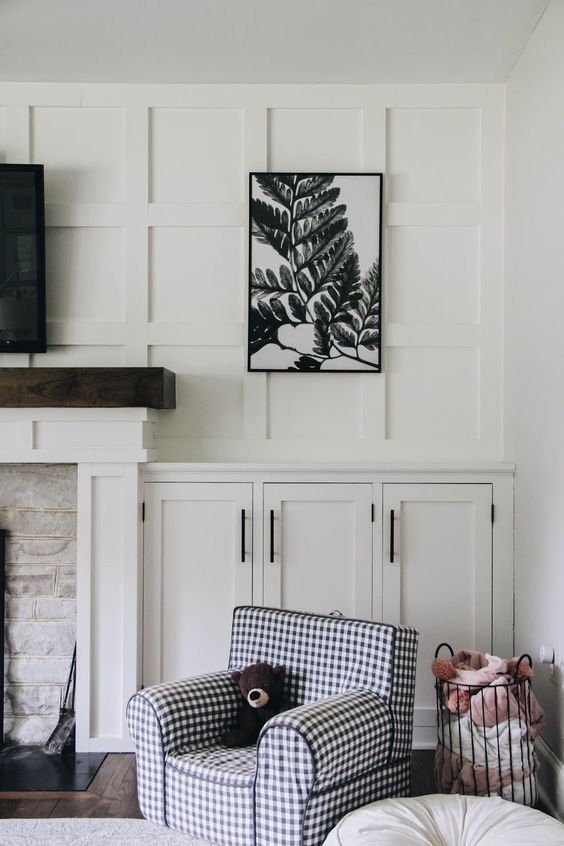
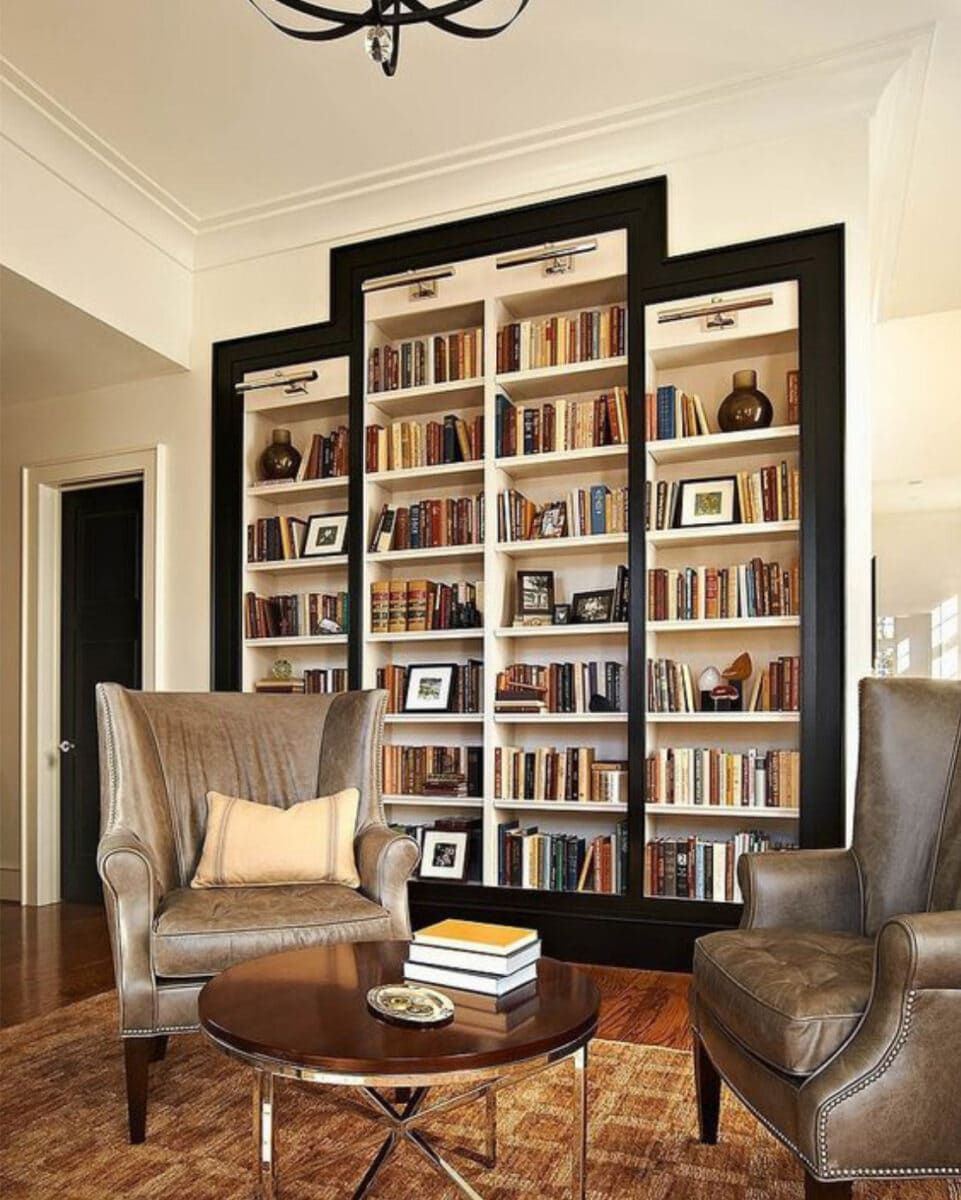
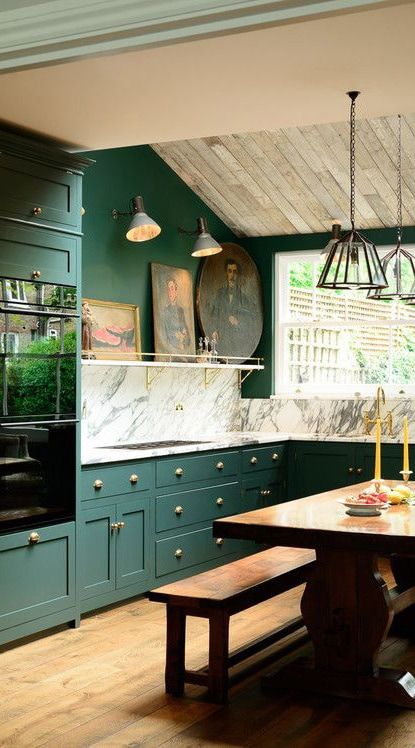
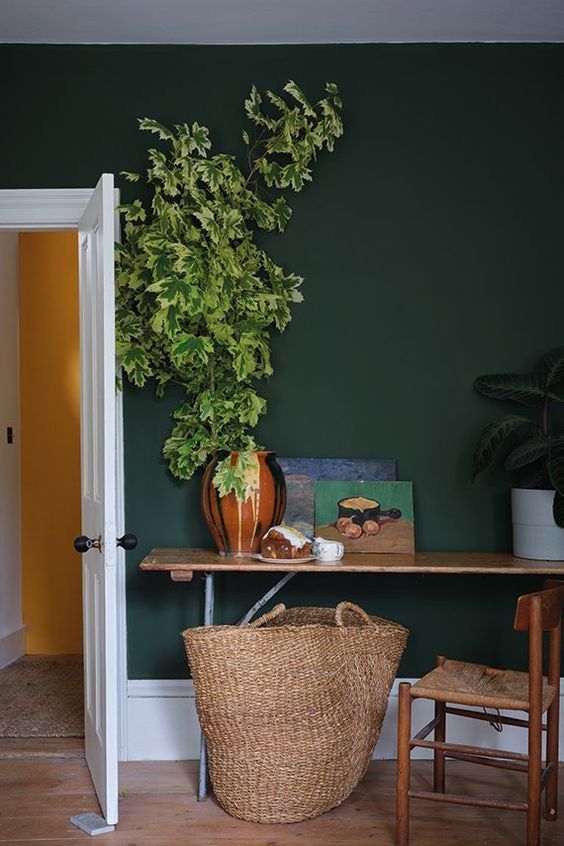
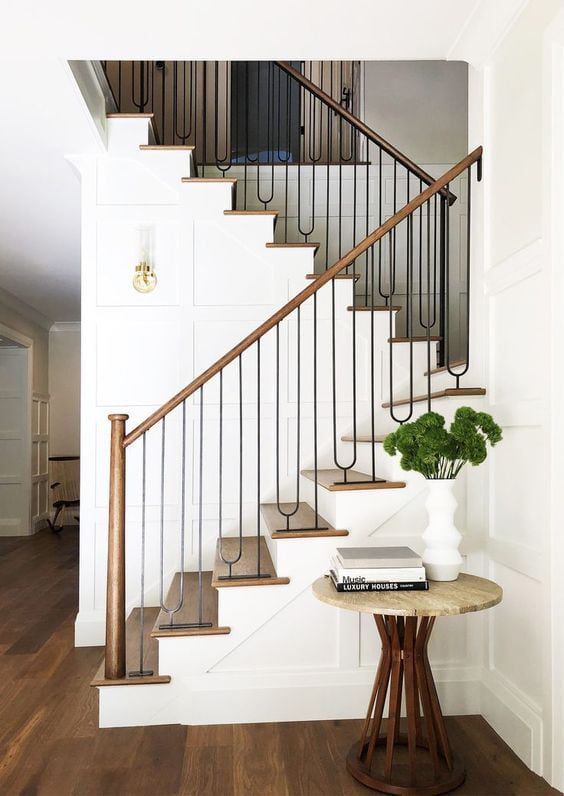
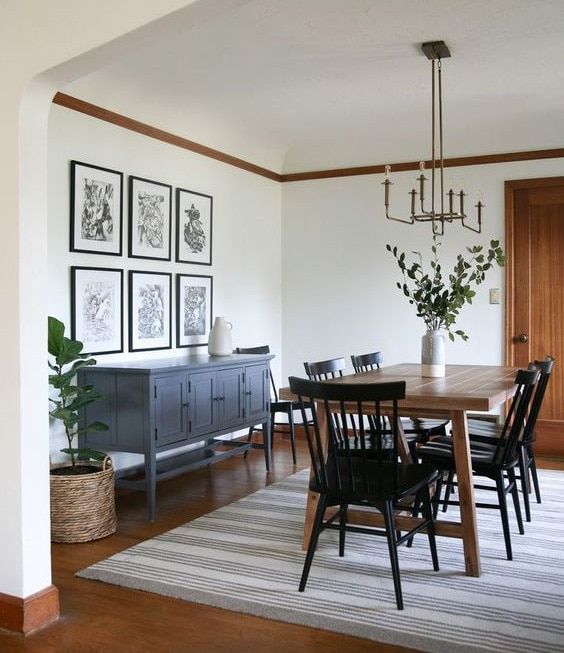
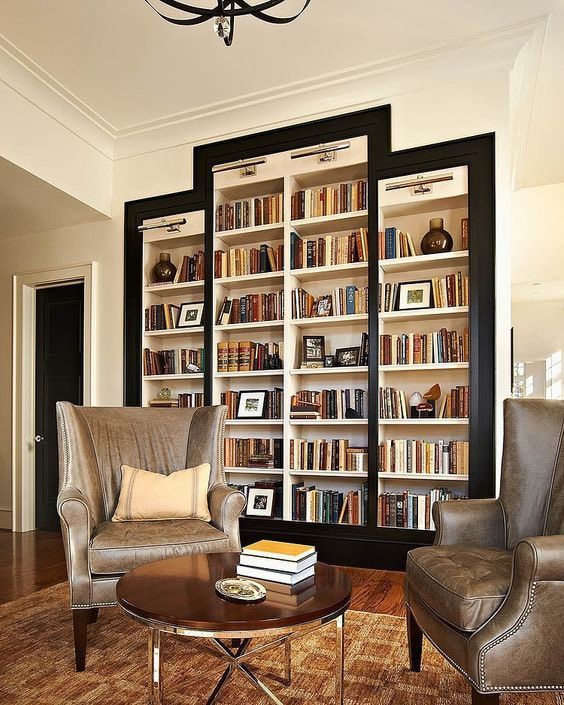
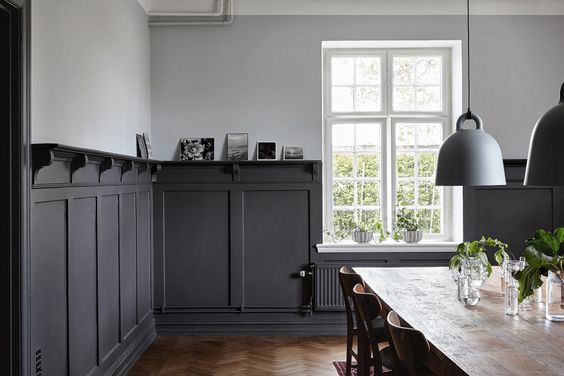
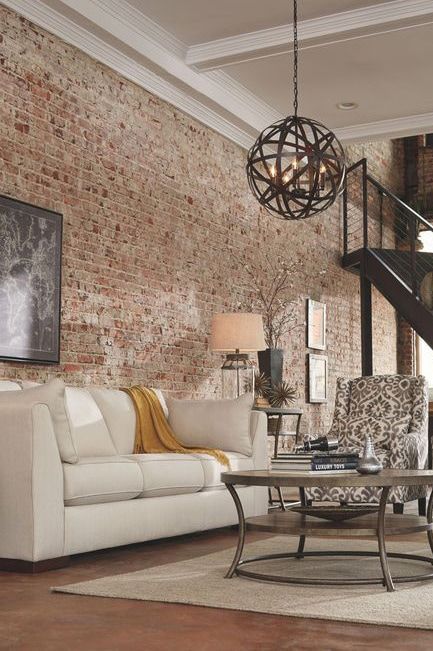
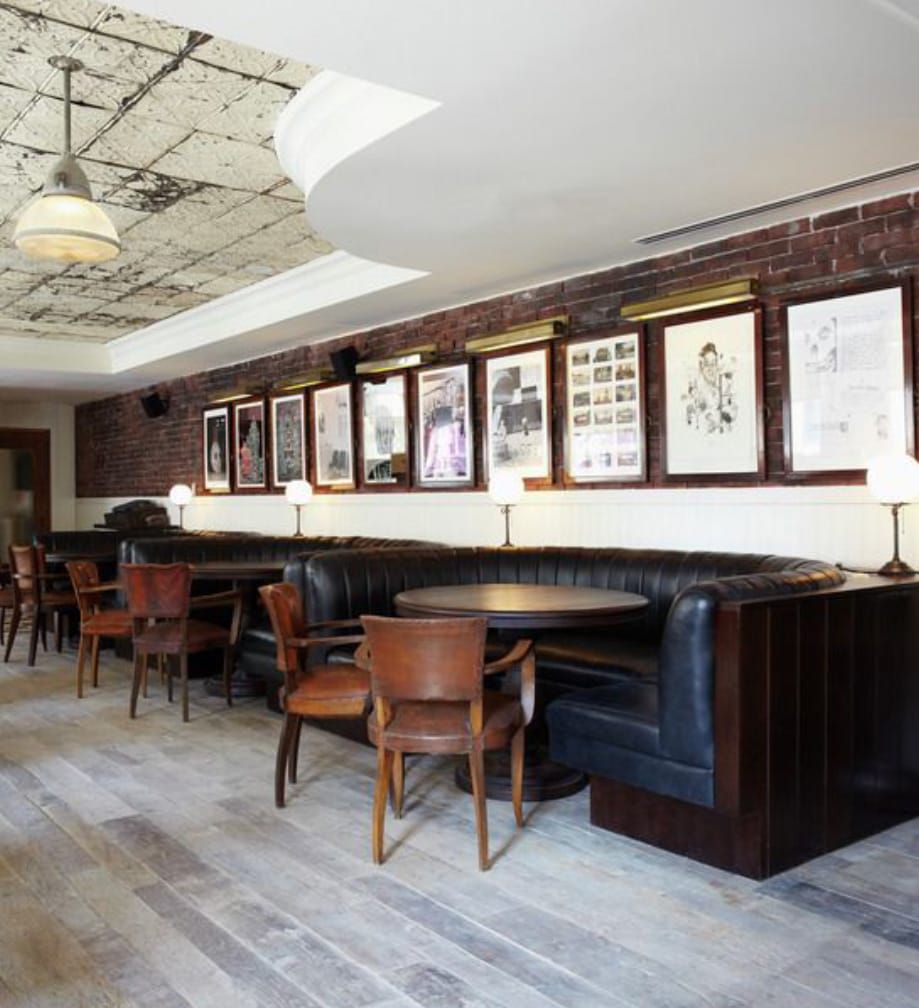
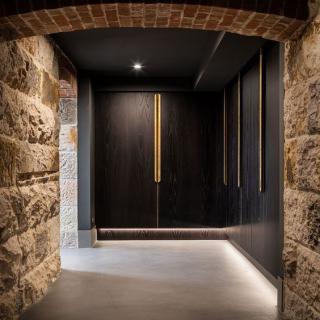
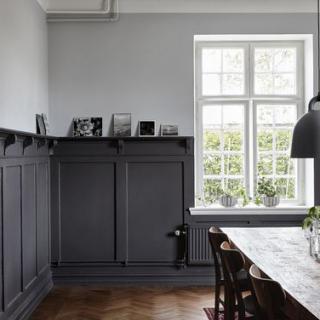
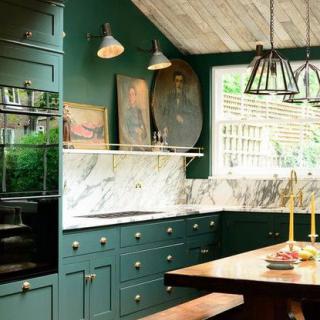
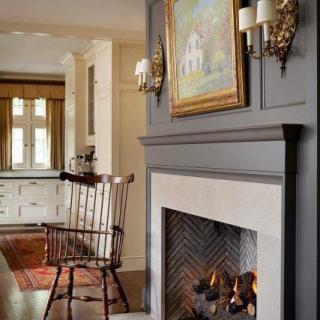
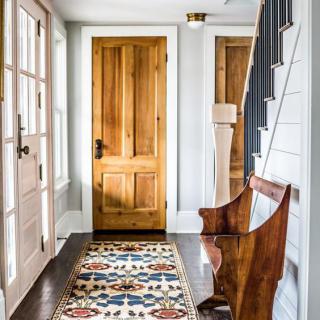
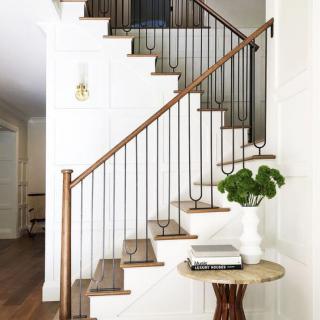
The Residence at Fitz Farm on seniors.fyi includes 19 photos including images showing interior, decor, living room, artwork, minimalist, brick wall, fireplace, dining, and more.
Nearby Communities
Seaton Springwood
York, PA
4.2 from 130 reviews
$2,850 to $3,990 / month
Clean, welcoming facility with well-furnished rooms, engaging activities, and friendly staff.
Manorcare Health Services-York South
York, PA
4.5 from 121 reviews
Quality rehabilitation services with dedicated staff and engaging activities.
Westminster Place at Queen Street
York, PA
4.2 from 10 reviews
Supports independence with diabetic care and extensive nearby amenities.
Park View at Tyler Run
York, PA
3.8 from 16 reviews
$743 / month
Friendly neighbors and affordable, pet-friendly amenities.
Celebration Villa of York
York, PA
4.4 from 93 reviews
$3,389 to $5,644 / month
Friendly, attentive staff in a clean, home-like setting with engaging daily activities.
Keystone Human Services Queen St Scr
York, PA
Small 8-bed board-and-care with personalized assistance.
Home Instead - York, PA
York, PA
4.8 from 24 reviews
Compassionate, dedicated caregivers with supportive office staff and clear communication.
Misericordia Nursing & Rehabilitation Center
York, PA
4.5 from 20 reviews
Strong dementia-focused care with structured activities, mobility support, and responsive staff.
Manorcare Health Services - Kingston Court
York, PA
3.5 from 91 reviews
Compassionate staff and strong rehabilitation programs.
Assisted living provides moderate support for seniors seeking independence, while memory care offers specialized support for individuals with dementia or cognitive impairments through structured routines and trained staff. Key differences include care approaches, environment security measures, staff training levels, activity types, and cost considerations.
Choosing between assisted living and nursing homes involves evaluating emotional and financial factors, with assisted living offering independence and support for daily activities at a lower cost, while nursing homes provide intensive medical care for individuals with significant health needs. The decision is influenced by personal preferences, health status, cognitive function, and varying Medicaid coverage across states.
The article presents eight strategies for preserving cognitive health and memory in older adults, emphasizing a nutrient-rich diet, regular exercise, intellectually stimulating activities, adequate sleep, social connections, stress management techniques, limiting harmful substances, and regular medical checkups to mitigate age-related memory decline.
Get PricingAsk A QuestionSchedule A TourContact Senior Advisor
By clicking submit, you agree to our Partner's Terms of Use. You
also consent to receive calls and texts, which may be autodialed, from our Partner. Your consent is not a condition to
using our Partner's service. Please visit our Partner's Privacy Policy for information about their privacy practices.







 51 resident community capacity
 Assisted Living
 Independent Living
 Memory Care
 Air-conditioning
 Beauty salon
 Cable or satellite TV
 Computer center
 Dining room
 Fitness room
 Fully furnished
 Gaming room
 Garden
 Housekeeping services
 Kitchenette
 Move-in coordination
 Outdoor space
 Private bathrooms
 Restaurant-style dining
 Small library
 Telephone
 Wellness center
 Wi-Fi/high-speed internet available
 Harrisburg International (18 miles away)
 Community operated transportation
 12-16 hour nursing
 24-hour call system
 Activities of daily living assistance
 Assistance with bathing
 Assistance with dressing
 Assistance with transfers
 Diabetes diet
 Hospice waiver
 Medication management
 Mental wellness program
 Special dietary restrictions
 Transportation arrangement (medical)
 Concierge services
 Planned day trips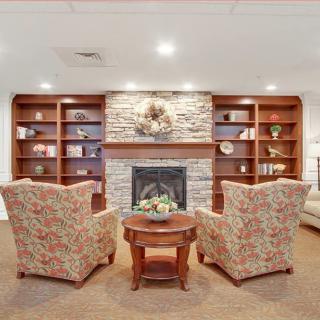
 Clean, welcoming facility with well-furnished rooms, engaging activities, and friendly staff.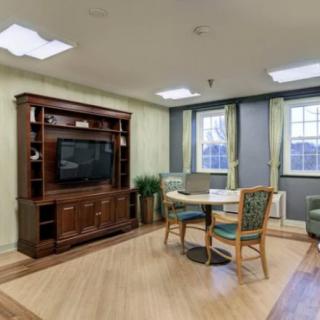



 Assisted Living and Memory Care: Understanding Their Core Differences
 Choosing the Right Senior Care: A Detailed Exploration of Assisted Living and Nursing Homes
 Safeguarding Your Memory Through the Golden Years: Eight Ways to Preserve Cognitive Health