Overall Review of Waynesburg Healthcare And Rehabilitation Center
common70 reviews mention this
Caring, helpful staff is consistent
Residents and visitors repeatedly describe staff as kind, attentive, and professional.
Across the reviews, visitors often comment that the staff takes time to help with check-in, directions, and questions, and that interactions feel friendly and supportive. Several describe nurses and aides as compassionate, gentle, and responsive to patient needs, including during rehab stays. A few reviewers also note communication and follow-through through staff professionalism, while only a small number report negative experiences.
common35 reviews mention this
Clean, well-kept facility
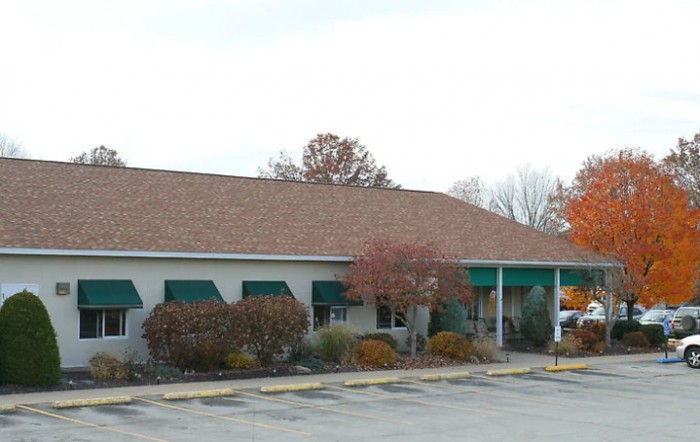
Many reviewers say the facility is clean and well maintained.
Cleaning comes up often, with multiple reviews calling out clean rooms and a generally well kept appearance. Visitors also mention comfort and order in common areas and note that they did not observe bad odors in some visits. A minority of reviews raise cleanliness concerns, including one report of an unpleasant smell and one report describing the facility as filthy.
caveat6 reviews mention this
Food quality and dietary fit vary
Dining is a mixed area, with some comments about options and taste.
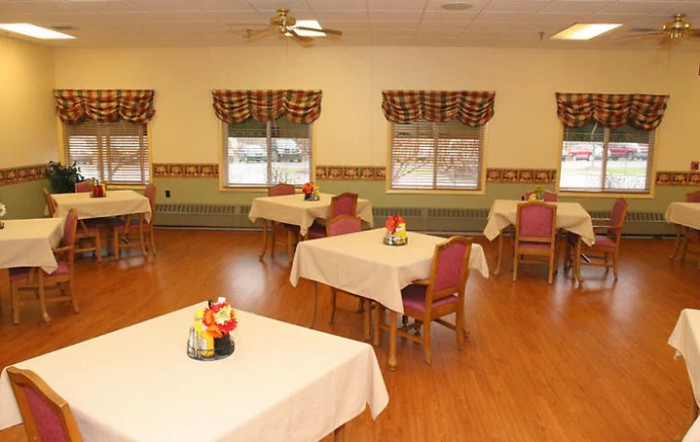
A few reviewers say the food looked good or that their loved one’s dining experience met expectations, while others describe the food as less than ideal. One review specifically flags that dietary options could be improved. This lines up with the community offering diabetes diets and special dietary restrictions, suggesting meals are tailored, but not every experience seems to land the same way.
common22 reviews mention this
Rehab and care support for ADLs
Reviews frequently reference hands-on support during rehab and daily living tasks.
Several reviews describe loved ones receiving helpful rehab care, with wording focused on getting stronger and getting through day one admissions smoothly. Others mention staff helping with day-to-day needs, and some reviewers emphasize the effort put into patient comfort and mobility support. The care services listed for skilled nursing include nursing support for daily activities, medication management, and transportation arrangements, matching the kind of help reviewers describe.
common6 reviews mention this
Activities and social time show up
Some reviewers point to structured activities and social programming.
A handful of reviews mention the presence of organized activities and calendars, along with experiences like Bible study. Others describe day-to-day engagement and resident-focused programming as part of the overall feel of the facility. The community also offers scheduled daily activities and planned day trips, which helps explain why activities come up for some families and visitors.
How we summarize
Counts show how many written reviews mention each theme; a review can touch several themes, and only frequently mentioned themes are displayed.
Features
Housing
111 resident community capacity
Types of Care
Skilled Nursing Facility
Amenities
Air-conditioning
Beauty salon
Cable or satellite TV
Computer center
Dining room
Fitness room
Fully furnished
Gaming room
Garden
Housekeeping services
Kitchenette
Move-in coordination
Outdoor space
Private bathrooms
Restaurant-style dining
Small library
Telephone
Wellness center
Wi-Fi/high-speed internet available
Transportation
Community operated transportation
Transportation arrangement
Transportation arrangement (non-medical)
Transportation to doctors appointments
Care Services
12-16 hour nursing
24-hour call system
24-hour supervision
Activities of daily living assistance
Assistance with bathing
Assistance with dressing
Assistance with transfers
Diabetes diet
Meal preparation and service
Medication management
Mental wellness program
Special dietary restrictions
Dining
Diabetes diet
Special dietary restrictions
Activities
Community-sponsored activities
Concierge services
Fitness programs
Planned day trips
Resident-run activities
Scheduled daily activities
Nearby Places of Interest
Physicians
Church, Daniel Cornerstone Care Pediatric Center of Waynesburg (0.2 miles)
Central Greene Pediatrics (0.2 miles)
Greene County Primary Care (0.3 miles)
Regional Eye Associates (0.3 miles)
Stephen Love DR MD (0.3 miles)
Wpso Washington Ob Gyn Associates (0.7 miles)
Waynesburg Family Medicine (0.7 miles)
Places of Worship
Oak View United Methodist Church (0.4 miles)
Rollling Meadows Church Of God (0.4 miles)
Waynesburg First Church of the Nazarene (0.5 miles)
Here Wee Grow Nazarene Preschool (0.5 miles)
Waynesburg Bible Chapel (1.5 miles)
Servant Song Ministries (1.6 miles)
Landmark Baptist Church (1.7 miles)
Restaurants
KFC (0.4 miles)
Bob Evans (0.4 miles)
Arby's (0.5 miles)
Burger King (0.7 miles)
Hardee's (0.8 miles)
Airport Restaurant (0.9 miles)
Little Caesars Pizza (1.1 miles)
Hospitals
Hospice Care Of The Washington Hospital (0.7 miles)
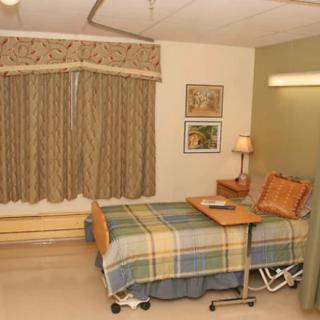
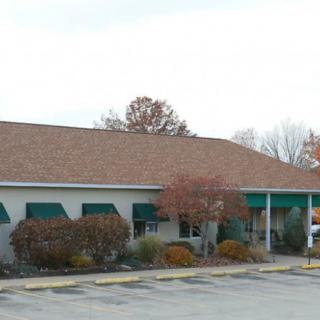
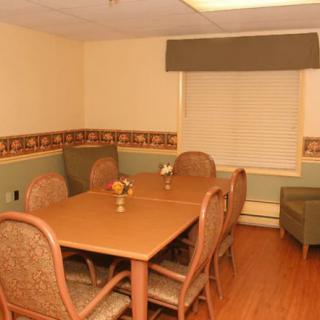
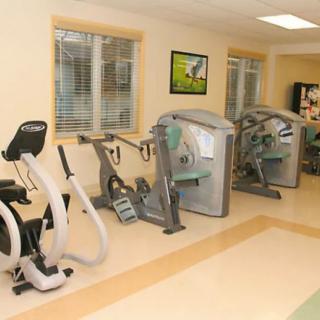
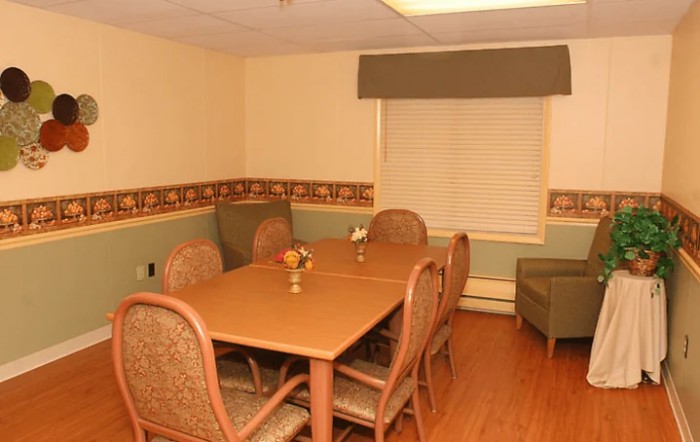
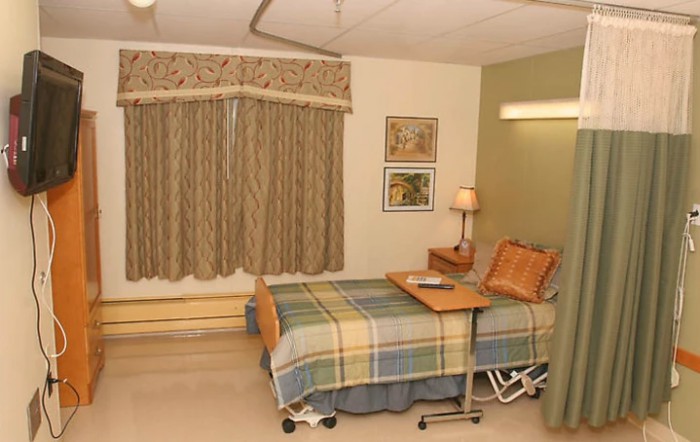
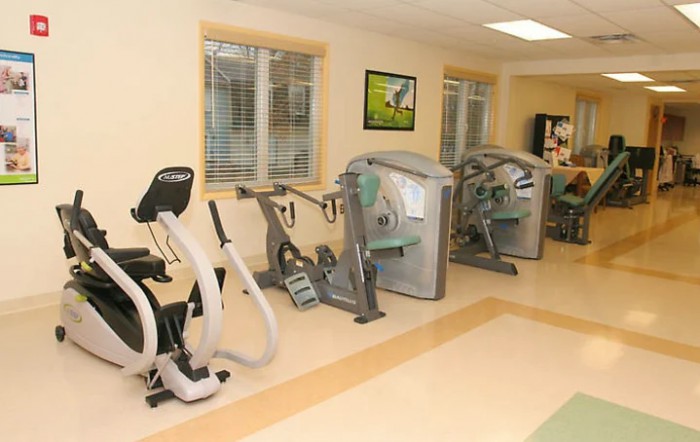
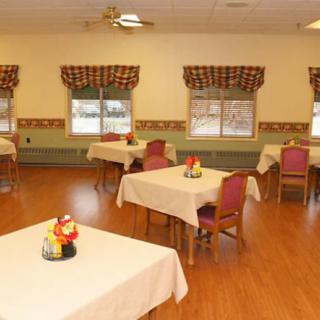
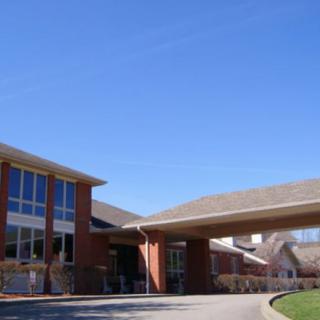
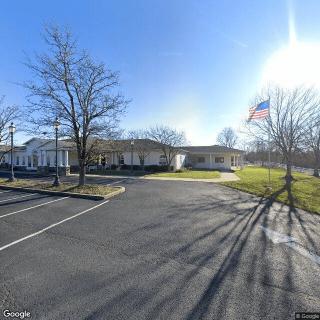
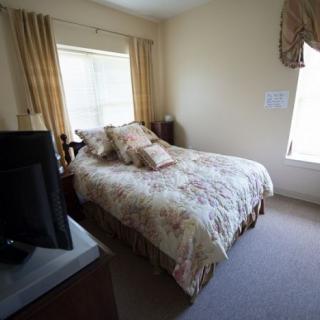
Waynesburg Healthcare And Rehabilitation Center on seniors.fyi includes 5 photos including images showing interior, windows, hardwood floor, conference room, meeting room, bedroom, decor, gym, and more.
Nearby Communities
Golden LivingCenter - Waynesburg
Waynesburg, PA
$6,813 to $7,317 / month
Private rooms in a skilled nursing facility with close access to hospitals, pharmacies, dining, and places of worship.
Evergreen of Waynesburg
Waynesburg, PA
4.2 from 10 reviews
$3,600 to $5,800 / month
Staff are exceptionally patient and caring, going above and beyond for residents.
Rolling Meadows
Waynesburg, PA
4 from 103 reviews
Compassionate staff with engaging activities and a welcoming, community-focused environment.
Gateway Senior Housing
Waynesburg, PA
3.4 from 28 reviews
Inclusive, accessible community with on-site activities.
Braun S Personal Care Home
Waynesburg, PA
5 from 1 review
Small, personalized assisted living with 24/7 supervision, ADL support, and respite care.
Respicenter Waynesburg
Waynesburg, PA
4.3 from 6 reviews
Independent living with specialized diabetic care, meals, and on-site activities.
Madison Rehab & Nursing Center
Morgantown, WV
4 from 63 reviews
$5,400 to $5,550 / month
Dedicated nurses and some effective therapy; staff generally follow orders and assist when therapists are present.
Southmont Of Presbyterian Seniorcare
Washington, PA
3.9 from 21 reviews
Clean rooms with friendly staff and a variety of activities.
Southminster Place
Washington, PA
4.4 from 7 reviews
$5,130 to $6,390 / month
Strong memory-care focus with 24/7 supervision and comprehensive care (ADLs, meds, mental wellness).
Weight training is vital for seniors to maintain muscle mass, bone density, and overall health, combating age-related declines through customized resistance exercises that enhance balance and well-being. Safe routines should start with realistic goals and proper form, while emphasizing gradual progress and consultations with healthcare providers to ensure safety and effectiveness.
The Sandwich Generation comprises adults managing the dual responsibilities of caring for aging parents and raising children, leading to significant emotional, logistical, and financial challenges. This situation is exacerbated by longer life expectancies and cultural expectations, necessitating effective coping strategies and support resources to alleviate caregiver stress and burnout.
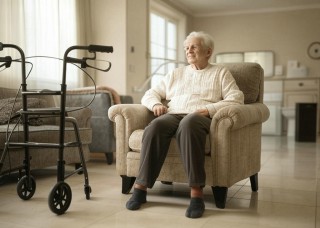
The article highlights eight essential assistive devices that improve the independence and safety of older adults, addressing issues related to mobility, balance, vision, hearing, and dexterity. It emphasizes the importance of proper selection guided by healthcare professionals to enhance seniors' quality of life while allowing them to age in place.
Waynesburg Healthcare And Rehabilitation Center photos
×
Interior
Decor
Building
Windows
Exercise Equipment
Interior
Decor and Bedroom
Dining and Hardwood Floor
Windows
Building, Trees, Parking, and Office Space
Exercise Equipment, Gym, and Fitness
Conference Room and Meeting Room
Get PricingAsk A QuestionSchedule A TourContact Senior Advisor
By clicking submit, you agree to our Partner's Terms of Use. You
also consent to receive calls and texts, which may be autodialed, from our Partner. Your consent is not a condition to
using our Partner's service. Please visit our Partner's Privacy Policy for information about their privacy practices.

 111 resident community capacity
 Skilled Nursing Facility
 Air-conditioning
 Beauty salon
 Cable or satellite TV
 Computer center
 Dining room
 Fitness room
 Fully furnished
 Gaming room
 Garden
 Housekeeping services
 Kitchenette
 Move-in coordination
 Outdoor space
 Private bathrooms
 Restaurant-style dining
 Small library
 Telephone
 Wellness center
 Wi-Fi/high-speed internet available
 Community operated transportation
 12-16 hour nursing
 24-hour call system
 Activities of daily living assistance
 Assistance with bathing
 Assistance with dressing
 Assistance with transfers
 Diabetes diet
 Medication management
 Mental wellness program
 Special dietary restrictions
 Concierge services
 Planned day trips
 Private rooms in a skilled nursing facility with close access to hospitals, pharmacies, dining, and places of worship.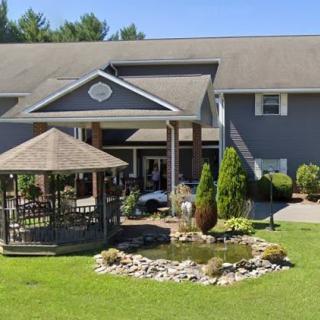

 Weight Training for Seniors: Building Strength and Vitality
 Understanding the Sandwich Generation: Stress and Responsibilities for Multigenerational Caregivers
 8 Essential Assistive Devices for Older Adults