Titusville Healthcare And Rehabilitation Center Costs & Pricing
Titusville Healthcare and Rehabilitation Center offers a range of care options, with pricing for semi-private rooms set at $6,813 per month and private rooms at $7,317. These rates reflect a significant premium compared to the average costs in Warren County, where semi-private accommodations are approximately $4,131 and private rooms are around $5,997. When considering the state averages for Pennsylvania as a whole, the difference becomes even more pronounced, as semi-private rooms typically cost about $3,542 and private options around $4,890. This disparity suggests that Titusville may provide enhanced services or amenities that justify the higher costs relative to both county and state benchmarks.
Floor plans
Titusville Healthcare And Rehabilitation Center
Warren County
Pennsylvania
Semi-Private
$6,813
$4,131
$3,542
Private
$7,317
$5,997
$4,890
Skilled Nursing Facilities with a similar price nearby
Overall Review of Titusville Healthcare And Rehabilitation Center
common47 reviews mention this
Staff care and responsiveness stand out
Residents and families consistently describe staff who are kind and responsive.
Many reviews say staff treated residents well, communicated clearly, and helped families feel supported during rehab or ongoing care. Several visitors note staff are welcoming, polite, and attentive during visits, and a number of residents are described as clean and comfortable under their care. A few reviews, however, point to serious breakdowns in basic care and medication follow-through, which stands out against the otherwise positive day-to-day accounts.
common11 reviews mention this
Cleaning and a comfort-first feel
Clean rooms and a comfortable setting come up often in reviews.
Multiple reviews mention the facility being clean and calming, with residents described as comfortable when family visits. Some reviewers specifically comment on the cleanliness when entering and on residents’ rooms, while others describe the space as clean and bright. There are also negative reviews that describe unacceptable hygiene and care lapses, which conflicts with the larger pattern of cleanliness and comfort.
common3 reviews mention this
Food quality earns repeated praise
Food quality is mentioned positively in several reviews.
A handful of reviews directly call out the food as good, nutritious, or supportive of overall well-being. Others tie meals to broader care impressions, including how residents and families feel about day-to-day comfort. A few critical reviews focus more on care failures than dining, so praise for food is present but not universal.
differentiator5 reviews mention this
Physical therapy varies by shift
Physical therapy receives both strong praise and notable complaints.
Several reviews highlight physical therapy as a strength, including people describing PT as awesome and a department that worked with them consistently. Others describe therapy limitations or problems, including refusal of PT, which is a major concern for families expecting rehabilitation support. One review also describes a nighttime staffing problem tied to a bathroom delay, underscoring that therapy experiences can depend on coverage and timing.
caveat4 reviews mention this
Medication and basic care can slip
Some reviews describe medication and basic-care failures.
While many accounts are positive, a small set of reviews raise serious issues around medication access and timely help with basic needs. One reviewer says the facility refused needed medication, while another describes a failure to address basic hygiene before a scheduled shower. There are also complaints about prolonged hygiene-related neglect and an urgent incident described as tied to delayed toileting at night. These concerns are stark compared with the more common stories of caring, organized support.
How we summarize
Counts show how many written reviews mention each theme; a review can touch several themes, and only frequently mentioned themes are displayed.
Features
Housing
77 resident community capacity
Types of Care
Skilled Nursing Facility
Pets
Cats allowed
Dogs allowed
Amenities
Air-conditioning
Beauty salon
Cable or satellite TV
Computer center
Dining room
Fitness room
Fully furnished
Gaming room
Garden
Housekeeping services
Kitchenette
Move-in coordination
Outdoor space
Private
Private bathrooms
Restaurant-style dining
Small library
Telephone
Wellness center
Wi-Fi/high-speed internet available
Transportation
Community operated transportation
Transportation arrangement
Transportation arrangement (non-medical)
Transportation to doctors appointments
Care Services
12-16 hour nursing
24-hour call system
24-hour supervision
Activities of daily living assistance
Assistance with bathing
Assistance with dressing
Assistance with transfers
Diabetes diet
Meal preparation and service
Medication management
Mental wellness program
Special dietary restrictions
Dining
Diabetes diet
Special dietary restrictions
Activities
Community-sponsored activities
Concierge services
Fitness programs
Planned day trips
Resident-run activities
Scheduled daily activities
Nearby Places of Interest
Located in the heart of Titusville, Pennsylvania, this neighborhood offers a range of amenities catering to seniors looking for convenience and accessibility. Close proximity to Titusville Area Hospital and several physicians' offices ensures easy access to healthcare services. Places of worship such as Emanuel Apostolic Church and First Assembly of God provide spiritual fulfillment, while nearby parks like Scheide Park offer opportunities for leisurely walks and outdoor activities. With various dining options including Patty's Breads & Pastries and Lin's China Wok Buffet, as well as pharmacies like CVS Pharmacy and Rite Aid nearby, residents can easily meet their daily needs. Transportation options such as U-Haul Neighborhood Dealer make getting around convenient. Overall, this neighborhood provides a comfortable and supportive environment for seniors looking to enjoy their golden years in Titusville.
Hospitals
Titusville Area Hospital (0.3 miles)
Venango Internal Medicine-Upmc (13.7 miles)
Physicians
Rose T Colt DO (0.3 miles)
Ob-Gyn Associates of Erie (0.7 miles)
Oil Valley Internal Medicine Associates (0.8 miles)
Titusville Healthcare and Rehabilitation Center offers a range of care options, with pricing for semi-private rooms set at $6,813 per month and private rooms at $7,317. These rates reflect a significant premium compared to the average costs in Warren County, where semi-private accommodations are approximately $4,131 and private rooms are around $5,997. When considering the state averages for Pennsylvania as a whole, the difference becomes even more pronounced, as semi-private rooms typically cost about $3,542 and private options around $4,890. This disparity suggests that Titusville may provide enhanced services or amenities that justify the higher costs relative to both county and state benchmarks.
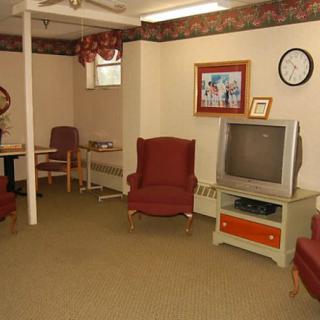
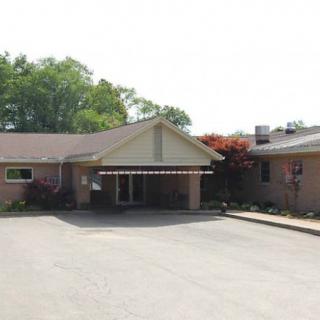
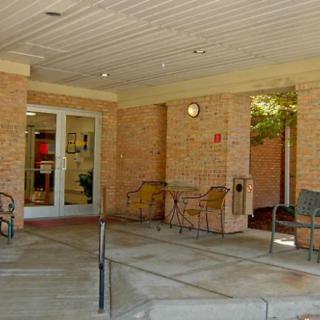
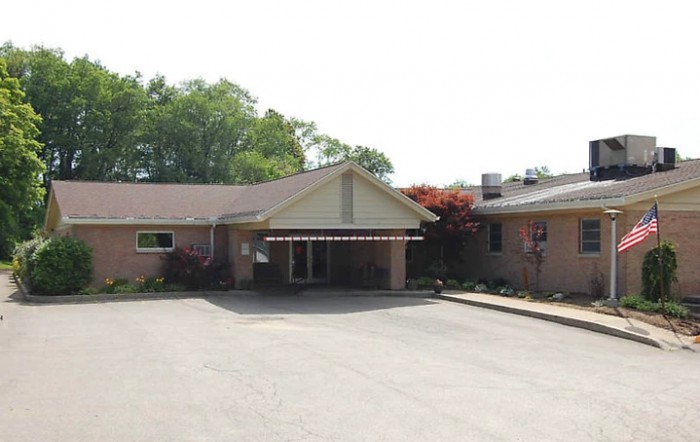
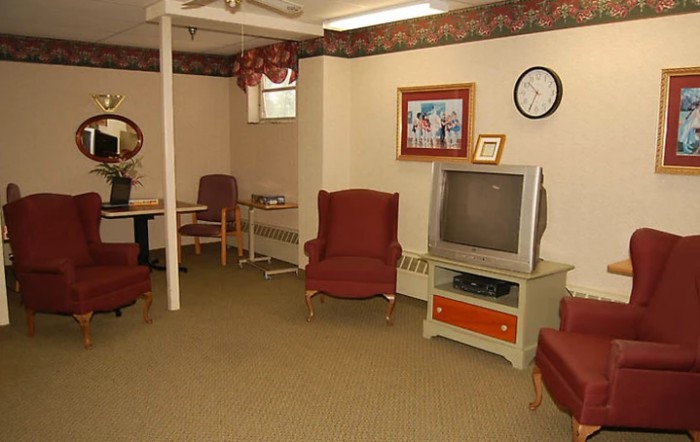
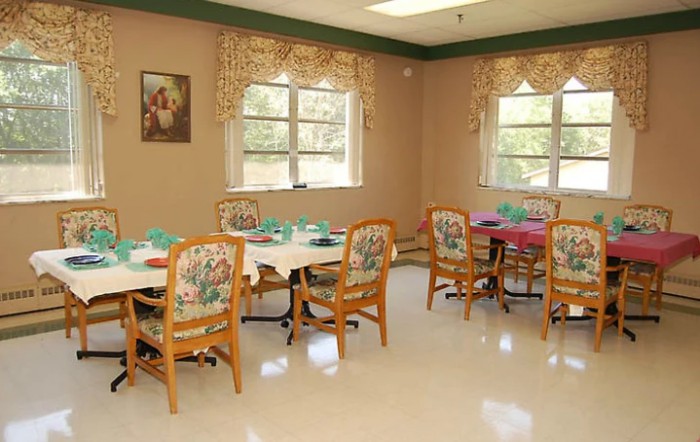
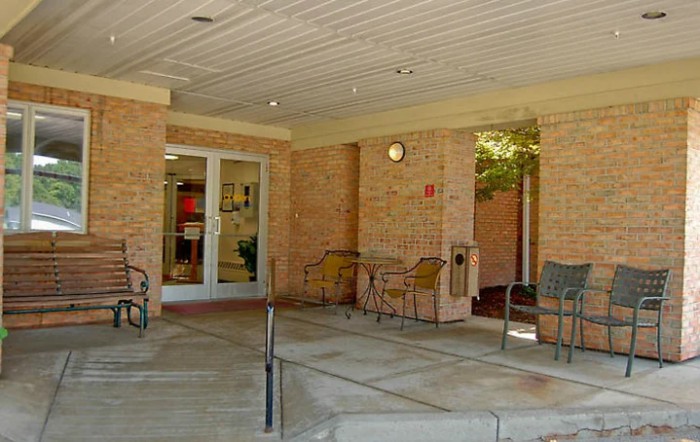
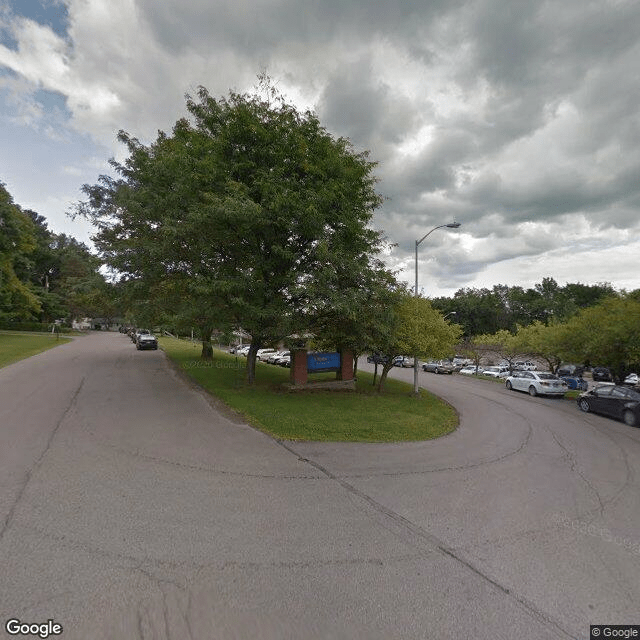
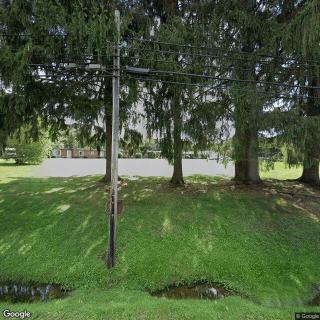
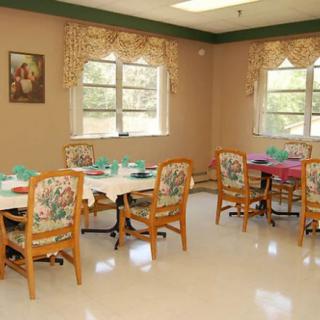
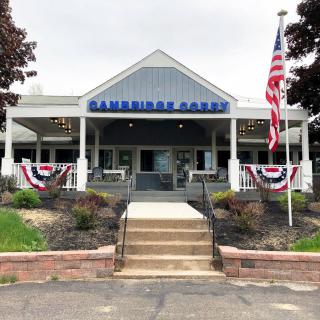
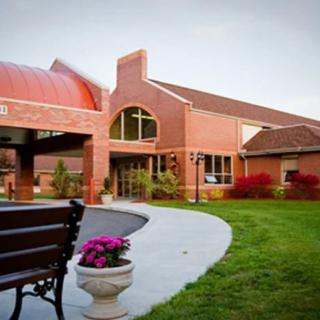
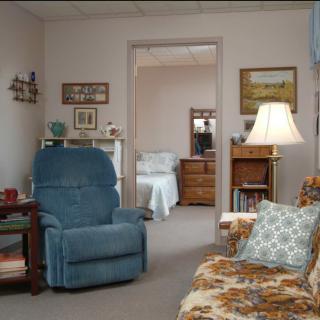
Titusville Healthcare And Rehabilitation Center on seniors.fyi includes 5 photos including images showing building, entrance, decor, covered area, exterior, facility, living room, vintage, and more.
Nearby Communities
Elm Street Apartments
Titusville, PA
$3,357 / month
Affordable private-room rate of $3,357/month, below Warren County and PA averages.
Southwoods
Titusville, PA
5 from 15 reviews
Home-like, personalized apartments with attentive staff, attractive dining, and on-site rehab in a serene setting.
Billie Brown Building
Titusville, PA
5 from 2 reviews
Great access to parks, pharmacies, physicians, dining, transit, and worship nearby.
Country Acres Personal Care Home
Titusville, PA
4.5 from 13 reviews
One-floor layout with a small, intimate setting and attentive staff.
Golden Livingcenter Oil City
Oil City, PA
$6,813 to $7,317 / month
24/7 supervision with comprehensive amenities and restaurant-style dining.
Tidioute Towers
Tidioute, PA
3.8 from 4 reviews
Diabetic care with engaging activities and indoor common areas; nearby dining and places of worship.
Cambridge Corry Retirement Community
Corry, PA
3.2 from 5 reviews
$2,450 to $5,545 / month
Personalized dementia care with compassionate, respectful staff.
Crawford County Care Center
Saegertown, PA
4.4 from 41 reviews
Compassionate staff and a home-like environment with engaging activities.
Wesbury United Methodist Community
Meadville, PA
4.3 from 106 reviews
Comprehensive care options from independent living to skilled nursing with extensive on-site amenities and engaging activities.
Home health nursing is an expanding field where licensed professionals provide specialized medical care in patients' homes, addressing the needs of an aging population through personalized services like assessments and medication management. Effective collaboration with healthcare teams, cultural sensitivity, and quality assurance measures are essential for fostering trust and ensuring positive patient outcomes.
Medicare covers in-home health care services, which are medical and provided by licensed professionals under a physician's supervision, whereas non-medical personal assistance is generally not covered unless part of a broader skilled care plan. Eligibility for benefits depends on being homebound and needing intermittent skilled services from a Medicare-certified agency, with specific coverage limitations and additional resources available for navigating options.
In-home care is increasingly sought after by older adults for maintaining independence, with average private home care rates in 2025 varying by state and service type, reflecting geographical and local labor market influences. As demand rises, families are considering funding options like Medicaid waivers and long-term care insurance to manage costs effectively while ensuring quality care.
Titusville Healthcare And Rehabilitation Center photos
×
Interior
Decor
Building
Entrance
Interior, Dining, and Windows
Decor
Living Room, Television, and Vintage
Building and Entrance
Exterior and Facility
Covered Area
Get PricingAsk A QuestionSchedule A TourContact Senior Advisor
By clicking submit, you agree to our Partner's Terms of Use. You
also consent to receive calls and texts, which may be autodialed, from our Partner. Your consent is not a condition to
using our Partner's service. Please visit our Partner's Privacy Policy for information about their privacy practices.


 77 resident community capacity
 Skilled Nursing Facility
 Cats allowed
 Dogs allowed
 Air-conditioning
 Beauty salon
 Cable or satellite TV
 Computer center
 Dining room
 Fitness room
 Fully furnished
 Gaming room
 Garden
 Housekeeping services
 Kitchenette
 Move-in coordination
 Outdoor space
 Private
 Private bathrooms
 Restaurant-style dining
 Small library
 Telephone
 Wellness center
 Wi-Fi/high-speed internet available
 Community operated transportation
 12-16 hour nursing
 24-hour call system
 Activities of daily living assistance
 Assistance with bathing
 Assistance with dressing
 Assistance with transfers
 Diabetes diet
 Medication management
 Mental wellness program
 Special dietary restrictions
 Concierge services
 Planned day trips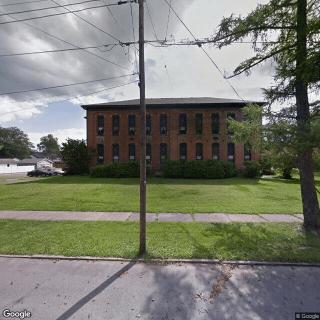
 Affordable private-room rate of $3,357/month, below Warren County and PA averages.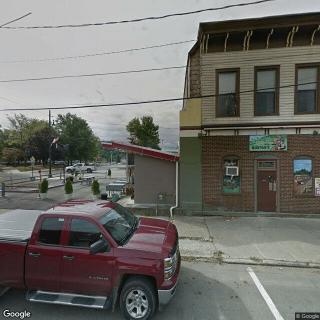
 Exploring the World of Home Health Nurses: Qualifications, Roles, and Hiring Tips
 Navigating Medicare Coverage for In-Home Care Services
 In-Home Care Costs in 2025: A Detailed State-by-State Exploration