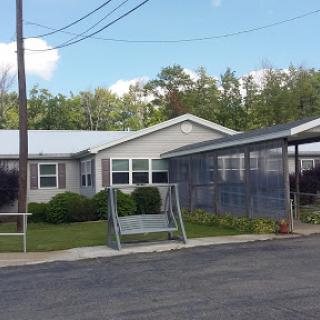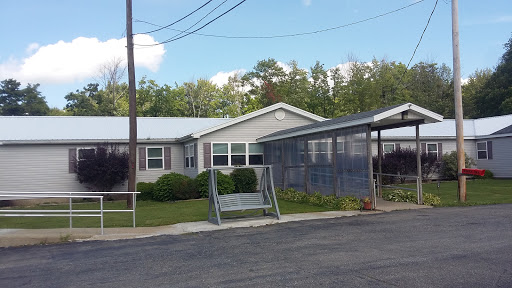
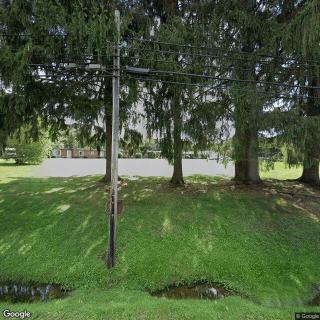
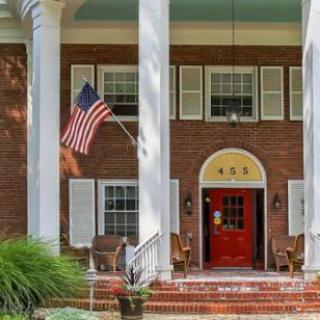
2017 Meadville Road, Titusville, PA 16354
For more information about senior living options: (866) 208-4318
Overall Review of Country Acres Personal Care Home
Pros
 The owner is loving and caring, creating a clean and peaceful atmosphere.
- It is a wonderful place for a parent or loved one to live, with a home-like, small and quaint feel.
- The facility is small and intimate, with an excellent staff-to-resident ratio and attentive care.
- The staff are informative and keep families updated.
- The dining area is open and airy, contributing to a pleasant environment.
- Activities are provided, and physical therapy, nursing, and hospice are available as needed.
Cons
 They have been quarantined to their rooms for different times.
- There have not been a lot of activities.
- They offer only $10 an hour, despite Indeed listing $9-$15.
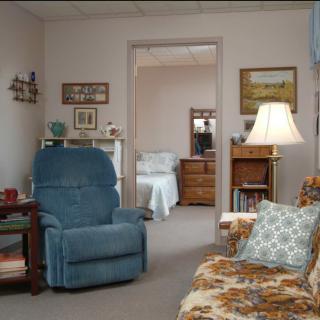
- The rooms were small and had a shared bathroom.
Review
Country Acres Personal Care Home in Titusville, PA is best suited for families seeking a true home-like, small-scale setting where attentive, hands-on care is the priority. This community works best for an elderly loved one who values a calm, easy-to-navigate environment, where staff know residents well and daily routines are predictable. It is particularly well-suited for end-of-life care or for seniors who need steady daily assistance, meals, medications, housekeeping, and gentle supervision, without the bustle and complexity of a larger campus. In short, the strongest fit is a resident who thrives on personal connection, a quiet atmosphere, and a highly involved care team.
From the outset, the strongest positives trail in as a very practical benefit: a compact, one-floor layout that feels like a home, not a facility. The small size translates into a strong caregiver presence and a calmer social dynamic, there aren’t acres of wanderers or endless corridors to traverse. Residents benefit from a generous staff-to-resident ratio, with caregivers who are described as loving, attentive, and communicative with families. The building’s cleanliness and the open, airy dining area also contribute to a sense of peace and dignity in daily living. For families, the ability to stay connected and receive timely updates from staff is a meaningful, consistent advantage that reduces anxiety about a loved one’s welfare.
Care quality in practice leans on two pillars: personalized attention and the capacity to bring in needed services. The owner’s dedication, described as going “110 percent,” translates into a tangible atmosphere of warmth and reliability. Families repeatedly note that staff are informative, responsive, and deeply engaged in residents’ well-being. The facility accommodates a complete care package when needed, meals, housekeeping, laundry, medication management, and coordination of outside services such as physical therapy or hospice. For residents with memory concerns, safety features such as door alarms provide a reassuring layer of protection without impinging on daily life. In short, the care model prioritizes comfort, security, and family involvement, making it a practical choice for ongoing support rather than a stopgap solution.
Yet there are practical drawbacks that matter in decision making. The most conspicuous trade-off is space: rooms are small and sharing a bath is common. That shared-bath arrangement can be a deal-breaker for residents who prize privacy or who require more spacious living quarters. Activities, while present, are not abundant, and some families note a quieter calendar than what larger facilities offer. This can translate into fewer daily diversions for residents who thrive on a busier social schedule or more structured programming. While a calming, intimate setting appeals to many, those who expect extensive programming or private accommodations may feel the limitations more acutely.
These pros and cons don’t exist in a vacuum; they offset or amplify each other based on what a family prioritizes. The homey, low-key environment and the exceptional caregiver attention directly offset the smaller living spaces and quieter activity slate by delivering consistently high-quality, hands-on daily care. The convenience of a single-floor footprint reduces mobility friction and supports safer movement for frail residents, while close family engagement remains easy and ongoing. For families prioritizing end-of-life care, consistent, compassionate presence, and easy access to caregivers and medical support as needs evolve, Country Acres delivers a compelling, practical value proposition.
For families weighing alternatives, the bottom line is clear: consider a larger assisted living with more robust activity programming, private rooms, and a broader slate of on-site amenities if those features top the list. If independence with a strong care focus matters more than campus size, Country Acres stands out. Private room preference, a desire for a livelier activity calendar, or specialized memory-care programming could steer toward other options. In deciding, visitation should revolve around observing caregiver-resident interactions, evaluating room configurations, and testing whether the daily rhythm aligns with the resident’s preferences for companionship, privacy, and stimulation. A thoughtful visit will reveal whether this intimate, caregiver-forward environment best serves the loved one’s goals and quality of life.
 33 resident community capacity
 Assisted Living
 Respite Care
 Beauty salon
 Cable or satellite TV
 Dining room
 Fully furnished
 Garden
 Housekeeping services
 Kitchenette
 Move-in coordination
 Outdoor space
 Restaurant-style dining
 Small library
 Telephone
 Wi-Fi/high-speed internet available
 24-hour call system
 Activities of daily living assistance
 Assistance with bathing
 Assistance with dressing
 Assistance with transfers
 Diabetes diet
 Medication management
 Mental wellness program
 Special dietary restrictions



 Comprehensive Insights into Activities of Daily Living (ADLs) and Their Assessment
 Guiding Elderly Parents Who Refuse Assisted Living: 6 Practical Steps
 Your Comprehensive Guide to Luxury Assisted Living: Elevated Facilities, Amenities, and Costs