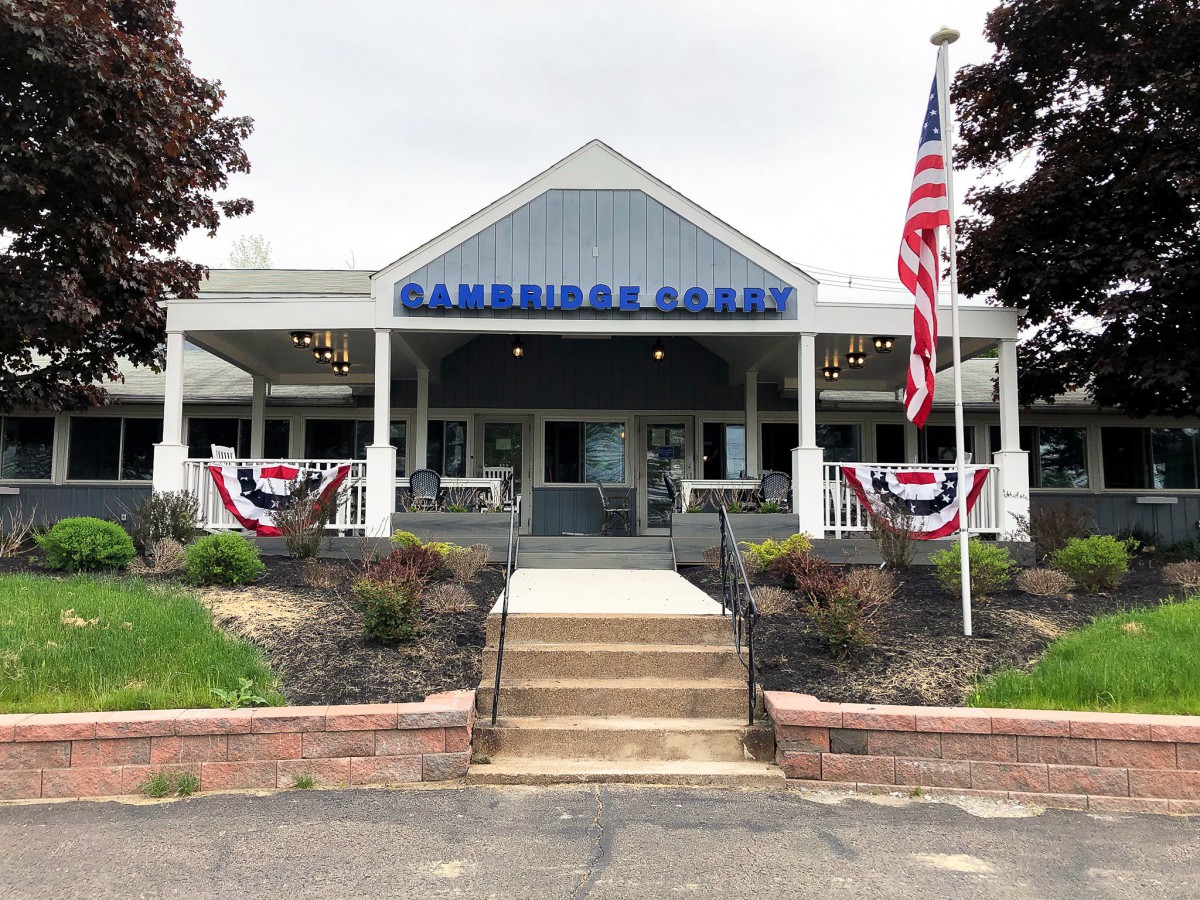
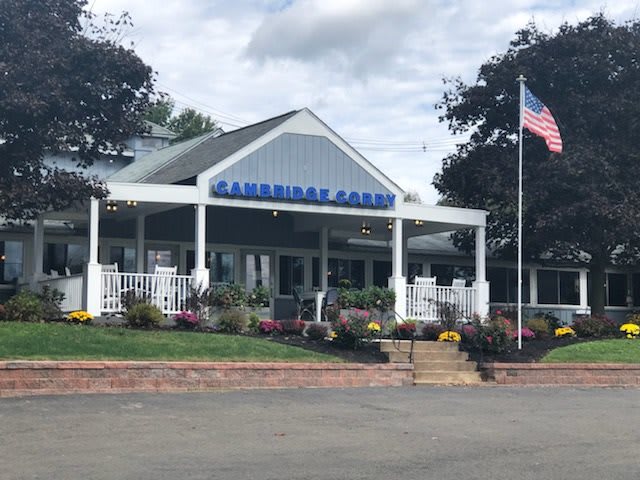

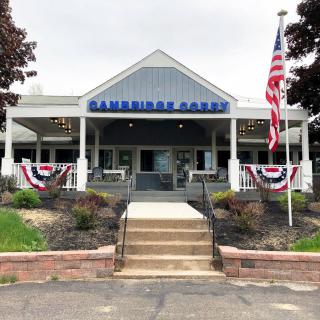

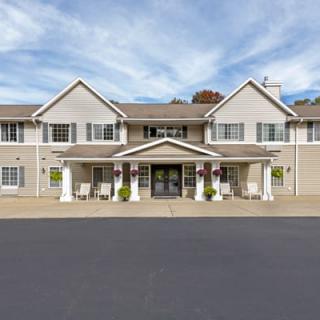
771 E Columbus Ave, Corry, PA 16407
To contact a resident: (814) 664-4691
For more information about senior living options: (866) 208-4318
Cambridge Corry Retirement Community Costs & Pricing
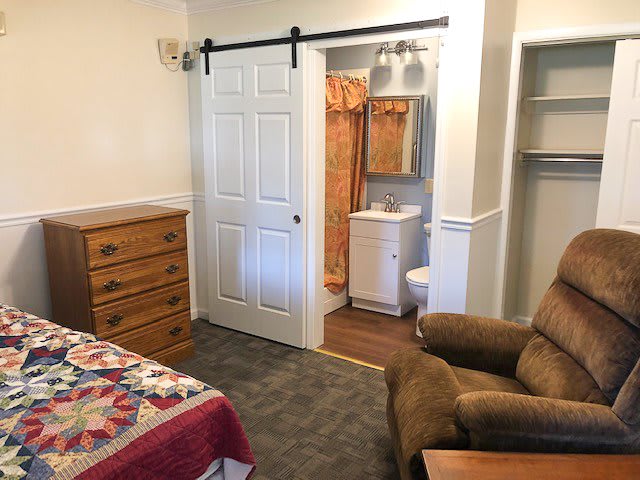
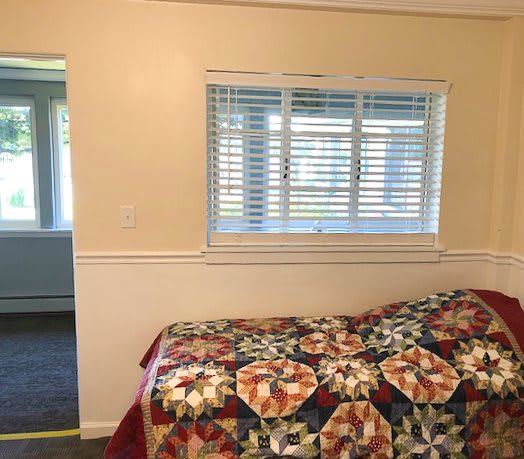
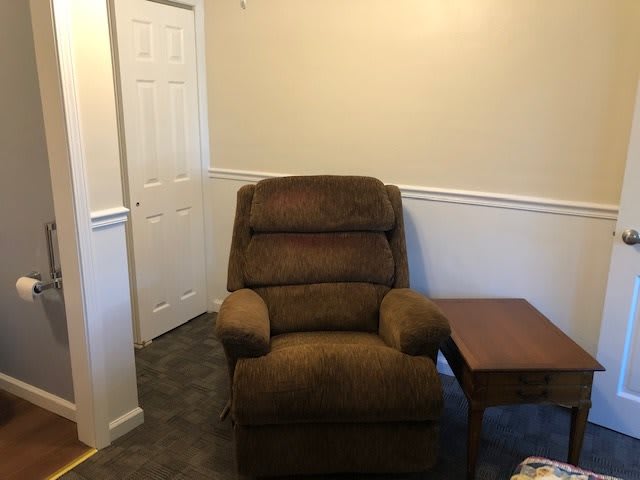
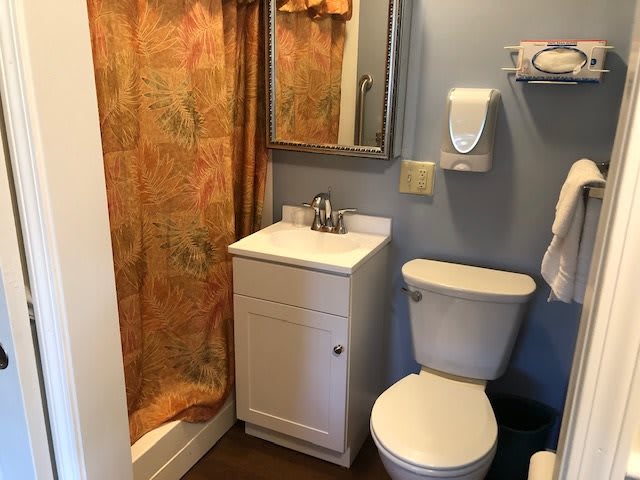
At Cambridge Corry Retirement Community, the monthly costs for various room types present a competitive option within both Warren County and the broader Pennsylvania market. For instance, a semi-private room is priced at $2,450, which notably undercuts the average cost of $4,131 in Warren County and $3,542 statewide. Studio options range from $3,100 to $4,185; while this is comparable to county averages of $3,422 and state figures of $3,737, it offers flexibility based on specific amenities or views. One-bedroom accommodations are priced at $4,781 - a bit higher than regional costs but still aligns closely with Pennsylvania's average of $4,006. Lastly, the two-bedroom units at Cambridge Corry come in at $5,545, which exceeds both local and state averages of $4,351 and $4,242 respectively. Overall, Cambridge Corry provides a diverse range of pricing that caters to different preferences while maintaining an appealing value proposition compared to surrounding options.
| Floor plans | Cambridge Corry Retirement Community | Warren County | Pennsylvania |
|---|---|---|---|
| Semi-Private | $2,450 | $4,131 | $3,542 |
| Studio | $3,100 to $4,185 | $3,422 | $3,737 |
| 1 Bedroom | $4,781 | $3,632 | $4,006 |
| 2 Bedrooms | $5,545 | $4,351 | $4,242 |
Assisted Living communities with a similar price nearby
-
About the same
Brookdale Lakewood
$2,400 to $6,800 / month19.8 miles away -
from -$290 / mo

Parkside North East
$2,160 to $5,515 / month22.6 miles away -
from +$400 / mo

Cambridge Warren Retirement Community
$2,850 to $4,100 / month24.5 miles away
Overall Review of Cambridge Corry Retirement Community
Pros
 The nurses were absolutely wonderful, caring and thoughtful.
- An amazing administrator runs this building.
- The residents were treated with the utmost love and respect.
- A former employee highly recommends Cambridge Corry.
Cons
 They do not respond to invoices they are responsible for.
 - The management is poor and does not take responsibility for the services provided.
- They would not recommend Corry Cambridge or any of its branches.
- The on-call nurse was told to go home because she was not the correct one to be called.
- A supervisor told the nurse to go home without helping the patient.
- The night shift does not stay within hearing distance of the alarm, leaving the patient unable to get help.
- The staff were watching TV while the patient rang for help and were not responsive.
Review
Cambridge Corry Retirement Community is best suited for families that prize hands-on, compassionate front-line care and are prepared to partner actively in managing day-to-day operations. The frontline staff are repeatedly described as loving, respectful, and attentive, with residents feeling the warmth of consistent care. For residents with dementia, the environment can feel stable when staffing is steady and routines are maintained. The presence of an administrator who is perceived as capable to steer the building suggests that, with clear expectations and ongoing family collaboration, the community can deliver a humane, dignified living experience. In short, it works best when families commit to close oversight of care delivery, billing, and service coordination.
Those who may want alternatives are families needing consistently seamless administrative processes and rockā€‘solid hospice coordination. The most glaring gaps involve invoicing responsiveness and the logistics of hospice care, where miscommunication and delays produced painful, avoidable moments. If a primary requirement is timely, crystal-clear billing and a reliably available on-call nurse for pain management, this facility may fall short. Families relying on a tightly coordinated hospice team and a straightforward vendor management record should compare options and prioritize communities with a proven track record of administrative reliability and a robust escalation path.
The strongest positives center on direct caregiving excellence. Nurses are described as wonderful, caring, and thoughtful, bringing genuine warmth to daily resident life. Residents are reportedly treated with dignity and respect, supported by a long-tenured, experienced staff culture that contributes to a stable daily routine. Acknowledgment of an administrator who runs the building well reinforces that leadership can sustain a humane climate when expectations are clear. For families seeking a home where familiar caregivers and a steady, person-centered approach define daily life, these frontline strengths remain meaningful and credible.
The most troubling drawbacks lie in governance and operational reliability. A recurring concern is difficulty resolving invoicing and vendor questions, signaling weaker vendor management and accountability. Hospice care, which should provide timely comfort, is described as prone to delays and miscommunications, with decisions that left a loved one waiting for relief. Night-time on-call coverage appears inconsistent, and reports describe staff being diverted from urgent needs or not immediately responding to alarms. For families with high-risk needs, such as dementia residents requiring steady supervision and hospice involvement, these gaps translate into real risk and stress.
Evaluating the balance, the core nursing care and a stable frontline culture offer meaningful, tangible value and can sustain a high-quality daily living experience. Yet administrative and hospice-related cons do not cancel out these strengths; they shape reliability during illness escalation or end-of-life decisions and can undermine confidence over time. For residents who will rely heavily on hospice support or who require frictionless billing processes, the identified gaps may eclipse the daily warmth. In short, the favorable caregiving environment is real, but it hinges on governance and coordination that prove more fragile than the everyday care.
Prospective families should approach with a concrete plan: arrange a candid meeting with the administrator to set clear expectations, request written service-level agreements for billing and on-call nursing, and confirm staffing levels, especially for dementia care. Verify the hospice arrangement, including the defined chain of command and an escalation protocol, and demand a coherent vendor-management plan for services such as lawncare. If these controls are in place and maintained, Cambridge Corry can be a dependable home for residents who prize compassionate, relationship-driven care. If not, it is prudent to compare alternatives where administration, billing reliability, and hospice logistics are demonstrably tighter and less prone to gaps.
 Assisted Living
 Activities on-site
 Air-conditioning
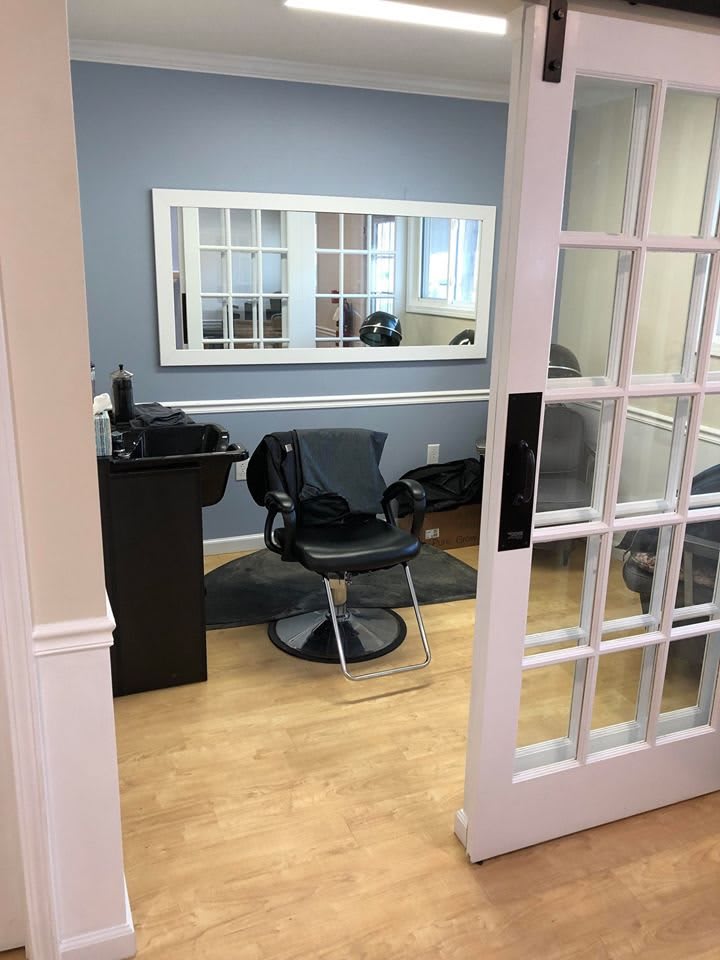
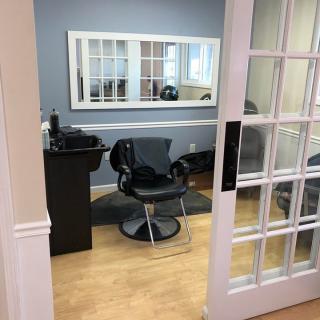
 Beautician on-site
 Cable or satellite TV
 Devotional services off-site
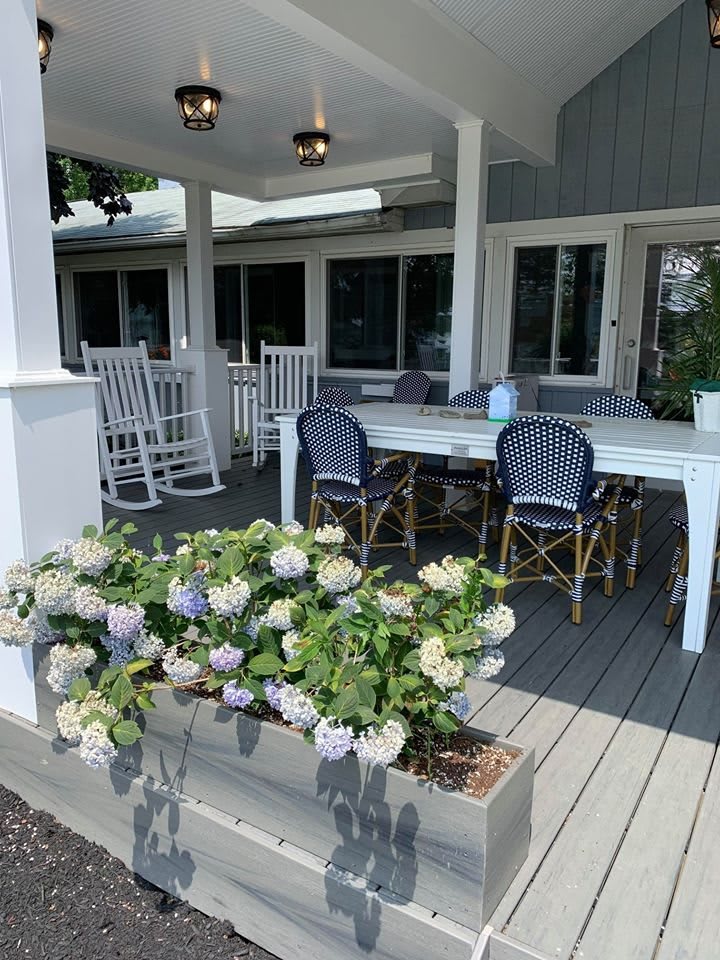
 Indoor common areas
 Respite or short term stays offered
 Wi-Fi/high-speed internet available
 Ambulatory care
 Diabetic care
 Incontinence care
 Medication management
 Gluten-free
 Art classes
 Catholic services
 Live dance or theater performances
 Live musical performances
 Live well programs



 Assisted Living and Memory Care: Understanding Their Core Differences
 Beyond the Bingo Hall: 50+ Enriching Activities for Seniors in Assisted Living
 Understanding the Distinctions: Assisted Living and Memory Care Explained