
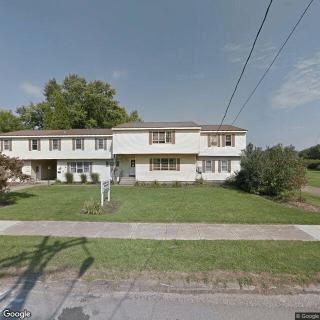
251 W Pleasant St, Corry, PA 16407
To contact a resident: (814) 665-5161
For more information about senior living options: (866) 208-4318
Overall Review of Pleasant Manor
Pros
 The neighbours make a big difference.
- The building accommodates disabled and senior residents.
- The non-smoking policy helps maintain a smoke-free environment.
Cons
 The services are not professional.
- The building enforces a federally mandated non-smoking policy that prohibits smoking.
- Updates are overdue; improvements were supposed to be done.
Review
Pleasant Manor in Corry, Pennsylvania, is best suited for seniors and disabled adults who want apartment-style living with privacy and minimal on-site caregiving. It functions as housing for disabled and older residents rather than a full-service assisted-living community, so prospective residents should be comfortable managing daily tasks with limited staff support. The building enforces a federally mandated non-smoking policy, a decisive factor for anyone who smokes or shares space with a smoker. Experience there is highly shaped by neighbors, since the social climate can swing on who lives next door. Updates are reportedly underway, signaling a predictable but gradual improvement of infrastructure.
Those who should consider alternatives are families needing reliable on-site nursing, regular meals, medication management, housekeeping, and transportation. This is not a licensed caregiving facility, so residents must source skilled help externally if care needs rise. People who want a robust activity calendar or consistent, in-house staff presence may wish for a community that prioritizes care delivery. Smokers will find the non-smoking rule absolute, which can push them toward other options. The small number of reviews means limited data on day-to-day operations, so direct conversations and an in-person tour are essential before committing.
The main advantages are privacy and independence in a self-contained unit, with the option to tailor routines without constant oversight. The non-smoking policy supports a healthier environment for residents who need air quality control. The neighbor dynamic is a critical determinant of satisfaction; a harmonious floor plan can create a supportive micro-community, while incompatible neighbors can undermine comfort. The prospect of ongoing renovations offers reassurance that the property owner intends to address aging infrastructure, potentially reducing longā€‘term maintenance risk. In cost terms, housing-style living without bundled caregiving can be more affordable than full-service facilities.
However, the drawbacks are significant. The absence of on-site professional care means emergencies and daily support depend on external providers or family, not consistent staff. Information from only two reviews leaves safety, accessibility, and emergency responsiveness uncertain, making risk assessment tricky. Social life hinges on neighbor compatibility rather than a structured activity program, which may disappoint residents who expect regular programming. Ongoing renovations, while positive, can disrupt routines and require adjustments. In sum, Pleasant Manor offers housing with social potential, not a substitute for licensed assisted living.
Before deciding, families should verify several specifics. Clarify exactly which services are included: meals, housekeeping, laundry, medication assistance, and transportation options; confirm hours and availability of any on-site staff or emergency response. Inspect safety features: accessible units, grab bars, emergency call systems, lighting, and corridor safety. Confirm lease terms, entry policies, and any restrictions aligned with the non-smoking policy. Probe the planned renovations: schedule, unit disruption, and whether residents can temporarily relocate during updates. Talk with current residents about social dynamics, noise, and overall satisfaction, and request recent maintenance and safety records. Finally, assess proximity to family support, medical facilities, and senior resources to ensure a supportive network surrounds the community.
Decision guidance is clear: Pleasant Manor is a practical choice for seniors and disabled residents who seek space, privacy, and a low-maintenance housing option, provided care needs stay external. For families requiring reliable on-site care, structured meals, and continuous supervision, look to alternatives with full-service assisted living. If independence, budget awareness, and a non-smoking environment are paramount, Pleasant Manor can work well, so long as expectations are aligned with what is actually offered. Enter with a concrete plan for external caregiving, a clear list of services, and a candid timeline for any building updates, and the choice will be far more predictable and less risky.
 Skilled Nursing Facility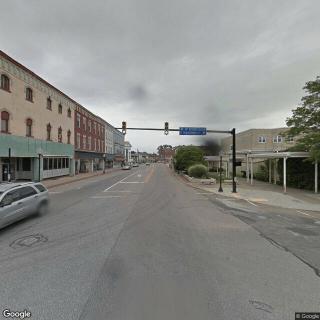


 Supportive Employee Benefits That Help Caregivers Attain Better Work-Life Harmony
 Top Cars for Senior Drivers and Essential Safety Innovations
 A Closer Look at Private Pay Home Care