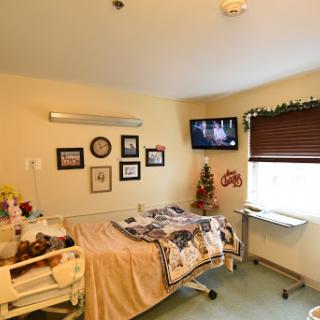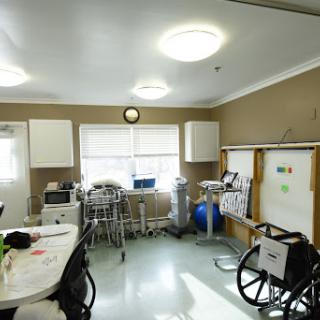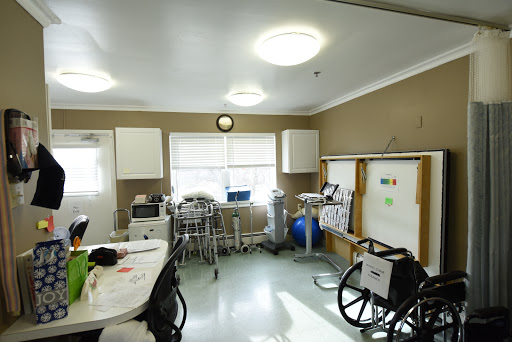
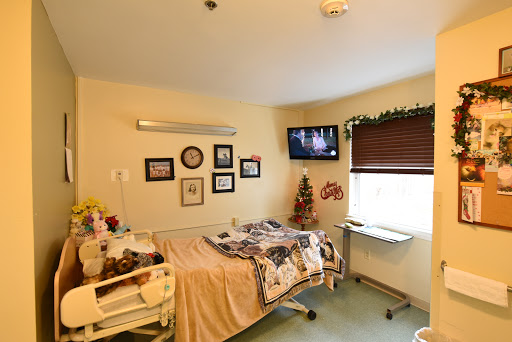
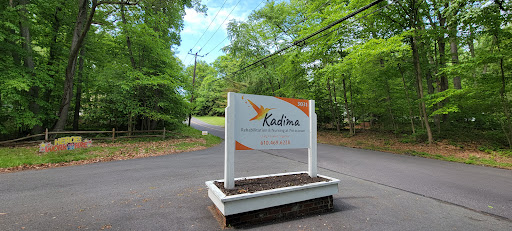
3031 Chestnut Hill Road, Pottstown, PA 19464
For more information about senior living options: (866) 208-4318
Overall Review of Kadima Rehabilitation & Nursing At Pottstown
Pros
 The staff are wonderful and go above and beyond to follow up after discharge, showing genuine care for patients' wellbeing.
- Kadima's nurses are kind, understanding, and helpful, making patients feel welcomed and like family.
- The facility is wonderful, with caring and warm staff throughout.
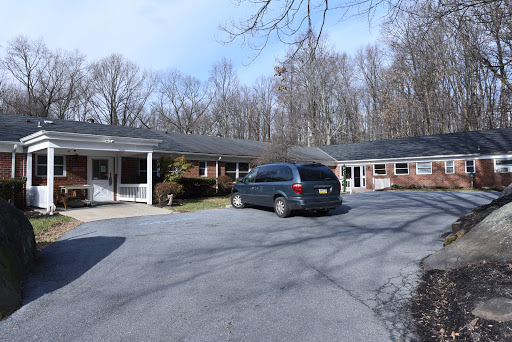
- The building is quaint and beautifully set, offering compassionate, quality care from team-oriented caregivers with engaging activities and outdoor spaces.
- The team is absolutely wonderful, and the DON is terrific, with management and staff forming a stellar, dedicated group.
- The environment is small, friendly, clean, and supportive, creating an amazing experience for patients.
Cons
 The company is described as bottom of the barrel.
- It is not recommended.
- The facility is one step away from closure by the state, does not pay its bills to vendors, and has been a dump for years.
- The management keeps changing hands, leading to concerns about consistency.
- The care, food, and safety are all very poor, with falls not reported and fear of repercussions for complaints.
- Aides are a bit rough around the edges.
- The facility is described as horrible.
Review
Kadima Rehabilitation & Nursing at Pottstown is best suited for families seeking a small, intimate setting where staff relationships translate into highly attentive, hands-on care and tangible rehab progress. The facility’s strength lies in a tight-knit team that treats residents like individuals, not numbers, with caregivers who follow through after discharge and show genuine commitment to recovery. Stories of patients leaving able to walk without assistance and with renewed social confidence illustrate a rehabilitation milieu that can make meaningful differences in mobility, mood, and daily participation. The site itself supports this dynamic: a quaint, clean building with easy-to-navigate spaces, outdoor time in a garden or porch, and frequent opportunities to interact with friendly staff on a first-name basis. For families who prize continuity of care, real-time responsiveness, and a homey, low-slung environment, Kadima delivers.
Those who may want to consider alternatives are families prioritizing financial stability and governance consistency, or those wary of management turnover and mixed safety impressions. Several reviews flag concerns about administration and vendor payments, with one commenter suggesting the operation has fluctuated in its leadership and another describing ongoing financial strain. A few perspectives also express doubt about safety and accountability, including references to falls not being promptly reported and a broader sense that the facility is vulnerable to instability. For families requiring a larger campus with more formalized resources, or for those seeking a facility with a uniformly unbroken track record of fiscal and operational steadiness, it makes sense to look beyond Kadima and compare options with clearer, long-standing governance and stronger, more consistent incident reporting.
The strongest pros, exceptional staff warmth, a team-oriented culture, and vivid evidence of rehab success, often offset the more troubling concerns. Reviews repeatedly praise staff as caring, responsive, and devoted to patient well-being, with several accounts highlighting proactive communication after discharge and deep personal connections between residents and caregivers. The DON receives particular commendation for leadership, and the small size of the building is repeatedly cited as a catalyst for close collaboration among nurses, aides, and therapy staff. The facility’s natural setting, abundance of activities, and accessible outdoor spaces add to a daily routine that emphasizes engagement and social connection, reinforcing mental well-being alongside physical progress. When a resident’s mobility improves and a sense of belonging blossoms, many of the operational quibbles become tolerable, or at least more easily overlooked.
Yet the flip side cannot be ignored. The most persuasive cautions revolve around management stability and broader financial signals. The sense that leadership has shifted hands multiple times, coupled with accusations of unpaid vendor bills, invites questions about long-term sustainability and the consistency of available services. Some reviewers describe the staff complement as generally good but acknowledge turnover, which can interrupt established routines and erode the sense of a stable caregiving team. There are also explicit alarms about safety culture and responsiveness in critical moments. For families, these red flags translate into a need for heightened diligence: verify the current administrator’s track record, request recent state inspection results, and probe how incident reporting, falls prevention, and routine maintenance are tracked and reviewed on a monthly basis.
To make an informed decision, prospective families should approach Kadima with a practical, investigative mindset. Visit with questions that surface day-to-day realities: what is the current staffing ratio on mornings and weekends, who oversees therapy, and how are progress goals communicated to families? Request to speak with the director of nursing and therapy leads about discharge planning, post-acute rehabilitation plans, and coordination with home health or community resources. Examine the most recent state survey and any corrective action plans, while also talking to current residents and families about responsiveness and consistency of care. Observe dining, activity calendars, and room cleanliness, while gauging whether aides and nurses appear consistent in their assignments and whether care plans feel personalized rather than process-driven.
In the end, Kadima offers a compelling choice for families who value a warm, small-community atmosphere where caregivers are deeply invested in rehab outcomes and daily quality of life. The standout care ethos, joint staff functioning, and vivid opportunities for social and outdoor engagement create a compelling case for those who prize personalization and emotional support as much as clinical metrics. However, for families with a low tolerance for leadership fluctuations, questions about financial stability, or concerns about safety responsiveness, Kadima should be weighed against other options with more transparent governance, steadier management, and a track record of consistent, verifiable performance. A disciplined, on-site evaluation, paired with references and recent inspection data, will yield a clear verdict about whether Kadima best matches the care goals and risk tolerance of the individual and family.
 41 resident community capacity
 Skilled Nursing Facility
 Beauty salon
 Cable or satellite TV
 Dining room
 Fully furnished
 Garden
 Housekeeping services
 Kitchenette
 Move-in coordination
 Outdoor space
 Restaurant-style dining
 Small library
 Telephone
 Wi-Fi/high-speed internet available
 24-hour call system
 Activities of daily living assistance
 Assistance with bathing
 Assistance with dressing
 Assistance with transfers
 Diabetes diet
 Medication management
 Mental wellness program
 Special dietary restrictions




 Understanding the Nuances of Palliative Care and Hospice: A Comprehensive Exploration
 Is In-Home Healthcare Tax Deductible? Your Comprehensive Guide
 Nurturing Well-Being Through Gardening: A Detailed Guide for Senior Enthusiasts