Overall Review of River's Edge Nursing and Rehabilition Center
common6 reviews mention this
Food quality is mixed
Food quality gets both praise and repeated criticism in reviews.
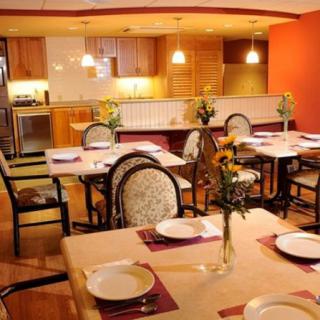
Several residents and families describe the food positively, including one note that the food was great and another saying food was good. Others are much more negative, calling meals poor, terrible, repetitive, or lacking variety, with complaints about how food is served and how often certain items appear. A few also mention meal troubles in general. Overall, expectations about dining quality vary widely from person to person.
differentiator8 reviews mention this
Therapy support is a major focus
Physical and occupational therapy are a consistent point of attention for residents and families.
Across reviews, residents and families highlight PT and OT as a key part of the experience, describing therapists as outstanding, fantastic, and helpful in building strength and confidence. Some reviewers also mention the therapy team addressing mobility goals like getting up from a wheelchair and walking. A few reviews are more cautious, saying therapy did its job adequately, but still point to the therapy staff as involved. Even when other areas fall short, many comments return to therapy as a meaningful part of the stay.
caveat4 reviews mention this
Staffing levels are a recurring concern
Residents and families sometimes describe delays and strain tied to staffing.
Some reviews attribute problems to staffing, including accounts of needing more people because staff are slow to respond or arrive for patient services. Others describe employees as overworked and underpaid, and one review says the facility is facing staffing challenges below safe thresholds. There are also comments about being unable to hire more staff, tied to management limits. While many reviews praise caregivers, staffing capacity comes up often enough that it can affect day-to-day responsiveness.
common7 reviews mention this
Cleanliness ranges from very good to severe
Cleanliness is frequently mentioned, with both strong praise and serious complaints.
Multiple reviewers describe the facility as clean, well kept, and even note it as the cleanest rehab they have seen. Cleanliness is also connected to comfort, with families saying their loved ones felt safe. At the same time, other reviews describe unpleasant odors, strong body odor and filth, and a facility that feels dirty or outdated. These contrasting comments make cleanliness one of the most inconsistent themes across reviews.
caveat3 reviews mention this
Call response can feel inconsistent
Several reviews focus on how quickly help is reached when requested.
Some reviewers say response is fast, including a note that when using the call button there is always a fast response. Others describe trouble getting attention when needed, including a bedside call device malfunction that required contacting the nursing station by phone. There are also reports that staffing shortages can slow coming to patients for service, which affects how quickly needs are met. Taken together, reviews suggest responsiveness varies.
How we summarize
Counts show how many written reviews mention each theme; a review can touch several themes, and only frequently mentioned themes are displayed.
Features
Types of Care
Skilled Nursing Facility
Transportation
Trenton-Mercer County (18 miles away)
Philadelphia International (18 miles away)
Nearby Places of Interest
This part of Philadelphia, Pennsylvania offers a variety of amenities that may be appealing to seniors considering the area for living. The proximity to multiple hospitals and pharmacies ensures easy access to healthcare services and medications. Additionally, there are several dining options nearby including fast-food restaurants like McDonald's and Chick-Fil-A, as well as local eateries such as Gaetano's Penny Packer and New Golden Dawn Diner. Parks like Champion Park Playground and Womrath Park provide opportunities for outdoor recreation and relaxation. For entertainment, there is the AMC Neshaminy 24 theater within a reasonable distance. Public transportation is also accessible with SEPTA stations in the vicinity, making it convenient for seniors to travel around the city. Overall, this part of Philadelphia offers a mix of convenience, healthcare options, dining choices, recreational facilities, and transport links that could be suitable for senior living.
Restaurants
McDonald's (1.3 miles)
Taco Bell (2.8 miles)
Chick-Fil-A (3.7 miles)
McDonald's (3.8 miles)
Gaetano's Penny Packer (4.2 miles)
New Golden Dawn Diner (4.9 miles)
Crown Fried Chicken (5.7 miles)
Hospitals
Jefferson Torresdale Hospital (1.5 miles)
Aria Health (5.6 miles)
Fox Chase Cancer Center (5.8 miles)
Holy Redeemer Hospital (6.6 miles)
St Christopher's Hospital for Children (8 miles)
Albert Einstein Employee Health Center (8.4 miles)
Jefferson Cherry Hill Hospital (8.6 miles)
Pharmacies
CVS Pharmacy (1.8 miles)
Rite Aid (2.8 miles)
CVS Pharmacy (2.9 miles)
Walgreens (2.9 miles)
Rite Aid (3.1 miles)
Rite Aid (3.9 miles)
Walgreens (4.3 miles)
Parks
Champion Park Playground (4.9 miles)
Womrath Park (6.3 miles)
Columbus Park (7.8 miles)
Palmer Park Farmers Market (9.4 miles)
Palmer Doggie Depot (9.4 miles)
Physicians
Dr.'s Eyecare Center (5.3 miles)
Cooper University Physicians (5.5 miles)
Cooper Hematology/Oncology (5.6 miles)
Frankford Avenue Health Center (5.9 miles)
Stoltz and Hahn Family Practice (6.6 miles)
South Jersey Skin Care (7.7 miles)
Simms Hank Md Albert Einstein Medical Center Philadelphia (8.5 miles)
Caregiver burnout is a common issue resulting from the intense physical, emotional, and mental demands of caregiving, leading to symptoms like fatigue and social withdrawal. To prevent burnout, caregivers should recognize early warning signs and implement self-care strategies, seek support, and prioritize their own well-being alongside that of those they care for.
Caregiver exhaustion, or burnout, stems from the relentless demands of caregiving, leading to emotional and physical depletion characterized by stress, frustration, and neglect of personal needs. Addressing this burden is essential to prevent long-term consequences, with early recognition and support being crucial for caregivers to maintain balance and implement self-care.
Hospice care at home provides specialized end-of-life support that focuses on comfort and dignity for individuals with life-limiting illnesses, offering a range of services including medical management, emotional and spiritual support, and logistical assistance tailored to the family's needs. It involves collaboration to create individualized care plans and extends to bereavement support after a loved one's passing.
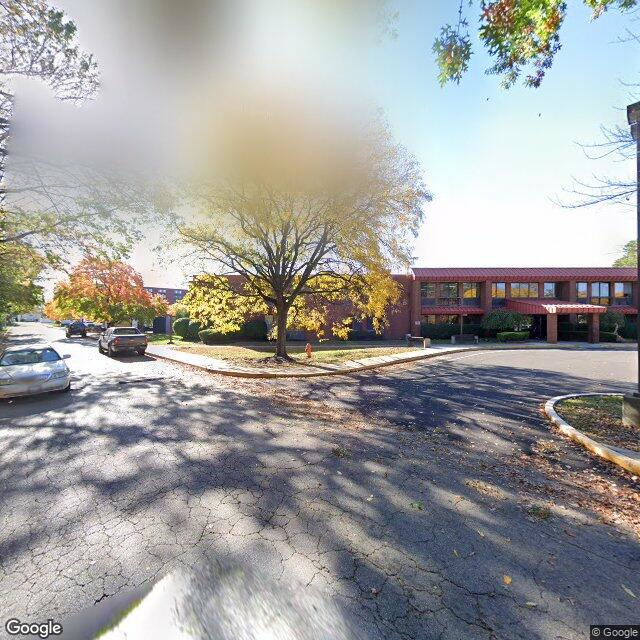
River's Edge Nursing and Rehabilition Center photos
×
Get PricingAsk A QuestionSchedule A TourContact Senior Advisor
By clicking submit, you agree to our Partner's Terms of Use. You
also consent to receive calls and texts, which may be autodialed, from our Partner. Your consent is not a condition to
using our Partner's service. Please visit our Partner's Privacy Policy for information about their privacy practices.


 Skilled Nursing Facility
 Trenton-Mercer County (18 miles away)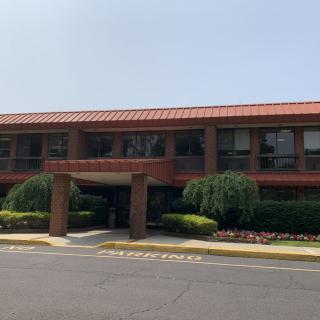
 PT and OT rehabilitation services praised.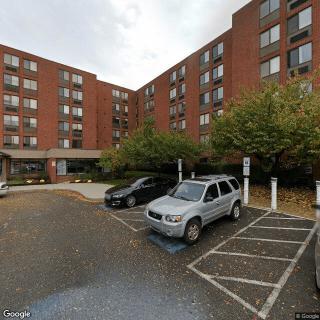

 Caring for Those Who Care: Recognizing, Understanding, and Overcoming Caregiver Burnout
 Caregiver Exhaustion: Recognizing the Signs and Restoring Your Well-Being
 Understanding Hospice Care at Home: Comprehensive Services, Key Benefits, and Eligibility