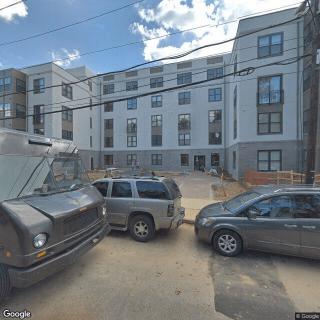
Presbyterian Center For Cont Care in Philadelphia, PA

Information last verified:

39Th And Market Sts, Philadelphia, PA 19104

For more information about senior living options: (844) 490-3973

3 from 110 reviews
5 stars
45
4 stars
8
3 stars
5
2 stars
8
1 stars
44

Overall Review of Presbyterian Center For Cont Care

Pros

  • pro Liz and Divea were described as the best doctors the patient had ever had.
  • pro Liz was described as exceptionally wonderful and truly caring toward her patients.
  • pro The nurses and doctors were described as amazing, kind, patient, and professional.
  • pro DeLaura was described as a sweet nurse who helped with discharge.
  • pro Penn at Home was described as a wonderful alternative to a rehabilitation facility.
  • pro The THRIVE program doctors and nurses were described as especially wonderful.
  • pro The MICU team’s care and dedication was unmatched.
  • pro The addiction team is absolutely amazing.
  • pro Ankle surgery went exceptionally well with Dr. Donegan’s team.
  • pro The ER staff were praised for phenomenal care and respectful communication.
  • pro The elderly mom’s caregivers explained things and answered questions.

Cons

  • pro They discharge patients quickly, seemingly caring more about the paycheck than patient care.
  • pro The ER was overcrowded, and people waited for hours with no clear sense of when they’d be helped.
  • pro A night triage nurse had a horrible attitude and wouldn’t provide water after hours of waiting.
  • pro The nursing staff were described as horrendous and uncaring, focused on prestige rather than patients.
  • pro Patients were left in hallways for hours, sometimes without pain meds or privacy.
  • pro Staff were rude, unprofessional, or dismissive, with poor communication and empathy.
  • pro There were reports of neglect, such as missed medications or leaving patients in pain without relief.
  • pro The facility was criticized for dirty conditions in some areas.
  • pro The hospital was described by some reviewers as the worst in Philadelphia.

Review

This community is best suited for families and patients who need access to Penn Medicine’s extensive specialist network and who are prepared to engage actively in the care process. It works best for those facing complex medical or surgical needs, where the backing of a large academic system can drive strong outcomes. It also suits caregivers who value robust specialty programs, such as addiction care and rehabilitative services, and who can tolerate variable bedside care across shifts. In short, this center rewards those who are comfortable driving their own care plan, articulating questions, and leveraging the system’s resources to secure timely expertise when pressures are high.

On the other hand, this facility may not be the right fit for those who require consistently high-touch, private, or uniformly attentive daily care without advocacy. Families seeking predictable, ship-stable experiences, particularly in the emergency department, triage, or post-acute settings, may find the variability unsettling. If privacy, prompt communication, reliable discharge planning, and uniformly courteous bedside manners across all departments are non-negotiables, alternatives with stronger track records for patient-facing service should be considered. The same holds for those who must avoid hallway beds, long waits, or encounters with personnel whose interactions feel dismissive or impersonal. For such households, a different hospital or care setting may deliver steadier day-to-day satisfaction.

The meaningful advantages here, deep medical expertise, access to subspecialists, and stories of excellent surgical and acute-care outcomes, do have a clear, offsetting influence on the less favorable signals. When urgent or complex medical needs arise, the system’s breadth translates into rapid access to top physicians and coordinated teams. Several accounts highlight standout clinicians and cohesive care teams that maintain patient dignity, explain treatment plans clearly, and pursue aggressive interventions when warranted. The presence of focused programs, like Thrive and addiction-care teams, demonstrates a capacity to address nuanced pathologies with a multidisciplinary approach. In settings where medical mastery and coordinated, evidence-based care are paramount, the pros can substantially outweigh headaches caused by administrative friction or episodic lapses in bedside warmth.

There are abundant concrete examples of the hospital’s strengths in action. The most compelling narratives center on individual physicians and nurses who go above and beyond, delivering compassionate explanations, steady hands in the OR, and proactive post-operative follow-through. Across several reviews, patients recall being moved quickly through triage, receiving attentive monitoring, and feeling that clinicians treated them as whole people rather than as cases. The addiction program is repeatedly praised for its team-based, empathetic approach, and the MICU and surgical units surface repeatedly as places where patients felt seen, heard, and genuinely cared for. Even during stressful episodes, families describe moments of clear communication, timely updates, and a sense that the medical teams feared less about prestige and more about a patient’s well-being.

Yet the cons are both numerous and serious enough to shape the decision. Chronic issues include extended ER wait times, hallway admissions, and inconsistent bedside care. Several reviews describe long, uncomfortably public triage experiences, delayed medications, and gaps in communication with families, sometimes culminating in frustration about discharge planning or access to information. Instances of staff appearing overwhelmed, inattentive, or uneven in empathy, especially among security personnel, receptionists, or some nursing cohorts, color many stays with a sense of disconnect between a hospital’s reputation and the day-to-day experience. Environmental factors, crowded waiting rooms, crowded hallways, signs that are hard to find, compound the perception of disorganization and can undermine confidence at vulnerable moments.

The bottom line: for families who prize the hospital’s medical depth, this center remains a compelling option, provided there is a plan to guard against the most frustrating operational gaps. The strongest recommendation is to designate a patient advocate or point person who can coordinate communications, confirm care plans, and push for timely updates. In advance, request care teams with demonstrable continuity, insist on clear discharge instructions, and identify which units consistently meet expectations for bedside empathy and cleanliness. Consider alternatives if the priority is a consistently smooth, predictable daily experience without persistent advocacy. For those who can accept a spectrum of experiences in exchange for access to premier medical talent and complex-care capabilities, this center offers substantial upside with the right preparation and support. The prudent approach is to couple medical confidence with a concrete plan for advocacy, and to be ready to pivot to a different option if the day-to-day care climate becomes too variable. Ultimately, informed families will align the decision with the balance they can tolerate between elite clinical capability and the practical realities of care delivery.

Features

Housing

  • 25 resident community capacity 25 resident community capacity

Types of Care

  • Skilled Nursing Facility Skilled Nursing FacilitySkilled Nursing Facilities are crucial for seniors as they provide round-the-clock medical care, rehabilitation services, and assistance with daily activities. These facilities ensure that seniors receive the specialized care they need to maintain their health and well-being as they age.

Amenities

  • Beauty salon Beauty salonBeauty salons are important for seniors because they provide a space for them to feel pampered, socialize, and maintain their personal grooming and hygiene. Regular visits to a beauty salon can help boost seniors' self-esteem and overall well-being.
  • Cable or satellite TV Cable or satellite TVCable or satellite TV is important for seniors because it provides entertainment, news, and companionship, helping to combat loneliness and boredom. It also offers a wide range of programming options tailored to different interests and preferences.
  • Dining room Dining roomDining rooms are important for seniors as they provide a space for socialization, connection, and nutritious meals. They offer opportunities for residents to bond over shared meals, foster a sense of community, and promote healthy eating habits. Dining rooms also ensure that seniors have access to well-balanced meals tailored to their dietary needs and preferences.
  • Fully furnished Fully furnishedFully furnished senior living communities are important for seniors because they provide convenience, comfort, and a hassle-free moving experience. Seniors can easily settle into their new living space without the stress of having to buy and move furniture. This allows them to focus on enjoying their new home and community.
  • Garden GardenGardens are important for seniors as they provide a peaceful and therapeutic environment for relaxation, physical activity, and socialization. Being in nature has been shown to reduce stress, improve mood, and promote overall well-being. Gardens also offer opportunities for seniors to engage in gardening activities, which can improve mobility, flexibility, and cognitive function. Additionally, gardens create a sense of community and connection with others who share a passion for plants and outdoor spaces.
  • Housekeeping services Housekeeping servicesHousekeeping services are important for seniors because they help maintain a clean and safe living environment, promote independence, and reduce the risk of accidents or illnesses. Additionally, having assistance with household chores can alleviate physical strain and allow seniors to focus on other aspects of their well-being.
  • Kitchenette KitchenetteKitchenettes are important for seniors living in senior living communities because they provide the convenience and independence of being able to prepare simple meals and snacks in the comfort of their own living space. This can help promote a sense of autonomy and well-being for seniors, allowing them to maintain some level of control over their dietary choices and daily routines.
  • Move-in coordination Move-in coordinationMove-in coordination is important for seniors because it helps ease the transition into their new living environment. It ensures that all logistics, such as packing, organizing movers, and setting up utilities are taken care of, allowing seniors to focus on settling in and adjusting to their new home. Having a smooth move-in process can alleviate stress and anxiety, making the transition smoother and more enjoyable for seniors.
  • Outdoor space Outdoor spaceOutdoor spaces are important for seniors as they provide opportunities for physical activity, social interaction, exposure to natural light and fresh air, and a sense of connection to nature. Having access to outdoor spaces can improve overall well-being and quality of life for older adults living in senior communities.
  • Restaurant-style dining Restaurant-style diningRestaurant-style dining is important for seniors because it allows them to enjoy delicious, nutritious meals in a social and upscale setting. This enhances their dining experience, promotes healthy eating habits, and fosters socialization with fellow residents, ultimately contributing to their overall well-being and quality of life.
  • Small library Small librarySmall libraries are important for seniors as they provide access to a variety of reading materials, including books, newspapers, and magazines. This can help stimulate their minds, keep them engaged, and provide a sense of community through book clubs and other social activities. Additionally, reading has been shown to improve cognitive function and overall mental well-being in older adults.
  • Telephone TelephoneTelephones are important for seniors as they provide a lifeline for communication with loved ones, emergency services, and healthcare providers. They offer a sense of security and independence, enabling seniors to stay connected and access assistance when needed.
  • Wi-Fi/high-speed internet available Wi-Fi/high-speed internet availableWi-Fi/high-speed internet is important for seniors to stay connected with loved ones, access online resources, and participate in virtual activities to combat feelings of loneliness and isolation. It also allows them to easily manage healthcare needs, access entertainment, and engage in lifelong learning opportunities.

Transportation

  • Philadelphia International (6 miles away) Philadelphia International (6 miles away)

Care Services

  • 24-hour call system 24-hour call system24-hour call systems are important for seniors because they provide peace of mind and immediate assistance in case of emergencies. This technology ensures that help is always available, promoting safety and security for elderly individuals living alone or in assisted living facilities.
  • 24-hour supervision 24-hour supervision24-hour supervision is important for seniors to ensure their safety, well-being, and access to immediate assistance in case of emergencies or health issues. This constant support provides peace of mind for both seniors and their loved ones, allowing them to age in place with dignity and security.
  • Activities of daily living assistance Activities of daily living assistanceActivities of daily living assistance are important for seniors because they provide essential support with tasks such as eating, bathing, dressing, and mobility. This assistance helps seniors maintain their independence, dignity, and overall quality of life as they age.
  • Assistance with bathing Assistance with bathingAssistance with bathing is crucial for seniors as it helps maintain personal hygiene, prevents infections, and ensures their overall well-being and comfort. It also provides a sense of dignity and independence for seniors who may struggle with this task on their own.
  • Assistance with dressing Assistance with dressingAssistance with dressing is important for seniors because it helps maintain their independence, promotes personal hygiene, prevents accidents and injuries, and improves overall quality of life. This service ensures that seniors can continue to dress comfortably and confidently, despite any physical limitations they may have.
  • Assistance with transfers Assistance with transfersAssistance with transfers is crucial for seniors as it helps prevent falls and injuries, maintains their independence, and ensures they can safely navigate their living environment. It also provides peace of mind for both seniors and their loved ones.
  • Diabetes diet Diabetes dietA diabetes diet is crucial for seniors as it helps manage blood sugar levels, reduce risks of complications, and improve overall health and well-being. By following a balanced and nutritious diet tailored to their specific needs, seniors can better control their diabetes and enhance their quality of life.
  • Meal preparation and service Meal preparation and serviceMeal preparation and service are crucial for seniors as they may have limited mobility or energy to cook nutritious meals. Having access to healthy and convenient food options can ensure they are getting the proper nutrition needed to maintain their overall health and well-being.
  • Medication management Medication managementMedication management is crucial for seniors to ensure they are taking the right medications at the correct dosages and times. This helps prevent adverse drug interactions, reduces the risk of medication errors, and promotes overall health and well-being. Proactive management also allows for adjustments as needed based on changing health conditions or new prescriptions.
  • Mental wellness program Mental wellness programMental wellness programs are essential for seniors as they promote cognitive stimulation, emotional support, and social engagement. These programs help prevent isolation, depression, and cognitive decline, ultimately enhancing the overall quality of life for older adults.
  • Special dietary restrictions Special dietary restrictionsSpecial dietary restrictions are important for seniors because age-related changes in metabolism and health conditions can make it difficult for their bodies to process certain foods. By following a diet tailored to their specific needs, seniors can maintain their overall health and well-being, manage chronic conditions, and reduce the risk of complications such as malnutrition or food interactions with medications.

Dining

  • Diabetes diet Diabetes dietA diabetes diet is crucial for seniors as it helps manage blood sugar levels, reduce risks of complications, and improve overall health and well-being. By following a balanced and nutritious diet tailored to their specific needs, seniors can better control their diabetes and enhance their quality of life.
  • Special dietary restrictions Special dietary restrictionsSpecial dietary restrictions are important for seniors because age-related changes in metabolism and health conditions can make it difficult for their bodies to process certain foods. By following a diet tailored to their specific needs, seniors can maintain their overall health and well-being, manage chronic conditions, and reduce the risk of complications such as malnutrition or food interactions with medications.

Activities

  • Community-sponsored activities Community-sponsored activitiesCommunity-sponsored activities are important for seniors as they provide opportunities for social interaction, mental stimulation, and physical activity. These activities can help improve overall well-being, combat loneliness and isolation, and promote a sense of belonging and purpose among older adults.
  • Resident-run activities Resident-run activitiesResident-run activities are important for seniors as they encourage social interaction, creativity, and a sense of autonomy. These activities empower seniors to stay engaged and active in their community while fostering meaningful connections with their peers.
  • Scheduled daily activities Scheduled daily activitiesScheduled daily activities are important for seniors because they provide structure, socialization, mental stimulation, and physical activity. Engaging in regular activities can improve overall well-being and quality of life for seniors living in a community setting.

Description

The Presbyterian Center For Cont Care in Philadelphia, PA offers a range of amenities and care services to meet the needs of residents. The community provides fully furnished accommodations with access to cable or satellite TV, Wi-Fi/high-speed internet, and telephone services. Residents can enjoy delicious meals in the dining room with restaurant-style dining options and special dietary restrictions are taken into consideration.

The community also offers various recreational facilities and spaces for residents to enjoy. There is a garden and outdoor space where residents can relax and soak up some fresh air. For those who enjoy reading, there is a small library available. Scheduled daily activities are offered to keep residents engaged and entertained, while resident-run activities allow them to actively participate in the community.

When it comes to care services, the Presbyterian Center For Cont Care ensures that residents receive 24-hour supervision and assistance with activities of daily living such as bathing, dressing, and transfers. Medication management is provided to ensure that residents take their medication on time. The community also offers a mental wellness program to support the emotional well-being of its residents.

In terms of location, the Presbyterian Center For Cont Care is conveniently surrounded by various amenities. There are cafes, parks, pharmacies, physicians' offices, restaurants, transportation options, theaters, and hospitals all nearby for easy access. This allows residents to easily access any necessary services or enjoy outings outside of the community.

Overall, the Presbyterian Center For Cont Care offers a comfortable and supportive environment for seniors in need of assisted living services in Philadelphia. With its range of amenities and care services as well as its convenient location near various amenities in the area, it strives to provide a fulfilling experience for its residents.

Nearby Places of Interest

Pharmacies

  • Penn Medicine University City Outpatient Pharmacy (0.1 miles)
  • CVS Pharmacy (0.2 miles)
  • CVS Pharmacy (0.6 miles)
  • HUP Outpatient Pharmacy - Ravdin (0.6 miles)
  • Perelman Center for Advanced Medicine Outpatient Pharmacy (0.7 miles)
  • Rite Aid (0.8 miles)
  • CVS Pharmacy (1 miles)

Hospitals

  • Philadelphia VA Medical Center (0.6 miles)
  • The Pavilion (0.7 miles)
  • Veterans Administration Community Living Center (0.7 miles)
  • Lankenau Medical Center (4 miles)
  • Temple University Hospital (4.2 miles)
  • Episcopal Hospital (4.4 miles)
  • Cooper University Hospital (4.6 miles)

Physicians

  • Children's Hospital of Philadelphia (0.6 miles)
  • CHOP Buerger Center for Advanced Pediatric Care - Raymond G. Perelman Campus (0.7 miles)

Transportation

  • SEPTA: MFL/TRL 30th Street Station (0.8 miles)
  • 30th Street Station (0.9 miles)
  • Jefferson Station (2.2 miles)
  • Darby Transportation Center (4.2 miles)
  • SEPTA: 101/102 Lansdowne Avenue Station (4.4 miles)

Parks

  • Schuylkill River Park (1.1 miles)
  • Rittenhouse Square (1.6 miles)
  • Fairmount Park (2.2 miles)
  • Christopher Columbus Park Dog Run (2.5 miles)
  • Franklin Square (2.6 miles)
  • Independence National Historical Park (2.7 miles)
  • Weccacoe Park (2.9 miles)

Restaurants

  • Rosy's Taco Bar (1.2 miles)
  • K'Far (1.5 miles)
  • Parc Brasserie (1.6 miles)
  • U Bar (2.1 miles)
  • Tabu Lounge & Sports Bar (2.1 miles)
  • Kalaya Thai Kitchen (2.5 miles)
  • South Philadelphia Tap Room (2.5 miles)

Cafes

  • La Colombe Torrefaction (1.5 miles)
  • Elixr Coffee (1.8 miles)
  • Starbucks (3.3 miles)
  • Starbucks (3.4 miles)
  • Starbucks (3.6 miles)
  • Panera Bread (3.6 miles)
  • La Colombe Coffee Roasters (3.6 miles)

Theaters

  • Landmark Theatres - Ritz Five (3 miles)

Frequently Asked Questions

Where is Presbyterian Center For Cont Care?

Nearby Communities

  • Edith R Rudolphy Residence For The Blind

    Edith R Rudolphy Residence For The Blind

    Philadelphia, PA

    4 from 4 reviews
     

    pro Comprehensive care for visually impaired residents, including 24/7 supervision, ADL support, medication management, meals, housekeeping, and transportation.


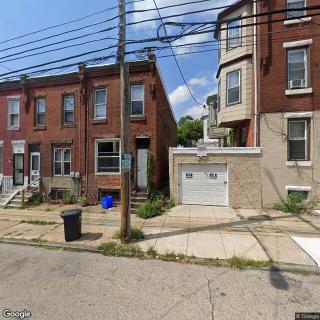
  • Penn Center For Rehab & Care

    Penn Center For Rehab & Care

    Philadelphia, PA


    pro Excellent access to nearby dining, parks, pharmacies, physicians, restaurants, and transportation.

  • Restore Health At University City

    Restore Health At University City

    Philadelphia, PA


    pro Extensive on-site amenities and 24/7 care.

  • Motivations West

    Motivations West

    Philadelphia, PA

    4.9 from 9 reviews
     

    pro Small, personalized setting with comprehensive care and strong medical coordination.

  • Divinity Manor

    Divinity Manor

    Philadelphia, PA

    3.3 from 3 reviews
     

    pro 24/7 supervision and ADL assistance with diabetes care, plus restaurant-style dining and on-site amenities.

  • Thoroughgood Home

    Thoroughgood Home

    Philadelphia, PA

    3.4 from 38 reviews
     

    pro Excellent access to nearby amenities and healthcare.

  • Fountain View at Logan Square

    Fountain View at Logan Square

    Philadelphia, PA

    4.5 from 138 reviews
    $3,500 to $6,995 / month

    pro Vibrant community with diverse activities and a convenient Center City West location.

  • Simpson House

    Simpson House

    Philadelphia, PA

    3.8 from 68 reviews
     

    pro Warm community with friendly staff and extensive amenities.

  • Hayes Manor Retirement Residence

    Hayes Manor Retirement Residence

    Philadelphia, PA

    4 from 34 reviews
    $2,000 to $2,600 / month

Related Resources

  • brain games for seniorsEngaging Brain Games and Innovative Apps to Keep Senior Minds Active
    Maintaining cognitive fitness through engaging in various brain games, both traditional and digital, is crucial for seniors as it enhances memory retention, problem-solving abilities, and emotional well-being while helping to protect against age-related decline. A holistic approach that includes diverse activities, physical exercise, a balanced diet, and social interaction further supports mental health and cognitive function.

  • brain games for seniorsEffective Strategies for Keeping Seniors' Minds Active: A Deep Dive into Brain Games and Apps

    The article outlines strategies for keeping seniors' minds active through brain games and apps, highlighting the importance of cognitive exercises, social engagement, and a healthy lifestyle in combating cognitive decline. It emphasizes the benefits of various types of games and offers practical tips for maintaining mental wellness through enjoyable activities while acknowledging their limitations.

  • aid and attendance vaIn-Depth Look at the VA Aid and Attendance Program

    The VA Aid and Attendance program offers financial assistance to veterans needing help with daily activities due to health issues, available through a pension for low-income wartime veterans or an allowance for 100% disabled individuals. Eligibility depends on medical documentation of care needs and navigating guidelines about income and service history, with funds being usable for various healthcare-related expenses.