
3827 Powelton Avenue, Philadelphia, PA 19104
For more information about senior living options: (866) 208-4318
Overall Review of Edith R Rudolphy Residence For The Blind
Pros
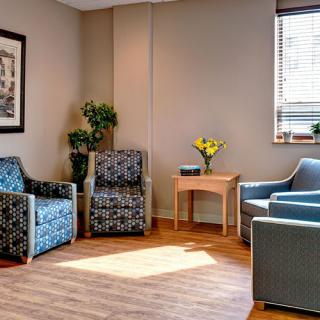
 The place is nice, loving, and cozy.
- The staff are amazing.
- The apartments are very nice and cozy.
- The building is clean, neat, and very secure.
- The employees are very polite.
Cons
 They do a horrible job keeping up with the place.
- Former tenants and current tenants are not happy with the maintenance.
Review
Edith R Rudolphy Residence For The Blind in Philadelphia is best suited for visually impaired seniors who want a small, intimate setting where staff relationships feel personal and safety is tangible. The ambiance leans toward a cozy, homelike atmosphere, with cleanliness and a calm, predictable routine that helps residents navigate daily life with confidence. For residents who value a hands-on staff presence and a sense of community, this residence delivers. The layout and design align with practical needs for orientation and assistance, and the sense of security is repeatedly highlighted by residents and families alike. In short, this is a place where quiet mornings, familiar faces, and straightforward care protocols create a dependable living environment for someone who is blind or has limited vision.
Alternatives may appeal to those who demand flawless upkeep and more robust maintenance responsiveness, or who require broader medical coordination beyond what a small residence typically provides. One critical note from a reviewer highlights ongoing maintenance neglect, signaling that facility upkeep is uneven. Families seeking dramatic, ongoing improvements, modernized common areas, or more expansive programming might find Rudolphy lacking. For residents who rely heavily on adaptive technologies, orientation aids, or on-site therapy services, a larger campus with more resources could deliver smoother daily support. In sum, a standout warmth and safety profile is balanced by a real risk of deferred maintenance that could erode comfort over time.
The strongest buffer against those concerns are the documented positives: genuinely nice, attentive staff, cleanliness, and strong safety measures. When staff are described as amazing, polite, and supportive, daily interactions become meaningful anchors, reducing friction during tasks that require orientation or assistance for someone with limited vision. A clean, cozy facility lowers infection risk and supports dignity in everyday activities. Security features and a well-maintained, compact building minimize worries about wandering, privacy, and safety. These factors can offset moderate maintenance lapses by keeping residents well-cared-for in core areas, meals, laundry, orientation, and emergency response. Still, the maintenance gap is not incidental; it is the lever that could swing overall satisfaction over time.
Quality of life at this residence hinges on the reliability of daily operations and the warmth of human contact. Residents benefit from a calm, predictable environment where courteous staff provide timely assistance during orientation or emergencies, which is crucial for someone with limited vision. Cleanliness and cozy décor contribute to a sense of pride and belonging, not merely comfort. The security features provide meaningful peace of mind for families as well as residents. However, when upkeep slips, worries about safety in corridors or a decline in aesthetics can creep in quickly, undermining the otherwise strong sense of home. This dynamic makes the community especially well-suited for individuals who prize steady rhythms, close-knit relationships, and responsive, friendly staff over a more polished, high-tech setting.
Prospective residents should interrogate maintenance practices and promises. Ask for response times to repair requests, how often common areas are refreshed, and who manages upkeep for specialized features used by the blind, such as tactile cues or orientation aids. Request recent maintenance logs and a tour of a resident room or corridor at different times of day to observe lighting, safety rails, and signage. Meet staff and residents to gauge consistency of care, and inquire about staff-to-resident ratios during peak hours. Check for visible accessibility features and verify that assistive technologies align with individual needs. Finally, probe into any upcoming improvements or plans to address long-standing maintenance concerns so expectations are clear before moving in.
For a visually impaired senior who prioritizes warmth, safety, and everyday reliability, Edith R Rudolphy Residence offers a compelling fit. The combination of a cozy atmosphere, clean spaces, and exemplary staff creates a foundation where independence is supported and daily life flows smoothly. The main caveat is maintenance inconsistency, a risk that should be weighed against the proven strengths. If reliable upkeep and a broader service menu are non-negotiable, consider alternatives with stronger maintenance records or larger campuses dedicated to blind or visually impaired residents. If the decision leans toward Rudolphy, insist on explicit maintenance commitments, regular updates, and a clear escalation path to ensure the positive elements do not erode over time.
 17 resident community capacity
 Assisted Living
 Board and Care Home
 Cable or satellite TV
 Dining room
 Fully furnished
 Garden
 Housekeeping services
 Move-in coordination
 Outdoor space
 Telephone
 Wi-Fi/high-speed internet available
 Philadelphia International (6 miles away)
 24-hour supervision
 Activities of daily living assistance
 Assistance with bathing
 Assistance with dressing
 Assistance with transfers
 Diabetes diet
 Meal preparation and service
 Medication management
 Special dietary restrictions
 Transportation arrangement (medical)
 Transportation to doctors appointments


 A Detailed Exploration of Assisted Living Medicaid Waivers Across the United States
 Comprehensive Residential Support and Assisted Living Solutions for Individuals with Disabilities
 Comprehensive Supportive Living Arrangements for Adults with Disabilities