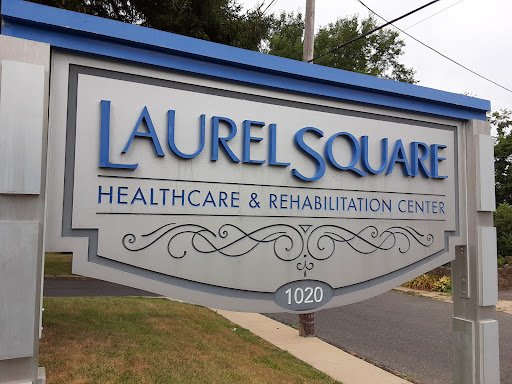
Overall Review of Laurel Square Healthcare And Rehabilitation Center
common22 reviews mention this
Staff professionalism and support
Residents and families frequently describe the staff as professional, friendly, and supportive.
Many reviews focus on how staff members treat residents and families with dignity and responsiveness. Several people say nurses and nursing aides provide good care, explain what is happening, and address questions quickly. A recurring buying-experience thread also names the admission contact as professional and reassuring while guiding families through next steps.
common9 reviews mention this
Rehabilitation and therapy progress
Physical therapy is a frequent point of praise, with residents describing real gains during recovery.
Multiple reviews mention physical therapy support and improving strength or balance while getting care. Families also describe nursing and therapy teams working together as part of their loved one’s transition back toward home. Even where reviews were critical overall, other positive notes still highlight that therapy support helped residents feel more like themselves.
caveat7 reviews mention this
Cleanliness and odors are mixed
Reviews are mixed on cleanliness, with some residents reporting strong, unpleasant odors.
Some reviewers describe the building as clean and organized, with a comfortable environment. Others report the facility smells strongly (including references to urine/piss) and describe unhygienic conditions around bathrooms or food trays. Because both positive and negative cleanliness comments appear, it seems to be a recurring divide in resident and visitor experiences.
caveat6 reviews mention this
Food quality disappoints some
Several families mention problems with food quality, including not liking meals or serving them cold.
Some reviews say the food is not to their liking, and a few specifically mention issues like cold meals. Others are positive about the food being clean and flavorful, so dining satisfaction varies. The community does offer restaurant-style dining and special diets, which may be part of why some residents feel supported even when others do not enjoy the meals.
common4 reviews mention this
Activity and exercise support
Activities like bingo and exercise groups come up in multiple reviews.
Several residents or families describe staying engaged through structured daily activities, including bingo and an exercise group. Reviews also connect these activities with quality of life—feeling contributing or supported during transition and rehab. The community offers planned daily activities and community-sponsored events, which aligns with what residents describe doing onsite.
common6 reviews mention this
Clear communication and follow-through
Communication is a common theme, with multiple reviewers praising quick responses to questions and concerns.
Several families describe getting updates and support, including having concerns addressed immediately. Others mention strong communication during the admission and transition process, and a few describe guidance related to health insurance and moving toward home care. There are also negative reviews about communication and access to transportation, so experiences vary depending on the situation and floor.
How we summarize
Counts show how many written reviews mention each theme; a review can touch several themes, and only frequently mentioned themes are displayed.
Features
Housing
87 resident community capacity
Types of Care
Skilled Nursing Facility
Amenities
Air-conditioning
Beauty salon
Cable or satellite TV
Computer center
Dining room
Fitness room
Fully furnished
Gaming room
Garden
Housekeeping services
Kitchenette
Move-in coordination
Outdoor space
Private bathrooms
Restaurant-style dining
Small library
Telephone
Wellness center
Wi-Fi/high-speed internet available
Transportation
Philadelphia International (14 miles away)
Trenton-Mercer County (23 miles away)
Community operated transportation
Transportation arrangement
Transportation arrangement (non-medical)
Transportation to doctors appointments
Care Services
12-16 hour nursing
24-hour call system
24-hour supervision
Activities of daily living assistance
Assistance with bathing
Assistance with dressing
Assistance with transfers
Diabetes diet
Meal preparation and service
Medication management
Mental wellness program
Special dietary restrictions
Dining
Diabetes diet
Special dietary restrictions
Activities
Community-sponsored activities
Concierge services
Fitness programs
Planned day trips
Resident-run activities
Scheduled daily activities
Nearby Places of Interest
Restaurants
McDonald's (1.2 miles)
Chick-Fil-A (1.6 miles)
McDonald's (2.4 miles)
Chick-Fil-A (2.6 miles)
Point After (3.9 miles)
Texas Chicken & Burgers (3.9 miles)
Dalessandro's Steaks (4.1 miles)
Hospitals
Albert Einstein Employee Health Center (1.2 miles)
Fox Chase Cancer Center (2.6 miles)
St Christopher's Hospital for Children (3.4 miles)
Temple University Hospital (3.5 miles)
Aria Health (3.7 miles)
Episcopal Hospital (4.5 miles)
Chestnut Hill Emergency Room (4.5 miles)
Physicians
Simms Hank Md Albert Einstein Medical Center Philadelphia (1.3 miles)
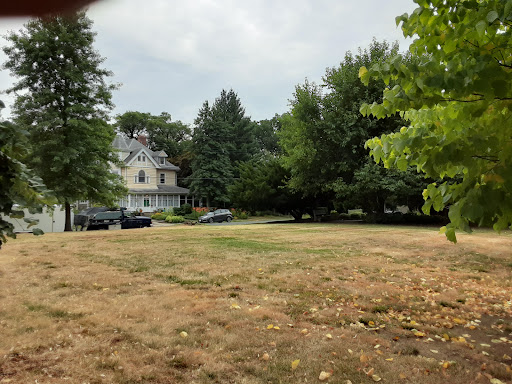
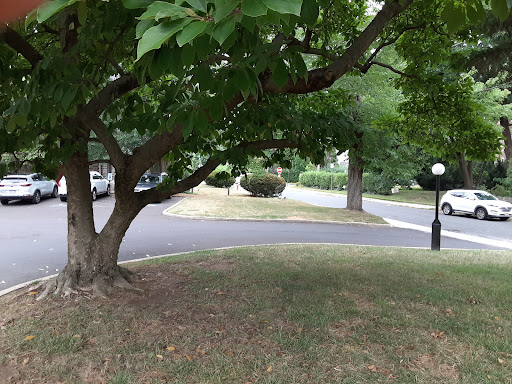
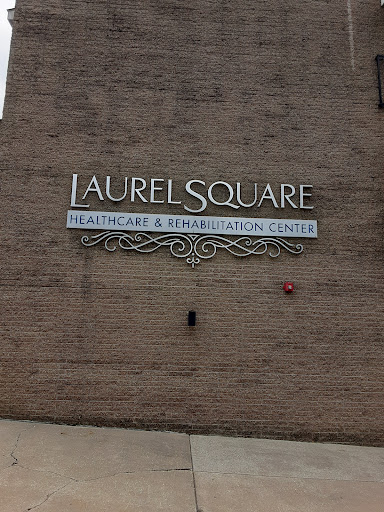
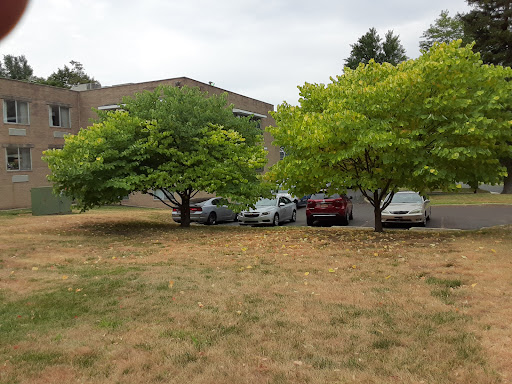
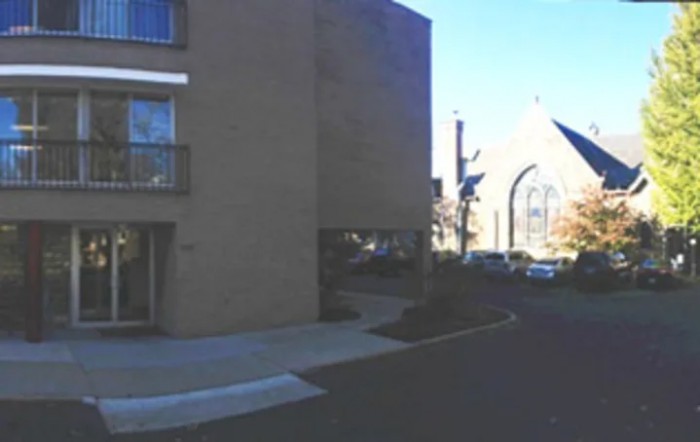
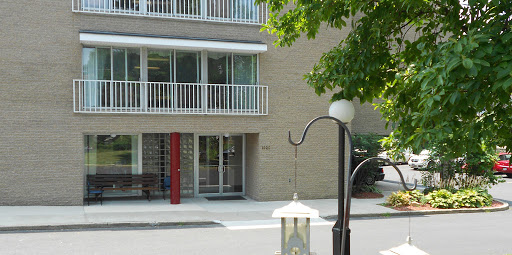
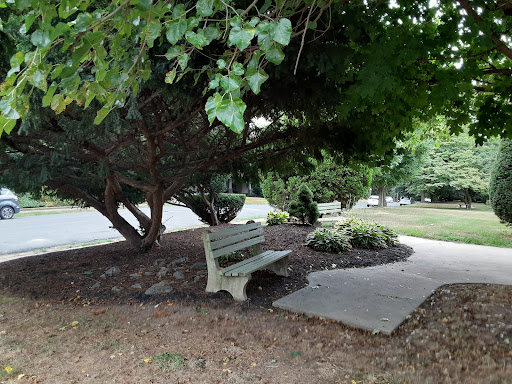
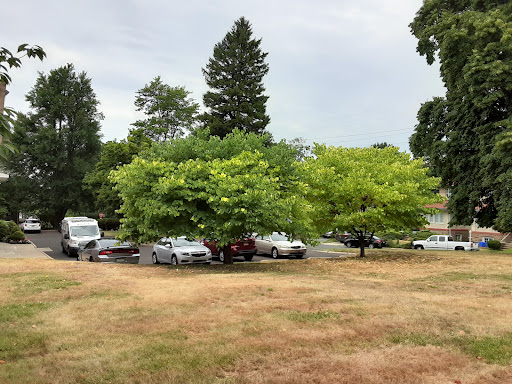
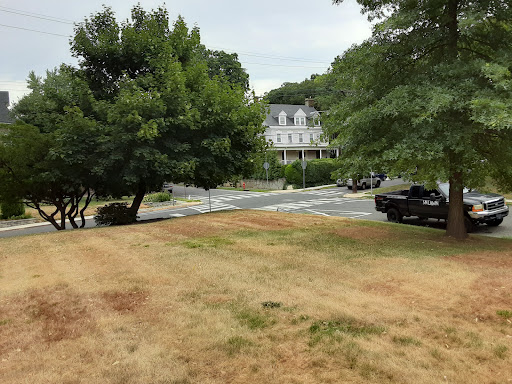
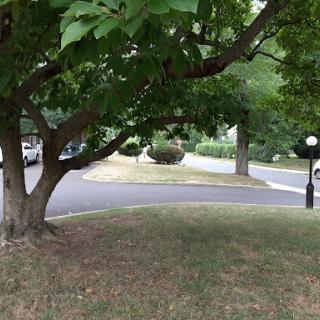
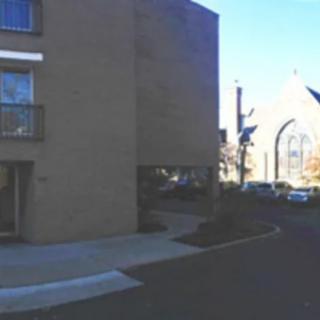
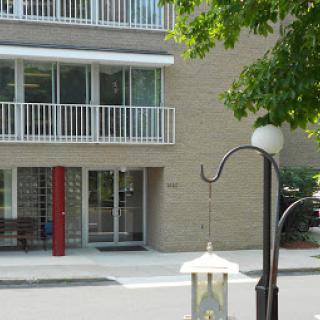
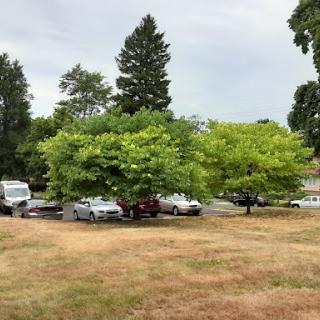
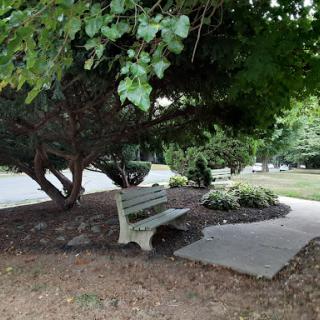
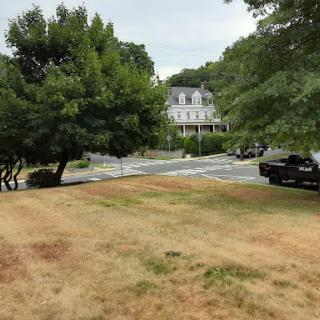
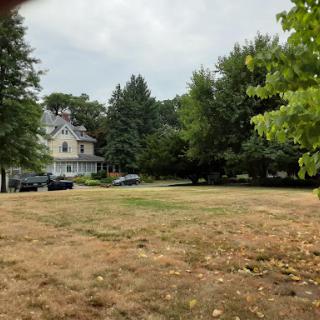
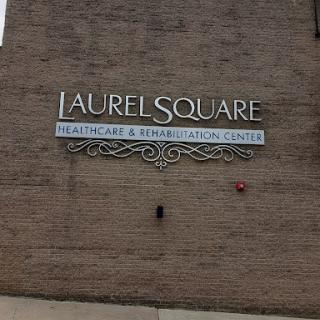
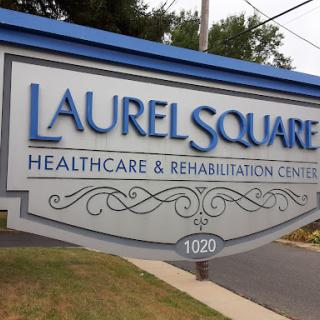
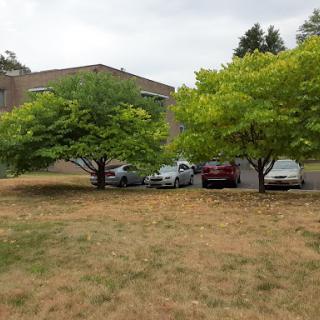
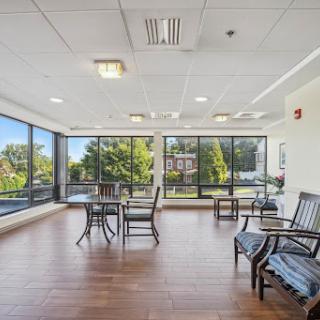
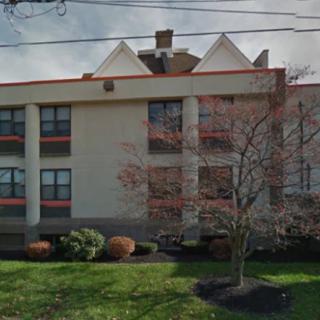
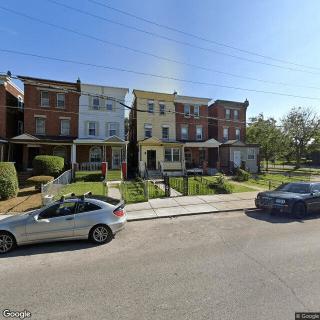
Laurel Square Healthcare And Rehabilitation Center on seniors.fyi includes 10 photos including images showing landscaping, trees, grass, building, parking, road, outdoor, healthcare, and more.
Nearby Communities
Loving Hand Home Care
Philadelphia, PA
4 from 5 reviews
Caring owner with broad in-home care services
Orth Home
Philadelphia, PA
1 from 3 reviews
Small, close-knit assisted living with 24/7 care, ADL support, mental wellness program, and restaurant-style dining.
Cheltenham Nursing And Rehab Center
Philadelphia, PA
4 from 100 reviews
Extensive amenities and comprehensive care (restaurant-style dining, on-site services).
York Nursing And Rehabilitation Center
Oak Lane, PA
4.1 from 120 reviews
24/7 supervision with ADL support, private bathrooms, restaurant-style dining, and transportation.
McCloud's Personal Care Home
Philadelphia, PA
Nurturing assisted living with extensive nearby services.
Mccloud S Personal Care
Philadelphia, PA
5 from 9 reviews
Personalized care with 24-hour supervision and diabetes-friendly meals in a warm, furnished setting.
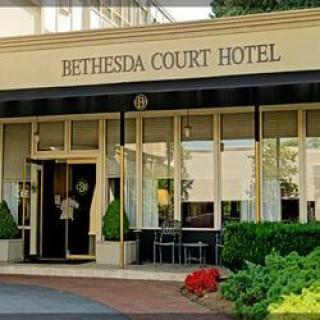
Bethesda Court
Philadelphia, PA
2.7 from 14 reviews
New management and renovations improving staff compassion and facility conditions.
The Philadelphia Protestant Home
Philadelphia, PA
4.7 from 117 reviews
Beautiful facility with extensive amenities and a friendly, active resident community.
Wyncote Place
Wyncote, PA
4.3 from 78 reviews
$5,600 to $7,880 / month
Compassionate, well-trained staff delivering personalized care in a warm, home-like environment.
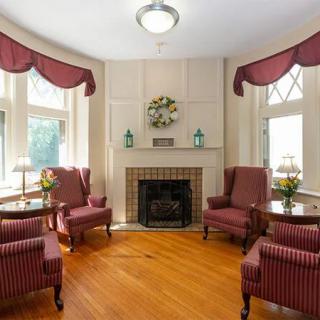
Home health care has become essential for supporting independence among the aging population, offering diverse services such as skilled nursing and rehabilitation in familiar environments, while also incorporating technology for personalized care. Despite its benefits, including improved recovery rates and emotional well-being, challenges like safety, staff availability, and insurance navigation must be managed for effective implementation.
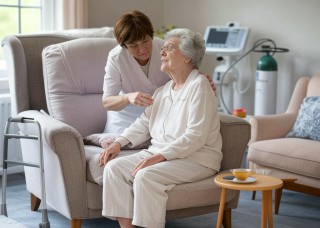
Home health care offers a range of clinical services provided in a patient's home, including nursing and therapy, tailored to individual needs, particularly for aging seniors with chronic conditions. This approach enhances patient independence, promotes better disease management, and utilizes technology for real-time monitoring while fostering collaboration among healthcare providers and family members.
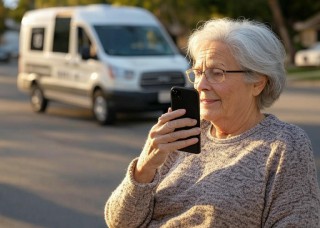
Seniors benefit from ride-hailing services like Uber and Lyft, which provide convenient and accessible transportation options that promote independence and social engagement, while addressing mobility challenges. These platforms have adapted to meet senior needs with user-friendly features and safety measures, although costs can be a concern; community programs may help subsidize rides for older adults.
Laurel Square Healthcare And Rehabilitation Center photos
×
Outdoors
Building
Architecture
Trees
Landscaping
Outdoor
Grass
Healthcare
Rehabilitation
Parking
Landscaping
Building
Architecture
Trees and Grass
Outdoor
Outdoors
Pathway and Nature
Healthcare and Rehabilitation
Parking
Tree
Balcony
Park
Urban
Road
Church
Get PricingAsk A QuestionSchedule A TourContact Senior Advisor
By clicking submit, you agree to our Partner's Terms of Use. You
also consent to receive calls and texts, which may be autodialed, from our Partner. Your consent is not a condition to
using our Partner's service. Please visit our Partner's Privacy Policy for information about their privacy practices.

 87 resident community capacity
 Skilled Nursing Facility
 Air-conditioning
 Beauty salon
 Cable or satellite TV
 Computer center
 Dining room
 Fitness room
 Fully furnished
 Gaming room
 Garden
 Housekeeping services
 Kitchenette
 Move-in coordination
 Outdoor space
 Private bathrooms
 Restaurant-style dining
 Small library
 Telephone
 Wellness center
 Wi-Fi/high-speed internet available
 Philadelphia International (14 miles away)
 Community operated transportation
 12-16 hour nursing
 24-hour call system
 Activities of daily living assistance
 Assistance with bathing
 Assistance with dressing
 Assistance with transfers
 Diabetes diet
 Medication management
 Mental wellness program
 Special dietary restrictions
 Concierge services
 Planned day trips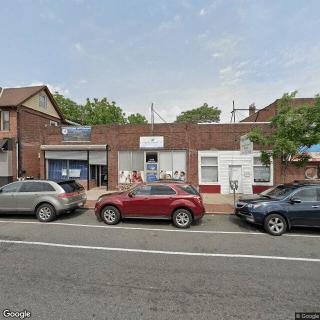
 Caring owner with broad in-home care services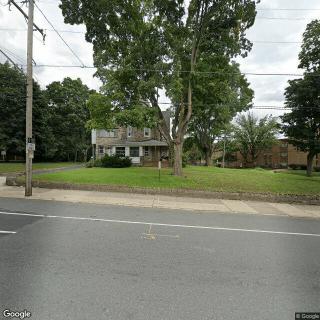

 Understanding Home Health Care: A Comprehensive Guide
 Home Health Care Demystified: A Comprehensive Guide for Families and Caregivers
 Seniors and Modern Transportation: Exploring Uber, Lyft, and Other Ride-Hailing Options