For more information about senior living options: (866) 208-4318
4.1 from 120 reviews
5 stars
76
4 stars
18
3 stars
5
2 stars
5
1 stars
16
Overall Review of York Nursing And Rehabilitation Center
common38 reviews mention this
Staff responsiveness stands out
Residents and families frequently describe staff who help promptly and treat people with respect.
Many reviewers say nurses and staff respond quickly when someone needs help, from checking in with visitors to bringing requested items and supporting rehab progress. Several comments highlight professionalism and kindness on the unit, including examples of staff being calm and attentive during visits. A smaller set of reviews describe breakdowns in responsiveness, including not answering call bells or delays reaching someone when concerns came up.
caveat4 reviews mention this
Rehab and therapy results vary
Rehab experiences range from helping residents regain mobility to concerns about limited therapy support.
Some reviewers describe meaningful rehab progress, including getting injured residents back to walking and praising the therapy team. Others raise concerns about physical therapy support, including a report that therapy was very poor before a later decline after discharge. Taken together, reviews suggest rehab outcomes depend heavily on the experience during a resident’s stay and the support provided by the therapy team.
caveat3 reviews mention this
Meals can be hit or miss
Dining feedback includes both comfort-focused support and complaints about meal variety.
A reviewer describes the kitchen staff as friendly and focused on making a resident comfortable, especially during the last days. At the same time, another review complains about the food served on specific days and questions whether the menu makes sense for a nursing-home setting. The presence of meal-related dietary practices is also reflected in what the community offers, including special dietary restrictions and diabetes diet support.
caveat8 reviews mention this
Facility cleanliness is debated
Cleanliness receives mixed feedback, with some praising it and others reporting strong odor and dirt.
Several reviewers say the facility is clean, well-kept, and free of bad smells during their visit, and a few mention rooms appearing orderly and visitors finding the environment presentable. Other reviews are sharply negative, describing unpleasant odors, being “dirty” or “filthy,” and calling for more maintenance and sanitation. Overall, reviews indicate the cleanliness experience is inconsistent across visits.
How we summarize
Counts show how many written reviews mention each theme; a review can touch several themes, and only frequently mentioned themes are displayed.
Features
Housing
240 resident community capacity
Types of Care
Skilled Nursing Facility
Amenities
Air-conditioning
Beauty salon
Cable or satellite TV
Computer center
Dining room
Fitness room
Fully furnished
Gaming room
Garden
Housekeeping services
Kitchenette
Move-in coordination
Outdoor space
Private bathrooms
Restaurant-style dining
Small library
Telephone
Wellness center
Wi-Fi/high-speed internet available
Transportation
Philadelphia International (14 miles away)
Trenton-Mercer County (23 miles away)
Community operated transportation
Transportation arrangement
Transportation arrangement (non-medical)
Transportation to doctors appointments
Care Services
12-16 hour nursing
24-hour call system
24-hour supervision
Activities of daily living assistance
Assistance with bathing
Assistance with dressing
Assistance with transfers
Diabetes diet
Meal preparation and service
Medication management
Mental wellness program
Special dietary restrictions
Dining
Diabetes diet
Special dietary restrictions
Activities
Community-sponsored activities
Concierge services
Fitness programs
Planned day trips
Resident-run activities
Scheduled daily activities
Nearby Places of Interest
Restaurants
McDonald's (1.2 miles)
Chick-Fil-A (1.3 miles)
McDonald's (2.6 miles)
Chick-Fil-A (2.9 miles)
Dalessandro's Steaks (4.2 miles)
Point After (4.3 miles)
Texas Chicken & Burgers (4.3 miles)
Pharmacies
Rite Aid (1.6 miles)
Walgreens (1.6 miles)
Rite Aid (1.7 miles)
Walgreens (3.1 miles)
CVS Pharmacy (3.3 miles)
Url Pharma (3.4 miles)
Rite Aid (3.5 miles)
Hospitals
Albert Einstein Employee Health Center (1.6 miles)
Fox Chase Cancer Center (2.5 miles)
St Christopher's Hospital for Children (3.8 miles)
Temple University Hospital (3.9 miles)
Abington Hospital, Widener Building (4.1 miles)
Aria Health (4.1 miles)
Abington Memorial Hospital (4.1 miles)
Physicians
Simms Hank Md Albert Einstein Medical Center Philadelphia (1.7 miles)
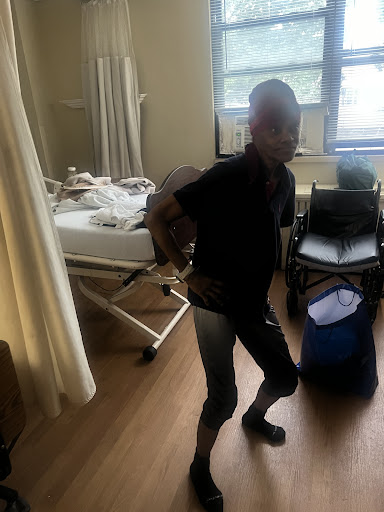
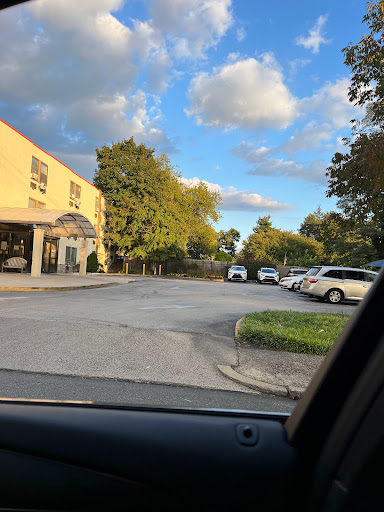
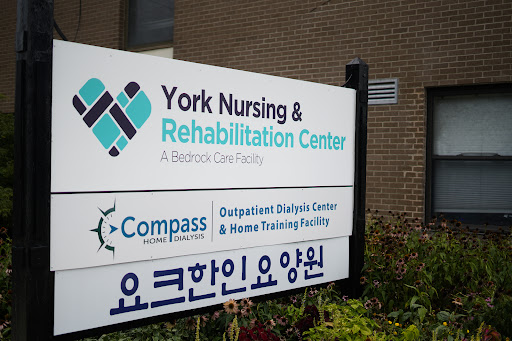
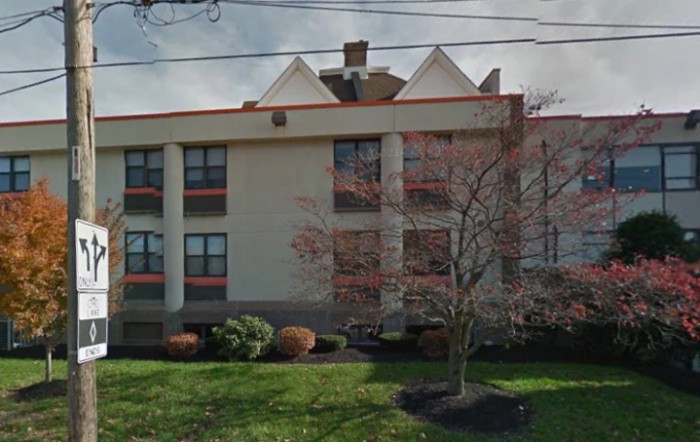
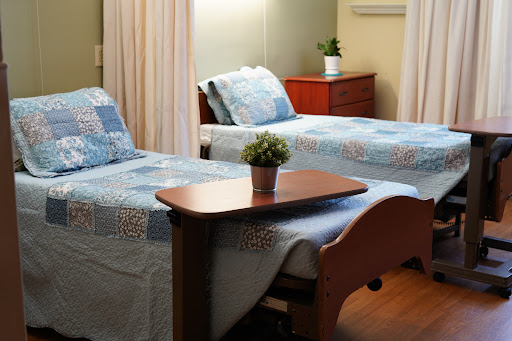
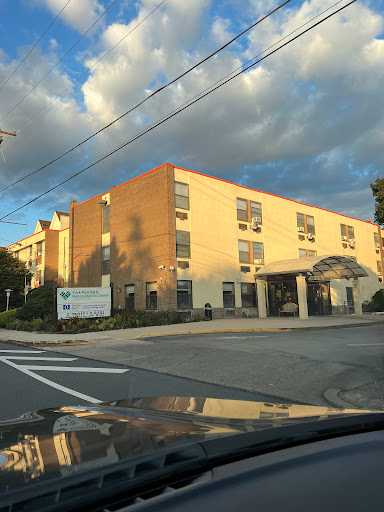
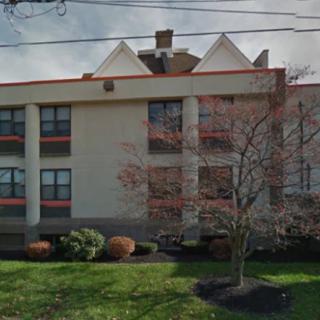
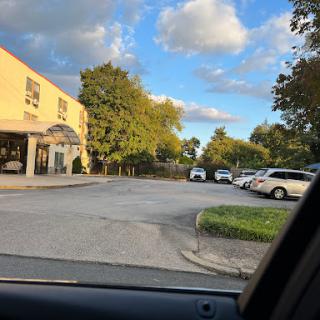
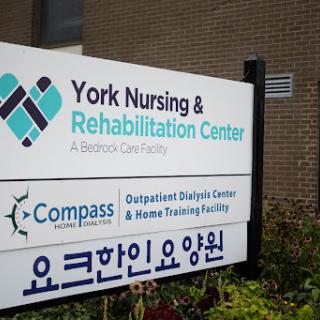
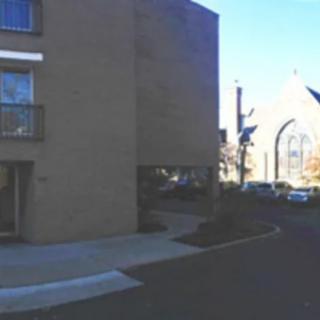
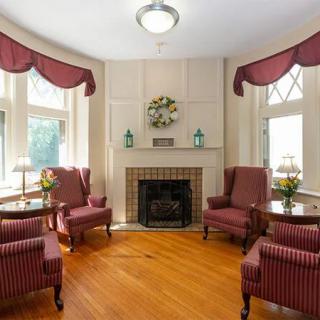
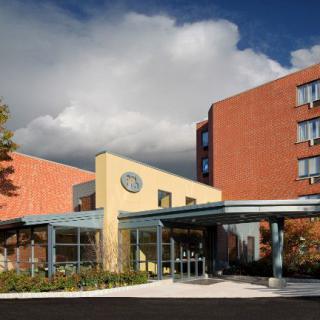
York Nursing And Rehabilitation Center on seniors.fyi includes 11 photos including images showing building, healthcare, interior, urban, exterior, trees, architecture, bedroom, and more.
Nearby Communities
Orth Home
Philadelphia, PA
1 from 3 reviews
Small, close-knit assisted living with 24/7 care, ADL support, mental wellness program, and restaurant-style dining.
Oak Lane Personal Care Home
Philadelphia, PA
5 from 1 review
Small, personalized care with 24-hour supervision.
Loving Hand Home Care
Philadelphia, PA
4 from 5 reviews
Caring owner with broad in-home care services
McCloud's Personal Care Home
Philadelphia, PA
Nurturing assisted living with extensive nearby services.
Mccloud S Personal Care
Philadelphia, PA
5 from 9 reviews
Personalized care with 24-hour supervision and diabetes-friendly meals in a warm, furnished setting.
Laurel Square Healthcare And Rehabilitation Center
Philadelphia, PA
4.2 from 64 reviews
Comprehensive on-site amenities and care services (24-hour supervision, diabetes-friendly dining, wellness programs, and transport assistance).
Bethesda Court
Philadelphia, PA
2.7 from 14 reviews
New management and renovations improving staff compassion and facility conditions.
Wyncote Place
Wyncote, PA
4.3 from 78 reviews
$5,600 to $7,880 / month
Compassionate, well-trained staff delivering personalized care in a warm, home-like environment.
The Philadelphia Protestant Home
Philadelphia, PA
4.7 from 117 reviews
Beautiful facility with extensive amenities and a friendly, active resident community.
Anticipatory grief is an emotional response to the impending loss of a loved one, characterized by complex emotions such as sadness and anger, and involves navigating stages similar to those identified by Kübler-Ross. Coping strategies are vital for managing this process, emphasizing compassionate communication, self-care, and support groups while recognizing the cultural influences on grieving.
Adult day care programs offer essential support and activities for older adults, yet many hesitate to participate due to concerns about independence and stigma. To alleviate these apprehensions, families should facilitate open discussions, explore financial resources, suggest trial visits, and collaborate with healthcare providers to highlight the benefits of such services for both the participants and their caregivers.
Living wills and advance directives are crucial legal documents that outline an individual's healthcare preferences when they cannot make decisions themselves, enhancing patient autonomy and alleviating family stress during medical crises. The article emphasizes the need for these documents to be personalized, legally valid, and regularly updated, while also encouraging communication about end-of-life wishes among family members and healthcare providers.
Get PricingAsk A QuestionSchedule A TourContact Senior Advisor
By clicking submit, you agree to our Partner's Terms of Use. You
also consent to receive calls and texts, which may be autodialed, from our Partner. Your consent is not a condition to
using our Partner's service. Please visit our Partner's Privacy Policy for information about their privacy practices.









 240 resident community capacity
 Skilled Nursing Facility
 Air-conditioning
 Beauty salon
 Cable or satellite TV
 Computer center
 Dining room
 Fitness room
 Fully furnished
 Gaming room
 Garden
 Housekeeping services
 Kitchenette
 Move-in coordination
 Outdoor space
 Private bathrooms
 Restaurant-style dining
 Small library
 Telephone
 Wellness center
 Wi-Fi/high-speed internet available
 Philadelphia International (14 miles away)
 Community operated transportation
 12-16 hour nursing
 24-hour call system
 Activities of daily living assistance
 Assistance with bathing
 Assistance with dressing
 Assistance with transfers
 Diabetes diet
 Medication management
 Mental wellness program
 Special dietary restrictions
 Concierge services
 Planned day trips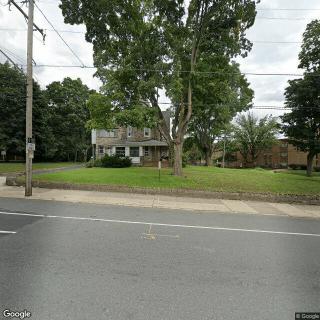
 Small, close-knit assisted living with 24/7 care, ADL support, mental wellness program, and restaurant-style dining.

 Recognizing the Journey: Understanding and Navigating Anticipatory Grief
 Encouraging Participation in Adult Day Care: A Guide to Supporting a Hesitant Parent
 Comprehensive Exploration of Living Wills and Other Advance Directives