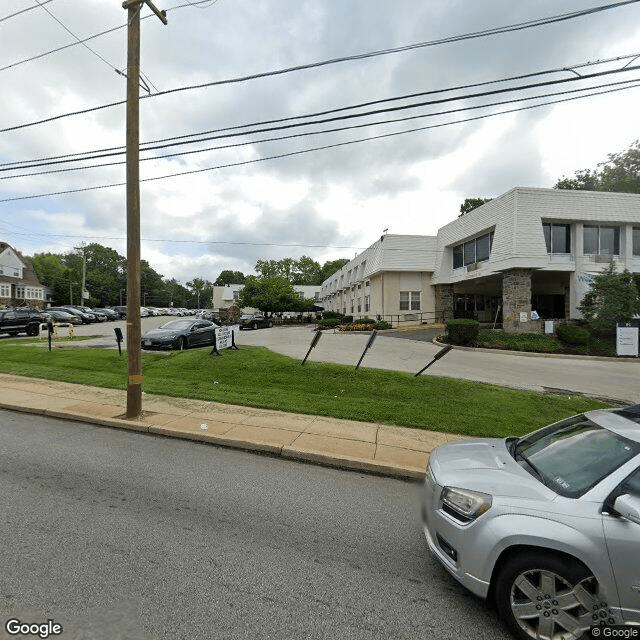
14 Lincoln Ave, Yeadon, PA 19050
To contact a resident: (610) 626-7700
For more information about senior living options: (866) 208-4318
Overall Review of Manor Care Health Svc
Pros
 The administrator is a committed and empathetic leader who is always attentive to residents' concerns and suggestions.
- The administrator and staff are friendly and open to residents' requests.
- The administration and staff are encouraging to residents' writing.
- They warmly support residents' spouses' artistic work.
- They treat married couples with warmth and respect.
- The staff is dedicated and knowledgeable in health care.
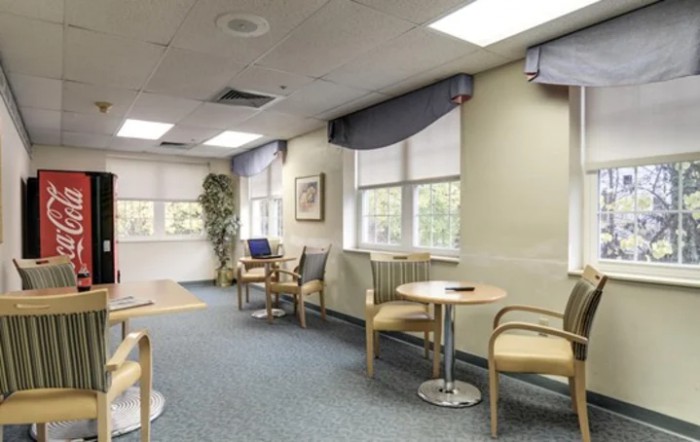
- The Activities Department Director and staff keep residents entertained and engaged in a full program of activities.
- They take a personal interest in keeping residents connected to the department and to each other, even during the recent COVID surge.
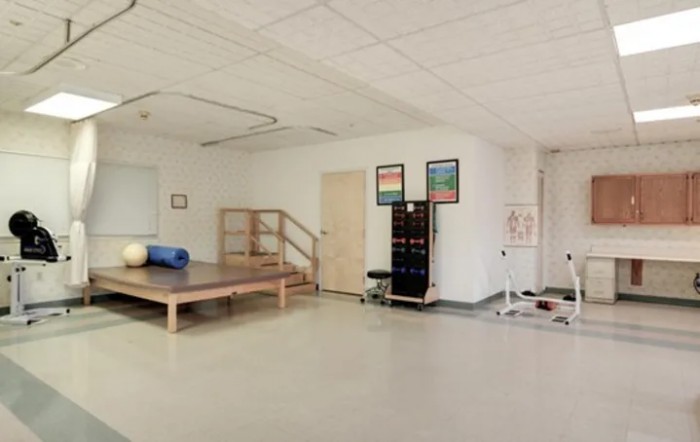
- The physical therapy professionals relate to residents as personal friends.
- They bring meals up from the kitchen when required.
Cons
 The staff were very unprofessional and lazy.
- The facility should be shut down.
- Patients developed bedsores and dehydration due to poor care.
- The meals were cold and unappetizing.
- Gnats and mice were reported in the facility.
- A patient was dropped on the floor and no one knew about it for an hour.
- The oxygen tank valve was turned up, endangering a resident.
- Blood sugar checks were not performed regularly.
- There were no paper towels or hand soap in the bathroom.
- Visiting rules were inconsistently enforced, with family sometimes asked to leave despite a 24-hour policy.
Review
Manor Care Health Svc in Yeadon, PA is best suited for residents who rely on strong family oversight and who prize a therapy‑centric program backed by an administrator who is accessible and engaged. The strongest positive signal comes from a resident who describes leadership and staff as consistently friendly, responsive, and invested in daily well‑being, with special attention to keeping a married couple connected and pursuing personal interests. The therapy team is portrayed as genuinely engaged, building real relationships with residents, while housekeeping, dietary staff, and maintenance respond to requests promptly. For families that want evident day‑to‑day attentiveness, a rehab‑focused environment, and opportunities for social connection and individualized care, this community can deliver meaningful value when supervision is robust.
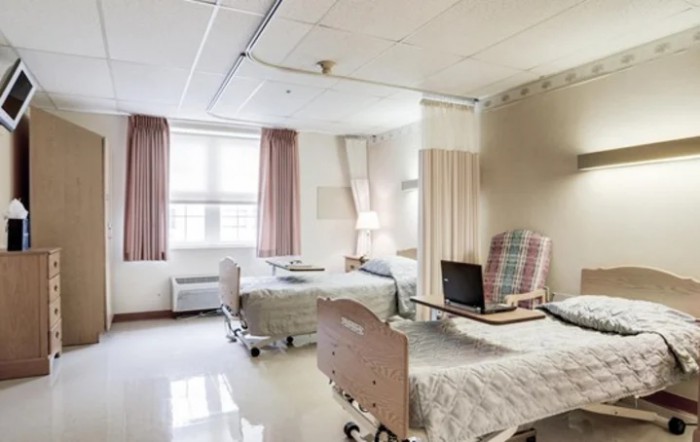
Who may want to consider alternatives: Taken together, the reviews illuminate serious safety and quality gaps that should push most families to look elsewhere unless a high bar for oversight is in place. Repeated remarks describe untreated bedsores and dehydration during rehab, inconsistent monitoring of medications and vital signs, and cleanliness and pest‑control issues that undermine trust. Several accounts depict staff behavior as unprofessional or uncaring, with long delays in call‑bell responses and gaps in mobility assistance and daily hygiene. Oxygen management concerns, cold meals, and rooms that feel neglected further heighten risk. For families prioritizing reliable safety, transparent operations, and predictable daily care, examining other options first is prudent.
How the key pros offset or fail to offset the main cons: The facility’s strongest assets lie in accessible leadership, a therapy program that treats residents as individuals, and a care culture that can feel warm and attentive. When these elements function as described, therapists, dietitians, and activities staff create an encouraging rehab atmosphere and a sense of belonging, with tangible benefits to mood and progress. Yet these advantages are continually undercut by persistent safety and hygiene concerns. Without dependable wound care, consistent hydration, prompt assistance, and a clean, pest‑free environment, even excellent therapy and personal attention cannot fully compensate for risk, discomfort, and uncertainty in daily routines.
Additional risk factors and red flags: Bedsores, dehydration, infection, and emergency response gaps recur in the feedback, painting a troubling pattern for vulnerable residents. Reports of gnats and mice reflect facility‑wide control problems that erode comfort and trust. Perceived overextension or indifference among staff compounds danger for residents with diabetes, mobility limits, or cognitive challenges. The sense that medication lapses or delayed assistance are possible elevates concern about daily safety and emergency readiness. In sum, the care quality that could be salvaged by strong rehab and personable interactions is overshadowed by foundational deficiencies in safety, cleanliness, and accountability that demand priority.
Decision‑making steps for families: Before committing, arrange several visits to observe real care in practice, not just marketing. Request meetings with the administrator, director of nursing, and therapy leaders, and probe staffing ratios during peak periods. Review the latest state inspection findings and demand concrete explanations of how past bedsores, dehydration, and infections were addressed, including prevention measures and staff training. Ask to observe a therapy session, verify medication management processes, and confirm room cleanliness, laundry reliability, and pest‑control protocols meet clear standards. Finally, insist on a defined plan for family involvement, ongoing communication, and rapid escalation if safety concerns arise, with a measurable system to track improvement over time.
Bottom‑line guidance: This community presents a mixed proposition. The draw of individualized attention and a robust rehab focus is meaningful, but the recurrent safety, hygiene, and response‑time concerns cannot be ignored. For families with strong oversight capacity and a readiness to engage staff consistently, it may serve as a viable option when preferred rehab programming is non‑negotiable and other options are limited. More often, however, families should pursue alternatives that offer cleaner environments, more reliable basic‑care routines, and transparent accountability. If choosing to proceed, enter with a detailed action plan, scheduled check‑ins, and agreed performance benchmarks to translate into tangible improvements in daily living, safety, and resident dignity. In the balance, safer, consistently reliable facilities should be the default recommendation.
 Skilled Nursing Facility
 Philadelphia International (4 miles away)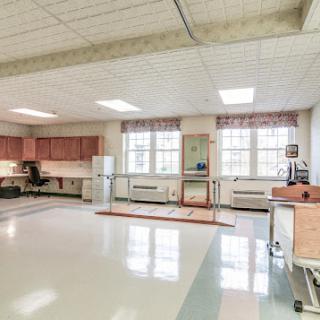





 Navigating the Tax Landscape of Caregiving: Credits, Deductions, and Beyond
 Highly Beneficial Low-Impact Exercises for Senior Living Residents
 Is In-Home Healthcare Tax Deductible? Your Comprehensive Guide