
600 Ranch Road, Reedsport, OR 97467
For more information about senior living options: (866) 208-4318
Aidan Senior Living At Reedsport Costs & Pricing
Aidan Senior Living At Reedsport offers a private room option at a monthly cost of $8,500, which is significantly higher than both the county average of $5,081 and the state average of $3,424. This substantial difference may reflect the unique amenities and services provided by Aidan Senior Living, catering to those seeking a more personalized and comprehensive senior living experience. While Douglas County and Oregon boast lower costs, potential residents should consider the value offered in terms of care quality and community atmosphere that Aidan provides in its Reedsport location.
| Floor plans | Aidan Senior Living At Reedsport | Douglas County | Oregon |
|---|---|---|---|
| Private | $8,500 | $5,081 | $3,424 |
Overall Review of Aidan Senior Living At Reedsport
Pros
 The staff at Aiden Senior Living provides excellent care.
- The therapists deliver skilled, effective care.
- The facility is a great place for families in need of care.
- The environment is caring and has a homelike atmosphere.
- The place is nice.
- The staff provides loving care and is appreciated by families.
Cons
 The facility failed to recognize that the mother was taking a sudden turn for the worst.
- Staff disregarded the family's wishes to have the mother taken to the Emergency Room at Lower Umpqua Hospital.
- The mother passed away on the way to be transferred, indicating a failure to obtain timely medical attention.
- The quality of nursing staff was questionable based on their critical thinking and assessment skills.
- Communication with the staff was below par, with assurances that everything was fine when it was not.
- The reviewer would not trust that the facility could adequately care for patients in that small retirement community.
Review
Aidan Senior Living at Reedsport is best suited for seniors who value a warm, homelike setting with consistently compassionate care and hands-on staff attention. The community works well for residents who need regular help with daily activities, light rehabilitation after a hospital stay, and steady supervision without requiring high-intensity medical resources. Families repeatedly highlight an atmosphere where staff remember preferences, provide dependable companionship, and offer accessible therapy services. It’s a practical fit for those who want a smaller, community-oriented environment with visible family involvement and predictable routines. However, it is not the right match for residents with high-acuity medical needs or those who require rapid, aggressive medical intervention, where the risk of delayed escalation could be unacceptable.
The strongest positives center on the caregiving culture and daily experience. Reviews consistently describe a caring environment and a homelike atmosphere, with staff who genuinely strive to meet residents’ needs and support families. Therapy services are cited as reliable and beneficial, contributing to meaningful progress for those in rehab or recovery. The sentiment that staff do “a pretty darn good job” and “do well by my mother” translates into tangible daily benefits: familiar routines, accessible help, and reassurance for family members who remain closely involved in care decisions. In practical terms, these strengths translate into steadiness, predictable caregiving rhythms, and a sense of warmth that can ease the stress of relocation for many seniors.
Yet a single, serious safety concern warrants careful consideration. One review questions nursing judgment, critical thinking, and timely action when a loved one began a rapid decline, noting that requests to transfer to emergency care were not honored with the urgency warranted by the situation. The complaint centers on communication gaps and the impression that staff were overly optimistic about a resident’s condition when red flags existed. This kind of lapse has real stakes: it directly touches on the ability to respond to medical emergencies and to keep families accurately informed. While one unhappy case does not erase many positive experiences, it highlights a fundamental risk that must be addressed in any decision.
Weighing the positives against the risk requires clear expectations and proactive due diligence. The comforting, person-centered care and steady therapy access are meaningful offsets for many residents, especially those prioritizing quality of life, routine, and family-friendly policies. However, the effectiveness of these strengths depends on robust crisis management: uninterrupted on-site nursing coverage, transparent daily updates, explicit escalation protocols, and reliable transfer arrangements with local hospitals. Prospective families should demand concrete answers on nurse-to-resident ratios, weekend coverage, stepwise care-planning reviews, and the facility’s track record for timely medical interventions. Without these safeguards, the warm atmosphere may not compensate for gaps in urgent care.
Those considering alternatives should weigh for whom the greater emphasis is on medical acuity management and rapid response. If a resident requires continuous high-level medical oversight, frequent emergency transfers, or specialized care (for example, complex wound care, IV therapies, or dementia-specific protocols that demand intensive supervision), it may be prudent to compare other communities with stronger acute-care integration or hospital partnerships. Transparent communication and proven responsiveness should be non-negotiables; facilities with documented response times and proactive physician engagement will better align with families prioritizing medical security alongside daily living support. Proximity to hospital resources and a track record of timely transfers are additional practical criteria to verify.
Bottom line: the setting delivers warmth, attentiveness, and meaningful rehabilitation potential within a compact, home-like framework that many families will find appealing and reassuring. For numerous seniors, that combination translates into a higher quality of daily life and simpler caregiving logistics. Yet the notable concern about escalation and communication in medical downturns cannot be ignored. To move forward with confidence, families must obtain explicit, verifiable assurances about crisis-response procedures, on-site medical oversight, and timely family updates. If those controls are solid, Aidan Senior Living at Reedsport represents a solid, practical choice; if not, it is wise to explore alternatives that offer stronger medical continuity and crisis management.
 29 resident community capacity
 Skilled Nursing Facility
 Beauty salon
 Cable or satellite TV
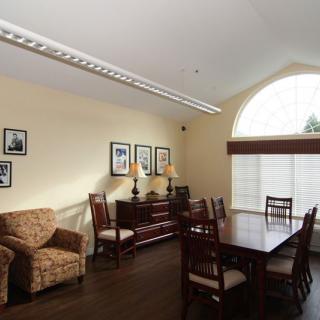
 Dining room
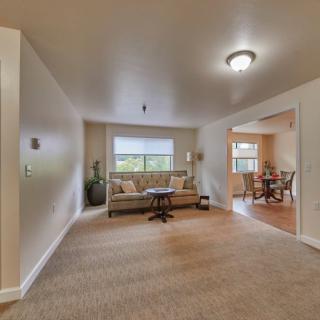
 Fully furnished
 Garden
 Housekeeping services
 Kitchenette
 Move-in coordination
 Outdoor space
 Restaurant-style dining
 Small library
 Telephone
 Wi-Fi/high-speed internet available
 North Bend Muni (20 miles away)
 24-hour call system
 Activities of daily living assistance
 Assistance with bathing
 Assistance with dressing
 Assistance with transfers
 Diabetes diet
 Medication management
 Mental wellness program
 Special dietary restrictions



 Encouraging Participation in Adult Day Care: A Guide to Supporting a Hesitant Parent
 Comprehensive Exploration of Living Wills and Other Advance Directives
 A Detailed Exploration of Living Wills and Advance Directives