
68244 Ridge Road, North Bend, OR 97459
To contact a resident: (541) 751-1731
For more information about senior living options: (866) 208-4318
Overall Review of Simpson Manor Adult Foster Home
Pros
 The facility provided tremendous care for his father during his last year.
- The environment at the facility was humane and positive.
Cons
 They barely fed the patients and hardly helped the elderly man.
- From February to April 2021, the patient was sent to the ER at least six or seven times due to choking or falls.
- They stretched the truth about his behavior to the point where they couldn’t find him a new place locally.
- They started keeping him in bed and moved his wheelchair out of the room so he would have to stay in bed.
- The owner said they didn’t know anything about that and walked away when help was needed.
- This place absolutely sucks and should be avoided.
Review
This community is best suited for families seeking a small, intimate setting where genuine care and a humane, respectful atmosphere are the central promise, particularly for someone nearing end-of-life or requiring steady, compassionate companionship more than rigorous medical oversight. The space and staff can deliver warmth and personal attention that many families value during emotionally charged transitions. However, it is important to recognize that residents with swallowing difficulties, behavioral challenges, or a high fall risk will benefit only if the setting can provide proactive, visible medical management and dependable safety measures. Those needs demand options with clearer medical accountability and a steadier, more transparent care routine.
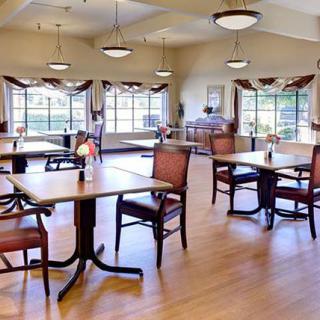
The strongest positive thread in the reviews is the apparent commitment to humane treatment and a positive environment within the home. Families reported that staff made a meaningful effort to honor their loved one’s dignity during difficult months, creating a sense of comfort and kindness in what can be an emotionally draining period. For families prioritizing warmth, companionship, and a gentler daily rhythm, this aspect can be the deciding factor. In practice, that humane approach can ease the emotional burden of care and provide a reassuring backdrop for time spent together, especially when medical complexity is not the primary driver of placement.
Yet serious red flags surface clearly in the negative feedback. The most concerning themes center on safety and trust: multiple ER visits for choking or falls, concerns about how behaviors were portrayed or managed, and actions described as restricting mobility or altering the resident’s routine to reduce caregiving demands. One account highlights a lack of practical support with daily tasks (such as TV setup) and a disconnect between family needs and staff responsiveness. Another vivid critique accuses the home of underfeeding and failing to provide adequate care. Taken together, these reports suggest an environment where medical needs and safety protocols may not receive the urgent attention they require, undermining confidence in daily protection and overall well-being.
Those safety and reliability gaps are not trivial. While kindness matters, care in a small foster-home setting hinges on consistent, well-coordinated medical oversight, transparent communication, and a clearly documented plan for mobility, swallowing difficulties, and crisis situations. When those elements are missing or perceived as evasive, the warmth cannot compensate. The practical effect is a heightened sense of risk for a resident with significant medical or behavioral needs, making deteriorations harder to catch early and harder to address promptly.
For families weighing options, a disciplined due-diligence approach is essential before committing. If Simpson Manor is on the radar, insist on a thorough care plan that addresses swallowing safety, fall prevention, and behavior management, plus a concrete daily routine and feeding schedule. Request to review staff-to-resident ratios, caregiver qualifications, and the facility’s policy for reporting incidents and communicating with families. Examine licensing records and inspection history, and speak with current residents or families about day-to-day responsiveness. Consider a trial period with explicit exit conditions if safety benchmarks or communication standards aren’t met. Where medical complexity is nontrivial, also compare with larger licensed assisted living communities or specialized care homes that offer steadier clinical oversight.
In the end, Simpson Manor presents a mixed proposition. The environment can feel warm and human, which matters deeply for emotional and existential comfort. However, the real-world safety, transparency, and medical responsiveness issues raised in the reviews are substantive and nontrivial, especially for seniors with swallowing problems, significant fall risk, or complex behaviors. For most families, this means exploring stronger-care alternatives that pair compassionate daily life with reliable medical coordination and clear, trustworthy communication. If choosing this route, proceed with careful scrutiny, explicit performance benchmarks, and a clearly defined contingency plan, recognizing that the appeal of a familial, caring environment must be weighed against the hard realities of safety and accountability.
 Board and Care Home
 North Bend Muni (5 miles away)




 Comprehensive Insights into Palliative Home Care: What It Is and What to Expect
 Skilled Nursing Facilities vs. Nursing Homes: Making Sense of the Differences
 A Detailed Examination of Nursing Home Costs Across the U.S.