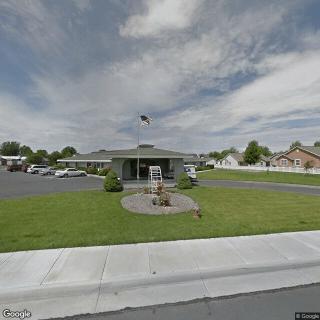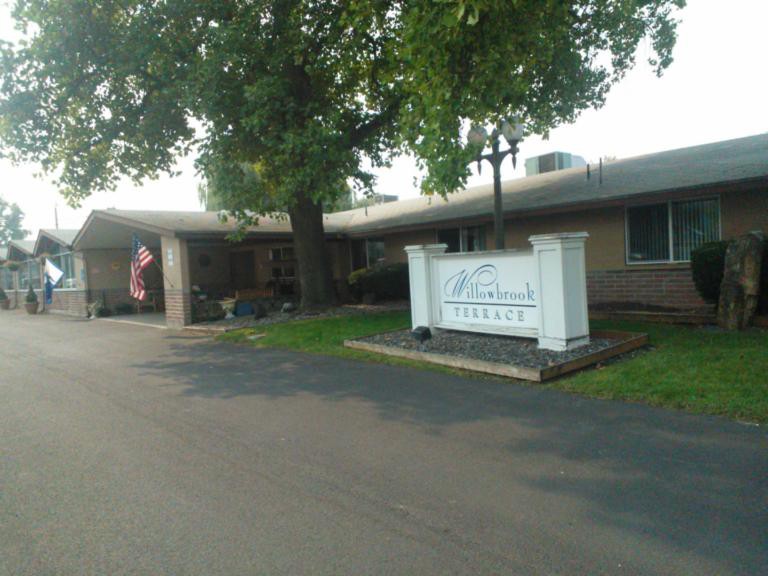
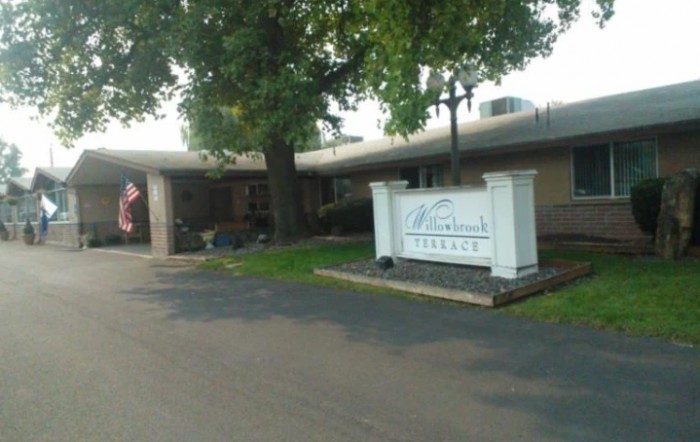
Willowbrook Terrace

Save
Willowbrook Terrace Willowbrook Terrace

Willowbrook Terrace

707 South West 37th Street, Pendleton, OR 97801

For more information about senior living options: (844) 490-3973

2.5 from 4 reviews
5 stars
1
4 stars
0
3 stars
0
2 stars
2
1 stars
1

Skilled Nursing Facility

Overall Review of Willowbrook Terrace

Pros

  • pro The staff were amazing.
  • pro They became her extended family.
  • pro She couldn't say a single bad thing about the place.
  • pro The activities director always had something for residents to do.
  • pro The CNAs and nurses took great care of her.
  • pro She would never forget any of them.
  • pro She thanked everyone.
  • pro The staff were kind and caring.
  • pro Renovations and decorations made it more patient-friendly.

Cons

  • pro There was a huge pool of urine under the relative's bed, with staff walking by and not acknowledging it.
  • pro A catheter bag had overflowed, and staff did not address the issue.
  • pro The narcotic pain pills disappeared and were never found in the inventory.
  • pro There was a lot of staff turnover and confusion or avoidance of duties.
  • pro Showers were only once a week, and the food service quality was poor.
  • pro The facility could be smelly at times.
  • pro The chart nurse yelled at the reviewer and would not permit an ER visit for the friend's injuries.

Review

Willowbrook Rehabilitation Center emerges in these reflections as a place that can feel like a second family to some, while raising serious red flags for others. One reviewer paints a picture of near-ideal care and community: the staff are described as amazing, like an extended family that forms the backbone of daily life there. The activities director is praised for always having something for residents to do, and the CNAs and nurses are lauded for taking great care. Gratitude pours out for the people who cared for the writer and their friend, with promises to remember memorable moments and stunts long after the experience. In short, for this individual, the facility's heart is its people, whose warmth and dedication left a lasting positive impression.

But alongside that warmth sits a troubling counter-narrative about safety, oversight, and medical responsiveness. In a more troubling account, a friend who is still in the facility suffers major cuts and bruises on the arm and leg in the final days of care. The writer describes a tense sequence in which they learned of the injuries, approached the front desk, and were told that ibuprofen had been approved for their mom. A chart nurse allegedly became hostile, then came to the room and insisted that sending the friend to the ER was not allowed, despite visible open injuries. The writer pressed the point - urging ER care given the wounds - only to be met with denial. The closing sentiment is almost despair: a prayerful wish for the place to be closed or saved by someone, underscoring a fear that the facility may not be safely handling emergencies or adequately protecting residents.

A second reviewer provides a markedly different, more somber assessment, assigning a two-star rating but emphasizing that the staff, overall, are kind and caring. The facility is acknowledged as older, albeit with renovations designed to make it more patient-friendly. The reviewer's relative spent their final months there, which deepens the impression of a facility grappling with serious systemic issues rather than just minor flaws. The report highlights ongoing staff turnover and what feels like confusion or avoidance of duties. Two specific points stand out: first, a troubling scene of a urine pool under the relative's bed in a double-occupancy room, with staff in and out and no one acknowledging the situation; second, a disturbing lapse in medication management - the reviewer turned over all of the relative's meds to the head nurse and never saw the narcotic pain pills again. When the relative was in pain the next day, those pills were reportedly "not in the inventory," and the reviewer notes they were not strong enough to pursue the matter further. The combination of turnover, inexperience, and unvetted staff is presented as a recurring challenge.

The same concerns echo in a closely related reiteration that appears to be a duplicate posting. The text repeats the same criticisms about turnover and the resulting vulnerabilities: a lot of inexperienced, non-vetted employees, showers that occur only once a week, and a food service that seems poor in quality. The reviewer again mentions the unsettling image of a urine overflow and the nagging sense that fundamental care needs were being missed or inadequately addressed. The repetition reinforces the sense that these are not isolated incidents but a pattern that leaves lasting impressions of inconsistency and risk.

Taken together, the collection of reviews presents a facility that can feel like two very different places at once. On one hand, there is unmistakable gratitude for a compassionate, engaged staff who bring warmth, attention, and a sense of community to residents' lives. On the other hand, there are stark, troubling accounts of safety lapses, missed emergencies, suspicious medication handling, and chronic staffing challenges that can undermine trust in the care environment. The juxtaposition of these experiences suggests that Willowbrook Rehabilitation Center may deliver excellent interpersonal care in some contexts while struggling with systemic issues that jeopardize patient safety and consistent quality.

For families and prospective residents, these accounts underscore the importance of looking beyond surface impressions. Positive interactions with staff and engaging activities can coexist with serious concerns about medical oversight, medication security, and housekeeping standards. Observing how injuries are handled, how urgent concerns are escalated, and how medication inventories are managed could be essential steps in evaluating whether this facility can meet individual care needs. The narratives here reflect real experiences - moments of genuine compassion braided with warnings about safety and consistency that deserve careful attention.

Features

Housing

  • 59 resident community capacity 59 resident community capacity

Types of Care

  • Skilled Nursing Facility Skilled Nursing FacilitySkilled Nursing Facilities are crucial for seniors as they provide round-the-clock medical care, rehabilitation services, and assistance with daily activities. These facilities ensure that seniors receive the specialized care they need to maintain their health and well-being as they age.

Amenities

  • Air-conditioning Air-conditioningAir conditioning is important for seniors as they are more vulnerable to heat-related illnesses and may have underlying health conditions that make it difficult for them to regulate their body temperature. It helps to keep them comfortable, safe, and healthy in hot weather.
  • Beauty salon Beauty salonBeauty salons are important for seniors because they provide a space for them to feel pampered, socialize, and maintain their personal grooming and hygiene. Regular visits to a beauty salon can help boost seniors' self-esteem and overall well-being.
  • Cable or satellite TV Cable or satellite TVCable or satellite TV is important for seniors because it provides entertainment, news, and companionship, helping to combat loneliness and boredom. It also offers a wide range of programming options tailored to different interests and preferences.
  • Computer center Computer centerA computer center is essential for seniors as it provides access to technology, communication tools, and resources that can enhance their daily lives. It allows them to stay connected with loved ones, engage in online activities, and learn new skills, ultimately promoting socialization and mental stimulation.
  • Dining room Dining roomDining rooms are important for seniors as they provide a space for socialization, connection, and nutritious meals. They offer opportunities for residents to bond over shared meals, foster a sense of community, and promote healthy eating habits. Dining rooms also ensure that seniors have access to well-balanced meals tailored to their dietary needs and preferences.
  • Fitness room Fitness roomHaving a fitness room in a senior living community is essential for seniors to stay active, maintain their physical health, and improve their overall well-being. Regular exercise can help prevent falls, reduce the risk of chronic diseases, and promote mental sharpness. It also provides social opportunities for residents to connect with others and enjoy a sense of community.
  • Fully furnished Fully furnishedFully furnished senior living communities are important for seniors because they provide convenience, comfort, and a hassle-free moving experience. Seniors can easily settle into their new living space without the stress of having to buy and move furniture. This allows them to focus on enjoying their new home and community.
  • Gaming room Gaming roomGaming rooms are important for seniors as they provide a fun and engaging environment for socializing, cognitive stimulation, and physical activity. Games can improve memory, problem-solving skills, and overall mental well-being while fostering friendships and reducing feelings of isolation.
  • Garden GardenGardens are important for seniors as they provide a peaceful and therapeutic environment for relaxation, physical activity, and socialization. Being in nature has been shown to reduce stress, improve mood, and promote overall well-being. Gardens also offer opportunities for seniors to engage in gardening activities, which can improve mobility, flexibility, and cognitive function. Additionally, gardens create a sense of community and connection with others who share a passion for plants and outdoor spaces.
  • Housekeeping services Housekeeping servicesHousekeeping services are important for seniors because they help maintain a clean and safe living environment, promote independence, and reduce the risk of accidents or illnesses. Additionally, having assistance with household chores can alleviate physical strain and allow seniors to focus on other aspects of their well-being.
  • Kitchenette KitchenetteKitchenettes are important for seniors living in senior living communities because they provide the convenience and independence of being able to prepare simple meals and snacks in the comfort of their own living space. This can help promote a sense of autonomy and well-being for seniors, allowing them to maintain some level of control over their dietary choices and daily routines.
  • Move-in coordination Move-in coordinationMove-in coordination is important for seniors because it helps ease the transition into their new living environment. It ensures that all logistics, such as packing, organizing movers, and setting up utilities are taken care of, allowing seniors to focus on settling in and adjusting to their new home. Having a smooth move-in process can alleviate stress and anxiety, making the transition smoother and more enjoyable for seniors.
  • Outdoor space Outdoor spaceOutdoor spaces are important for seniors as they provide opportunities for physical activity, social interaction, exposure to natural light and fresh air, and a sense of connection to nature. Having access to outdoor spaces can improve overall well-being and quality of life for older adults living in senior communities.
  • Private bathrooms Private bathroomsPrivate bathrooms are important for seniors in senior living communities because they provide independence, dignity, and comfort. Having a private bathroom allows seniors to maintain their personal hygiene routines without the need for assistance, promoting a sense of autonomy and privacy. Additionally, private bathrooms help prevent the spread of infections and provide a safe and clean environment for seniors to navigate safely.
  • Restaurant-style dining Restaurant-style diningRestaurant-style dining is important for seniors because it allows them to enjoy delicious, nutritious meals in a social and upscale setting. This enhances their dining experience, promotes healthy eating habits, and fosters socialization with fellow residents, ultimately contributing to their overall well-being and quality of life.
  • Small library Small librarySmall libraries are important for seniors as they provide access to a variety of reading materials, including books, newspapers, and magazines. This can help stimulate their minds, keep them engaged, and provide a sense of community through book clubs and other social activities. Additionally, reading has been shown to improve cognitive function and overall mental well-being in older adults.
  • Telephone TelephoneTelephones are important for seniors as they provide a lifeline for communication with loved ones, emergency services, and healthcare providers. They offer a sense of security and independence, enabling seniors to stay connected and access assistance when needed.
  • Wellness center Wellness centerWellness centers are important for seniors because they offer a variety of programs and services that promote physical, mental, and emotional well-being. These centers provide opportunities for exercise, socialization, education, and relaxation, helping seniors maintain their overall health and quality of life.
  • Wi-Fi/high-speed internet available Wi-Fi/high-speed internet availableWi-Fi/high-speed internet is important for seniors to stay connected with loved ones, access online resources, and participate in virtual activities to combat feelings of loneliness and isolation. It also allows them to easily manage healthcare needs, access entertainment, and engage in lifelong learning opportunities.

Transportation

  • Community operated transportation Community operated transportationCommunity operated transportation is crucial for seniors as it provides them with the means to access essential services, social activities, and medical appointments. It allows seniors to maintain their independence and quality of life by ensuring they can participate in activities outside of their homes. Additionally, community-operated transportation services offer a safe and reliable way for seniors to travel without having to rely on family or friends for assistance.
  • Transportation arrangement Transportation arrangementTransportation arrangements are crucial for seniors as they may face challenges with driving, mobility, or access to public transportation. Having reliable transportation services ensures that seniors can easily attend appointments, social activities, and maintain their independence and quality of life.
  • Transportation arrangement (non-medical) Transportation arrangement (non-medical)Transportation arrangements are essential for seniors as they provide access to essential services, activities, and social interactions outside the home. This service helps maintain independence, mobility, and overall well-being for seniors who may have limited transportation options.

Care Services

  • 12-16 hour nursing 12-16 hour nursing12-16 hour nursing care is crucial for seniors in order to ensure around-the-clock monitoring, timely medication administration, and prompt response to any health concerns or emergencies. This level of care helps to promote the overall well-being and safety of seniors living in senior living communities.
  • 24-hour call system 24-hour call system24-hour call systems are important for seniors because they provide peace of mind and immediate assistance in case of emergencies. This technology ensures that help is always available, promoting safety and security for elderly individuals living alone or in assisted living facilities.
  • 24-hour supervision 24-hour supervision24-hour supervision is important for seniors to ensure their safety, well-being, and access to immediate assistance in case of emergencies or health issues. This constant support provides peace of mind for both seniors and their loved ones, allowing them to age in place with dignity and security.
  • Activities of daily living assistance Activities of daily living assistanceActivities of daily living assistance are important for seniors because they provide essential support with tasks such as eating, bathing, dressing, and mobility. This assistance helps seniors maintain their independence, dignity, and overall quality of life as they age.
  • Assistance with bathing Assistance with bathingAssistance with bathing is crucial for seniors as it helps maintain personal hygiene, prevents infections, and ensures their overall well-being and comfort. It also provides a sense of dignity and independence for seniors who may struggle with this task on their own.
  • Assistance with dressing Assistance with dressingAssistance with dressing is important for seniors because it helps maintain their independence, promotes personal hygiene, prevents accidents and injuries, and improves overall quality of life. This service ensures that seniors can continue to dress comfortably and confidently, despite any physical limitations they may have.
  • Assistance with transfers Assistance with transfersAssistance with transfers is crucial for seniors as it helps prevent falls and injuries, maintains their independence, and ensures they can safely navigate their living environment. It also provides peace of mind for both seniors and their loved ones.
  • Coordination with health care providers Coordination with health care providersCoordination with health care providers is crucial for seniors to ensure proper medical care, medication management, and overall well-being. This collaboration helps prevent overlapping treatments, track progress more effectively, and provide comprehensive support tailored to individual needs.
  • Diabetes diet Diabetes dietA diabetes diet is crucial for seniors as it helps manage blood sugar levels, reduce risks of complications, and improve overall health and well-being. By following a balanced and nutritious diet tailored to their specific needs, seniors can better control their diabetes and enhance their quality of life.
  • Meal preparation and service Meal preparation and serviceMeal preparation and service are crucial for seniors as they may have limited mobility or energy to cook nutritious meals. Having access to healthy and convenient food options can ensure they are getting the proper nutrition needed to maintain their overall health and well-being.
  • Medication management Medication managementMedication management is crucial for seniors to ensure they are taking the right medications at the correct dosages and times. This helps prevent adverse drug interactions, reduces the risk of medication errors, and promotes overall health and well-being. Proactive management also allows for adjustments as needed based on changing health conditions or new prescriptions.
  • Mental wellness program Mental wellness programMental wellness programs are essential for seniors as they promote cognitive stimulation, emotional support, and social engagement. These programs help prevent isolation, depression, and cognitive decline, ultimately enhancing the overall quality of life for older adults.
  • Special dietary restrictions Special dietary restrictionsSpecial dietary restrictions are important for seniors because age-related changes in metabolism and health conditions can make it difficult for their bodies to process certain foods. By following a diet tailored to their specific needs, seniors can maintain their overall health and well-being, manage chronic conditions, and reduce the risk of complications such as malnutrition or food interactions with medications.
  • Transportation arrangement (medical) Transportation arrangement (medical)Transportation arrangements for medical purposes are essential for seniors as they may have difficulty driving themselves to appointments or accessing public transportation. Having reliable and safe transportation options ensures that seniors can receive timely medical care and maintain their health and well-being.
  • Transportation to doctors appointments Transportation to doctors appointmentsTransportation to doctors' appointments is crucial for seniors as it ensures they have access to necessary medical care and support for their health needs. Without reliable transportation, seniors may struggle to attend important appointments, leading to potential delays in treatment and health complications. Providing transportation services helps seniors maintain their overall well-being and quality of life.

Dining

  • Diabetes diet Diabetes dietA diabetes diet is crucial for seniors as it helps manage blood sugar levels, reduce risks of complications, and improve overall health and well-being. By following a balanced and nutritious diet tailored to their specific needs, seniors can better control their diabetes and enhance their quality of life.
  • Special dietary restrictions Special dietary restrictionsSpecial dietary restrictions are important for seniors because age-related changes in metabolism and health conditions can make it difficult for their bodies to process certain foods. By following a diet tailored to their specific needs, seniors can maintain their overall health and well-being, manage chronic conditions, and reduce the risk of complications such as malnutrition or food interactions with medications.

Activities

  • Community-sponsored activities Community-sponsored activitiesCommunity-sponsored activities are important for seniors as they provide opportunities for social interaction, mental stimulation, and physical activity. These activities can help improve overall well-being, combat loneliness and isolation, and promote a sense of belonging and purpose among older adults.
  • Concierge services Concierge servicesConcierge services are essential for seniors as they provide assistance with daily tasks and errands, enhance their quality of life by offering convenience and personalized care, and promote a sense of safety and security.
  • Fitness programs Fitness programsFitness programs are crucial for seniors as they help improve strength, flexibility, balance, and overall well-being. Staying active can reduce the risk of chronic diseases, improve mental health, and enhance quality of life in older adults.
  • Planned day trips Planned day tripsPlanned day trips are important for seniors because they offer opportunities for socialization, mental stimulation, and physical activity. They provide a change of scenery and help seniors stay engaged and connected to their community, promoting overall well-being and quality of life.
  • Resident-run activities Resident-run activitiesResident-run activities are important for seniors as they encourage social interaction, creativity, and a sense of autonomy. These activities empower seniors to stay engaged and active in their community while fostering meaningful connections with their peers.
  • Scheduled daily activities Scheduled daily activitiesScheduled daily activities are important for seniors because they provide structure, socialization, mental stimulation, and physical activity. Engaging in regular activities can improve overall well-being and quality of life for seniors living in a community setting.

Description

Willowbrook Terrace in Pendleton, OR is a vibrant and well-equipped assisted living community that offers a range of amenities and care services to support residents' needs and enhance their overall quality of life.

Residents at Willowbrook Terrace can enjoy a variety of amenities that promote comfort and convenience. These include a beauty salon for personal grooming needs, access to cable or satellite TV for entertainment, community operated transportation for outings and appointments, a computer center for staying connected online, and a fitness room to promote physical well-being. The community is also fully furnished, ensuring a hassle-free move-in experience. Other amenities include a gaming room for recreational activities, a garden area to relax in nature, housekeeping services to maintain cleanliness, and private bathrooms in each residence.

Dining at Willowbrook Terrace is impressive with restaurant-style dining offered in the on-site dining room. The community caters to special dietary restrictions to ensure that all residents can enjoy delicious and nutritious meals. Additionally, assistance with meal preparation and service is provided as part of the care services offered.

Residents can also engage in various activities catered to their interests and preferences. Concierge services are available to assist with planning day trips or arranging transportation for other outings. There are scheduled daily activities organized by the community as well as resident-run activities that foster social engagement within the community. Fitness programs are also offered to encourage an active lifestyle among residents.

Willowbrook Terrace boasts excellent proximity to essential amenities such as cafes, parks, pharmacies, physicians' offices, restaurants, places of worship, transportation options, and hospitals. This ensures that residents have easy access to various services they may require.

In terms of care services provided at Willowbrook Terrace, residents can benefit from 24-hour call systems for immediate assistance if needed. Trained staff members provide around-the-clock supervision to ensure the safety and well-being of residents. Assistance with daily living activities such as bathing, dressing, and transfers is readily available. The community also offers coordination with health care providers and transportation arrangements for non-medical and medical needs, including trips to doctors' appointments. Medication management is provided to ensure residents receive their necessary medications in a timely manner. Mental wellness programs are implemented to support residents' emotional and cognitive well-being.

Overall, Willowbrook Terrace is an assisted living community that offers a comprehensive range of amenities and care services to meet the individual needs of its residents. With an emphasis on comfort, convenience, and personalized care, it provides a nurturing environment where residents can thrive and enjoy their retirement years in Pendleton, OR.

Nearby Places of Interest

Parks

  • Community Park (0.1 miles)
  • Rice-Blakey Park (0.9 miles)
  • Pendleton City Parks & Recreation (0.9 miles)
  • Roy Raley Park (1.5 miles)
  • Grecian Heights Park (1.6 miles)
  • Athena City Park (19.2 miles)

Places of Worship

  • First Baptist Church of Pendleton (0.4 miles)
  • Southern Baptist Convention (0.4 miles)
  • Church of the Nazarene (0.7 miles)
  • Pendleton Free Methodist Church (0.7 miles)
  • Mt Zion Community Baptist Church (1.2 miles)
  • Baha'i Faith (1.5 miles)
  • Cornerstone Community Church (1.7 miles)

Physicians

  • Harrison Family Medicine (0.4 miles)
  • Eastern Oregon Orthopaedic Surgery & Fracture Clinic (0.4 miles)
  • Pediatric Specialists Of Pendleton (0.6 miles)
  • Pendleton Family Medicine (0.6 miles)
  • East Oregon Surgery Center (0.6 miles)
  • Pendleton Internal Medicine Specialists PC (0.6 miles)
  • Pendleton Primary Care Clinic (0.6 miles)

Restaurants

  • Roosters Restaurant (0.5 miles)
  • Wendy's (0.8 miles)
  • Denny's (0.9 miles)
  • Subway (1.1 miles)
  • Taco Bell (1.1 miles)
  • Jack In The Box (1.1 miles)
  • Little Caesars Pizza (1.2 miles)

Transportation

  • Enterprise Rent-A-Car (0.6 miles)
  • U-Haul Moving & Storage (0.7 miles)
  • Elite Taxi (2.2 miles)
  • U-Haul (3.2 miles)

Hospitals

  • CHI St. Anthony Hospital - Pendleton (0.7 miles)
  • St Anthony Hospital (2.9 miles)
  • Kargar, Arian, DO - St Anthony Hosp Internal Mdcn (2.9 miles)

Cafes

  • Starbucks (0.7 miles)
  • Starbucks (1 miles)
  • Pendleton Ground-Up (1.1 miles)
  • Dutch Bros Coffee (1.5 miles)
  • Sweet Irene's Coffee (1.6 miles)
  • Great Pacific Wine & Coffee Co. (2 miles)
  • Sister's Cafe (2.1 miles)

Pharmacies

  • Walmart Pharmacy (1.1 miles)
  • Rite Aid (1.1 miles)

Frequently Asked Questions

Where is Willowbrook Terrace?

Nearby Communities

Related Resources

  • elderly blood pressure chartComprehensive Guide to Blood Pressure Charts for Older Adults: Understanding Normal and High Readings by Age

    The guide on blood pressure charts for older adults stresses the importance of understanding normal and high blood pressure readings influenced by age, genetics, and lifestyle, while emphasizing regular monitoring and lifestyle modifications to prevent serious health issues. It provides insights into blood pressure categories, dietary recommendations, medication considerations, and the role of caregivers in supporting healthy habits.

  • how to pay for nursing home care with social securityFinancing Long-Term Nursing Home Care Through Social Security: A Thorough Exploration

    The article explores the complexities of using Social Security to finance long-term nursing home care in the U.S., detailing eligibility requirements and misconceptions, while emphasizing that these benefits often do not cover full costs and highlighting the need for strategic financial planning and professional guidance.

  • pneumonia in elderlyEssential Knowledge on Pneumonia in Older Adults

    Pneumonia significantly affects older adults due to weakened immune systems and atypical symptoms that complicate diagnosis, necessitating early detection and tailored treatment. Risk factors include chronic diseases and cognitive impairments, with preventive measures like vaccinations and healthy lifestyles being crucial for reducing risk.