
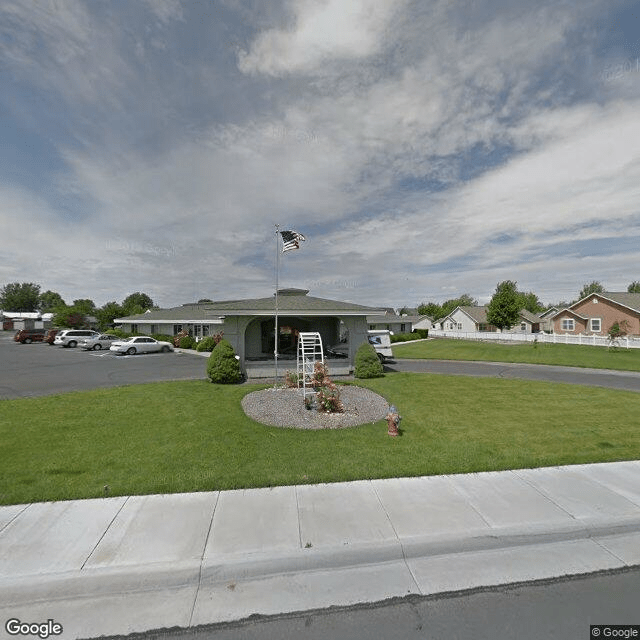
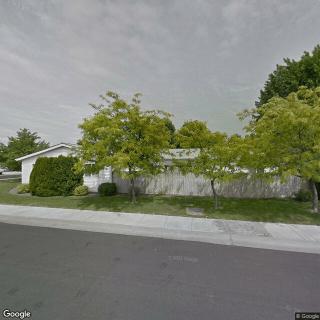
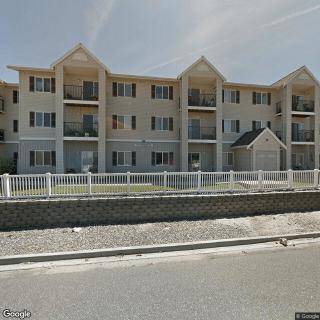
540 North West 12th Street, Hermiston, OR 97838
For more information about senior living options: (866) 208-4318
Overall Review of Guardian Angel Homes
Pros
 The staff were always accommodating, professional, kind and courteous.
- They are very well taken care of and have thrived in their care.
- The facility provides 24/7 care, which has taken some worry away from the family.
- This place has been a godsend for the family.
- Guardian Angels was the best choice for mom; they took great care of her and made her last days comfortable.
- The staff are wonderful and caring.
Cons
 It is described as the worst place ever.
- They do not let friends or relatives talk to their clients and are very rude.
- Guardian Angel Homes allegedly forces employees to come to work sick, showing no regard for residents' immune systems.
- The caregivers are poorly trained and the staff are afraid to call in sick for fear of losing their jobs.
- Employees are forbidden to speak with family members about care, and there have been falls that are poorly documented with injuries going untreated.
- There was an employee who overdosed while working, and staff were encouraged to lie about the time of events.
Review
Guardian Angel Homes in Hermiston is best suited for families that want around-the-clock, hands-on care delivered by attentive aides who own the daily experience of a loved one. The place tends to work well for residents who need consistent assistance with activities of daily living, and for families that value a warm, personable staff who will rally to keep a relative safe and engaged. It is especially seen as a fit for residents with dementia or cognitive impairment who benefit from regular social interaction and routine checks, even if the programming breadth varies with staffing levels. This community earns trust from families who are willing to stay actively involved, asking questions and following up to ensure care plans are carried out. In short, it serves as a practical, caregiver-driven option for ongoing support, not a one-size-fits-all medical facility.
Those who should consider alternatives are families prioritizing flawless administrative communication, locked-in staffing consistency, and highly structured medical oversight. If a resident requires rigorous documentation of every incident, near-term safety protocols, or has complex medical needs that demand constant physician oversight, this may not be the strongest fit. The most vocal concerns center on communication gaps between shifts, high turnover, and questions about how falls and care decisions are documented and shared with families. For families unwilling to advocate for every detail or to push for transparent reporting, another community with steadier leadership and clearer, proactive family engagement may offer greater peace of mind.
The strongest positives, the 24/7 care presence, the genuine kindness of many caregivers, and the relief families feel when knowing a loved one is never left alone, do offset the main drawbacks to a practical degree. In many accounts, caregivers are described as thoughtful, professional, and caring, making a real difference in daily comfort, mobility support, and responsive assistance. For families juggling worry over safety and mobility, that consistent caregiver presence provides a tangible antidote to stress, and the personal rapport built with frontline staff can compensate for some administrative rough edges. Where activities once ran fuller, the ongoing, hands-on attention from staff remains a core strength that sustains residents’ mood and routine.
Nonetheless, safety and care quality concerns warrant careful scrutiny before choosing. Reports of high turnover, short-staff conditions, and limited one-on-one time translate into sporadic attention and inconsistent care notes. Instances described as poor documentation of falls, questions about how injuries are addressed, and a perception of management-led cover-ups are serious red flags for any family seeking dependable oversight. Prospective residents should demand up-to-date caregiver-to-resident ratios, a transparent care planning process, and a clear policy on sick staff coverage and incident reporting. Direct conversations with administrators about corrective actions, training updates, and accountability measures are essential before committing.
Activity programming and communication realities are a mixed bag. Families frequently note that activities that once offered mental engagement and social outlet have diminished during staffing shortages, which can be especially hard for residents with dementia who rely on structured stimulation. However, several reviews praise the staff’s warmth and the ability of caregivers to create moments of connection and comfort despite constraints. When evaluating, request a current activity calendar, ask how programs are scaled to resident needs, and observe how staff partner with families to tailor routines. The facility can still deliver meaningful daily life for many residents, so long as expectations align with current staffing realities and clear channels for feedback exist.
Overall, Guardian Angel Homes stands as a practical option for families who want reliable, compassionate daily care and are prepared to stay engaged to ensure every aspect of care is transparent and well documented. It is less well-suited for those who require unwavering administrative consistency, flawless incident reporting, or expansive, highly structured programming. The right move is to visit, meet the caregiving team, and press for concrete assurances about staffing, oversight, and family communication. For families seeking a warm, hands-on environment with 24/7 support, and who are ready to advocate actively, this community can be a comfortingly solid choice. For others, exploring alternatives with steadier leadership and stronger formal processes may provide greater confidence.
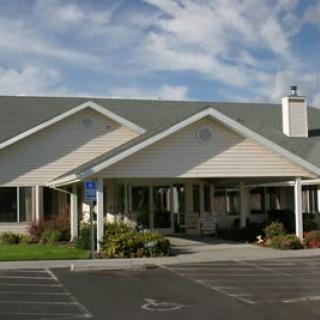
 40 resident community capacity
 Assisted Living
 Memory Care
 Activities on-site
 Beauty salon
 Cable or satellite TV
 Devotional services off-site
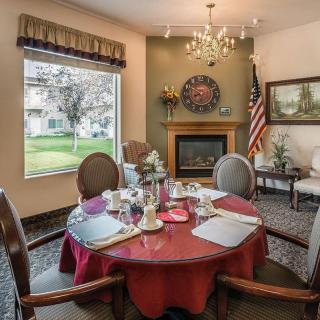
 Dining room
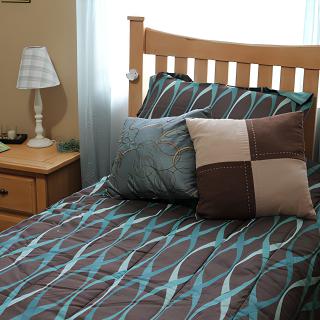
 Fully furnished
 Garden
 Housekeeping services
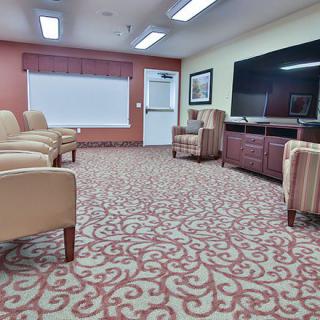
 Indoor common areas
 Kitchenette
 Move-in coordination
 Outdoor space
 Restaurant-style dining
 Small library
 Telephone
 Wi-Fi/high-speed internet available
 24-hour call system
 Ambulatory care
 Assistance with bathing
 Assistance with dressing
 Assistance with transfers
 Diabetes diet
 Diabetic care
 Medication management
 Mental wellness program
 Special dietary restrictions

 Understanding Dementia Behaviors: Practical Insights and Strategies for Caregivers
 When Dementia Sparks Anger and Aggression: Understanding the Connection and Ways to Cope
 Dementia Behaviors: In-Depth Understanding and Effective Coping Strategies