
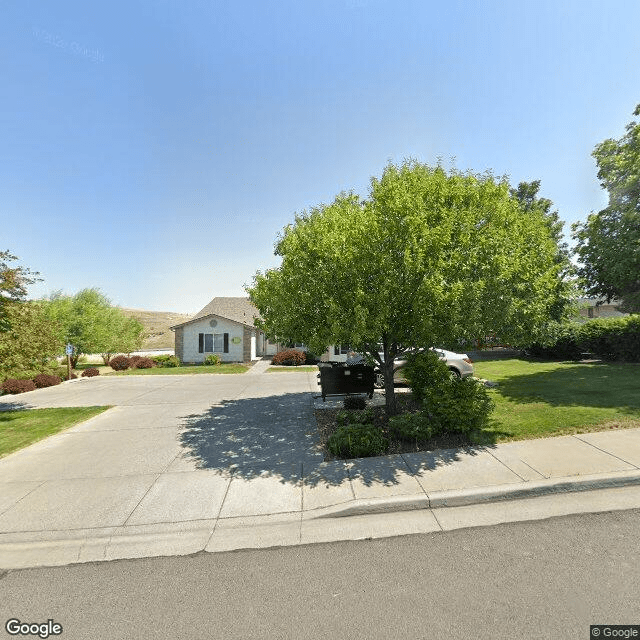
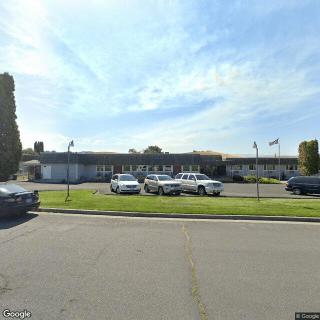
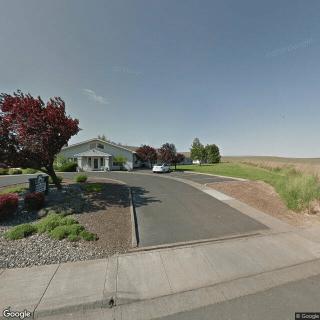
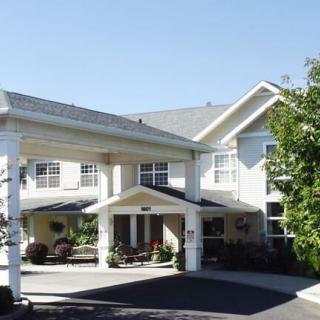
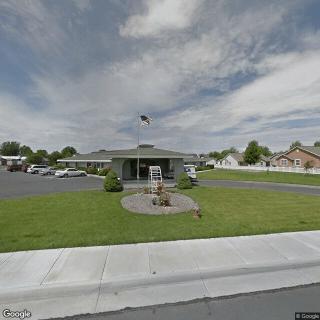
1514 Athens Avenue, Pendleton, OR 97801
For more information about senior living options: (866) 208-4318
Ashley Manor - Athens Costs & Pricing
Ashley Manor - Athens offers a range of pricing options that reflect its commitment to providing quality care in a comfortable environment. The cost for a semi-private room is set at $4,100 per month, which is slightly higher than the average for Umatilla County at $3,733 but remains below the Oregon state average of $4,457. For those opting for a studio apartment, residents will find the monthly fee of $4,600 to be competitive when compared to local and state averages; it exceeds Umatilla County's rate of $3,733 yet is modestly above Oregon's average of $3,815. Lastly, the one-bedroom option is priced at $5,100 per month, standing out as notably higher than both Umatilla County's average of $4,560 and significantly above Oregon's average of $3,904. These pricing structures illustrate Ashley Manor - Athens's position within the local market while highlighting its focus on delivering exceptional services and amenities tailored to resident needs.
| Floor plans | Ashley Manor - Athens | Umatilla County | Oregon |
|---|---|---|---|
| Semi-Private | $4,100 | $3,733 | $4,457 |
| Studio | $4,600 | $3,733 | $3,815 |
| 1 Bedroom | $5,100 | $4,560 | $3,904 |
Overall Review of Ashley Manor - Athens
Pros
 The loved one is being well taken care of.
- Everything appears to be very clean.
- The staff is all very nice.
- They are quick to provide care when needed.
- The reviewer would recommend the facility.
Cons
 Things aren’t always done as quickly as they should be.
- They haven’t yet established the correct method of care for the resident’s particular situation.
Review
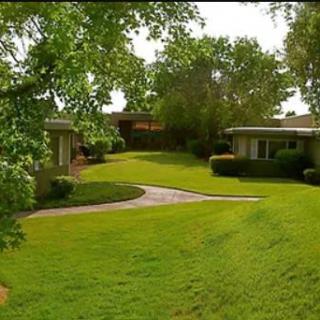
Ashley Manor - Athens in Pendleton, Oregon is best suited for families seeking a dementia-focused living setting where safety, routine, and attentive supervision are central. The community serves residents with Alzheimer’s and related dementias, delivering a clean, orderly environment and staff who are consistently courteous and available when care needs arise. It appeals to caregivers who want dependable oversight and reassurance that staff will respond promptly to needs. Those with loved ones requiring highly individualized, rapid-tuning adaptations to care or significant medical interventions may want to explore alternatives that offer stronger on-site medical capabilities.
The environment and staff culture emerge as clear strengths. Families describe a consistently clean facility and a community where aides and caregivers are approachable and kind. Responsiveness to care requests tends to be quick, ensuring that urgent needs are addressed without long waits. Yet there is an undercurrent of realism: speed and precision do not always align with every family member’s expectations, signaling that day-to-day prioritization and execution can still evolve to better match individual routines and preferences.
The strongest upside rests in the reliable, dementia-focused framework. Clean surroundings, a calm atmosphere, and staff who demonstrate patience and attentiveness collectively create a safe base for residents who thrive on routine and predictable care patterns. This solid foundation helps offset some concerns about care specificity, because residents inhabit a setting where behaviors and needs are monitored within a structured, familiar approach. However, the caveat remains that the care plan for each resident may not yet fully reflect the unique “correct method” for that person’s particular progression of dementia, and that acknowledged gap should influence planning and ongoing assessment.
Families should explicitly weigh who might want alternatives. For residents requiring frequent, highly personalized behavioral strategies, or for those with complex medical needs beyond routine dementia care, communities with broader clinical programs or the capacity for more aggressive medical oversight may be preferable. Likewise, if rapid, precisely tailored interventions are non-negotiable, exploring options with stronger on-site nursing capabilities or specialized memory-care protocols could yield a better fit. The Pendleton setting may also drive consideration for families who value mobility to other memory-care locations with different staffing models or activity emphases.
To make a well-informed decision, prospective families should ask detailed questions and seek concrete evidence of daily operations. Inquiries should cover care-planning processes, including how individualized approaches are developed, reviewed, and updated as dementia progresses. Request examples of recent care plans and how family input is incorporated. Clarify staff-to-resident ratios by shift, and ask about dementia-specific training and ongoing education for caregivers. Observe the interaction style during a tour or sit-in, noting whether staff anticipate needs and whether communication with family members is clear and collaborative. Finally, consider arranging a short trial stay or regular family check-ins to gauge how quickly and effectively the team adapts care to the resident’s evolving needs.
In the end, Ashley Manor stands out as a practical, dependable option for families prioritizing a clean, calm, dementia-centric environment with responsive staff. It delivers essential safeguards, predictable routines, and a compassionate tone that can offer substantial peace of mind. The primary trade-off is that care methods may not yet be perfectly tailored to every individual’s nuanced needs from day one, which means ongoing dialogue and careful evaluation are essential. For families prioritizing a steady, respectful living atmosphere with clear oversight, the community warrants strong consideration, paired with proactive engagement to ensure care plans track closely with the loved one’s progression.
 15 resident community capacity
 Assisted Living
 Day Program
 Memory Care
 Cats allowed
 Dogs allowed
 Cable or satellite TV
 Devotional services off-site
 Dining room
 Fully furnished
 Garden
 Ground floor units
 Handicap accessible
 Housekeeping services
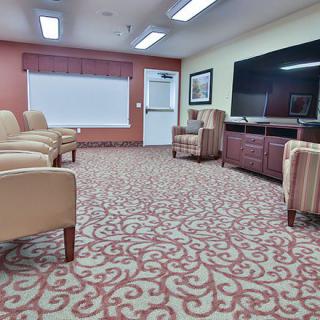
 Indoor common areas
 Move-in coordination
 Outdoor space
 Respite or short term stays offered
 Telephone
 Wheelchair accessible showers
 Wi-Fi/high-speed internet available
 24-hour supervision
 Ambulatory care
 Assistance with bathing
 Assistance with dressing
 Assistance with transfers
 Diabetes diet
 Diabetic care
 Meal preparation and service
 Medication management
 Special dietary restrictions
 Transportation arrangement (medical)
 Transportation to doctors appointments
 BBQs or picnics
 Happy hour
 Light therapy programs
 Live dance or theater performances
 Live musical performances
 Montessori programs
 Estimating the Expenses of At-Home Dementia Care: A Detailed Exploration
 Comprehensive Insights on the Late Stages of Dementia: What to Expect and How to Provide Care
 Medications Associated with Dementia Risk: A Comprehensive Overview