

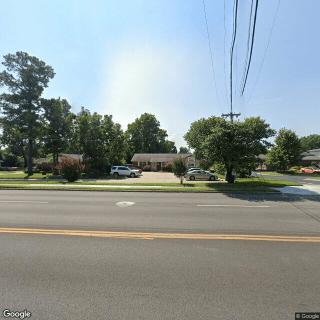
6201 E 36th St, Tulsa, OK 74135
To contact a resident: (918) 622-3430
For more information about senior living options: (866) 208-4318
Overall Review of Tulsa Christian Care Ctr
Pros
 The staff are friendly and good, even when understaffed.
- The memory ward provided comfort for residents, helping them regain some independence and form connections with other clients and staff.
- The reviewers felt completely comfortable placing their loved ones in long-term care there.
- The staff helped families come to terms with the need for care and went above and beyond.
- The staff are amazing, knowledgeable, and very helpful.
- The experience was outstanding, featuring delicious food, attentive caregivers, and great rehab.
- The facility is clean, the staff are very friendly, and the meals are enjoyed by residents.
- The new marketing director is amazing, knowledgeable, and very helpful.
Cons
 The staff are consistently rude, and the reviewer would not send their parents there.
- The administration is terrible.
- The facility has food that is not fit to eat and should be closed permanently.
- The building is dirty and in disrepair, with holes in the walls and a large hole in the ceiling.
- The center is severely understaffed, with staff who are slow to respond and verbally abusive.
- There is no emergency button in rooms and a pervasive smell of death.
- The landscaping is poor and the building sits next to a nearby ghetto.
- It is not a suitable place for end-of-life care; it is described as a place to die.
Review
Tulsa Christian Care Center is best suited for families prioritizing affordability and a modest, no-frills care environment, particularly when a loved one may benefit from a small-scale memory-care setting and caregivers who can deliver genuine, if intermittent, attentiveness. The community can be considered by those who are willing to accept variability in staffing and upkeep in exchange for a lower-cost option and the possibility of a personal, hands-on approach during visits. It is not pitched as a premium choice, but rather as a pragmatic, budget-conscious option that may work when family involvement remains a regular, proactive part of care.
That reality means certain families will want to consider alternatives. If a resident requires consistently high staffing ratios, pristine surroundings, modern amenities, or rigorous administrative responsiveness, other Tulsa-area facilities will likely better meet expectations. Families seeking highly organized, fully maintained physical spaces with unwavering, professional behavior from all staff members should look elsewhere. For those with strong dementia-care needs who demand structured programming, robust safety features, and uniform quality across shifts, a more established memory-care program could prove essential.
On the upside, a few reviews point to meaningful positives that keep the center viable for some residents. In the memory-care context, the ward can feel comfortable for residents who suddenly face lower mobility or sensory changes, and some families note that staff, when present, are kind and attentive. Positive experiences highlight transitions, such as moving a loved one into long-term care, with staff who help families come to terms with the need for outside care and who go above and beyond, particularly in rehabilitation contexts where progress is observed. There are isolated mentions of good food and rehab outcomes, and a marketing director praised for being knowledgeable and helpful, which can matter when navigating the decision and settling initial logistics.
Yet the bulk of the feedback tilts toward serious concerns. The most recurrent red flags are understaffing and perceived underperformance by staff, with multiple accounts describing rude behavior and slow response times. Physical conditions frequently surface as a major issue: dirty environments, maintenance gaps, visible wear such as holes in walls, outdated equipment, and overall cleanliness challenges. Reviews recount incidents of disorganization and, in some cases, a perception that management is evasive when questions arise. The combination of staffing strain and facility upkeep presents a pattern that erodes trust and raises questions about daily safety, consistency of care, and long-term reliability.
The key question becomes whether the positive, situational experiences can offset these persistent drawbacks. For families who can anchor care with regular, hands-on involvement, visiting often, maintaining close communication with caregivers, and actively coordinating care planning, the good moments can feel meaningful and even transformative for a loved one. A few families testify that the care team made a difficult transition smoother and that their relatives enjoyed moments of comfort, good meals, and meaningful interaction. However, the most troubling themes, ongoing understaffing, interpersonally challenging staff dynamics, and clean, safe conditions not consistently demonstrable, tend to override the positives when considering this facility as a long-term home.
For families weighing a concrete decision, the prudent path emphasizes due diligence and comparison. Schedule a thorough on-site tour focused not only on common areas but also on resident rooms, bathrooms, and the memory-care unit’s layout. Inquire about current staffing ratios by shift, turnover rates, and the cadence of team communication with families. Request recent state inspection results and the facility’s plan for addressing any cited deficiencies. Speak with several current residents or visiting family members to gauge day-to-day reality beyond the promotional narrative. If possible, arrange a ride-along or trial visit to observe how staff respond during care activities. Finally, compare with other Tulsa options that offer stronger maintenance records, clearer accountability, and more consistent staffing, especially for memory care and rehabilitation.
In the end, Tulsa Christian Care Center stands as a practical choice for families who want a cost-conscious option, are comfortable with variable staffing, and place a premium on a transition that feels supported by some compassionate caregivers. For those who cannot tolerate routine under-staffing, questionable cleanliness, or inconsistent administrative responsiveness, alternatives are strongly recommended. The decision hinges on balancing the value of intimate, family-involved care against the risk of fluctuating quality and environment. If the priority is stability, predictability, and modern comforts, pursue other facilities; if the priority is affordability coupled with the possibility of highly engaged, personalized attention, this center may merit closer inspection, but only after rigorous, up-front verification of current conditions and staffing investments.
 Skilled Nursing Facility
 Tulsa International (6 miles away)



 Top Cars for Senior Drivers and Essential Safety Innovations
 A Closer Look at Private Pay Home Care
 Comprehensive Approaches for Arthritis: A Detailed Guide to Symptoms, Causes, and Care