
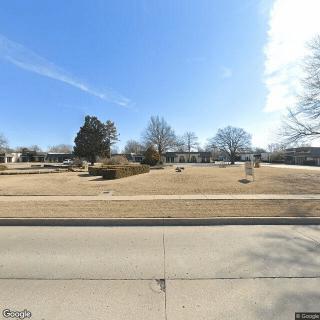
6201 East 36Th Street, Tulsa, OK 74135
For more information about senior living options: (866) 208-4318
Overall Review of Gracewood Health & Rehab
Pros
 The staff were friendly and good, though the facility was occasionally understaffed.
- The memory ward was small, and residents felt comfortable there as they settled in and got to know other clients and staff.
- The staff went above and beyond to help families feel comfortable with long-term care.
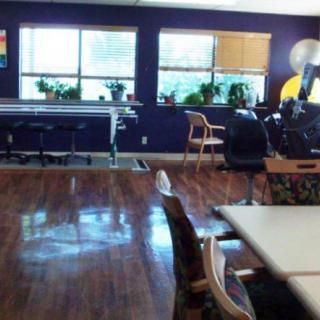
- The OT worker was rated highly, reflecting a positive rehab experience.
- The facility delivered an outstanding experience with delicious food, attentive caregivers, and effective rehab.
- The memory care unit helps residents feel better, with a clean facility, friendly staff, and meals that residents enjoy.
- The marketing director Greg Davis is amazing, knowledgeable, and very helpful.
- The facility is clean, with friendly staff, good food, and spacious memory units and rooms.
Cons
 The staff are always rude.
- The facility’s staff and administration are terrible.
- The food is not fit to eat.
- The facility is awful and should be closed permanently.
- The facility is rude and not trustworthy; people should not trust it with their family or business.
- It is severely understaffed, with sub-par, slow-to-respond, rude, and verbally abusive staff.
- The building has holes in the walls, a large ceiling hole, and floors in disrepair; it is dirty.
- Management is rude and evasive and won’t provide basic information like patient census or staff numbers.
- A kitchen staff member was extremely rude and spoke about feces; this is absolutely unacceptable.
- The facility is dirty, ghetto, trashy, lacking landscaping, and should close permanently.
- The building lacks an emergency button in rooms, there is no desk clerk, and there are no televisions; basic safety and comfort are missing.
- It is described as a place to die, not a suitable end-of-life care facility.
Review
Gracewood Health & Rehab in Tulsa is best suited for families seeking memory-care support and a rehab-capable environment, where a small memory-ward experience can offer familiarity and some hands-on attention. The facility shows a pattern of renovation and improvement on the surface, and for loved ones with dementia who value connection with caregivers, this can feel workable. It is not ideal for those seeking a pristine, flawlessly run campus with universal staff excellence across all shifts. The strongest case is made by families prioritizing memory-unit stability and a more intimate care dynamic, recognizing that oversight and persistence will be necessary.
Those who should consider alternatives are families demanding consistently courteous, responsive staff at every hour, a spotless, well-maintained environment, and transparent administration. The reviews repeatedly flag understaffing, and some staff are described as rude or inattentive. Maintenance and cleanliness concerns recur in several accounts, holes in walls, dated facilities, odors, and general disrepair, that cannot be dismissed. A number of families report difficulty obtaining reliable information about staffing and census, plus occasional encounters with management that feel evasive. For caregivers who can’t tolerate those tensions or require a consistently high level of administrative reliability, other communities will likely serve better.
The upside in Gracewood comes from the memory-care experience and glimpses of dependable caregiving, especially within the memory ward. Some families recount that staff in the memory unit are warm, patient, and capable, and that the unit offers a quieter, more controlled environment for residents with dementia. There are also reviews praising the quality of rehab services and the willingness of some caregivers to go above and beyond, along with occasional praise for food quality and the transformation seen after renovations. These perceived strengths do offer meaningful offset for families who can tolerate the facility’s broader inconsistencies and focus stay within the protected memory-ward context.
Nevertheless, the main drawbacks remain sizable and persistent. Understaffing dominates many critiques, with reports of slow responses and staff being stretched thin. Facility conditions, older décor, wall damage, smells, and a lack of centralized reception or visible desk staff, undercut confidence in daily operations. Management concerns surface in some accounts as evasive or uncommunicative, and safety features like clearly accessible emergency systems are questioned in others. Taken together, these factors severely limit the appeal for typical families who expect reliable day-to-day execution, consistent professionalism, and a consistently clean, safe environment for a loved one.
For families evaluating Gracewood, a practical checklist matters as much as the impression from a tour. Request a firsthand look at the memory unit during different shifts to gauge staffing levels and caregiver engagement. Ask for the exact caregiver-to-resident ratios on each shift, and request direct contact with a charge nurse or unit manager for ongoing updates. Inspect common areas and patient rooms for cleanliness, odor, and maintenance needs; verify the presence and condition of emergency call systems. Inquire about the menu, meal pacing, and how weight and nutrition are monitored, since several reviews note both good and poor food experiences. Finally, insist on a clear plan for communication, an outline of the care plan, and concrete commitments on staffing and responsiveness before committing to placement. If those assurances cannot be documented, alternatives should be pursued.
In the end, Gracewood represents a mixed proposition: the memory-care environment can be a genuine asset for dementia care, and some staff members deliver compassionate, capable service. Yet the broader operation shows enough instability in staffing, maintenance, and management to make this a risky choice for families who cannot accept variability in everyday care. The prudent path is to treat Gracewood as a facility to scrutinize aggressively, not a default option. If a commitment to consistent staffing, transparent administration, and a consistently clean, safe environment cannot be guaranteed, families should look elsewhere and continue their search with clear, non-negotiable criteria in hand.
 121 resident community capacity
 Skilled Nursing Facility
 Air-conditioning
 Beauty salon
 Cable or satellite TV
 Computer center
 Dining room
 Fitness room
 Fully furnished
 Gaming room
 Garden
 Housekeeping services
 Kitchenette
 Move-in coordination
 Outdoor space
 Private bathrooms
 Restaurant-style dining
 Small library
 Telephone
 Wellness center
 Wi-Fi/high-speed internet available
 Tulsa International (6 miles away)
 Community operated transportation
 12-16 hour nursing
 24-hour call system
 Activities of daily living assistance
 Assistance with bathing
 Assistance with dressing
 Assistance with transfers
 Diabetes diet
 Medication management
 Mental wellness program
 Special dietary restrictions
 Concierge services
 Planned day trips
 Comprehensive Guide to Blood Pressure Charts for Older Adults: Understanding Normal and High Readings by Age
 Financing Long-Term Nursing Home Care Through Social Security: A Thorough Exploration
 Essential Knowledge on Pneumonia in Older Adults