
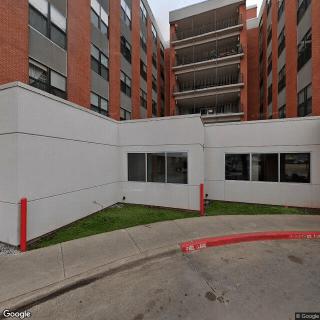
2400 Southwest 55Th Street, Oklahoma City, OK 73119
For more information about senior living options: (866) 208-4318
Overall Review of Capitol Hill Skilled Nursing And Therapy
Pros
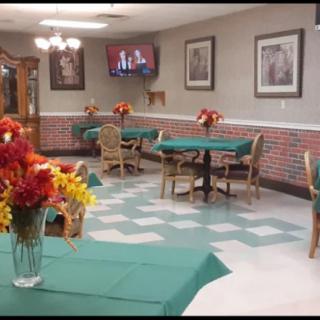
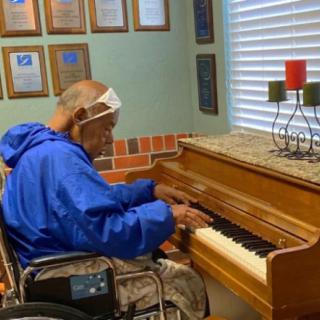
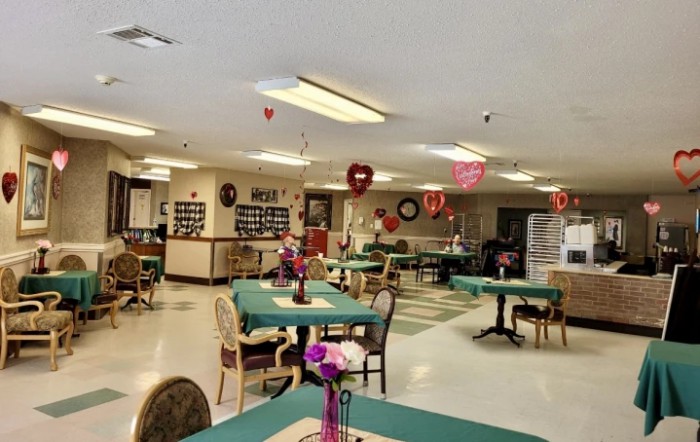
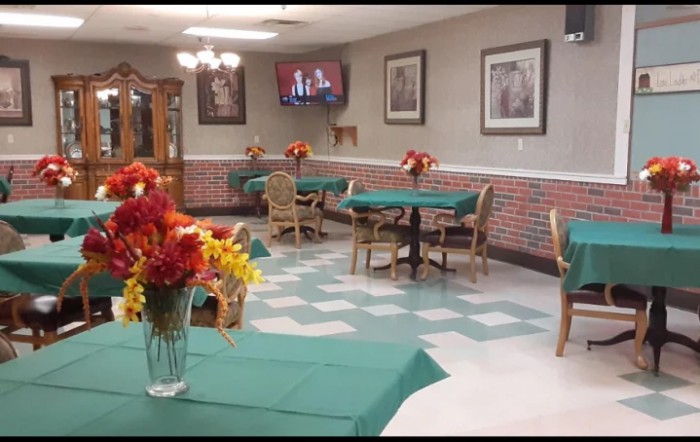
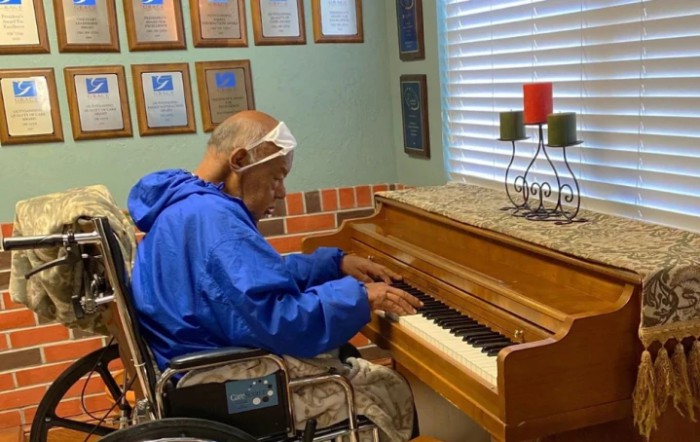
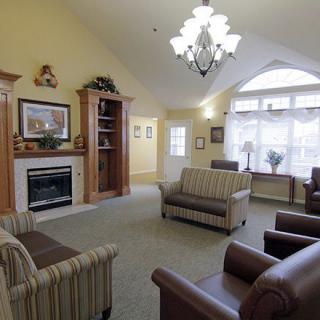
 The facility has a homey feel and a comfortable atmosphere.
- The staff are very compliant with COVID guidelines and friendly.
- Grace Living Nursing Home is a place where the staff take extremely good care of residents.
- Cynthia, a CNA there, is highly regarded by residents.
- The reviewer would definitely recommend Grace Living Nursing Home to others.
Cons
 The facility is described as bottom-tier service.
- The staff are repeatedly described as disappointing.
- Questions are answered defensively.
- The facility's culture is described as negative.
- The facility deserves no stars.
- Therapies are unfriendly and staff lack knowledge communicating with dementia patients.
- OT and PT staff are lazy.
- Nursing staff are unreliable.
- Office staff are unfriendly and unhelpful.
- The food was frozen.
- There was mold in the bathroom.
- Residents cannot reach a nurse and call lights are not accessible.
Review
Capitol Hill Skilled Nursing and Therapy is best suited for families that want a more homey, less clinical atmosphere and are prepared to supervise care closely every day. It can work for residents with moderate medical needs who require routine nursing care and some rehabilitation, provided outside oversight remains strong and engaged. In practice, this means a loved one may benefit from the casual environment and straightforward daily routines, but only if family or a trusted advocate commits to frequent communication and monitoring.
Those considering alternatives should note that this community is not a fit for residents who require consistently high-quality rehab, rigorous clinical oversight, or dependable, proactive staffing. Families needing strong, reliable therapy progress, predictable nurse responsiveness, and immaculate cleanliness will likely find better options elsewhere. Facilities with higher staffing ratios, stronger administrative accountability, and documented success in safety and rehab outcomes are more suitable for residents at risk of neglect or rapid clinical change. In short, if the goal is steady, transparent care with minimal supervision, other choices should be explored.
On the upside, several reviewers point to a homey feel, a comfortable atmosphere, and a generally friendly team. A few staff members are described as genuinely caring and capable, and the food is noted as decent. For families who can press for clarity and insist on consistent bedside communication, these small positives can contribute to a livable daily experience. Those looking for a political-tinged, impersonal hospital vibe may appreciate the relative warmth that some staff members bring to daily routines, even if this warmth is uneven across shifts.
However, the cons are substantial and frequently recurring, and they heavily skew the overall impression. Reports of neglect, poor communication, and unsafe conditions appear repeatedly, including concerns about dirty rooms, mold, and insufficient attention to call-bell accessibility. Several accounts describe staff as unresponsive, detached, or inconsistent in care, with conflicting notices about a resident’s status. The most alarming claims involve safety lapses, missed therapy sessions, and, in the most severe cases, rapid health declines or tragedy attributed to inadequate care. The administration’s handling of complaints and care plans is criticized as fragmented, making families feel left in the dark.
The key question is whether the potential emotional comfort of a “homey” setting can compensate for the frequency and severity of safety and care concerns. In practice, the answer is rarely yes for families facing significant rehab needs or complex medical management. The positive notes on atmosphere and occasional staff dedication do not meaningfully offset reports of inconsistent care, limited therapy engagement, and cleanliness gaps. For residents with higher care demands or for those with dementia requiring persistent, proactive communication, the cons far outweigh the pros. This is not a facility to rely on for dependable, high-stakes nursing or rehabilitation without a robust external advocate.
Families weighing a move should adopt a concrete due-diligence plan: request to observe therapy sessions and daily care routines at various times; ask for a clear, written care plan with specific goals and timelines; verify staffing patterns and the DON’s responsiveness; talk with current residents and their families about call-bell response and room cleanliness; request quarterly progress updates and a direct line to administrators for urgent concerns. If possible, insist on a trial period or staged transition with measurable benchmarks for rehab progress and safety checks. Above all, establish a primary point of contact and document all communications to ensure accountability and continuity of care.
In the end, Capitol Hill Skilled Nursing and Therapy is a challenging fit for most families seeking consistent, high-quality care and transparent operations. It may serve as a viable option for those who can commit to vigilant oversight and can tolerate uneven care, knowing that some staff members are genuinely devoted. For families unwilling to dedicate time and energy to advocacy, or for residents needing reliable rehab and flawless environmental safety, alternatives are strongly advised. The decisive factor rests in whether a trusted advocate can sustain steady, proactive engagement to ensure that a loved one receives safe, dignified, and timely care on a daily basis.
 120 resident community capacity
 Skilled Nursing Facility
 Air-conditioning
 Beauty salon
 Cable or satellite TV
 Computer center
 Dining room
 Fitness room
 Fully furnished
 Gaming room
 Garden
 Housekeeping services
 Kitchenette
 Move-in coordination
 Outdoor space
 Private bathrooms
 Restaurant-style dining
 Small library
 Telephone
 Wellness center
 Wi-Fi/high-speed internet available
 Will Rogers World (3 miles away)
 Community operated transportation
 12-16 hour nursing
 24-hour call system
 Activities of daily living assistance
 Assistance with bathing
 Assistance with dressing
 Assistance with transfers
 Diabetes diet
 Medication management
 Mental wellness program
 Special dietary restrictions
 Concierge services
 Planned day trips






 9 Stimulating Memory Activities for Seniors: Puzzles, Cards, and Much More
 Managing Nursing Home Expenses After Medicare Coverage Ends
 Is a Geriatric Care Manager the Right Choice for Your Family?