Overall Review of Bellevue Health & Rehabilitation Center
common28 reviews mention this
Staff are caring and responsive
Residents and families consistently describe staff who are caring, professional, and quick to respond.
Many reviewers emphasize how attentive and supportive the staff felt during skilled nursing or rehab, often describing one-on-one care and staff who treated residents with respect and dignity. Several reviews also point to communication and follow-through, including help from therapy and social services when families had questions. A few negative reviews contrast that with experiences they described as neglectful or indifferent, including concerns about medication timing and overall attention.
common16 reviews mention this
Facility cleanliness stands out
Cleanliness and upkeep are repeatedly mentioned as strengths, with some reviewers still reporting serious issues.
A clear pattern in the positive reviews is that the building feels clean, organized, and well kept, with some reviewers also commenting on how the facility smelled. Clean, comfortable rooms and common areas show up alongside descriptions of staff being easy to work with. On the other hand, several critical reviews report problems like overwhelming smell, broken equipment, or a need for major updates and scrubbing.
differentiator22 reviews mention this
Skilled nursing and rehab care
Skilled nursing and rehabilitation show up as a frequent focus of both families’ positive experiences and their complaints.
The majority of reviews revolve around rehabilitation outcomes and day-to-day nursing care, including therapy that helped residents regain strength and the belief that the team was knowledgeable about patients’ needs. Multiple reviewers describe therapy support, rehab routines, and staff being present and attentive when care needs were ongoing. Negative reviews also stay grounded in care delivery, including claims about insufficient therapy, lack of appropriate attention, or medication issues leading to worse outcomes.
caveat8 reviews mention this
Food is mixed, with praise
Dining receives mixed feedback, including praise for real, better-tasting food and complaints about inedible meals.
Some reviewers specifically call out the food as good or better than they expected for a facility setting, with a few mentioning it felt more like prepared meals than standard cafeteria food. Others report dissatisfaction, including claims that the food was not edible or that meal preferences were not consistently met. This lines up with the community offering restaurant-style dining and special dietary considerations listed for dining.
common11 reviews mention this
Activities and amenities feel welcome
Residents and families often describe activities and comfort features that make the stay feel more livable.
Several reviews highlight residents being engaged through activities and opportunities to participate, including scheduled daily activities and group activities. Families also mention feeling supported beyond therapy, such as social services helping with logistics and benefits. Others describe comfort features and day-to-day convenience, including well-kept grounds and a welcoming environment, while a smaller number of reviews raise concerns about specific equipment or attention.
caveat9 reviews mention this
Serious care concerns appear in reviews
While many reviews are positive, several report serious breakdowns in medication, supervision, or basic care.
A recurring negative thread in the critical reviews is that residents did not receive timely medication or adequate attention, including reports of medication not being on time and residents being left unattended. Some reviewers also describe problems related to supervision and follow-through, including difficulties with mobility assistance and concerns about communication with families. These concerns appear alongside complaints about facility conditions such as smell and equipment needing repair.
How we summarize
Counts show how many written reviews mention each theme; a review can touch several themes, and only frequently mentioned themes are displayed.
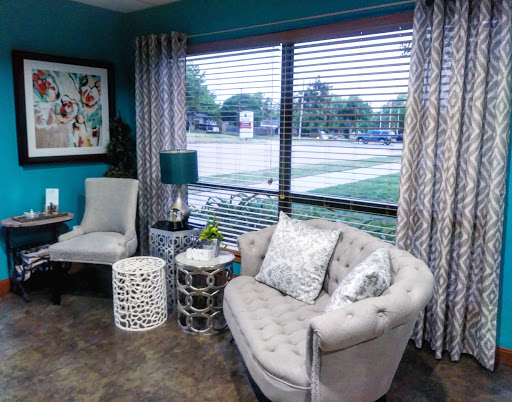
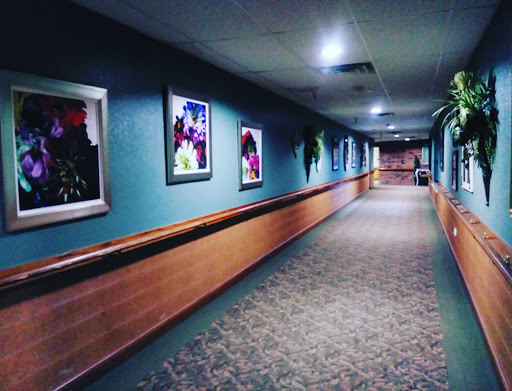
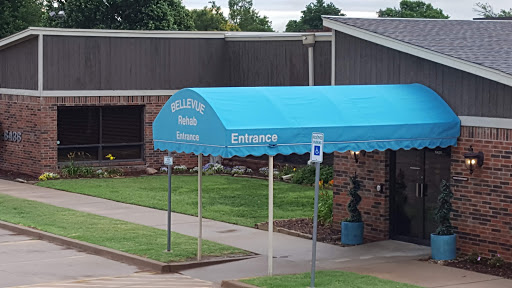
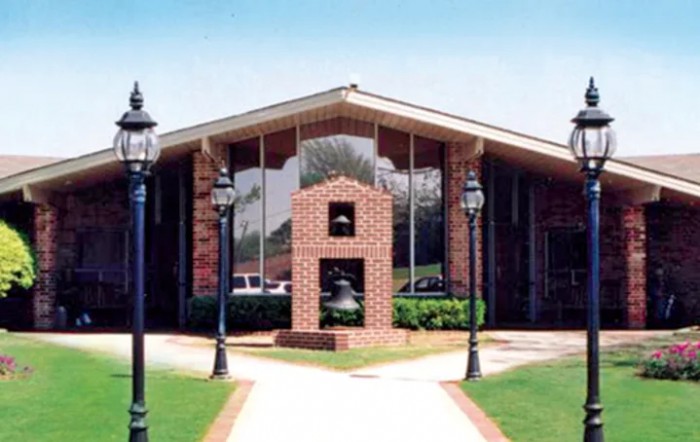
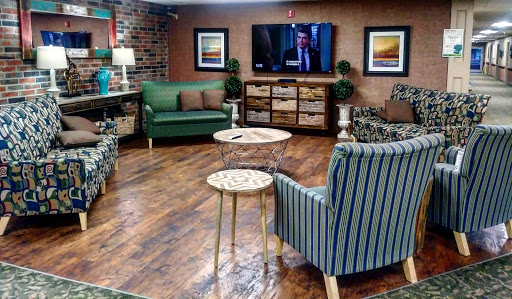
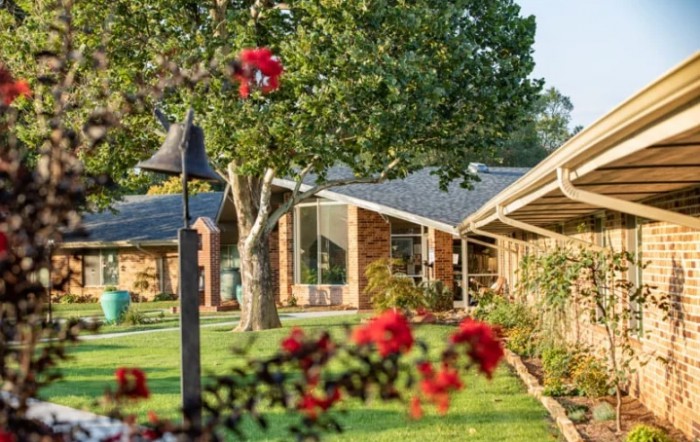
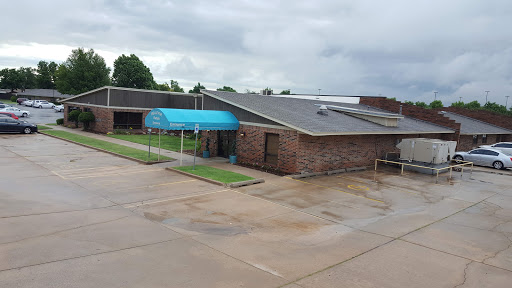
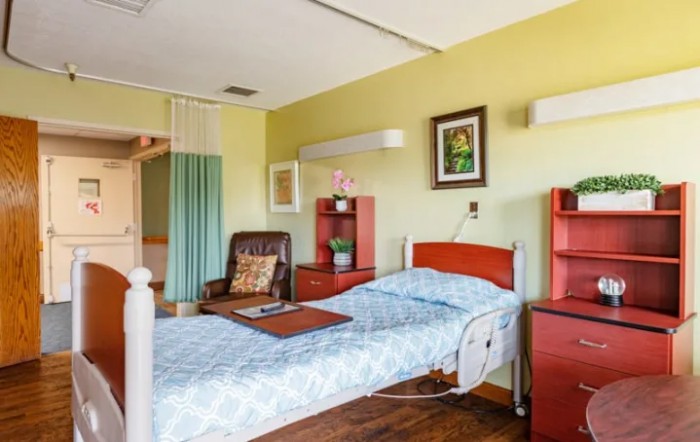
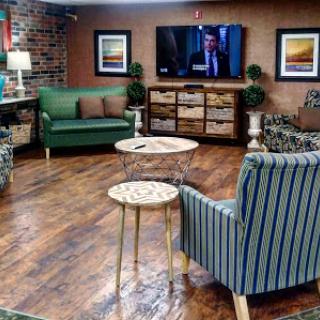
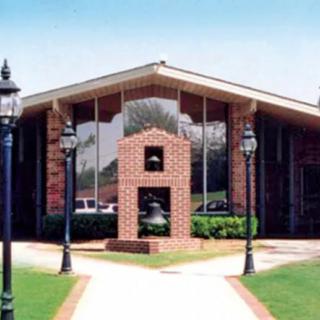
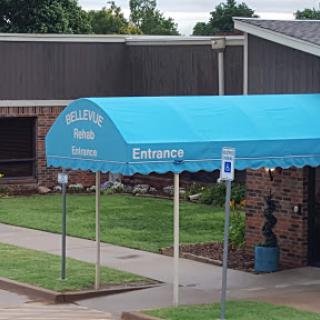
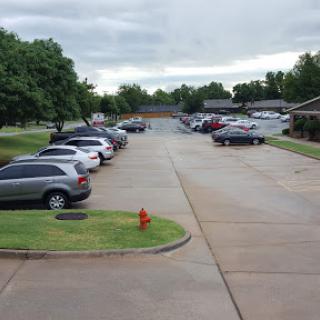
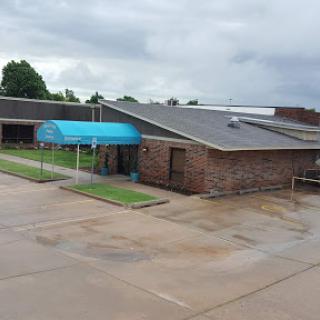
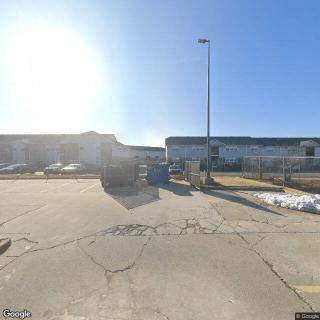
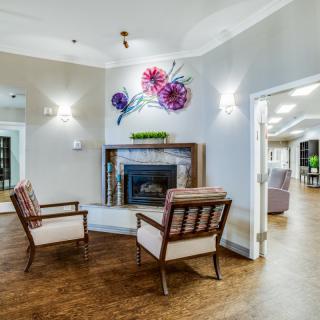
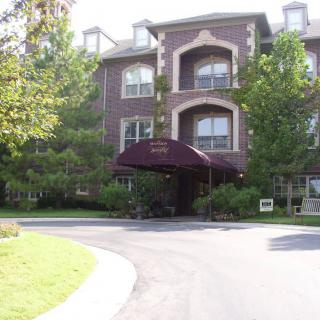
Bellevue Health & Rehabilitation Center on seniors.fyi includes 13 photos including images showing interior, landscaping, decor, garden, outdoor, building, architecture, brick, and more.
Nearby Communities
Bellevue Health & Rehab
Oklahoma City, OK
4.5 from 113 reviews
Attentive staff with strong family involvement and a dedicated rehab team.
Central Oklahoma Christian Hm
Oklahoma City, OK
4 from 127 reviews
Convenient access to healthcare, dining, and parks in a vibrant OKC area.
Parcway
Oklahoma City, OK
4.1 from 120 reviews
Fully furnished apartments with kitchenettes, restaurant-style dining, 24/7 supervision and medication management, diabetes-friendly meals, and engaging activities.
Candle Lake Senior Ctr
Oklahoma City, OK
5 from 4 reviews
Independent living with social spaces and diabetic care; proximity to amenities.
FirstLight Home Care of Oklahoma City/Edmond
Oklahoma City, OK
4.9 from 111 reviews
$2,200 / month
Affordable semi-private care with broad access to nearby amenities and healthcare.
Chevy Chase Apartments
Oklahoma City, OK
3 from 93 reviews
Convenient location with easy access to parks, cafes, pharmacies, restaurants, and healthcare nearby.
Northwest Nursing Center
Oklahoma City, OK
3.9 from 53 reviews
Comprehensive amenities and care options (transportation, dining, wellness, activities, and private bathrooms).
Iris Memory Care of Nichols Hills
Oklahoma City, OK
4.2 from 92 reviews
$4,750 to $6,300 / month
Caring staff and engaging activities in a clean, home-like setting.
The Mansion at Waterford
Oklahoma City, OK
4.2 from 182 reviews
$3,500 to $5,500 / month
Friendly, attentive staff in a clean, well-kept environment with engaging activities and restaurant-style dining.
Senior move management provides specialized support for older adults relocating by assisting with logistics, emotional challenges, and downsizing decisions to ensure a smooth transition to new living environments. These services address the unique needs of seniors and have become increasingly important as baby boomers retire and seek to downsize.
Weight training is vital for seniors to maintain muscle mass, bone density, and overall health, combating age-related declines through customized resistance exercises that enhance balance and well-being. Safe routines should start with realistic goals and proper form, while emphasizing gradual progress and consultations with healthcare providers to ensure safety and effectiveness.
The Sandwich Generation comprises adults managing the dual responsibilities of caring for aging parents and raising children, leading to significant emotional, logistical, and financial challenges. This situation is exacerbated by longer life expectancies and cultural expectations, necessitating effective coping strategies and support resources to alleviate caregiver stress and burnout.
Get PricingAsk A QuestionSchedule A TourContact Senior Advisor
By clicking submit, you agree to our Partner's Terms of Use. You
also consent to receive calls and texts, which may be autodialed, from our Partner. Your consent is not a condition to
using our Partner's service. Please visit our Partner's Privacy Policy for information about their privacy practices.









 108 resident community capacity
 Skilled Nursing Facility
 Air-conditioning
 Beauty salon
 Cable or satellite TV
 Computer center
 Dining room
 Fitness room
 Fully furnished
 Gaming room
 Garden
 Housekeeping services
 Kitchenette
 Move-in coordination
 Outdoor space
 Private bathrooms
 Restaurant-style dining
 Small library
 Telephone
 Wellness center
 Wi-Fi/high-speed internet available
 Will Rogers World (10 miles away)
 Community operated transportation
 12-16 hour nursing
 24-hour call system
 Activities of daily living assistance
 Assistance with bathing
 Assistance with dressing
 Assistance with transfers
 Diabetes diet
 Medication management
 Mental wellness program
 Special dietary restrictions
 Concierge services
 Planned day trips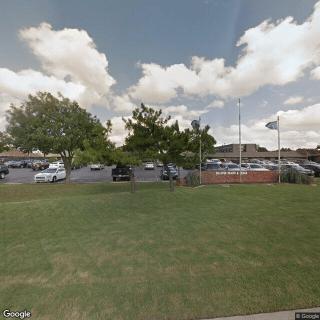
 Attentive staff with strong family involvement and a dedicated rehab team.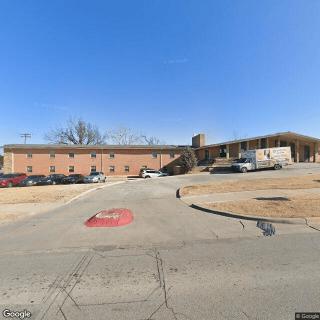



 Senior Move Management: Understanding the Role, Value, and Associated Costs
 Weight Training for Seniors: Building Strength and Vitality
 Understanding the Sandwich Generation: Stress and Responsibilities for Multigenerational Caregivers