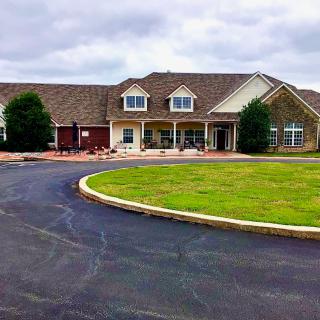
2007 North West 52Nd Street, Lawton, OK 73505
For more information about senior living options: (866) 208-4318

Overall Review of Mcmahon-Tomlinson Nursing Center
Pros
 The staff are friendly and proficient.
- The facility is clean.
- They provide the best care to their residents.
- It has an inviting atmosphere.
- It is the best nursing home facility in town.
- The care provided there is wonderful.
- The nurses are smiling and promptly attentive.
- The staff are kind and helpful.
- The care has always been outstanding.
Cons
 It is described as a terrible place.
- They warn others to stay away, especially if rehab is required.
- The nursing staff at CCMH and McMahon Tomlinson are arrogant and hateful to patients.
- The staff across both facilities are fear mongers and lazy.
- There are warnings posted about assaulting staff, implying unsafe conditions.
- The facility did not turn the patient properly, leading to bed sores and a wounded heel.
- A staff member allegedly dropped the patient from the vehicle.
- The experience is described as horrible with problems in food, clothing, and hygiene.
- They believe the place should be investigated or shut down and advise families to reconsider sending loved ones there.
Review
McMahon-Tomlinson Nursing Center in Lawton, OK is best suited for families pursuing short-term rehabilitation with a realistic expectation that care quality will vary and active advocacy will be required. The reviews show a facility capable of cleanliness and moments of genuine, attentive care, but they also reveal a pattern of inconsistent staffing, uneven safety practices, and troubling reports of mistreatment. This is not a place to entrust without oversight for families who cannot commit to frequent check-ins, direct questions to leadership, and rapid escalation if concerns arise. For long-term custodial care, or for families prioritizing rock-solid daily reliability and unambiguous safety culture, alternatives should be on the table. The central takeaway is that McMahon-Tomlinson can work for the right resident if a plan for rigorous involvement is in place, but it is not a hands-off solution.
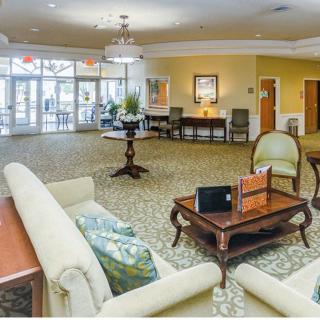
In favorable circumstances, the center can deliver a calm, clean environment and a rehab program that supports meaningful recovery. Several reviews highlight friendly, responsive nursing staff and an inviting atmosphere, with one account describing rehab there as a notable improvement over other facilities. When rehab is the focus, residents report progress in mobility and wound care, and families note kindness and helpfulness from caregivers during longer stays. The core advantage rests on a rehab team that communicates, follows a structured plan, and maintains steady, compassionate interaction. For families who can align expectations with the staffing reality and who insist on quality therapy sessions, there is a credible chance of a positive, short-term rehabilitation experience.
Yet the picture is far from uniform. A substantial share of feedback centers on serious care gaps: rough handling, inadequate turning and hygiene management, and instances of safety lapses that elevate risk for residents. Multiple reviewers describe arrogance or a dismissive tone from some staff, poor communication, and a sense of low accountability across departments. Claims of abuse, fear-mongering, and neglect are hard to ignore, especially when paired with reports that patients were told to “give up” or that staff did not respond promptly. In short, the strongest positive rehab signals can collide with equally strong warnings about daily care standards and safety culture. The inconsistency between departments further undermines trust and complicates decision-making for families.
Those pros and cons rarely balance out without a plan. When rehabilitation yields measurable gains, it can soften concerns about individual interactions, but it cannot erase safety and conduct questions that surface in other reviews. Conversely, if safety lapses and poor communication persist, even a well-meaning rehab team loses credibility. Practical implications follow: care quality may swing week to week, and the resident’s best interests depend on consistent oversight, clear escalation pathways, and ongoing verification of care plans. In this environment, success hinges on robust governance, transparent reporting, and a proactive approach to corrective action. Without those safeguards, the favorable rehab narrative is unlikely to withstand ongoing risk signals.
Families considering this community should adopt a disciplined, forward-looking due-diligence approach. Arrange several visits at different times to observe actual routines and staff responsiveness. Meet the rehab director and the charge nurse to discuss turnover, care planning, and how turning and wound-care protocols are executed. Probe infection-control practices in the rehab unit, medication management, and the use of individualized care plans that are revisited regularly. Scrutinize staff-to-resident ratios, staff stability, and the facility’s process for reporting and addressing concerns. If possible, seek a defined trial period for short-term rehab with objective milestones and a clear exit plan if progress stalls. Compare with nearby options that have steadier reputations for safety, communication, and consistency to ensure a well-rounded choice.
The bottom line is that McMahon-Tomlinson presents a mixed proposition. It can offer a clean, patient-friendly environment and the right rehab momentum when the team is stable and properly supervised, but the weight of negative experiences in reviews cannot be dismissed. The facility’s value rests on the precision of ongoing oversight, strong accountability, and a culture that translates compassion into consistent, safe care every day. For families able to demandingly manage care, insisting on transparent communication, rapid escalation when concerns arise, and a willingness to switch plans if needed, McMahon-Tomlinson can be a viable option, particularly for short-term rehab. For those unable to commit to that level of involvement or who require a consistently high standard of daily care and safety, pursuing alternatives is prudent. The prudent buyer will weigh the rehab potential against safety and staffing reliability, and will enter the decision with a clear plan for advocacy and contingencies.
 146 resident community capacity
 Skilled Nursing Facility
 Air-conditioning
 Beauty salon
 Cable or satellite TV
 Computer center
 Dining room
 Fitness room
 Fully furnished
 Gaming room
 Garden
 Housekeeping services
 Kitchenette
 Move-in coordination
 Outdoor space
 Private bathrooms
 Restaurant-style dining
 Small library
 Telephone
 Wellness center
 Wi-Fi/high-speed internet available
 Lawton-Ft Sill Regional (5 miles away)
 Community operated transportation
 12-16 hour nursing
 24-hour call system
 Activities of daily living assistance
 Assistance with bathing
 Assistance with dressing
 Assistance with transfers
 Diabetes diet
 Medication management
 Mental wellness program
 Special dietary restrictions
 Concierge services
 Planned day trips




 A Comprehensive Exploration of Common Misunderstandings about Powers of Attorney
 Senior Move Management: Understanding the Role, Value, and Associated Costs
 Weight Training for Seniors: Building Strength and Vitality