
4000 Crocker Road, Westlake, OH 44145
For more information about senior living options: (866) 208-4318
Westlake Rehab And Nursing Center Costs & Pricing
Westlake Rehab and Nursing Center offers competitive pricing for its services compared to both Cuyahoga County and the broader state of Ohio. For instance, the monthly cost for a studio room at Westlake is $3,745, slightly above the county average of $3,632 but closely aligns with the state average of $3,727. In contrast, their one-bedroom units are priced at $4,565, which is notably higher than both the county's average of $3,410 and the state's average of $3,712. The center's semi-private rooms come in at $4,915 - a figure that surpasses both local and state averages of $3,582 and $3,965 respectively. These costs reflect Westlake's commitment to providing quality care within an environment that may offer enhanced amenities or services compared to other facilities in the area.
| Floor plans | Westlake Rehab And Nursing Center | Cuyahoga County | Ohio |
|---|---|---|---|
| Studio | $3,745 | $3,632 | $3,727 |
| 1 Bedroom | $4,565 | $3,410 | $3,712 |
| Semi-Private | $4,915 | $3,582 | $3,965 |
Skilled Nursing Facilities with a similar price nearby
-
from -$152 / mo

Light of Hearts Villa
$3,593 to $4,343 / month22.4 miles away -
About the same
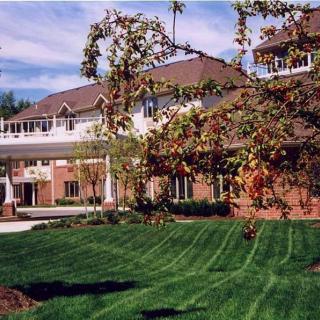
Solon Pointe
$3,800 to $5,000 / month24.5 miles away -
from +$190 / mo
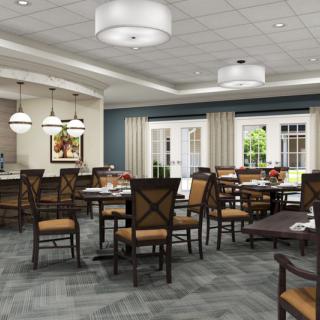
Vitalia Strongsville
$3,935 to $6,065 / month9.5 miles away -
from -$703 / mo
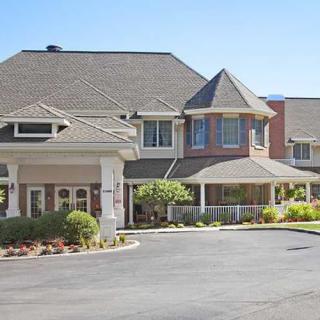
Bickford of Rocky River
$3,042 to $3,954 / month5.5 miles away -
from -$655 / mo
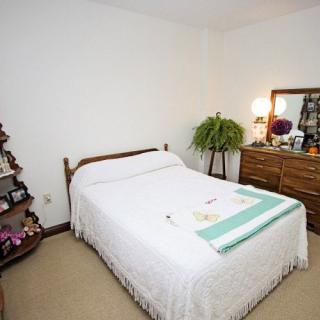
Elms Retirement Village
$3,090 / month23.0 miles away
Overall Review of Westlake Rehab And Nursing Center
Pros
 He liked the place.
- He likes everything else.
- The place is very clean.
- They take the residents out to activities, which is great.
- They have several levels of care.
Cons
 He doesn't like the food.
- The food isn't that tasty.
Review
Westlake Rehab And Nursing Center in Westlake, Ohio is best suited for seniors who want a clean, active environment with real social engagement and a seamless continuum of care. The facility appears to serve residents who are transitioning from short-term rehab toward longer-term support, offering multiple levels of care under one roof. The strongest argument for this community is the combination of a pristine setting, consistent daytime programming, and visible attention to activity participation. For families weighing options, this site looks especially favorable for those who want ongoing structure, routine, and staff-assisted outings that keep residents connected to the community rather than confined to the walls of a single service line.
Those who may want to consider alternatives should not overlook the dining element. The sole publicly reported sentiment in these notes is that the food isn’t particularly tasty, even if it looks healthy. For families where gourmet or chef-driven meals are a non-negotiable priority, or where dining is a central part of the care experience, it’s prudent to compare menus and tastings at other communities. Additionally, if a smaller setting or a facility with a different cultural or therapeutic emphasis is desired, it would be wise to evaluate other options before making a commitment. This review represents one perspective, so prospective residents should corroborate with multiple visits and conversations.
The key advantages here revolve around cleanliness, activity programming, and care flexibility. A spotless environment matters greatly for safety, infection control, and resident comfort, and the report notes very favorable levels of cleanliness. Equally important is the emphasis on taking residents out to activities, which supports social interaction, physical movement, and a sense of normalcy. The presence of several levels of care is another standout feature: families can count on a path that accommodates changing needs without moving to a new building. For families planning long-term stability, this continuum reduces the stress of future relocations and fosters continuity in routines, care plans, and staff familiarity.
Those strengths offset the primary drawback in a practical way. Cleanliness and robust activity programming create a livelier, safer everyday experience that can compensate for a less appealing dining component. The healthy presentation of meals, even if not enthusiastically praised for taste, suggests a focus on nourishment and nutrition, which matters for rehab and aging populations. The ability to adjust the level of care without a move means the resident can remain in a familiar environment as needs evolve, preserving relationships with caregivers and peers and maintaining participation in ongoing programs. In short, the practical benefits, safety, engagement, and continuity, tunch the edge against a dining concern that may matter less over time.
From a decision-making standpoint, prospective residents should verify several specifics in person. Ask for a tour of the dining room and kitchen to observe meal preparation and to review sample menus and portion sizes. Inquire about dietary customization, texture-modified options if needed, and whether residents can influence meal choices. Probe the activity calendar: how many outings per week, types of activities, transportation arrangements, and whether guests or family members can join events. Clarify the levels of care offered, what each tier covers, and the pathway for transitioning between levels without disruption. Finally, speak with current residents or their families about staff responsiveness, safety protocols, and the overall pace and atmosphere of daily life.
In the end, Westlake Rehab And Nursing Center presents a practical, well-rounded choice for families seeking a clean, engaged environment with a flexible care ladder and regular social programming. It suits those who value consistency, continuity of care, and the reassurance that a transition from rehab to long-term care can occur within the same community. It may not be the first pick for families who place gourmet dining or highly specialized therapies at the top of their list. For a thoughtful, action-oriented evaluation, scheduling visits, requesting current meal plans, and speaking with residents about daily life will reveal how closely this center aligns with specific care goals and expectations.
 125 resident community capacity
 Skilled Nursing Facility
 Air-conditioning
 Beauty salon
 Cable or satellite TV
 Computer center
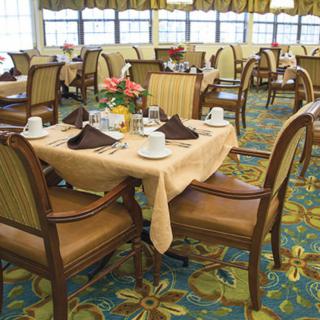
 Dining room
 Fitness room
 Fully furnished
 Gaming room
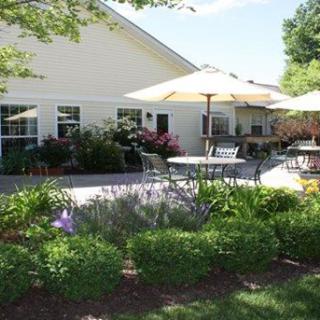
 Garden
 Housekeeping services
 Kitchenette
 Move-in coordination
 Outdoor space
 Private bathrooms
 Restaurant-style dining
 Small library
 Telephone
 Wellness center
 Wi-Fi/high-speed internet available
 Cleveland-Hopkins International (6 miles away)
 Community operated transportation
 12-16 hour nursing
 24-hour call system
 Activities of daily living assistance
 Assistance with bathing
 Assistance with dressing
 Assistance with transfers
 Diabetes diet
 Medication management
 Mental wellness program
 Special dietary restrictions
 Concierge services
 Planned day trips


 Top Canine Companions for Older Adults
 Comprehensive Guide to Blood Pressure Charts for Older Adults: Understanding Normal and High Readings by Age
 Financing Long-Term Nursing Home Care Through Social Security: A Thorough Exploration