Information last verified:
4000 Crocker Rd, Westlake, OH 44145
For more information about senior living options: (844) 490-3973
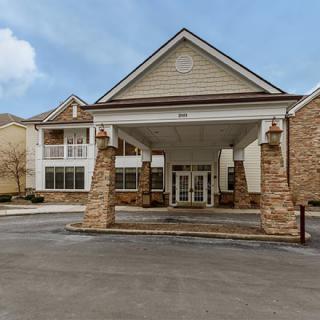
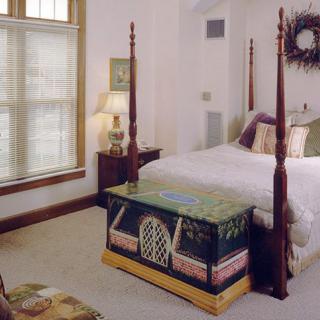
Westlake Nursing and Rehab in Westlake, Ohio, is best suited for families seeking a rehabilitative stay in a well-kept, aesthetically pleasing setting where private rooms and a capable therapy staff can help a loved one regain independence. The community earns praise for a clean, organized environment and an admission experience that feels compassionate and professional. It works well for short-term skilled rehab, post-acute recovery, and comfort-oriented stays, especially when the goal is to return home rather than transition to long-term custodial care. The facility’s renovations and private suites also appeal to families who want a modern, less institutional feel during a difficult transition. In short, this is a strong option for those prioritizing a hopeful rehab trajectory, with a visible emphasis on person-centered care during the stay.
Nevertheless, potential residents and families should weigh staffing realities and consistency of oversight. Several accounts raise concerns about being understaffed, with aides stretched to cover many residents and limited ability to respond quickly. That strain can translate into delayed assistance, insufficient mobility support, and even imperfect daily routines, such as meal help and repositioning, risks that have real implications for skin integrity and comfort. A few reviews describe frustration with administration or responsiveness, including repeated promises to return calls that do not materialize. These patterns do not negate the warmth and competence highlighted by other families, but they do create a real caveat: successful experience here hinges on maintaining adequate staffing levels and effective administrative communication.
On the pro side, several families highlight staff dedication that feels more than value-added when it counts. In the best cases, caregivers and nurses treat residents with genuine kindness, patience, and respect, forming trusting relationships that translate into daily safety and occasional moments of joy. The therapy team is frequently cited for solid outcomes, aiding recovery and enabling a quicker return to home. The admission process, particularly the guidance provided by a known contact like Rachel, can set a reassuring tone, helping families navigate questions, form expectations, and move through the transition with less stress. The private rooms and the overall facility ambiance also contribute positively, giving residents a sense of dignity and a calmer environment in recovery or long-term care.
Still, the strongest advantages must be weighed against several persistent drawbacks. The most salient risk centers on staffing: when aides are overextended, essential tasks such as timely assistance, turning and repositioning, and proactive safety checks can falter. Such gaps have tangible consequences, including concerns about ulcers and falls, and a perception that medical oversight from doctors may be inconsistent or delayed. Even with dedicated therapy and a welcoming facility, these gaps can undercut recovery and peace of mind for families and residents alike. In addition, environmental stressors, for instance, a neighbor’s TV volume or noise levels, can disrupt rest, underscoring the importance of a stable, quiet atmosphere for recovery. These factors do not erase the positives but they raise legitimate questions about reliability during peak hours or acute needs.
From a decision-making standpoint, Westlake Nursing and Rehab presents a well-lit path for families who can actively supervise care and demand consistent staffing. The practical realities demand transparency: ask pointed questions about nurse-to-resident ratios, peak staffing hours, and the cadence of physician visits. Request a current, discipline-specific tour of therapy services, and insist on meeting the director or administrator to review care plans, escalation processes, and how admission specifics map to daily routines. It is wise to probe recent outcomes data, infection control history, and any plans the facility has to address staffing gaps. A trial period or a clearly delineated update cadence with a primary contact can mitigate risk during the critical initial weeks. Ultimately, the decision hinges on whether the environment’s warmth, cleanliness, and therapeutic momentum can be sustained by a reliable, sufficiently staffed team.
In sum, Westlake Nursing and Rehab offers a compelling option for families prioritizing a hopeful rehab trajectory in a polished, private-room setting with a responsive admissions process and a capable therapy department. The core caveat is staffing consistency: when staffing holds steady, the facility’s strengths, kind caregiving, daily updates, effective therapy, and a dignified atmosphere, are experienced as genuine advantages. When staffing gaps emerge, the same strengths can be undermined by delayed help, safety concerns, and uneven medical oversight. For families willing to advocate constructively, demand robust staffing assurances, and remain engaged in care planning, this community can deliver meaningful recovery and quality-of-life gains. For those who require near-flawless responsiveness and tightly controlled medical oversight at all times, exploring alternatives with a more consistent staffing model may be prudent.
The Westlake Nursing and Rehab is an assisted living community located in the serene town of Westlake, OH. The facility is conveniently surrounded by various amenities that cater to the well-being and convenience of its residents.
For those who enjoy a good cup of coffee or a delicious meal close to home, there are four cafes and twenty-one restaurants nearby offering a variety of culinary options. In addition, three parks nearby provide opportunities for outdoor recreation and peaceful walks amidst nature.
Healthcare needs are easily accessible with sixteen pharmacies and five physicians located in close proximity to the community. This ensures that residents can promptly obtain their medications and receive any necessary medical attention without having to travel far.
Westlake Nursing and Rehab also recognizes the importance of spiritual well-being, as evidenced by the two places of worship nearby. Residents have convenient access to religious services and support within their local community.
Furthermore, in times when entertainment is desired, there is one theater located nearby for residents to enjoy movies or live performances. Additionally, with two hospitals in close proximity, residents can feel confident that they will receive prompt medical care in case of emergencies.
In summary, the Westlake Nursing and Rehab assisted living community provides not only top-notch healthcare services but also convenient access to essential amenities such as cafes, parks, pharmacies, physicians' offices, restaurants, places of worship, theaters, and hospitals. This holistic approach ensures that residents' physical, emotional, social, and spiritual needs are attentively met within their vibrant local community.
Westlake Nursing and Rehab is located at 4000 Crocker Rd, Westlake, OH 44145 in Cuyahoga County, Ohio
Comprehensive Exploration of Living Wills and Other Advance Directives

Living wills and advance directives are crucial legal documents that outline an individual's healthcare preferences when they cannot make decisions themselves, enhancing patient autonomy and alleviating family stress during medical crises. The article emphasizes the need for these documents to be personalized, legally valid, and regularly updated, while also encouraging communication about end-of-life wishes among family members and healthcare providers.
A Detailed Exploration of Living Wills and Advance Directives
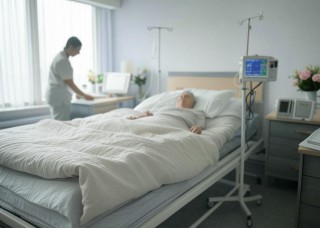
The article examines living wills and advance directives, highlighting their significance in expressing healthcare preferences for those unable to communicate due to illness or incapacity. It discusses their historical development, legal components, limitations, practical drafting advice, and the importance of clear communication among families and healthcare professionals regarding end-of-life decisions.
Comprehensive Guide to Medicare Coverage for Hospice Care
Hospice care focuses on providing comfort and support for individuals nearing the end of life, with Medicare Part A covering services like nursing care and counseling for patients with a terminal illness and a life expectancy of six months or less. While most hospice services are low-cost for eligible patients, families should be aware that certain expenses, such as room and board, may not be covered.