Residents describe delays and understaffing that can leave care needs unmet.
Several residents and families say they saw slow responses when help was requested, including long waits for assistance and call lights being handled without promptness. Multiple reviews also use staffing as a key reason for missed support, such as residents waiting longer than expected and family members feeling left in the dark. A few also connect the experience to broader understaffing pressures, even while some staff are described as hardworking.
common8 reviews mention this
Care can feel compassionate
Many reviews describe staff as kind, respectful, and attentive to residents' comfort.
Alongside the complaints, a meaningful set of reviews says the staff show patience, respect, and compassion in day-to-day care. Families mention feeling reassured about communication and safety, and describe staff treating residents like family. Some reviews also mention celebrating personal moments and providing comfort during difficult days.
caveat3 reviews mention this
Falls and worsening after rehab
Some families report falls and concerns about care outcomes.
A few reviews describe falls occurring during stays, including reports of a resident falling multiple times and needing more help afterward. Others describe rehab outcomes they felt were worse than when the resident arrived, with difficulty meeting mobility expectations. One reviewer also raises concerns about documenting a fall and getting help when mobility declined.
caveat5 reviews mention this
Clean building, but cleanliness varies
Reviews are mixed on cleanliness, with both clean-room praise and hygiene concerns.
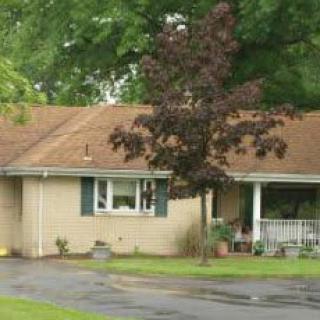
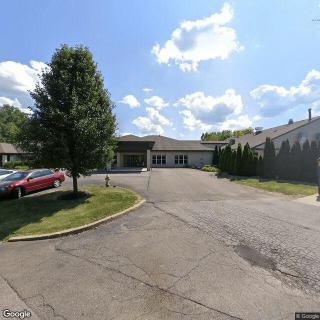
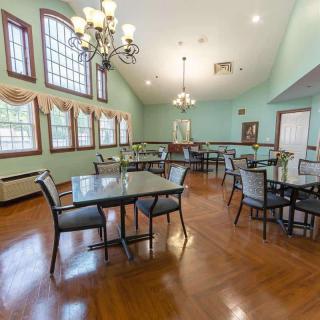
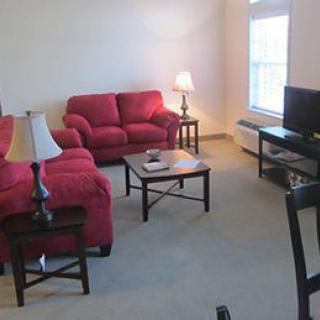
Some residents and families describe the facility as clean, well-maintained, and pleasant, including clean surroundings and a welcoming look. Others report cleanliness problems, such as a dirty room and hygiene or grooming issues they say required repeated requests. One review also flags dirty clothing and oral care concerns as part of an overall care breakdown.
caveat3 reviews mention this
Dining and activities described differently
Dining and engagement appear inconsistent across reviews.
Some reviews say meals are enjoyable or tailored to residents’ preferences, and describe food that feels nutritious. Other reviews describe residents waiting a long time between meals with limited interaction, along with activities that feel minimal or inconsistent. One middle-ground review calls the food decent while also pointing to staffing that may affect access to basics like bathroom assistance.
common2 reviews mention this
Nearby medical and daily options
The area includes nearby medical, urgent, and pharmacy options.
For day-to-day needs, the neighborhood includes nearby physician offices, urgent care, and hospitals, with multiple options clustered within a few miles. There are also retail and pharmacy stops close by, which can help with errands during a stay.
How we summarize
Counts show how many written reviews mention each theme; a review can touch several themes, and only frequently mentioned themes are displayed.
Features
Types of Care
Skilled Nursing Facility
Nearby Places of Interest
Restaurants
Antones Kitchen (0.7 miles)
Burger King (1.5 miles)
Wendy's (1.5 miles)
Eat'n Park Restaurant (1.5 miles)
Up A Creek (1.7 miles)
McDonald's (1.9 miles)
Grotto Ali Babba (2.3 miles)
Physicians
Hope Center For Cancer Care (0.7 miles)
Howland Medical Pavillion (0.7 miles)
Thomas Raymond Neuman (1.6 miles)
Pediatric Associates of Warren (1.6 miles)
Martuccio Eye Care (1.6 miles)
Vein Center (1.7 miles)
Circulatory Center (1.8 miles)
Hospitals
St Joseph Urgent Care Center (0.7 miles)
Surgery Center Howland (0.8 miles)
Mercy Health - Heart and Vascular Institute, Eastland (2.5 miles)
The guide details ten essential responsibilities of senior caregivers, including personal care, mobility assistance, medication management, and emotional support, while emphasizing the importance of safety, nutrition, and maintaining a safe living environment to enhance seniors' quality of life and independence.
The article highlights nine memory-boosting activities for seniors that enhance cognitive health and social interaction, including puzzles, trivia quizzes, and storytelling, while emphasizing the importance of adapting these activities to individual preferences to maximize enjoyment and engagement. Consistent mental engagement is linked to improved cognitive function and emotional well-being in older adults.
Medicare provides limited coverage for skilled nursing home care, covering full benefits for the first 20 days and partial benefits up to 100 days under certain conditions, after which families must explore alternative funding options like Medicaid or long-term care insurance to manage potentially high costs. Proactive planning is essential to navigate the complexities of financing ongoing care once Medicare coverage ends.
Get PricingAsk A QuestionSchedule A TourContact Senior Advisor
By clicking submit, you agree to our Partner's Terms of Use. You
also consent to receive calls and texts, which may be autodialed, from our Partner. Your consent is not a condition to
using our Partner's service. Please visit our Partner's Privacy Policy for information about their privacy practices.

 Skilled Nursing Facility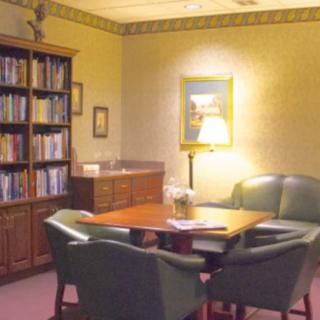
 Caring staff in a well-maintained facility with ample activities and good dining.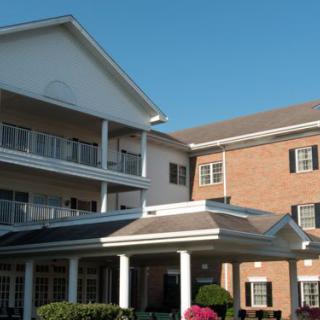


 Ten Vital Duties of a Senior Caregiver: A Comprehensive Guide
 9 Stimulating Memory Activities for Seniors: Puzzles, Cards, and Much More
 Managing Nursing Home Expenses After Medicare Coverage Ends