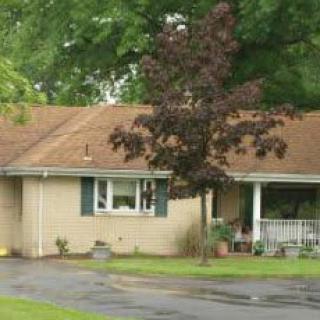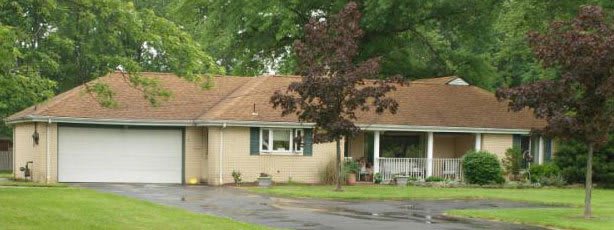
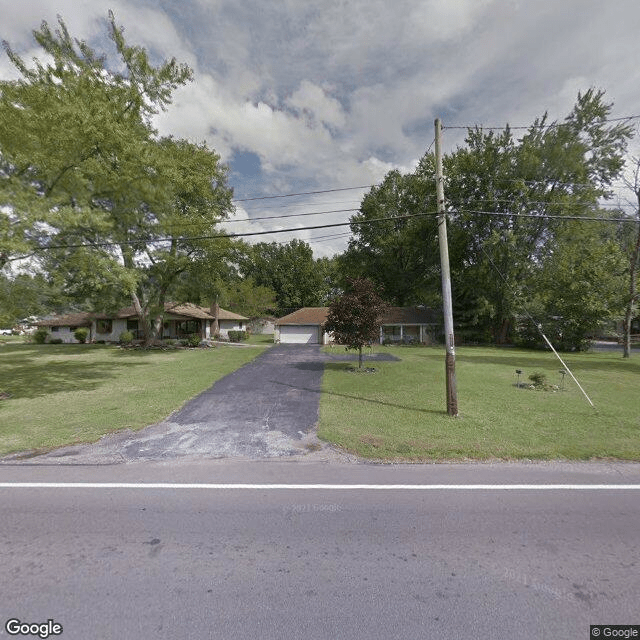
1522 North Rd NE, Warren, OH 44483
To contact a resident: (330) 766-0169
For more information about senior living options: (866) 208-4318
North Road Management #3 Costs & Pricing
North Road Management #3 presents a unique pricing structure for its private rooms, setting the cost at $4,900 per month. This amount is notably higher than both the county average of $4,428 in Trumbull County and the statewide average of $4,771 for similar accommodations in Ohio. While the elevated rate may reflect enhanced services or amenities offered by North Road Management #3, it is essential for potential residents and their families to consider how these costs align with their individual needs and budgetary constraints when exploring care options in the region.
| Floor plans | North Road Management #3 | Trumbull County | Ohio |
|---|---|---|---|
| Private | $4,900 | $4,428 | $4,771 |
Senior living communities with a similar price nearby
-
from -$528 / mo
Levy Gardens
$4,372 to $5,450 / month10.2 miles away -
from -$305 / mo

Shepherd of the Valley- Home Health Care
$4,595 to $4,995 / month9.5 miles away -
from -$900 / mo
Austintown Healthcare Center
$4,000 / month11.5 miles away -
from -$700 / mo
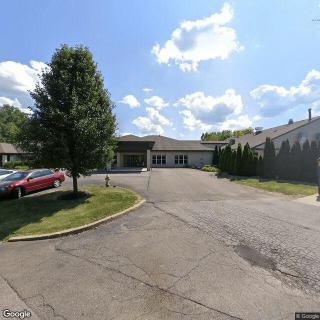
Gillette Nursing Home
$4,200 / month0.8 miles away -
from -$550 / mo
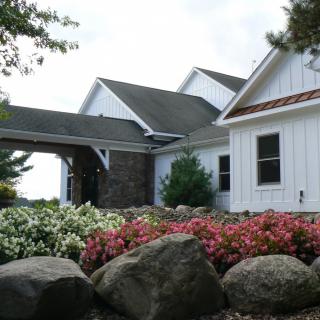
Inn at Pines
$4,350 / month21.0 miles away
Overall Review of North Road Management #3
Pros
 The mom is much happier since moving there.
- The mom is doing much better there than at the nursing home.
- The homey atmosphere and the wonderful staff make a big difference.
- Everything is going very well for the loved one.
- It was the perfect choice for the loved one.
- The staff live on site and take care of the residents.
- The place feels just like home and isn’t institutional.
- The owner is very hands-on and kind.
Cons
 The facility lacks a private bathroom and bedside toilet, and there is no shower in the bedroom.
- It seems to operate like a private house with private-pay terms.
- The reviewer was not impressed with the person they spoke with.
Review
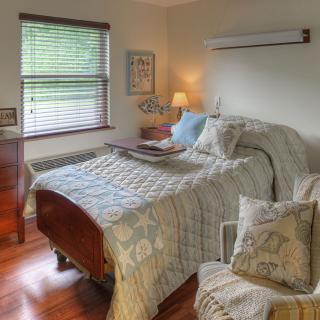
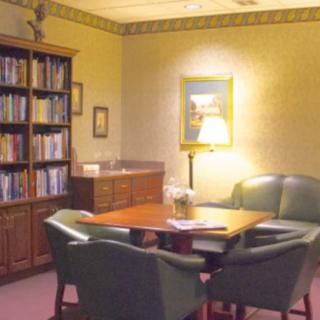
North Road Management #3 in Warren is best suited for seniors who want a genuinely home-like, intimate care setting where personal attention, flexibility, and a warm, non-institutional atmosphere drive daily life. This community appeals to families seeking on-site, hands-on staff that treat residents more like family members than patients, and to individuals who resist rigid schedules. The core appeal rests on a living arrangement in which caregivers are present in the house and make a point of getting to know each resident, rather than rushing through a shift. For seniors who can thrive with adaptable routines and a strong sense of belonging, this setting can deliver meaningful improvement in mood, happiness, and overall well-being. It resonates especially with those transitioning from larger, clinical environments who crave a softer rhythm and a strong sense of home.
Alternatives should be considered for residents who require private in-room bathrooms or more structured medical oversight. Several reviewers point to the absence of a private bathroom or bedside toilet, and the lack of an in-room shower can be a drawback for some. Those who rely on consistent, formalized routines or a highly structured admissions process may find the communication style and onboarding approach less aligned with expectations. For families needing pronounced nursing capabilities or a more clinical, institutional ambiance, larger assisted living options or facilities with dedicated medical staff could be a better fit. The absence of a private en-suite facility is a tangible constraint that can be decisive for certain care needs.
On the plus side, the homey atmosphere and the hands-on, resident-centered approach translate into clear, practical benefits. The on-site presence of staff enables quick responses and a flexible, responsive care pattern, rather than navigating a cold, bureaucratic system. Residents reportedly become happier and more settled after moving in, with caregivers who take time to know each person and tailor interactions accordingly. Descriptions of the setting as not institutional and the owner’s hands-on involvement reinforce a sense of trust and continuity that is hard to find in larger facilities. For families, these dynamics translate into lower stress, more consistent companionship, and a caregiving experience that feels through-and-through humane.
However, the same flexibility can be a double-edged sword. The informal, home-like structure may lack the predictability some families rely on, especially for residents who flourish on routine and clear expectations. The very warmth that makes the environment inviting can coincide with variability in daily schedules and the scope of care documented or communicated. A few reviewers surfaced concerns about specific staff interactions during initial conversations, signaling that consistent, transparent communication should be a priority for households evaluating this option. The practical trade-off is a setting that feels like a private home rather than a traditional facility; for those needing strict governance, documented care plans, and formal oversight, alternatives with more defined operations will perform better.
For families weighing this option, a thorough in-person assessment is essential. Verify the level of medical care available and whether it aligns with current needs, including any high-acuity requirements. Discuss bathroom arrangements in detail, whether any private en-suite solutions exist or if shared facilities are standard, to avoid surprises. Confirm staff-to-resident ratios during peak times and check whether caregiving coverage remains consistent throughout the day. Explore the owner’s involvement and the degree of customization possible for dietary, activity, and social routines. If the goal is emotional comfort, companionship, and a setting that feels like home, this community delivers; if privacy or explicit nursing oversight is non-negotiable, consider alternatives with more formal structures and larger care teams.
In concise terms, North Road Management #3 excels for families seeking a truly home-like, personable care experience where staff live on-site, know residents well, and resist the clinical rigidity that defines many facilities. It stands out as a practical, endearing solution for seniors who thrive on attentiveness, flexibility, and a sense of belonging, and for relatives who prioritize happiness and dignity alongside daily assistance. The drawbacks, primarily the lack of private bathrooms in rooms and the potential for less formalized systems, are meaningful but manageable for the right resident. Prospective families should weigh these factors against the resident’s needs and preferences; for many, this will be the best compromise between warmth and care quality in Warren. Alternatives should be considered when privacy, explicit nursing oversight, or predictable routines are non-negotiable.
 Board and Care Home
 Cats allowed
 Dogs allowed
 Activities on-site
 Bath tubs
 Beautician on-site
 Devotional services on-site
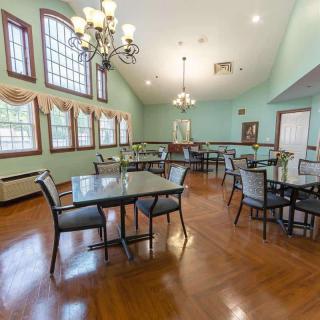
 Indoor common areas
 Outdoor common areas
 Private
 Respite or short term stays offered
 Wheelchair accessible showers
 High acuity care
 Incontinence care
 Medication management
 Meals provided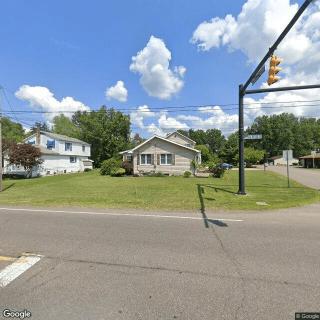



 Encouraging Participation in Adult Day Care: A Guide to Supporting a Hesitant Parent
 Comprehensive Exploration of Living Wills and Other Advance Directives
 A Detailed Exploration of Living Wills and Advance Directives