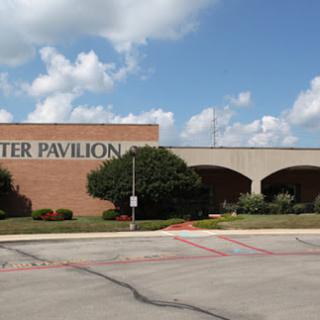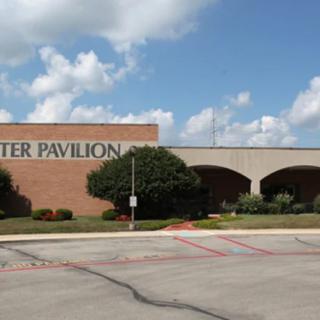
3232 North County Road 25A, Troy, OH 45373
For more information about senior living options: (866) 208-4318
Overall Review of Koester Pavilion
Pros
 The caregivers are very nice and provide attentive daily care, including feeding, bathroom assistance, and showers.
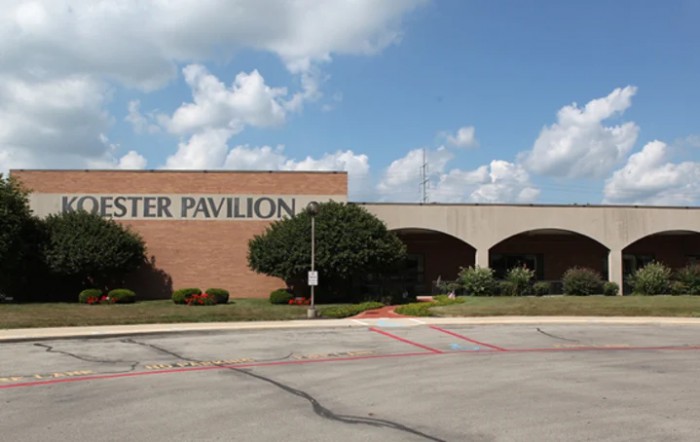
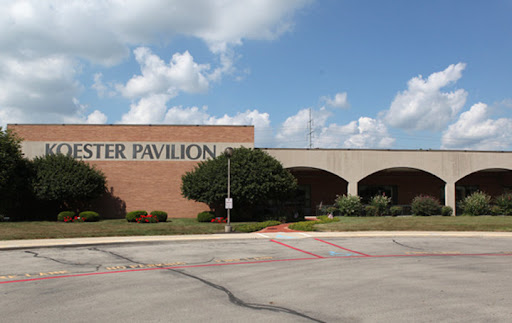
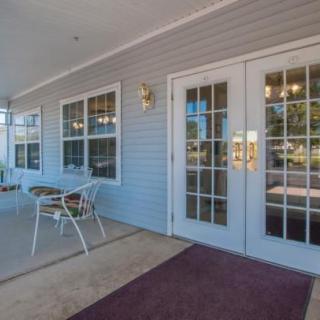
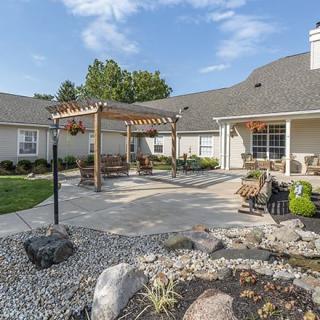
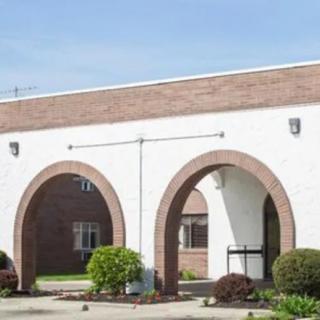
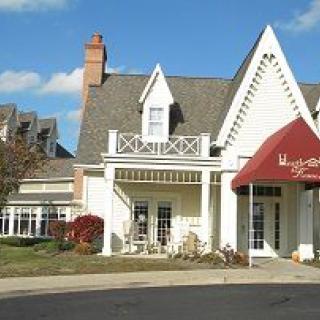
- The facility is pleasant inside and well-kept, with flowers planted outside.
- The staff are friendly, nice, and helpful.
- There are engaging activities, including bingo three times a week and crafts, with an activities room for exercises.
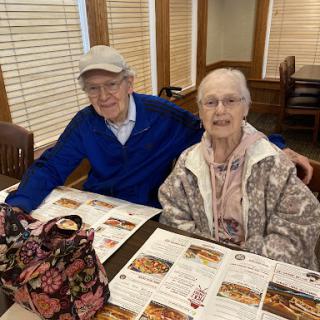
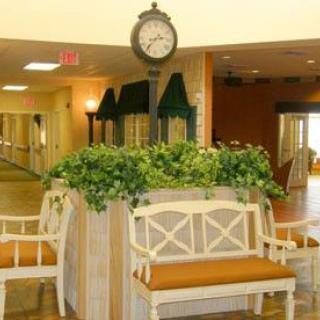
- The dining area is attractive, and meals are good.
- The staff are accommodating and responsive, keeping families informed and addressing problems quickly.
Cons
 The interdepartmental communication is horrific.
- The social worker was clueless.
- The food was inedible.
- There were too many patients and not enough help.
- Water isn’t kept in the rooms, so residents have to keep asking for ice water.
- The two-person room is too small for two wheelchair users.
- The meals have no seasoning due to the no-salt restriction.
- A patient fell and likely suffered a small stroke because communication was not effectively understood.
Review
Koester Pavilion in Troy, OH is best suited for families needing full-care support where daily assistance is constant, rehab is accessible, and memory-care needs can be accommodated. It tends to work well for loved ones who require help with feeding, bathing, and bathroom routines, and for those who benefit from a structured activity schedule and a pleasant, community-oriented environment. This community clearly shines for residents who can tolerate shared rooms and who are comfortable navigating a care system that relies on attentive staff to keep care moving forward. It is a practical choice for families who prioritize hands-on caregiving and a cohesive, if busy, campus feel over privacy and ultra-narrow cost considerations.
On the plus side, the staff consistently comes through as friendly, patient, and responsive, and the facility presents as clean and well-kept with a welcoming dining area. The rehab experience, when circumstances allow, has earned praise, and the campus offers an activity room, regular bingo, crafts, and group exercises that help keep residents engaged. Families of residents in the Alzheimer’s unit report high-quality attention and a level of attentiveness that stands out, with caregivers who work hard to keep patients fed, engaged, and safe. The overall impression is of a competent, people-focused operation where warmth and organization exist side by side with practical limitations.
However, significant drawbacks temper the positives. Communication across departments, nurses, front desk, administration, custodial staff, and business office, has been described as disjointed and frustrating, which can blunt timely responses and complicate decision-making for families. Food quality has been criticized at times, and one reviewer noted a lack of seasoning due to dietary restrictions, which can diminish mealtime satisfaction for residents who are still active and appetite-driven. Hydration in rooms is inconsistent, with some residents and their roommates routinely needing to request water, creating needless friction in daily routines. The most consequential concerns center on staffing, with repeated suggestions that there are too many patients for the available help, raising safety and responsiveness questions, especially in moments of acute need or medical complexity.
Those pros matter because they address core care expectations: compassionate staff, a clean, pleasant setting, and structured activities can help a resident feel secure and engaged, particularly when rehab or Alzheimer's care is part of the plan. But the cons cannot be shrugged off; when communication gaps align with staffing strains, the risk to safety and satisfaction rises. In practice, families who are able to stay actively involved, advocate for timely updates, and cross-check care plans may experience the best of Koester Pavilion, with caregivers delivering reliable daily support and a reassuring sense of continuity. Yet these advantages do not fully neutralize the downsides for residents who require consistent, high-touch coordination or private-room comfort.
For families evaluating alternatives, Koester Pavilion is less compelling for those who prize seamless interdepartmental communication, transparent and timely problem-solving, or private accommodations without compromise. If a private room or a quieter, more intimate setting is essential, or if menu quality and hydration standards are non-negotiable, other communities may better fit those criteria. Families comparing options should also consider current cost relative to value, given reports that pricing feels high for what is provided, especially in rooms shared by two wheelchair users. Memory-care-focused facilities with stronger staffing ratios and more robust daily communication processes could be preferable for residents whose acuity requires relentless supervision and highly consistent updates.
In sum, Koester Pavilion offers solid, people-centered care in a well-maintained environment with meaningful rehab and activity options, and with standout staff in certain units. It is a defensible choice for families who can tolerate shared spaces, are prepared to advocate actively for care decisions, and place a premium on warmth and routine over pristine privacy or textbook dining quality. Those who cannot stomach inconsistent communications, potential hydration gaps, or heightened cost without equally assured attention may want to broaden their search and compare at least two other communities. The prudent path is to visit with specific questions about room options, staffing patterns, menu accommodations, and a clear plan for ongoing family involvement, then weigh Koester Pavilion against alternatives that offer stronger coherence, private accommodations, and a dining program that aligns more closely with individual preferences.
 135 resident community capacity
 Skilled Nursing Facility
 Air-conditioning
 Beauty salon
 Cable or satellite TV
 Computer center
 Dining room
 Fitness room
 Fully furnished
 Gaming room
 Garden
 Housekeeping services
 Kitchenette
 Move-in coordination
 Outdoor space
 Private bathrooms
 Restaurant-style dining
 Small library
 Telephone
 Wellness center
 Wi-Fi/high-speed internet available
 James M Cox Dayton International (13 miles away)
 Community operated transportation
 12-16 hour nursing
 24-hour call system
 Activities of daily living assistance
 Assistance with bathing
 Assistance with dressing
 Assistance with transfers
 Diabetes diet
 Medication management
 Mental wellness program
 Special dietary restrictions
 Concierge services
 Planned day trips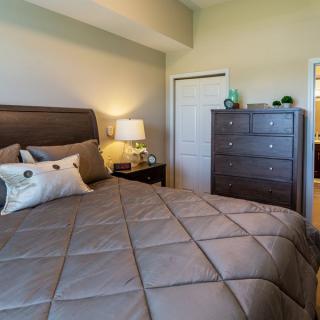

 A Detailed Examination of Nursing Home Costs Across the U.S.
 Exploring Nonmedical Home Care: Understanding Services, Costs, and Financial Approaches
 Engaging Brain Games and Innovative Apps to Keep Senior Minds Active