
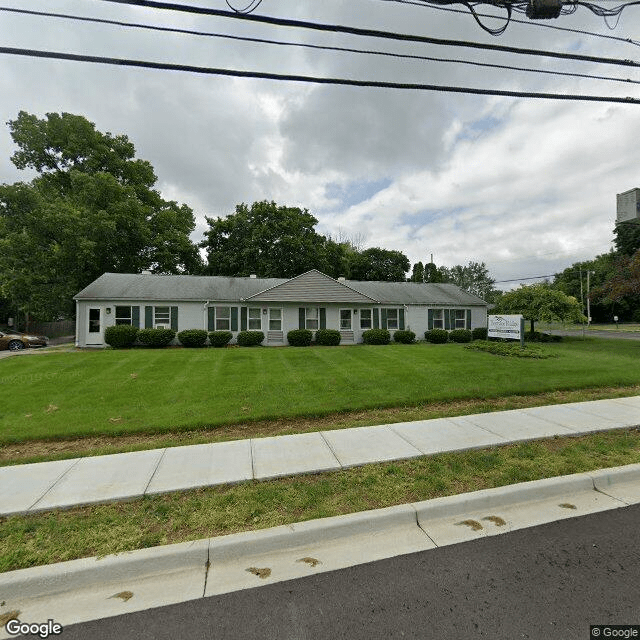
1312 Mckaig Ave, Troy, OH 45373
To contact a resident: (937) 335-6950
For more information about senior living options: (866) 208-4318
Overall Review of Terrace Ridge Apartments
Pros
 The resident is grateful to have a nice, secluded end-of-building apartment.
- The community is described as a very nice place to live and to make new friends.
- The property is viewed as a good place to live for someone on disability due to affordable rent.
- The former assistant manager was kind and ensured residents were taken care of.
- The property is marketed as handicap accessible and friendly.
Cons
 The place is infested with bed bugs, and management denies it despite residents’ reports.
- The complex is poorly managed, with managers changing frequently and seeming to care only about collecting rent.
- The property is unsafe and deteriorating, with ceilings falling in and repairs taking months.
- Accessibility modifications were mishandled: a ramp was torn down and replacement would take months, leaving dangerous, narrow entry steps.
- Toilets back up repeatedly, and plumbing issues are not promptly resolved.
- The staff, especially Jamie, are rude, dishonest, and fail to treat disabled residents with respect.
- Residents face harassment or eviction threats due to management mistakes.
- Pest problems (roaches and bed bugs) persist despite pest-control efforts.
- The building is unsafe and in disrepair, with long delays in getting fixes and updates.
Review
Terrace Ridge Apartments in Troy is best suited for budget-conscious seniors or disabled residents who can tolerate aging infrastructure, a sometimes fragile management structure, and uneven responsiveness in exchange for very low rent and the possibility of a quiet, self-contained living environment. The property often sits at the end of the spectrum for service levels, yet it promises basic privacy and a chance to stay within a fixed, more affordable housing budget. Those drawn to it should understand that affordability comes with a heavy load of operational fragility and concrete maintenance challenges that directly affect daily life.
Alternatives are worth considering for anyone who cannot tolerate inconsistent management, persistent pest issues, or slow-response maintenance. Prospective residents who rely on predictable repairs, clear communication from a stable staff, or modern accessibility improvements should look elsewhere. Families prioritizing safety, reliable ramps and rails, up-to-date pest control, and transparent lease administration will likely find more dependable options in comparable price ranges, even if those come with slightly higher rents.
On the upside, the community does offer a few meaningful advantages for the right tenant. The rent can be very affordable for disabled residents on fixed incomes, and there are references to a social atmosphere where neighbors can form connections and friendships. Some residents prize seclusion at the end of a building and the sense of quiet that can come with a smaller, apartment-style setting. When conditions align, this can feel like a modest, uncomplicated place to live that doesn’t push a high price point onto a fixed income.
The deepest, recurring concerns eclipse any soft positives. Bed bugs and roaches are repeatedly described as a persistent problem, with residents reporting denial from management despite firsthand accounts. Maintenance and safety worries are equally dominant: ramps can be in disrepair or torn down, entrances have unsafe steps, and even basic repairs, like plumbing blockages, have involved delays and frustrating, sometimes hazardous consequences. The turnover in property management (three different managers within a short span) translates into inconsistent policies, miscommunications, and mistakes with rent processing or modification requests. The accessibility story is particularly troubling for disability-focused tenants, as the required process for reasonable modifications is slow and cumbersome, leaving urgent needs unmet for months.
Despite some favorable anecdotes, the balance of the evidence makes it hard to locate a compelling offset to the core downsides. Affordable rent and the potential for social ties do not fully compensate for ongoing pest infestations, unreliable maintenance, and serious accessibility gaps. Safety concerns compound the risk: reports of harassment by other residents, unsafe living conditions, and perceptions that staff may lack the authority or urgency to protect vulnerable tenants undermine confidence in a stable home. In short, the best-case scenario here rests on a narrow margin of tolerances that many families cannot afford to gamble with.
For families weighing a decision, the practical takeaway is clear: Terrace Ridge can work only if the budget is the overriding constraint and the renter can actively manage and monitor the situation, treating it as a portfolio of risk, not a turnkey solution. Before committing, prospective residents should demand current, tangible assurances from management on pest control history, a concrete maintenance schedule, and a committed plan for accessibility improvements. Tour the property during daylight, speak with current tenants about their experiences, and verify the status of ramps or entry upgrades. If those assurances feel uncertain or if the pace of repairs and responsiveness remains unreliable, exploration of other affordable communities with steadier management and proven pest-free, accessible living will likely yield a more predictable, safer, and less stressful retirement or disability living situation.
 Independent Living
 James M Cox Dayton International (9 miles away)

 Navigating the Tax Landscape of Caregiving: Credits, Deductions, and Beyond
 Highly Beneficial Low-Impact Exercises for Senior Living Residents
 Is In-Home Healthcare Tax Deductible? Your Comprehensive Guide