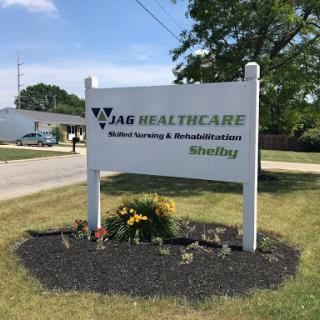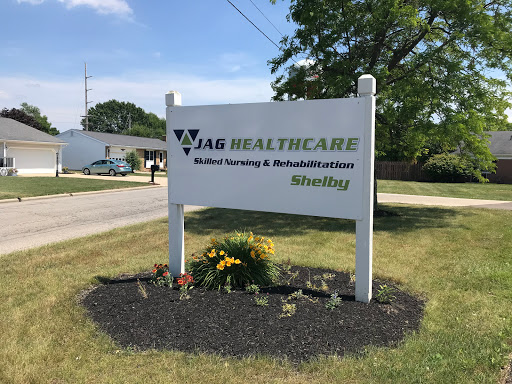
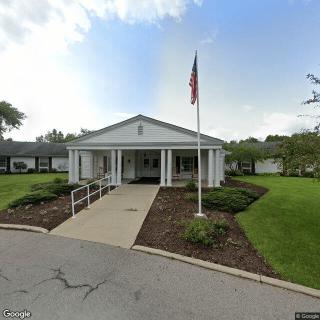
100 Rogers Lane, Shelby, OH 44875
For more information about senior living options: (866) 208-4318
Overall Review of Shelby Pointe
Pros
 They see how much love and nurture the staff provides for the residents.
- The staff is the backbone of the facility, supporting residents' day-to-day lives across housekeeping, STNAs, dietary, nurses, and administration.
- They describe the place as a family—friendly and fun—where people are glad to be part of it.
- The care received was pleasing, with staff being kind and concerned about health, and activities being fun and entertaining.
Cons
 The staff are dishonest from top to bottom.
- The facility mistreats elderly residents and abuses prescription medications without physician consent.
- There is no doctor on staff to diagnose residents, leading to unsafe care.
- Residents are overmedicated to ease the nurses' workload, risking overdose and heart failure.
- There is no nurse log documenting shifts or medications, causing repeated doses.
- Residents can fall from beds and lie on the floor for hours without medical attention.
- Pain relief is delayed for residents, sometimes for 45 minutes to hours.
- The director of nursing is unfriendly and unhelpful.
Review
Shelby Pointe is best suited for seniors who want a warm, family-like atmosphere and are able to advocate for their loved ones on an ongoing basis. The strongest positive signal across experiences is the sense that frontline staff genuinely connects with residents, creating daily life that feels personal and engaged. For families, this means a place where care isn’t hollow or impersonal, and where caregivers invest effort into daily routines, activities, and personal interactions. However, that warmth sits against a backdrop of mixed clinical oversight, which means the facility’s true reliability rests in how well families can monitor and supplement care.
Those who should consider alternatives are clear: residents with significant medical needs that require consistent, physician-directed management, timely pain control, or auditable medication administration should look elsewhere. The recurring concerns about delays in pain medication, questions about who approves prescriptions, and the absence of a physician on site are not trivial gaps in care. Prospective families should not rely on kindness alone when medical decisions and patient safety hinge on timely orders, proper documentation, and accountable leadership. In short, this is not a facility to lean on for complex clinical oversight.
The core pros, a caregiving staff that families describe as devoted and welcoming, plus opportunities for social engagement and routine activities, do provide meaningful daily value. When staff members are attentive, residents benefit from continuity of contact and a sense of being seen, which can elevate mood and reduce agitation. These strengths partially offset the daily grind of nursing tasks when care needs are light to moderate and the family is ready to fill in gaps with proactive questions. Yet these positives cannot fully compensate for the structural weaknesses that surface in medication management, response times, and documentation.
Conversely, the cons raise serious red flags about reliability and safety. Multiple reviews allege mistreatment or neglect, with specific claims of delays in pain relief, poor communication from leadership, and a perception of disorganized medication practices. The absence of a licensed physician on-site to authorize diagnoses or med changes, coupled with reports of no nurse shift logs and repeated dosing, creates a risky gap between intent and outcome. The fear of bed sores, unexplained injuries, and residents left unattended for periods underscores a pattern that can erode trust even when staff appear caring on a day-to-day basis. These factors materially limit Shelby Pointe’s suitability for residents who cannot tolerate inconsistent clinical oversight.
For families weighing the decision, practical steps matter. During tours, probe the nursing leadership structure, ask for the on-site medical professional arrangement (whether a nurse practitioner or physician is available and how often), and request to review medication administration processes and any incident logs. Inquire about staffing stability, turnover rates, and the facility’s approach to pain management protocols. It is prudent to speak with several current residents and families about response times, call-bell responsiveness, and how often care plans are updated. If the responses reveal clear, transparent procedures, Shelby Pointe can deliver a homey environment that complements vigilant oversight; if not, alternatives with stronger medical governance and documented accountability should be prioritized.
In sum, Shelby Pointe presents a mixed proposition: a nurturing, community-oriented setting that can delight residents when medical oversight is manageable, but a care environment where significant medical governance gaps may undermine safety and consistency. The community’s appeal rests on personal connection and day-to-day engagement; the decision hinges on whether those strengths are enough to offset concerns about on-site medical leadership, medication practices, and timely clinical responsiveness. For families unwilling to supervise care closely, the risk calculus leans toward seeking facilities with clearer medical oversight and auditable care processes. For those prepared to stay actively informed and advocate consistently, Shelby Pointe can be worth considering, with cautious expectations and a clear plan for ongoing oversight.
 45 resident community capacity
 Skilled Nursing Facility
 Beauty salon
 Cable or satellite TV
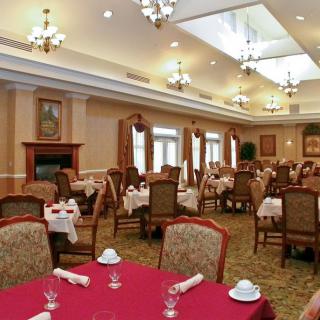
 Dining room
 Fully furnished
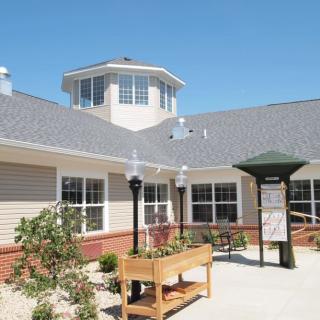
 Garden
 Housekeeping services
 Kitchenette
 Move-in coordination
 Outdoor space
 Restaurant-style dining
 Small library
 Telephone
 Wi-Fi/high-speed internet available
 24-hour call system
 Activities of daily living assistance
 Assistance with bathing
 Assistance with dressing
 Assistance with transfers
 Diabetes diet
 Medication management
 Mental wellness program
 Special dietary restrictions


 Engaging Brain Games and Innovative Apps to Keep Senior Minds Active
 Effective Strategies for Keeping Seniors' Minds Active: A Deep Dive into Brain Games and Apps
 In-Depth Look at the VA Aid and Attendance Program