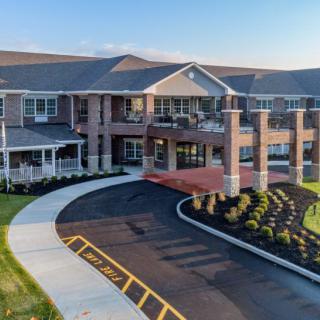
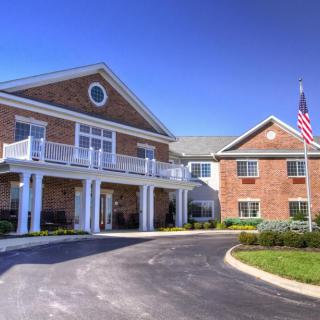
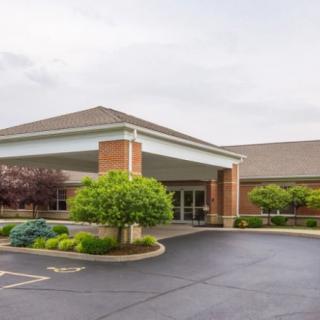
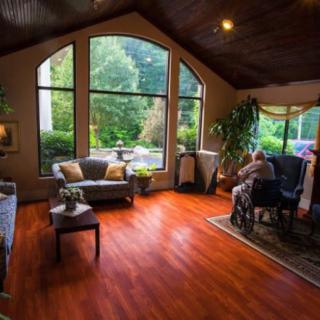
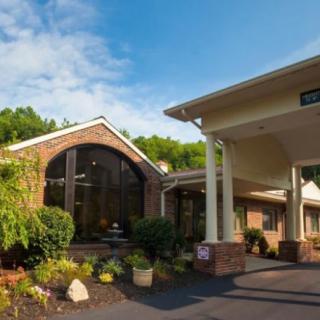
Loveland Health Care Center in Loveland, OH

Save

Loveland Health Care Center in Loveland, OH

501 North Second Street, Loveland, OH 45140

For more information about senior living options: (844) 490-3973

3.7 from 21 reviews
5 stars
11
4 stars
4
3 stars
0
2 stars
1
1 stars
5

Skilled Nursing Facility

Overall Review of Loveland Health Care Center

Pros

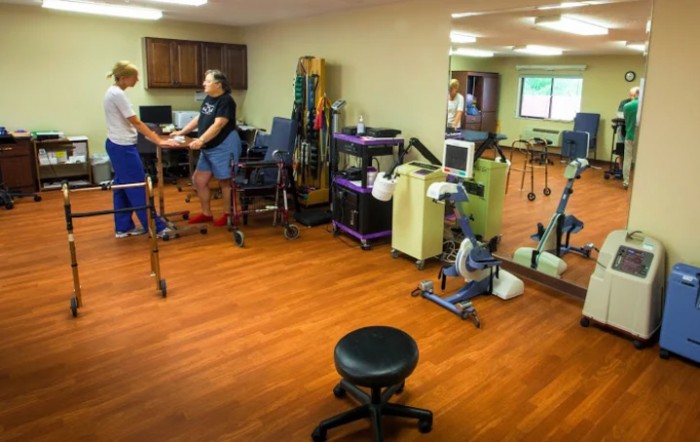
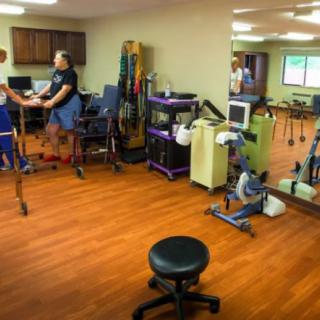
  • pro The therapy on the rehab floor was outstanding.
  • pro The staff are friendly, attentive, and caring toward residents and their families.
  • pro The facility cares for residents and respects their wishes.
  • pro The food is tasty and served hot.
  • pro Residents participate in engaging activities and enjoy social interactions with staff and others.
  • pro The environment feels like home: clean, welcoming, and comfortable.
  • pro Families are kept in the loop with clear, ongoing communication from the staff.

Cons

  • pro A reviewer cautioned that families should not send their loved ones here, saying they would not receive proper care.
  • pro Another reviewer claimed the facility is racist toward agency staff and Black people and advised staying away.
  • pro A reviewer gave the facility a zero rating and described their grandmother leaving with the worst bed sore the nurse had ever seen.
  • pro A reviewer explicitly urged people not to send their loved ones here.

Review

Loveland Health Care Center is best suited for families seeking a homey, relationship-driven environment for an aging loved one who needs rehabilitation, ongoing nursing care, or memory-care support. The strongest case rests on hands-on staff who know residents by name, clear daily routines, and ample opportunities for social activity and family involvement. This is not the gleaming, resort-like facility some families expect; it operates more on the principle that attentive care and consistent communication trump glitz. For seniors who thrive on regular staff contact, meaningful activities, and a familiar, welcoming atmosphere, Loveland Health Care Center delivers results. Those seeking cutting-edge amenities, a premium memory-care program with extensive security features, or a larger, more upscale campus should consider alternatives.

The most persuasive positives cluster around care quality and human connection. Reviewers repeatedly underscore strong nursing attention on rehab and memory units, with therapy that appears to restore function and shorten hospital stays. Families report approachable social workers and care teams that coordinate effectively, keeping everyone in the loop about progress and plans. The facility's culture comes through in the way residents converse with staff and with neighbors, and in the practical touches - an on-site kitchen and lounge that invite family participation, and regular activities such as crafts and group games. Food is described as tasty and served hot, and the environment feels more like a long-term home than a sterile institution. When care is diligent, families feel their loved ones are safe, valued, and engaged.

Yet multiple reviews surface significant concerns that cannot be dismissed. A minority voices strong dissatisfaction, including accusations of racism toward agency staff and Black workers, alleged DNR pressures, and general hostility that colors the caregiving climate. Another account highlights a dramatic neglect scenario: a severe bed sore reported by a home nurse as one of the worst seen, with the family feeling brushed off after raising alarms. These outlier experiences stand in tension with the broader positive sentiment, and they demand serious due diligence. They should prompt prospective families to examine staffing culture, escalation paths, and how well residents' rights and wound-care protocols are actually observed on the floor.

Those pros and cons do not cancel each other out automatically; they point to a facility that can be an excellent fit for some and a risky choice for others. The value lies in consistent, transparent caregiving - where therapy milestones are clear, discharge planning is proactive, and staff communication is timely and respectful. The standout rehab outcomes and the social, affection-forward approach to daily life can offset concerns if families insist on rigorous oversight: regular visits, direct conversations with administrators, and a demand for detailed care plans, wound-care documentation, and staffing patterns. When the operation runs smoothly, Loveland Health Care Center feels reliable, intimate, and genuinely supportive for both residents and families.

Families who prioritize anti-discrimination culture, sustained wound-care quality, and incident resolution will want to compare Loveland with other options that offer more robust, verifiable assurances in these areas. If the goal is a facility with a consistently calm, professional environment where agency staff feel respected and residents' rights are protected, a deliberate side-by-side tour is essential. Questions to drive the decision: What are the current nurse-to-resident and aide-to-resident ratios on the rehab and memory floors? How are wound-care concerns tracked and escalated? What is the facility's formal process for addressing grievances, and can families speak with the administrator or director of nursing about past incidents and corrective actions?

Bottom line: Loveland Health Care Center can be a strong fit for rehab, memory care, and skilled nursing when families do their due diligence and remain actively engaged. The program's tangible strengths - effective therapy, attentive nursing, engaging activities, and a home-like atmosphere - can produce meaningful quality-of-life gains for residents and measurable peace of mind for families. However, the mixed experiences highlighted in reviews - particularly around staffing culture and specific care concerns - mean this community warrants careful vetting. Prospective residents should schedule a thorough in-person assessment, request to observe therapy sessions, speak with front-line staff, review current care plans and wound-care protocols, and insist on transparent answers about staffing patterns and resident rights. With disciplined oversight, Loveland Health Care Center can deliver the supportive, compassionate care that many families are seeking.

Features

Housing

  • 99 resident community capacity 99 resident community capacity

Types of Care

  • Skilled Nursing Facility Skilled Nursing FacilitySkilled Nursing Facilities are crucial for seniors as they provide round-the-clock medical care, rehabilitation services, and assistance with daily activities. These facilities ensure that seniors receive the specialized care they need to maintain their health and well-being as they age.

Amenities

  • Air-conditioning Air-conditioningAir conditioning is important for seniors as they are more vulnerable to heat-related illnesses and may have underlying health conditions that make it difficult for them to regulate their body temperature. It helps to keep them comfortable, safe, and healthy in hot weather.
  • Beauty salon Beauty salonBeauty salons are important for seniors because they provide a space for them to feel pampered, socialize, and maintain their personal grooming and hygiene. Regular visits to a beauty salon can help boost seniors' self-esteem and overall well-being.
  • Cable or satellite TV Cable or satellite TVCable or satellite TV is important for seniors because it provides entertainment, news, and companionship, helping to combat loneliness and boredom. It also offers a wide range of programming options tailored to different interests and preferences.
  • Computer center Computer centerA computer center is essential for seniors as it provides access to technology, communication tools, and resources that can enhance their daily lives. It allows them to stay connected with loved ones, engage in online activities, and learn new skills, ultimately promoting socialization and mental stimulation.
  • Dining room Dining roomDining rooms are important for seniors as they provide a space for socialization, connection, and nutritious meals. They offer opportunities for residents to bond over shared meals, foster a sense of community, and promote healthy eating habits. Dining rooms also ensure that seniors have access to well-balanced meals tailored to their dietary needs and preferences.
  • Fitness room Fitness roomHaving a fitness room in a senior living community is essential for seniors to stay active, maintain their physical health, and improve their overall well-being. Regular exercise can help prevent falls, reduce the risk of chronic diseases, and promote mental sharpness. It also provides social opportunities for residents to connect with others and enjoy a sense of community.
  • Fully furnished Fully furnishedFully furnished senior living communities are important for seniors because they provide convenience, comfort, and a hassle-free moving experience. Seniors can easily settle into their new living space without the stress of having to buy and move furniture. This allows them to focus on enjoying their new home and community.
  • Gaming room Gaming roomGaming rooms are important for seniors as they provide a fun and engaging environment for socializing, cognitive stimulation, and physical activity. Games can improve memory, problem-solving skills, and overall mental well-being while fostering friendships and reducing feelings of isolation.
  • Garden GardenGardens are important for seniors as they provide a peaceful and therapeutic environment for relaxation, physical activity, and socialization. Being in nature has been shown to reduce stress, improve mood, and promote overall well-being. Gardens also offer opportunities for seniors to engage in gardening activities, which can improve mobility, flexibility, and cognitive function. Additionally, gardens create a sense of community and connection with others who share a passion for plants and outdoor spaces.
  • Housekeeping services Housekeeping servicesHousekeeping services are important for seniors because they help maintain a clean and safe living environment, promote independence, and reduce the risk of accidents or illnesses. Additionally, having assistance with household chores can alleviate physical strain and allow seniors to focus on other aspects of their well-being.
  • Kitchenette KitchenetteKitchenettes are important for seniors living in senior living communities because they provide the convenience and independence of being able to prepare simple meals and snacks in the comfort of their own living space. This can help promote a sense of autonomy and well-being for seniors, allowing them to maintain some level of control over their dietary choices and daily routines.
  • Move-in coordination Move-in coordinationMove-in coordination is important for seniors because it helps ease the transition into their new living environment. It ensures that all logistics, such as packing, organizing movers, and setting up utilities are taken care of, allowing seniors to focus on settling in and adjusting to their new home. Having a smooth move-in process can alleviate stress and anxiety, making the transition smoother and more enjoyable for seniors.
  • Outdoor space Outdoor spaceOutdoor spaces are important for seniors as they provide opportunities for physical activity, social interaction, exposure to natural light and fresh air, and a sense of connection to nature. Having access to outdoor spaces can improve overall well-being and quality of life for older adults living in senior communities.
  • Private bathrooms Private bathroomsPrivate bathrooms are important for seniors in senior living communities because they provide independence, dignity, and comfort. Having a private bathroom allows seniors to maintain their personal hygiene routines without the need for assistance, promoting a sense of autonomy and privacy. Additionally, private bathrooms help prevent the spread of infections and provide a safe and clean environment for seniors to navigate safely.
  • Restaurant-style dining Restaurant-style diningRestaurant-style dining is important for seniors because it allows them to enjoy delicious, nutritious meals in a social and upscale setting. This enhances their dining experience, promotes healthy eating habits, and fosters socialization with fellow residents, ultimately contributing to their overall well-being and quality of life.
  • Small library Small librarySmall libraries are important for seniors as they provide access to a variety of reading materials, including books, newspapers, and magazines. This can help stimulate their minds, keep them engaged, and provide a sense of community through book clubs and other social activities. Additionally, reading has been shown to improve cognitive function and overall mental well-being in older adults.
  • Telephone TelephoneTelephones are important for seniors as they provide a lifeline for communication with loved ones, emergency services, and healthcare providers. They offer a sense of security and independence, enabling seniors to stay connected and access assistance when needed.
  • Wellness center Wellness centerWellness centers are important for seniors because they offer a variety of programs and services that promote physical, mental, and emotional well-being. These centers provide opportunities for exercise, socialization, education, and relaxation, helping seniors maintain their overall health and quality of life.
  • Wi-Fi/high-speed internet available Wi-Fi/high-speed internet availableWi-Fi/high-speed internet is important for seniors to stay connected with loved ones, access online resources, and participate in virtual activities to combat feelings of loneliness and isolation. It also allows them to easily manage healthcare needs, access entertainment, and engage in lifelong learning opportunities.

Transportation

  • Community operated transportation Community operated transportationCommunity operated transportation is crucial for seniors as it provides them with the means to access essential services, social activities, and medical appointments. It allows seniors to maintain their independence and quality of life by ensuring they can participate in activities outside of their homes. Additionally, community-operated transportation services offer a safe and reliable way for seniors to travel without having to rely on family or friends for assistance.
  • Transportation arrangement Transportation arrangementTransportation arrangements are crucial for seniors as they may face challenges with driving, mobility, or access to public transportation. Having reliable transportation services ensures that seniors can easily attend appointments, social activities, and maintain their independence and quality of life.
  • Transportation arrangement (non-medical) Transportation arrangement (non-medical)Transportation arrangements are essential for seniors as they provide access to essential services, activities, and social interactions outside the home. This service helps maintain independence, mobility, and overall well-being for seniors who may have limited transportation options.
  • Transportation to doctors appointments Transportation to doctors appointmentsTransportation to doctors appointments is crucial for seniors as it ensures they have access to necessary medical care and support, promoting their health and well-being. It allows them to receive timely treatment, monitor existing conditions, and address any new health concerns efficiently. Additionally, transportation services can help seniors maintain their independence and quality of life by enabling them to stay connected with their healthcare providers.

Care Services

  • 12-16 hour nursing 12-16 hour nursing12-16 hour nursing care is crucial for seniors in order to ensure around-the-clock monitoring, timely medication administration, and prompt response to any health concerns or emergencies. This level of care helps to promote the overall well-being and safety of seniors living in senior living communities.
  • 24-hour call system 24-hour call system24-hour call systems are important for seniors because they provide peace of mind and immediate assistance in case of emergencies. This technology ensures that help is always available, promoting safety and security for elderly individuals living alone or in assisted living facilities.
  • 24-hour supervision 24-hour supervision24-hour supervision is important for seniors to ensure their safety, well-being, and access to immediate assistance in case of emergencies or health issues. This constant support provides peace of mind for both seniors and their loved ones, allowing them to age in place with dignity and security.
  • Activities of daily living assistance Activities of daily living assistanceActivities of daily living assistance are important for seniors because they provide essential support with tasks such as eating, bathing, dressing, and mobility. This assistance helps seniors maintain their independence, dignity, and overall quality of life as they age.
  • Assistance with bathing Assistance with bathingAssistance with bathing is crucial for seniors as it helps maintain personal hygiene, prevents infections, and ensures their overall well-being and comfort. It also provides a sense of dignity and independence for seniors who may struggle with this task on their own.
  • Assistance with dressing Assistance with dressingAssistance with dressing is important for seniors because it helps maintain their independence, promotes personal hygiene, prevents accidents and injuries, and improves overall quality of life. This service ensures that seniors can continue to dress comfortably and confidently, despite any physical limitations they may have.
  • Assistance with transfers Assistance with transfersAssistance with transfers is crucial for seniors as it helps prevent falls and injuries, maintains their independence, and ensures they can safely navigate their living environment. It also provides peace of mind for both seniors and their loved ones.
  • Diabetes diet Diabetes dietA diabetes diet is crucial for seniors as it helps manage blood sugar levels, reduce risks of complications, and improve overall health and well-being. By following a balanced and nutritious diet tailored to their specific needs, seniors can better control their diabetes and enhance their quality of life.
  • Meal preparation and service Meal preparation and serviceMeal preparation and service are crucial for seniors as they may have limited mobility or energy to cook nutritious meals. Having access to healthy and convenient food options can ensure they are getting the proper nutrition needed to maintain their overall health and well-being.
  • Medication management Medication managementMedication management is crucial for seniors to ensure they are taking the right medications at the correct dosages and times. This helps prevent adverse drug interactions, reduces the risk of medication errors, and promotes overall health and well-being. Proactive management also allows for adjustments as needed based on changing health conditions or new prescriptions.
  • Mental wellness program Mental wellness programMental wellness programs are essential for seniors as they promote cognitive stimulation, emotional support, and social engagement. These programs help prevent isolation, depression, and cognitive decline, ultimately enhancing the overall quality of life for older adults.
  • Special dietary restrictions Special dietary restrictionsSpecial dietary restrictions are important for seniors because age-related changes in metabolism and health conditions can make it difficult for their bodies to process certain foods. By following a diet tailored to their specific needs, seniors can maintain their overall health and well-being, manage chronic conditions, and reduce the risk of complications such as malnutrition or food interactions with medications.

Dining

  • Diabetes diet Diabetes dietA diabetes diet is crucial for seniors as it helps manage blood sugar levels, reduce risks of complications, and improve overall health and well-being. By following a balanced and nutritious diet tailored to their specific needs, seniors can better control their diabetes and enhance their quality of life.
  • Special dietary restrictions Special dietary restrictionsSpecial dietary restrictions are important for seniors because age-related changes in metabolism and health conditions can make it difficult for their bodies to process certain foods. By following a diet tailored to their specific needs, seniors can maintain their overall health and well-being, manage chronic conditions, and reduce the risk of complications such as malnutrition or food interactions with medications.

Activities

  • Community-sponsored activities Community-sponsored activitiesCommunity-sponsored activities are important for seniors as they provide opportunities for social interaction, mental stimulation, and physical activity. These activities can help improve overall well-being, combat loneliness and isolation, and promote a sense of belonging and purpose among older adults.
  • Concierge services Concierge servicesConcierge services are essential for seniors as they provide assistance with daily tasks and errands, enhance their quality of life by offering convenience and personalized care, and promote a sense of safety and security.
  • Fitness programs Fitness programsFitness programs are crucial for seniors as they help improve strength, flexibility, balance, and overall well-being. Staying active can reduce the risk of chronic diseases, improve mental health, and enhance quality of life in older adults.
  • Planned day trips Planned day tripsPlanned day trips are important for seniors because they offer opportunities for socialization, mental stimulation, and physical activity. They provide a change of scenery and help seniors stay engaged and connected to their community, promoting overall well-being and quality of life.
  • Resident-run activities Resident-run activitiesResident-run activities are important for seniors as they encourage social interaction, creativity, and a sense of autonomy. These activities empower seniors to stay engaged and active in their community while fostering meaningful connections with their peers.
  • Scheduled daily activities Scheduled daily activitiesScheduled daily activities are important for seniors because they provide structure, socialization, mental stimulation, and physical activity. Engaging in regular activities can improve overall well-being and quality of life for seniors living in a community setting.

Description

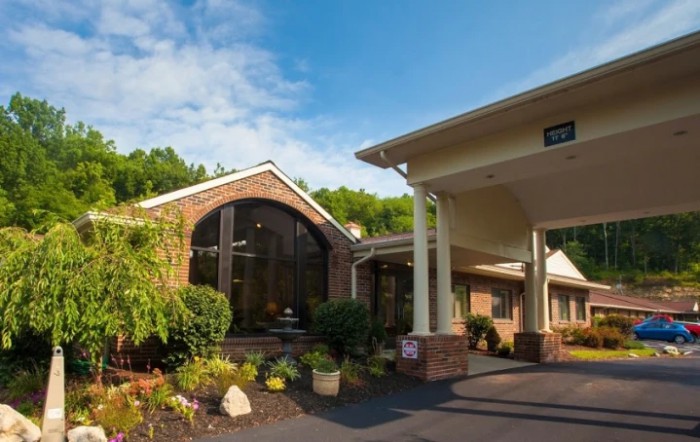
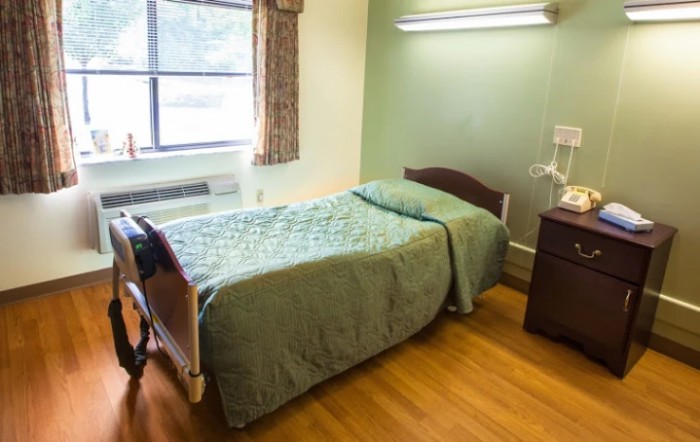
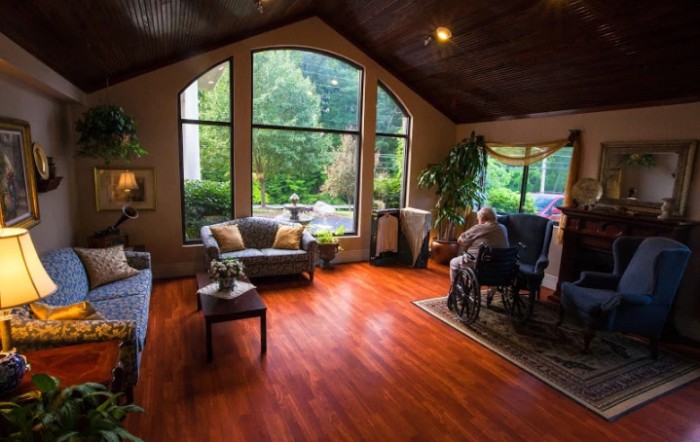
The Loveland Health Care Center in Loveland, OH is a vibrant assisted living community that offers a wide range of amenities and care services to meet the needs of its residents. The community provides a comfortable and homelike environment, with fully furnished apartments featuring private bathrooms and kitchenettes. Residents can relax and socialize in various shared spaces such as the beauty salon, gaming room, small library, or outdoor garden.

Catering to the interests and preferences of its residents, the community offers an array of activities and programs to keep them engaged and active. From fitness programs to planned day trips and resident-run activities, there is always something exciting happening at Loveland Health Care Center.

Residents can enjoy delicious meals prepared by culinary professionals in the restaurant-style dining room, with special dietary restrictions taken into consideration. Additionally, concierge services are available to assist residents with any personal requests they may have.

Safety and well-being are prioritized at Loveland Health Care Center with 24-hour call systems, supervision, assistance with daily living activities like bathing and dressing, as well as medication management. Transportation arrangements are made for non-medical purposes as well as doctors' appointments.

Surrounded by parks, pharmacies, physicians' offices, restaurants, places of worship,and hospitals nearby,the community ensures that residents have convenient access to essential resources outside their home.

Overall, Loveland Health Care Center is an ideal choice for seniors seeking a supportive and enriching assisted living community that promotes wellness while offering a wide range of amenities and care services.

Nearby Places of Interest

Places of Worship

  • Epiphany United Methodist Church (2.4 miles)
  • Motherless Daughters Ministry (3.6 miles)
  • Crosspointe Community Church (4.1 miles)
  • Heritage Presbyterian Church (5.7 miles)
  • Mason Christs Church At (5.9 miles)
  • St Elizabeth Ann Seton Church (6 miles)
  • Axis Christian Church (7 miles)

Restaurants

  • Raising Cane's Chicken Fingers (2.7 miles)
  • Tony's of Cincinnati (2.8 miles)
  • Shooters Sports Grill (3.1 miles)
  • The Monkey Bar & Grille (3.4 miles)
  • McDonald's (3.5 miles)
  • Olive Garden (3.6 miles)
  • Cracker Barrel (3.6 miles)

Physicians

  • Health First Physicians (2.7 miles)
  • Family Eye Care (3.3 miles)
  • Northeast Cincinnati Pediatric Associates (3.7 miles)
  • Bartlett, Sarah Dr - Somi Javaid, Md and Associates (4.4 miles)
  • Landen Lake Pediatrics (4.6 miles)
  • Elizabeth Muennich MD (4.8 miles)
  • Goshen Family Practice (4.9 miles)

Pharmacies

  • CVS Pharmacy (2.8 miles)
  • Walgreens (2.9 miles)
  • Walgreens (3.1 miles)
  • Walmart Pharmacy (4.4 miles)
  • Walgreens (4.6 miles)
  • CVS Pharmacy (4.9 miles)
  • Walgreens (4.9 miles)

Hospitals

  • Cincinnati Children's (3.6 miles)
  • Midwest Process Innovation (3.7 miles)
  • TriHealth Seniority - TriHealth Bethesda North Hospital (5 miles)
  • Micu 4 (5.1 miles)
  • Trihealth Connect Training (5.3 miles)

Parks

  • Weller Park (3.7 miles)
  • Cottell Park (4.8 miles)
  • Wedgewood Park (5.5 miles)
  • John Heisler Park (6.2 miles)
  • Swaim Park (6.6 miles)
  • Blue Ash Summit Park (7.4 miles)
  • Bigfoot Run Dog Park (7.4 miles)

Transportation

  • KI/Miami Valley Railroad - Losantiville Station (4.8 miles)

Cafes

  • Starbucks (6.7 miles)
  • Starbucks (7.7 miles)

Frequently Asked Questions

Where is Loveland Health Care Center?
What photos are available for Loveland Health Care Center in Loveland, Ohio?

Nearby Communities

  • The Trails at East Loveland

    The Trails at East Loveland

    Loveland, OH

    4.3 from 7 reviews
     

    pro Serene, nature-rich setting with easy access to hospitals, pharmacies, physicians, dining, and nearby places of worship.

  • The Maples at 20 Mile Farm

    The Maples at 20 Mile Farm

    Loveland, OH


    pro Peaceful, scenic setting with nearby amenities and essential care services (meals and medication management) plus Wi-Fi/telephone access.

  • Deerfield Springs Retirement Resort

    Deerfield Springs Retirement Resort

    Loveland, OH

    4.6 from 44 reviews
    $3,197 to $4,434 / month

    pro Warm, friendly staff and a strong sense of community, with well-maintained facilities and engaging activities.

  • Traditions of Deerfield

    Traditions of Deerfield

    Loveland, OH

    3.7 from 83 reviews
    $3,995 to $5,895 / month

    pro Exceptional staff, clean, welcoming environment, with engaging activities and clear family communication.

  • The Lodge Care Center

    The Lodge Care Center

    Loveland, OH


    pro Extensive amenities and 24/7 care services

  • The Lodge Retirement Community

    The Lodge Retirement Community

    Cincinnati, OH

    3.9 from 80 reviews
    $2,126 to $4,347 / month

    pro Friendly, attentive staff; engaging activities; clean, welcoming environment; affordable pricing for the area.

  • Magnolia Springs Loveland

    Magnolia Springs Loveland

    Loveland, OH

    4.6 from 170 reviews
    $4,195 to $5,995 / month

    pro Compassionate staff, clean, welcoming setting with strong memory care options.

  • The Landing of Long Cove

    The Landing of Long Cove

    Mason, OH

    4.3 from 138 reviews
    $3,580 to $4,550 / month

    pro Attentive staff in a clean, well-equipped community with engaging activities.

  • Venetian Gardens

    Venetian Gardens

    Loveland, OH

    3.9 from 70 reviews
     

    pro Caring, professional staff and a clean, activity-rich environment.

Related Resources

  • brain games for seniorsEngaging Brain Games and Innovative Apps to Keep Senior Minds Active
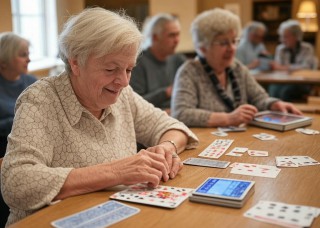
    Maintaining cognitive fitness through engaging in various brain games, both traditional and digital, is crucial for seniors as it enhances memory retention, problem-solving abilities, and emotional well-being while helping to protect against age-related decline. A holistic approach that includes diverse activities, physical exercise, a balanced diet, and social interaction further supports mental health and cognitive function.

  • brain games for seniorsEffective Strategies for Keeping Seniors' Minds Active: A Deep Dive into Brain Games and Apps

    The article outlines strategies for keeping seniors' minds active through brain games and apps, highlighting the importance of cognitive exercises, social engagement, and a healthy lifestyle in combating cognitive decline. It emphasizes the benefits of various types of games and offers practical tips for maintaining mental wellness through enjoyable activities while acknowledging their limitations.

  • aid and attendance vaIn-Depth Look at the VA Aid and Attendance Program
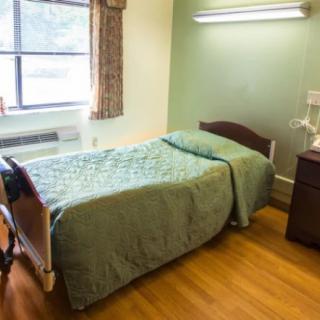

    The VA Aid and Attendance program offers financial assistance to veterans needing help with daily activities due to health issues, available through a pension for low-income wartime veterans or an allowance for 100% disabled individuals. Eligibility depends on medical documentation of care needs and navigating guidelines about income and service history, with funds being usable for various healthcare-related expenses.